Newsletters


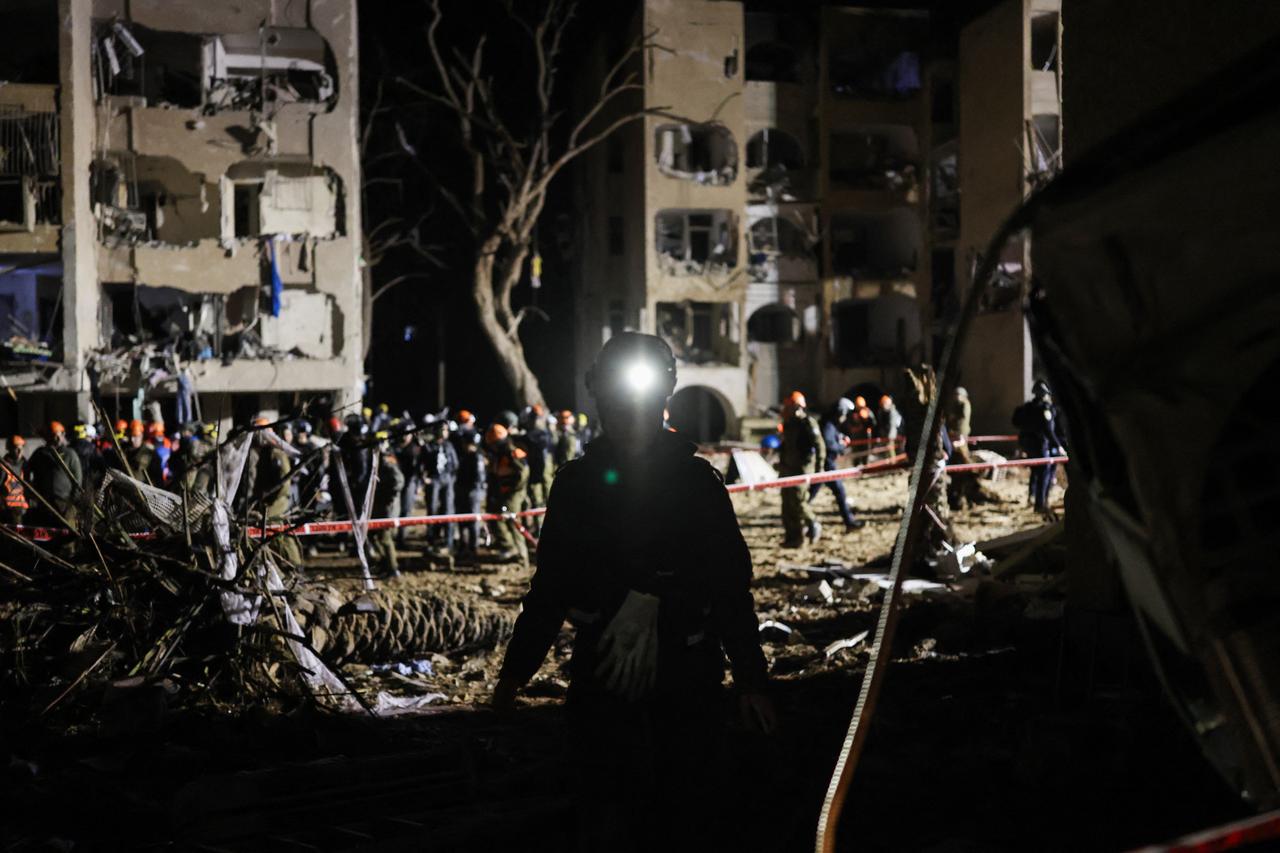


Rescue operations continued into the early hours of Sunday in the southern Israeli towns of Arad and Dimona after Iranian missiles struck both cities in the most destructive attack on Israeli soil since the war began.
Israel's air defense systems failed to intercept either strike near the country's nuclear research facility, as Israeli Prime Minister Benjamin Netanyahu vowed retaliation "on all fronts."
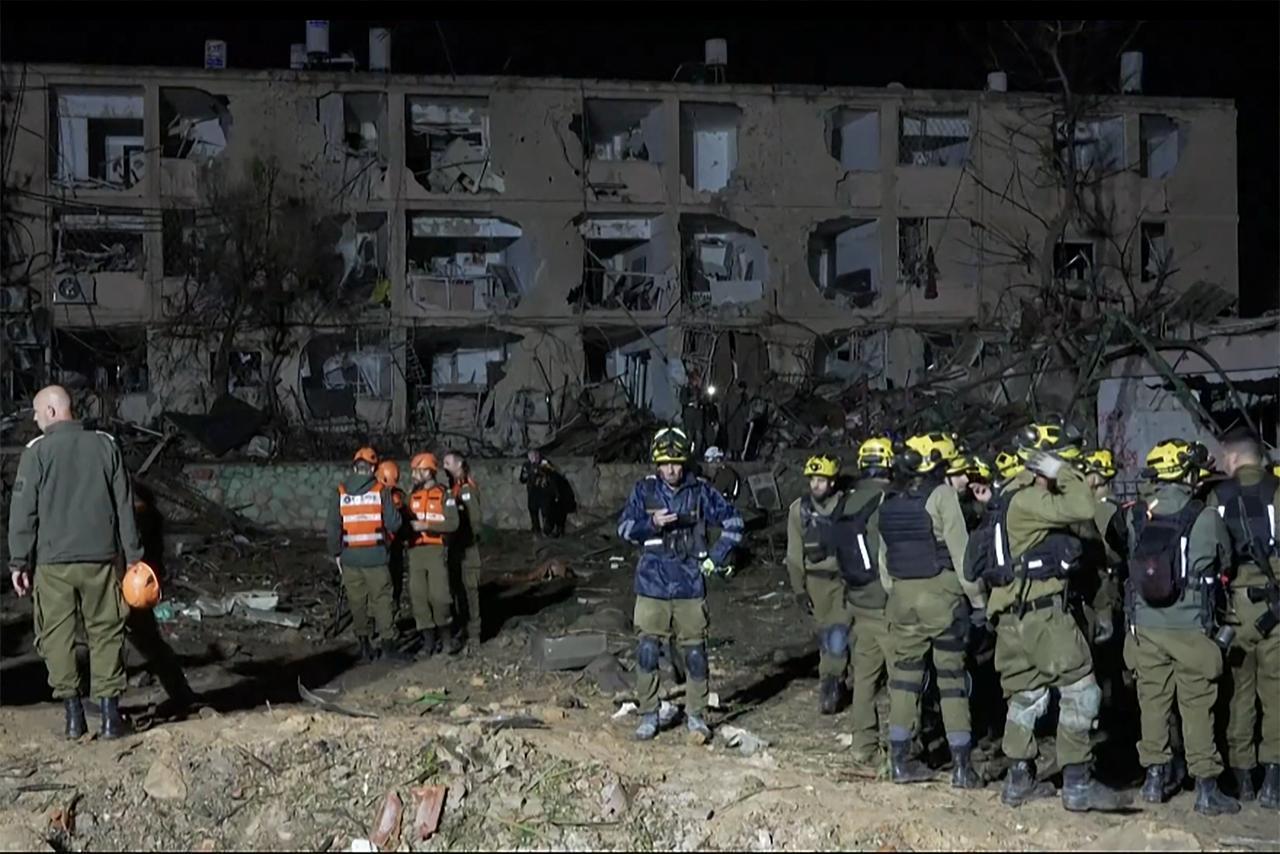

Israel's Magen David Adom (MDA) emergency rescue service said 88 people were wounded in Arad, 10 of them seriously, 19 in moderate condition, and 55 in mild condition, with four others treated for panic.
The local fire service reported "extensive damage" to three buildings, with a blaze sparked in one of them.
A crater approximately five meters wide was left amid the bombed-out structures.
In the early hours of Sunday, dozens of residents were still at the site as police warned them on loudspeakers not to approach. Security forces patrolled the streets with flashlights while rescuers searched the rubble to ensure all casualties had been recovered.
Police spokesman Dean Elsdunne told Agence France-Presse (AFP) that "the operation will take a few hours" before authorities can clear the scene and ensure all residents are accounted for.
Security camera footage aired by Israeli networks showed people being thrown to the ground by the force of the blast as glass windows shattered.
Some 150 injured individuals arrived at Soroka Medical Centre following the combined strikes, according to Israeli Army Radio.
Seventeen-year-old Ido Franky, sheltering with his family during the attack, told AFP: "There was a 'boom, boom!', my mother was screaming. This was terrifying... this town had never seen anything like this."
National Security Minister Itamar Ben-Gvir visited the Arad strike site and said, "They are trying to harm us, but we remember one thing: we are at war. This is a war in which we must continue to crush to achieve victory."
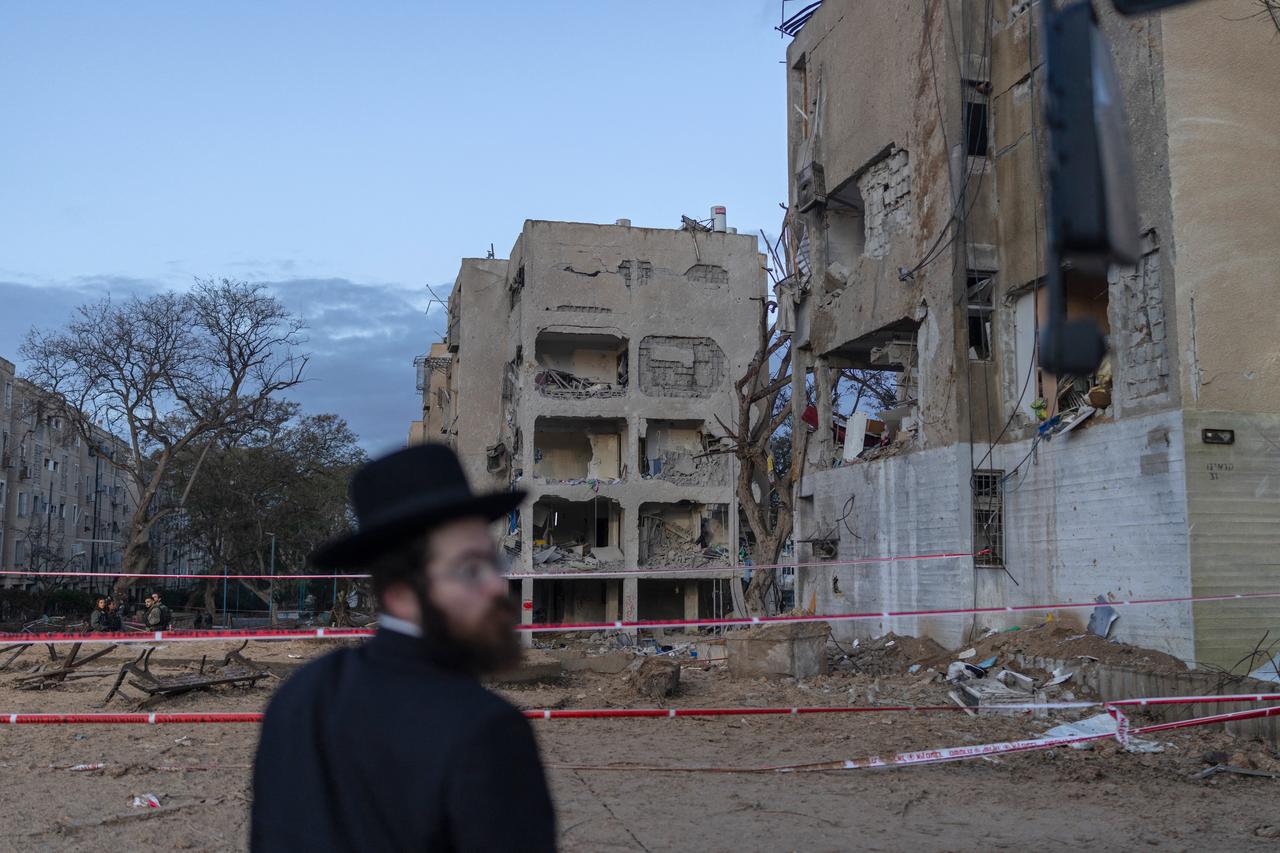
The earlier strike on Dimona wounded at least 33 people, including a boy with shrapnel wounds in serious condition.
Israel's secretive nuclear reactor is approximately 13 kilometers southeast of Dimona. Both cities lie near several military sites, including Nevatim Air Base, one of Israel's largest.
The missile fell approximately five kilometers from Israel's nuclear research facility, which hosts what is widely believed to be the Middle East's only nuclear arsenal, though Israel has never confirmed possessing nuclear weapons.
AFP footage showed heavy damage to an apartment building next to a ground crater, with two structures collapsed and concrete blocks littering the area.
It was the first time Iranian missiles had gotten past Israel's air defense systems in the area around the facility.
Iran said the Dimona strike was retaliation for earlier Israeli strikes on the Natanz nuclear facility. Iran's parliament speaker Mohammad Bagher Ghalibaf wrote on X: "If the Israeli regime is unable to intercept missiles in the heavily protected Dimona area, it is, operationally, a sign of entering a new phase of the battle."
Iran's IRGC said its forces targeted "military installations and security centers in southern Israel."
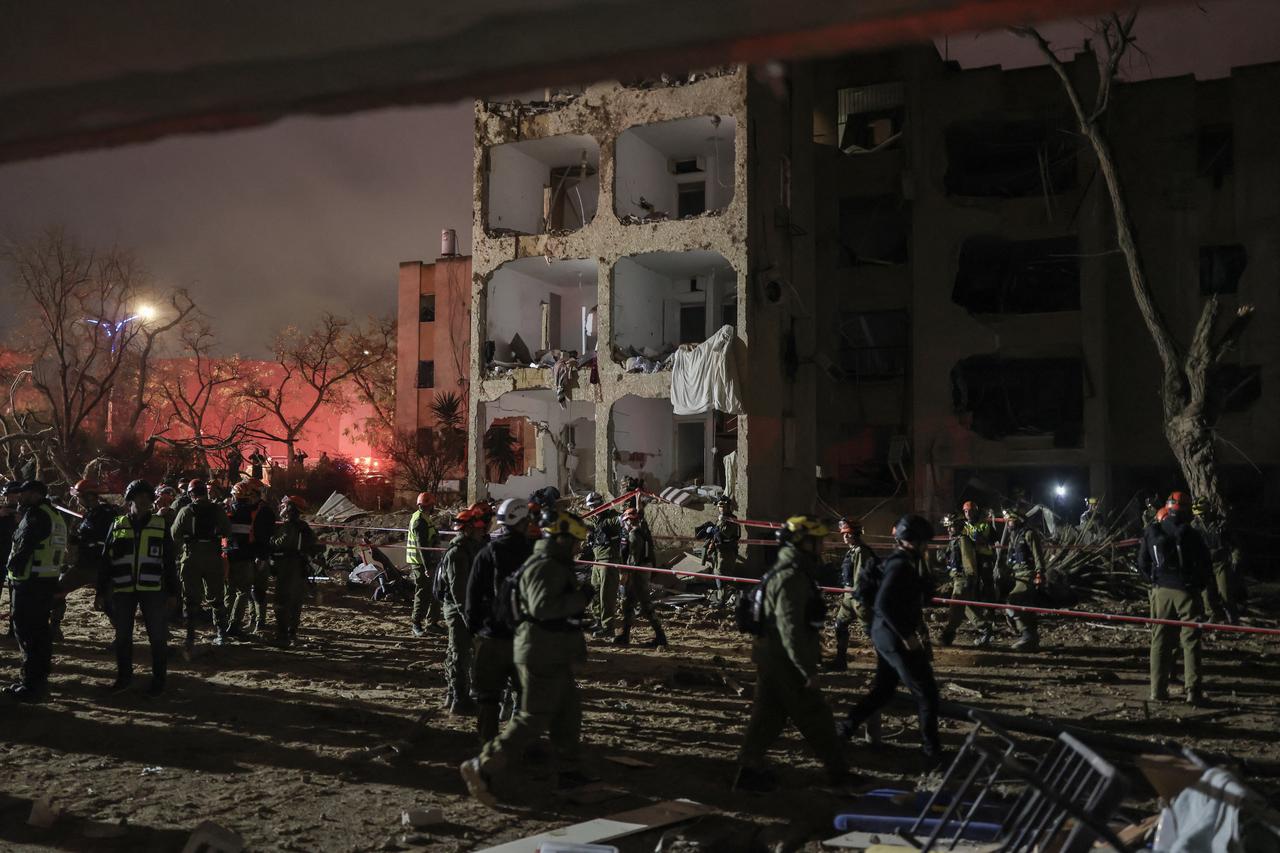
Israeli military spokesman Brigadier General Effie Defrin confirmed the failures. "Air defense systems operated but did not intercept the missile. We will investigate the incident and learn from it," Defrin wrote on X.
An Israeli army spokesperson said the strikes showed "the Iranian regime is resorting to reckless attacks that only further expose its instability and disregard for human life while strategically targeting civilians."
Israeli human rights activist Yariv Oppenheimer demanded accountability. "They're not telling us how many missiles were fired at Israel, how many managed to hit their targets, how many launchers were actually destroyed, and how many launchers and missiles are still left. Enough with deceiving the public and telling it what it wants to hear. Speak the truth," Oppenheimer wrote on X.
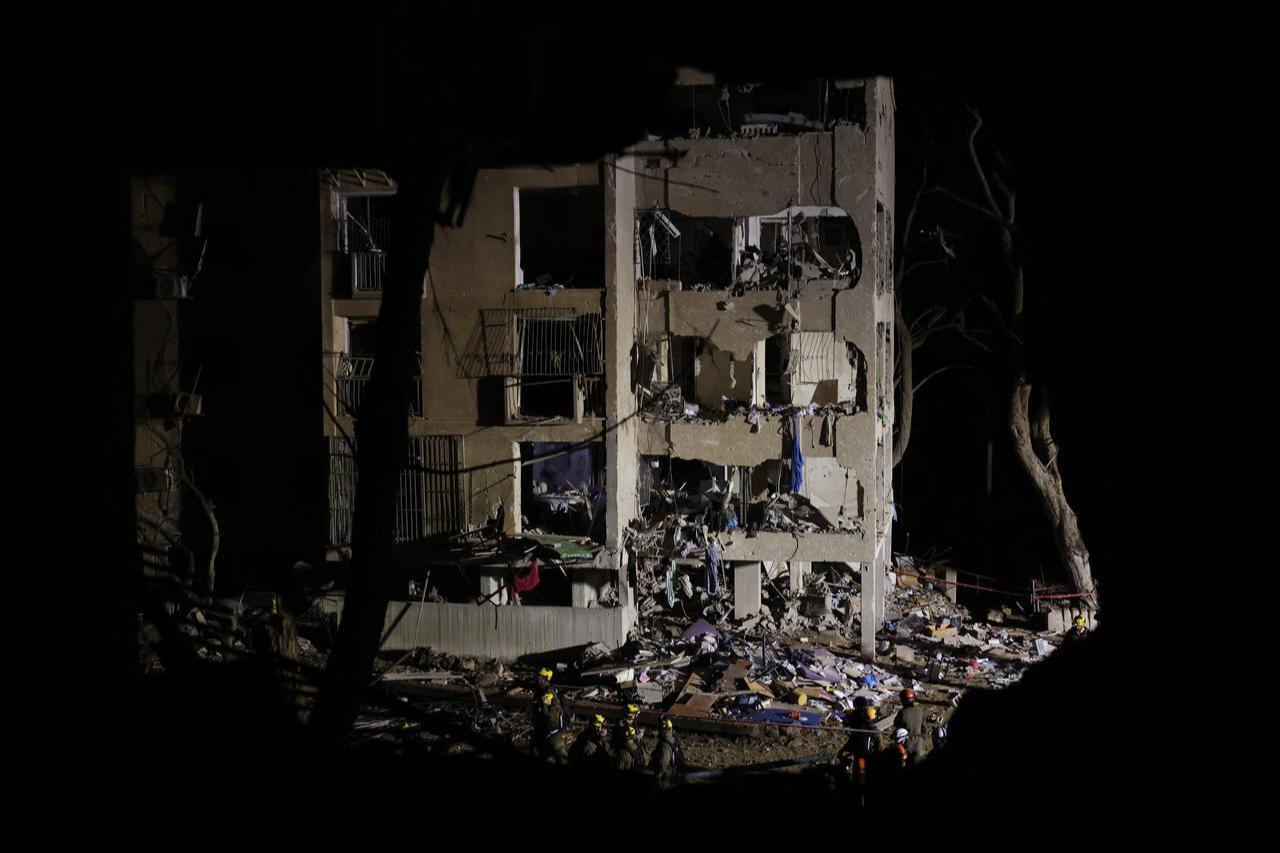
Netanyahu said in his statement on X: "This has been a very difficult evening in the battle for our future. We are determined to continue striking our enemies on all fronts."
The Israeli PM added that he was in contact with Arad's mayor, Yair Maayan, and had ordered all necessary assistance to be provided to the region.
Israel's education ministry ordered all remaining in-person classes to move online following the strikes.
Iranian missiles have killed 15 people in Israel since the war began on Feb. 28.
More than 1,300 people have been killed in Iran since U.S. and Israeli attacks began.
Israeli attacks on Lebanon have killed at least 1,024 dead and injured 2,740 people since March 2. The scope of the U.S.-Israeli conflict with Iran expanded to include Lebanon on March 2, with Lebanese group Hezbollah and Israel frequently exchanging fire.
Hostilities in the region have escalated since the U.S.-Israeli strikes on Iran began on Feb. 28, with Tehran retaliating with repeated drone and missile strikes targeting Israel and Gulf countries hosting U.S. military assets.


 Set as preferred source
 Set as preferred source


 1 min read
 1 min read