Newsletters


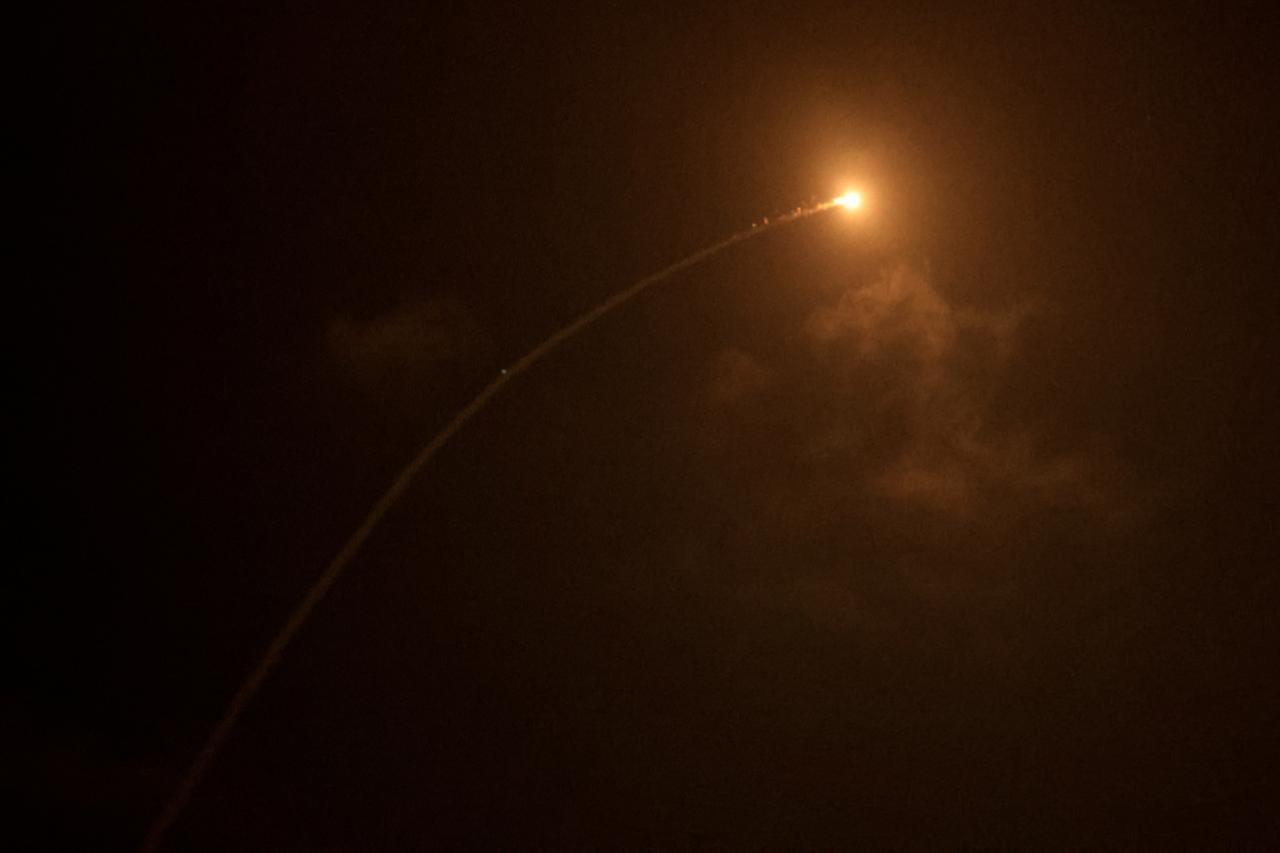


At least six people were killed and more than 100 others injured after an Iranian ballistic missile struck the southern Israeli city of Arad late on Saturday, in what appears to be a significant escalation in the ongoing conflict between Tehran and Tel Aviv.
The strike caused extensive destruction across the city, according to Turkish and Israeli media reports. Medical teams were dispatched to the scene of the reported impacts, with Israeli media confirming a mass casualty response in the area.
It remained unclear in the immediate aftermath whether the casualties resulted from direct missile impacts, submunitions from a cluster bomb warhead, or falling fragments following attempted interceptions, the Times of Israel reported.
Initial reports placed the injury toll at around 30, though that figure quickly rose past 100 as emergency responders gained access to affected areas. The rapid escalation in casualty numbers suggested the full extent of the damage was still being assessed late into the night.
The attack was described by Iranian sources as a retaliatory strike, though detailed information about Tehran's stated justification was not immediately available from the sources reviewed.
The Arad strike represented the second time in a matter of hours that an Iranian missile pierced Israel's multi-layered air defense array and struck a populated area in the south. The Israeli Air Force has opened a formal investigation into the interception failure, with the Home Front Command conducting a parallel inquiry. The missile landed directly between three residential buildings in the city center, causing walls to collapse on impact and igniting fires in surrounding structures.
The strike came during what officials described as the ninth round of Iranian missile fire aimed at southern Israel within a 24-hour period. Two hours before the Arad impact, a separate Iranian missile had struck the nearby city of Dimona, injuring more than 30 people and collapsing a building there.
MDA Director-General Eli Bin, speaking from the scene, described "a massive-scale incident," warning that "there are people we haven't been able to reach yet, and we are worried." Dozens of ambulances and mobile intensive care units were dispatched, while Soroka Medical Center in Beersheba declared a mass casualty incident and called in staff across all departments. Helicopters, including Israeli Air Force aircraft, were sent to the Arad airstrip to assist with evacuations.
At least nine buildings sustained direct or significant structural damage. ZAKA, the emergency response organization, reported that multiple people were found trapped and unconscious under rubble. Scores of volunteer medics from central Israel traveled south by ambulance to reinforce overwhelmed teams in the Negev region, while hospitals across southern and central Israel prepared for a surge in patients.
MDA emergency medical technician Yakir Talker described the aftermath as "a very difficult scene," saying teams had set up a casualty collection point to triage the wounded and were conducting comprehensive searches across the destruction zone.
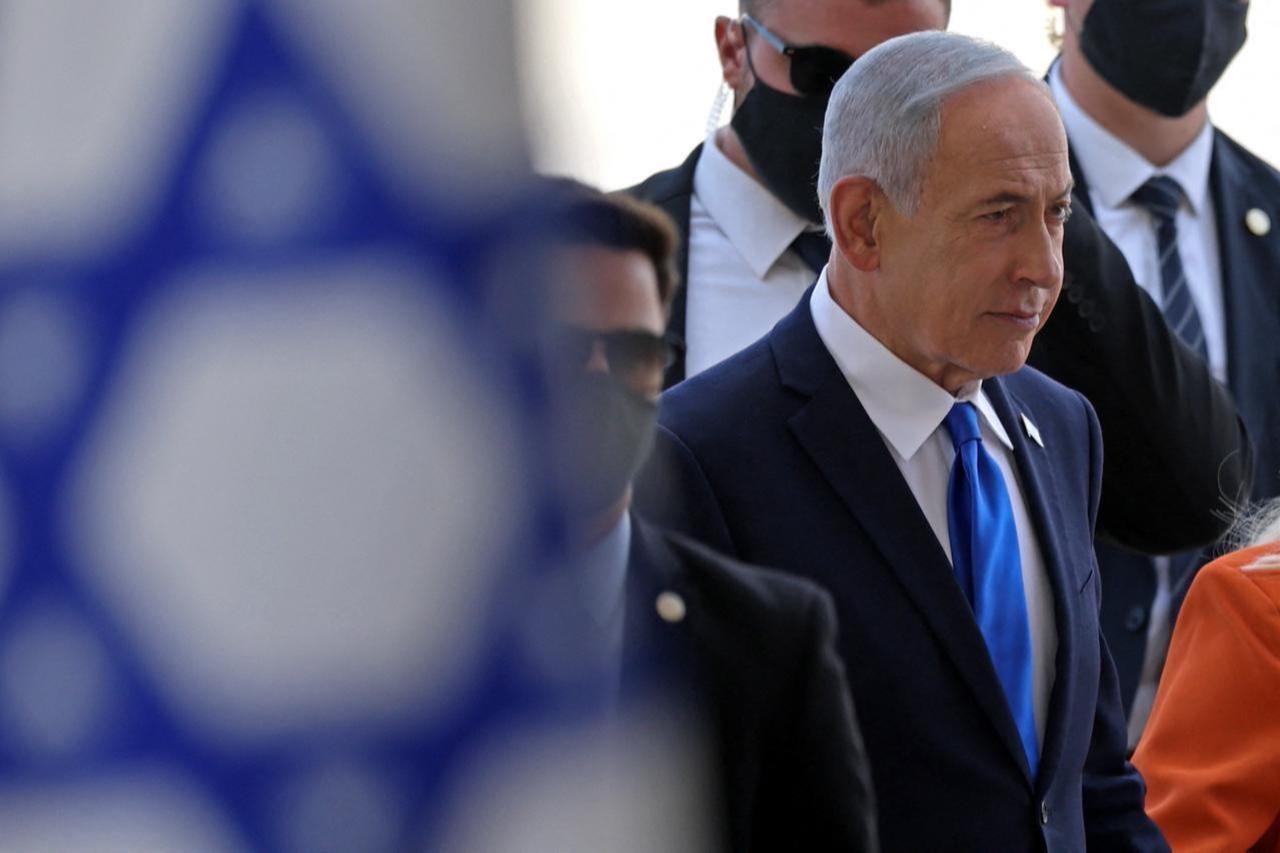

The mayor of Arad sought to reassure residents, noting that the heaviest damage was to building facades from the blast wave and that those who had evacuated to shelters or moved to rear rooms were largely unharmed. Prime Minister Benjamin Netanyahu, who spoke with the mayor shortly after the strike, called the evening "very difficult" and instructed government ministries to "provide all necessary assistance." He added that Israel would "continue to strike our enemies on all fronts with determination."
The war between the U.S.-Israeli coalition and Iran is now in its 22nd day, having begun on February 28 when the United States and Israel launched joint strikes on Iranian targets. Before Saturday's attacks, 15 people in Israel had been killed by Iranian missiles since the conflict began. Saturday's escalation in Arad raised fears that the death toll could climb further as rescue teams continued searching through the night.


 Set as preferred source
 Set as preferred source



 2 min read