Newsletters


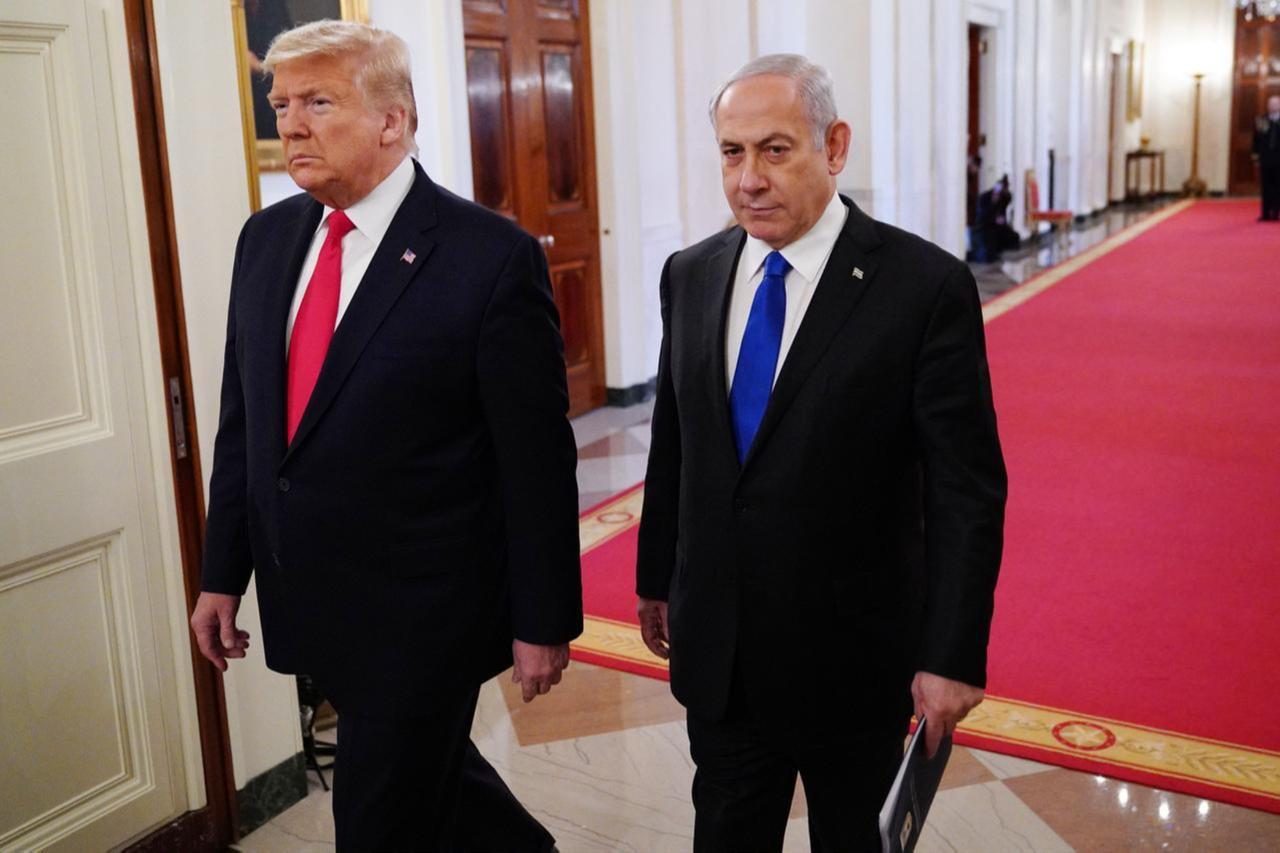


Israeli Prime Minister Benjamin Netanyahu said he will present Israel’s “views and principles” on negotiations with Iran during talks with U.S. President Donald Trump at the White House on Feb. 11, as Tehran warned that the visit could have a “destructive” impact on diplomacy.
Netanyahu departed for Washington on Tuesday, saying negotiations with Iran would be the top priority of his meeting with Trump, alongside discussions on Gaza and broader regional issues.
Speaking before leaving Tel Aviv, Netanyahu said he would convey Israel’s position on Iran talks to Trump, describing those principles as vital not only for Israel but for all who seek peace and security.
Israeli state broadcaster KAN reported that Netanyahu will try to persuade the U.S. administration to ensure that Iran’s ballistic missile production program is addressed and restricted within any negotiations with Tehran.
KAN also said intelligence indicating that Iran has rebuilt and expanded its ballistic missile capabilities will be presented to Trump. U.S. Ambassador to Israel Mike Huckabee is accompanying Netanyahu on the visit.
Israeli officials have said they want to warn Washington about what they see as the risks of a limited agreement with Iran. U.S. sources cited in Israeli media said Israel prefers a U.S. military strike on Iran and that Netanyahu will also work toward that option.
Iran’s Foreign Ministry spokesperson Esmaeil Baqaei warned that Netanyahu’s visit to Washington could have a “destructive” influence on diplomatic efforts.
“Our negotiating party is America. It is up to America to decide to act independently of the pressures and destructive influences that are detrimental to the region,” Baqaei said at a weekly press briefing.
He accused Israel of repeatedly acting as a saboteur to diplomatic processes that could lead to peace, saying Tehran rejects any negotiations that go beyond the nuclear file in return for sanctions relief.
Tehran and Washington resumed talks in Muscat on Friday, months after earlier negotiations collapsed following Israel’s unprecedented bombing campaign against Iran last June, which triggered a 12-day war.
The U.S. later joined the campaign, striking Iranian nuclear facilities. Iran responded with drone and missile attacks on Israel and by targeting the largest U.S. military base in the Middle East, located in Qatar.
Baqaei said the June conflict was a “very bad experience” and that Iran is determined to secure its national interests through diplomacy. He described the Muscat talks as brief and focused on assessing the seriousness of the U.S. side.
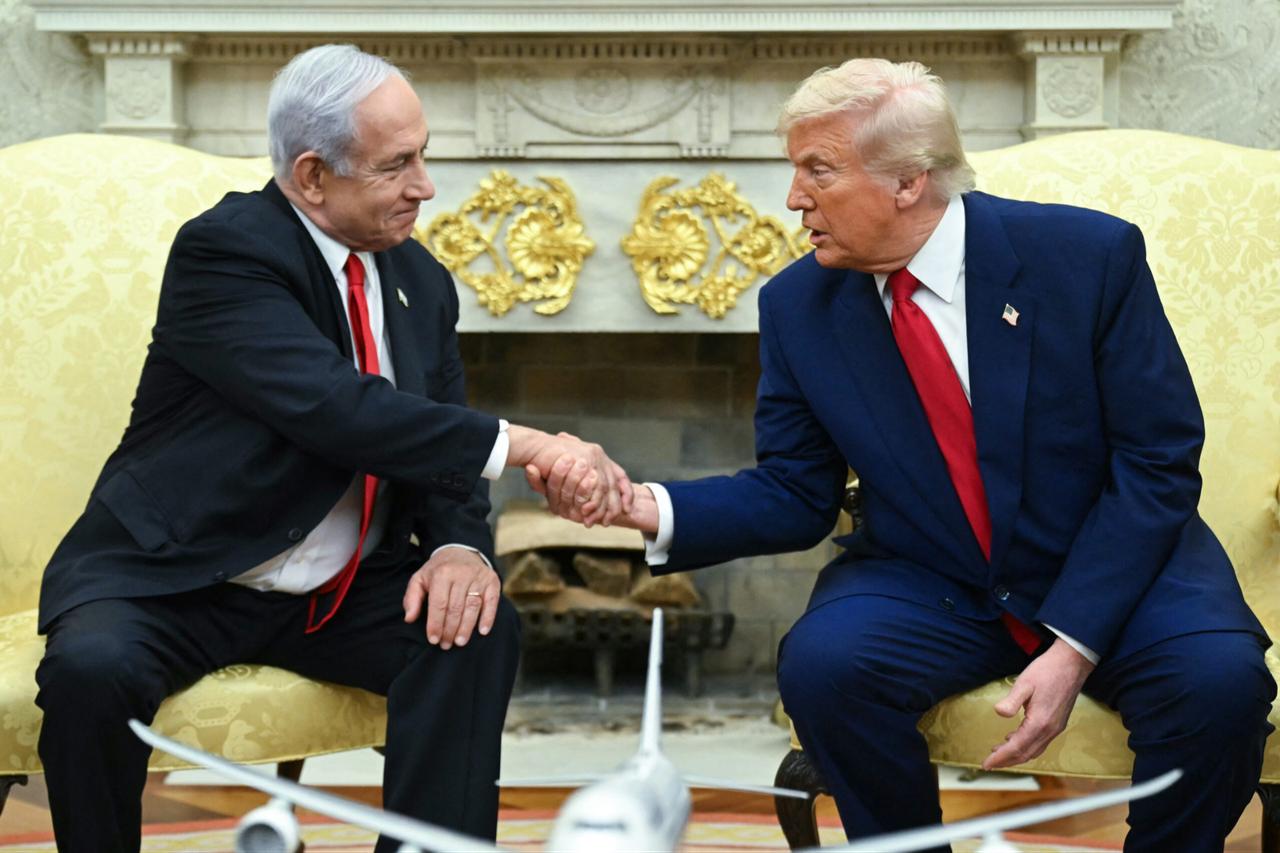

Netanyahu’s office said over the weekend that Israel believes any negotiations must include limits on Iran’s ballistic missiles and an end to Tehran’s support for allied armed groups in the region.
Iran has repeatedly rejected expanding talks beyond its nuclear program, while the U.S. has indicated it wants missiles and regional activities included.
Following the Muscat talks, the U.S. announced new sanctions targeting Iran’s oil exports, including 14 vessels. Baqaei dismissed suggestions that such pressure would affect Iran’s position, warning that Tehran would respond forcefully to any military aggression.
Netanyahu’s visit comes amid growing international criticism of Israeli measures in the occupied West Bank, though it remains unclear whether the issue will be raised in his talks with Trump.
The two leaders are meeting days after Trump said another round of negotiations with Iran would follow the Oman talks.
Netanyahu said it would be his seventh meeting with Trump during the U.S. president’s current term, underscoring what he described as their close relationship.
Iran and Israel have exchanged direct attacks over the past year, including large-scale Iranian missile and drone strikes on Israel in April and October 2024, as well as during the June war, heightening regional tensions as diplomacy resumes.


 Set as preferred source
 Set as preferred source


 2 min read
 1 min read