Newsletters


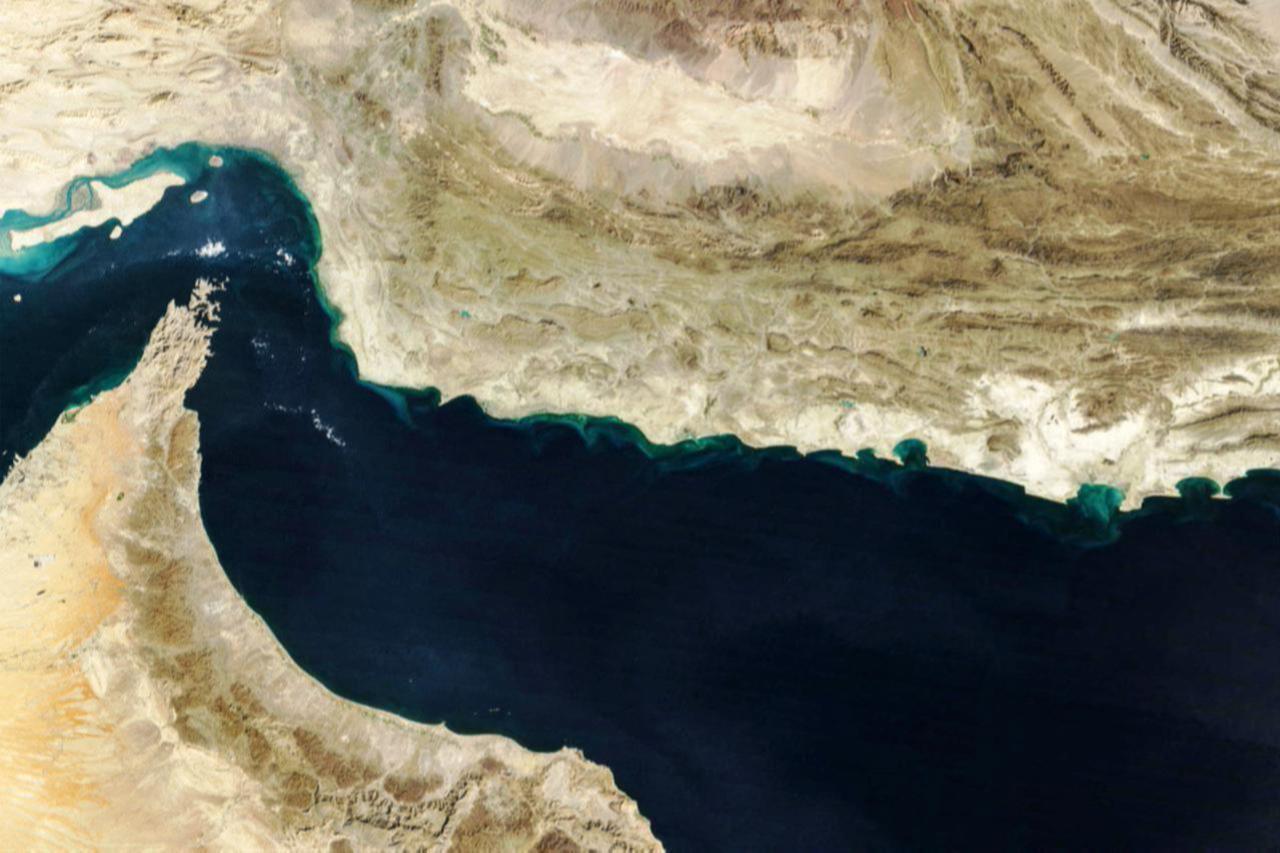


Iran has offered to help Japanese vessels navigate the Strait of Hormuz, the critical chokepoint for global energy supplies that Tehran effectively shut down in retaliation for US-Israeli military strikes, Iranian Foreign Minister Abbas Araghchi said in an interview published Saturday.
The offer, made through Japanese news agency Kyodo News, signals a potential lifeline for Tokyo as it grapples with severe disruptions to its oil supply chain, with the world's fourth-largest economy overwhelmingly dependent on Middle Eastern crude that transits the narrow waterway.
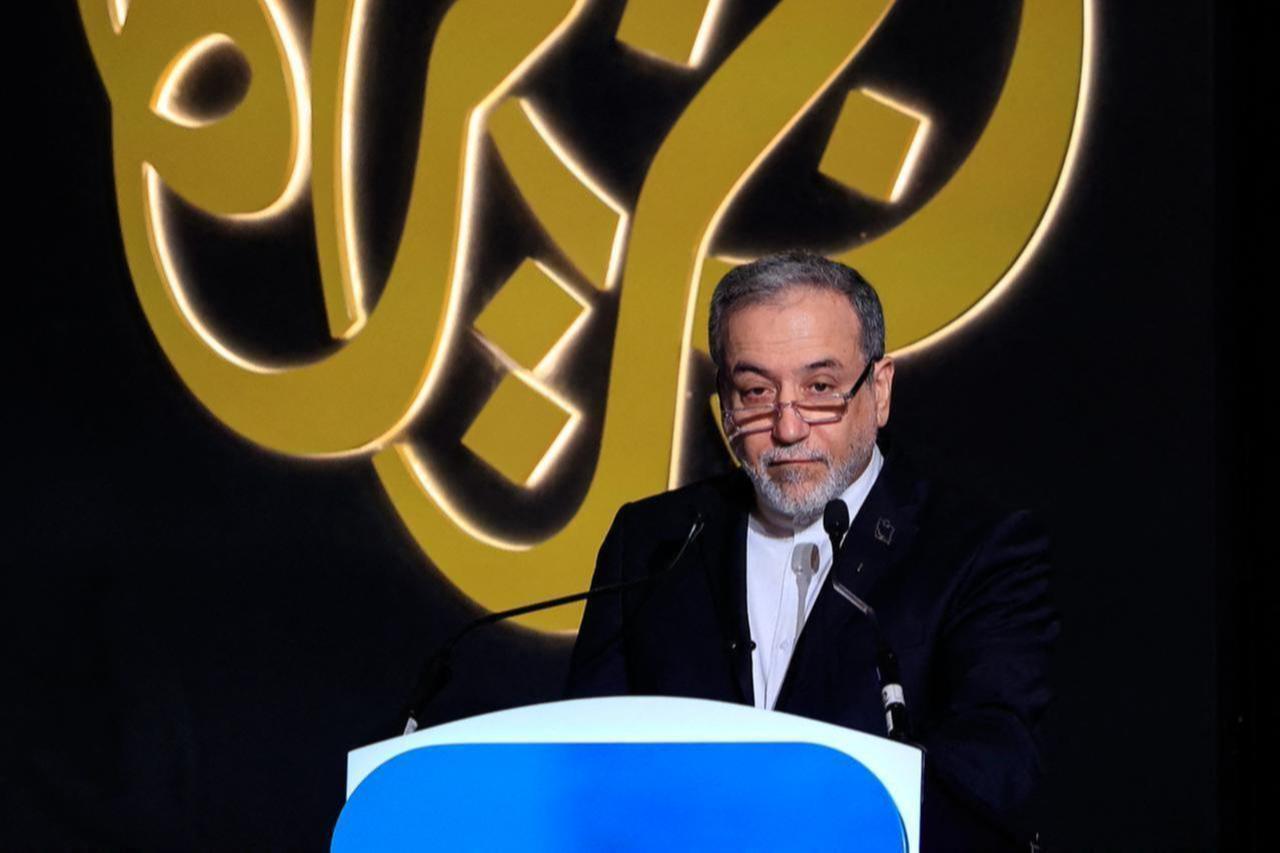

In a telephone interview on Friday, Araghchi pushed back against characterizations that Iran had sealed off the strait entirely, framing the restrictions instead as targeted measures against hostile nations.
"We have not closed this strait. From our perspective, the strait is open," Araghchi said, according to a Farsi transcript posted on his Telegram channel. "It is only closed to ships belonging to our enemies, countries that attack us. For other countries, vessels can pass through the strait."
Araghchi indicated that Japan would need to coordinate directly with Tehran to arrange safe passage. "They only need to contact us so we can discuss how this transit can take place," he added.
The distinction Araghchi drew between "enemy" nations and others suggests Iran is attempting to use control of the strait as both a military lever against its adversaries and a diplomatic tool to cultivate relationships with energy-dependent nations caught in the crossfire.
 1 min read
Few countries stand to lose as much from a prolonged closure as Japan. The country is the world's fifth-largest oil importer, with 95 percent of its crude sourced from the Middle East and 70 percent of that supply passing through the Strait of Hormuz.
Tokyo moved earlier this week to begin releasing its strategic oil reserves, which are among the world's largest, equivalent to 254 days of domestic consumption.
The Strait of Hormuz, a narrow passage between Iran and Oman at the mouth of the Persian Gulf, has long been considered one of the most strategically sensitive transit points in global energy infrastructure. Roughly one-fifth of the world's daily oil consumption has historically flowed through the waterway, making any disruption a matter of immediate concern for markets worldwide.


 Set as preferred source
 Set as preferred source



 1 min read