Newsletters


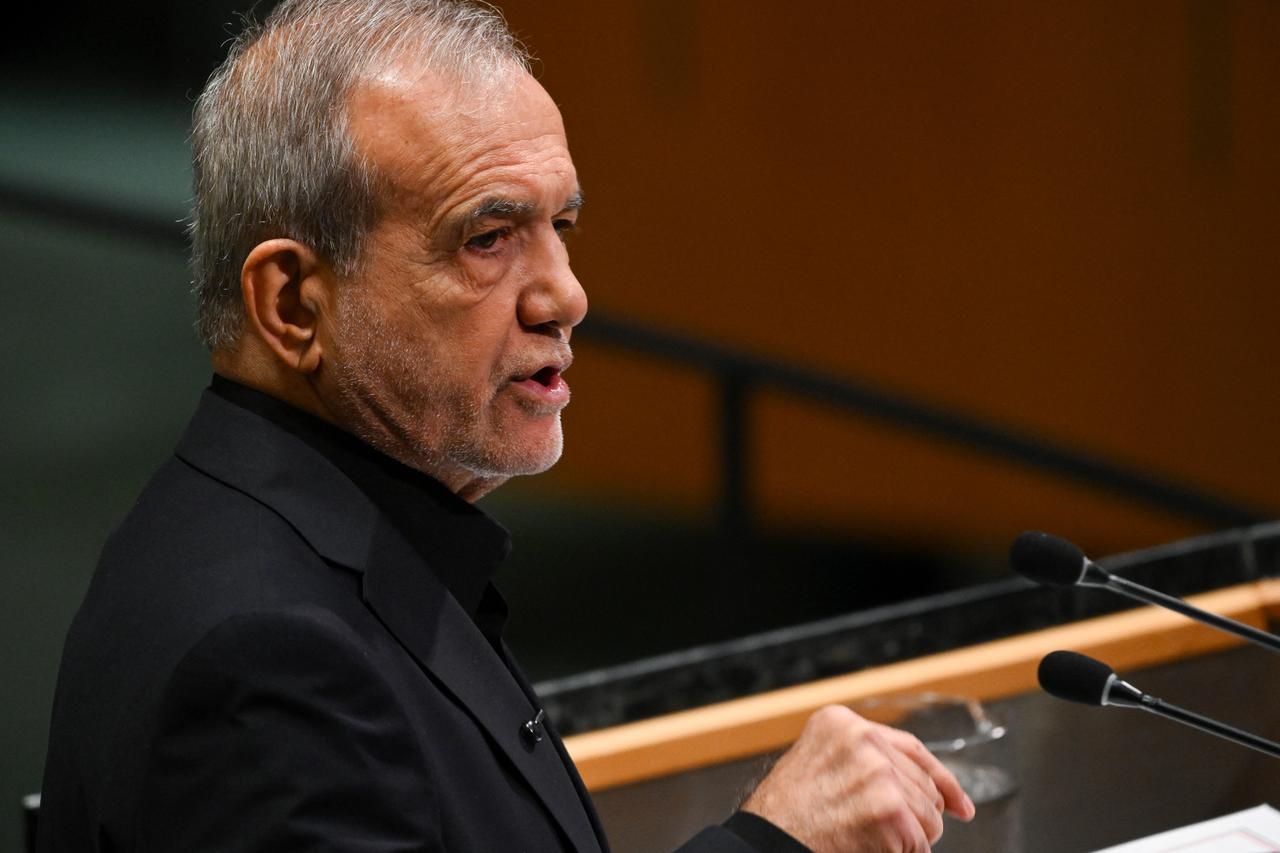


Iranian President Masoud Pezeshkian said Tehran would allow U.N. nuclear inspectors into Iran under new negotiations with the United States, in an interview with CBS News' "Face the Nation."
But he said meeting U.S. President Donald Trump would be difficult amid an "atmosphere of distrust," while pledging that Iran would "abide by whatever we commit to" if Washington accepts its plan to reopen the Strait of Hormuz.
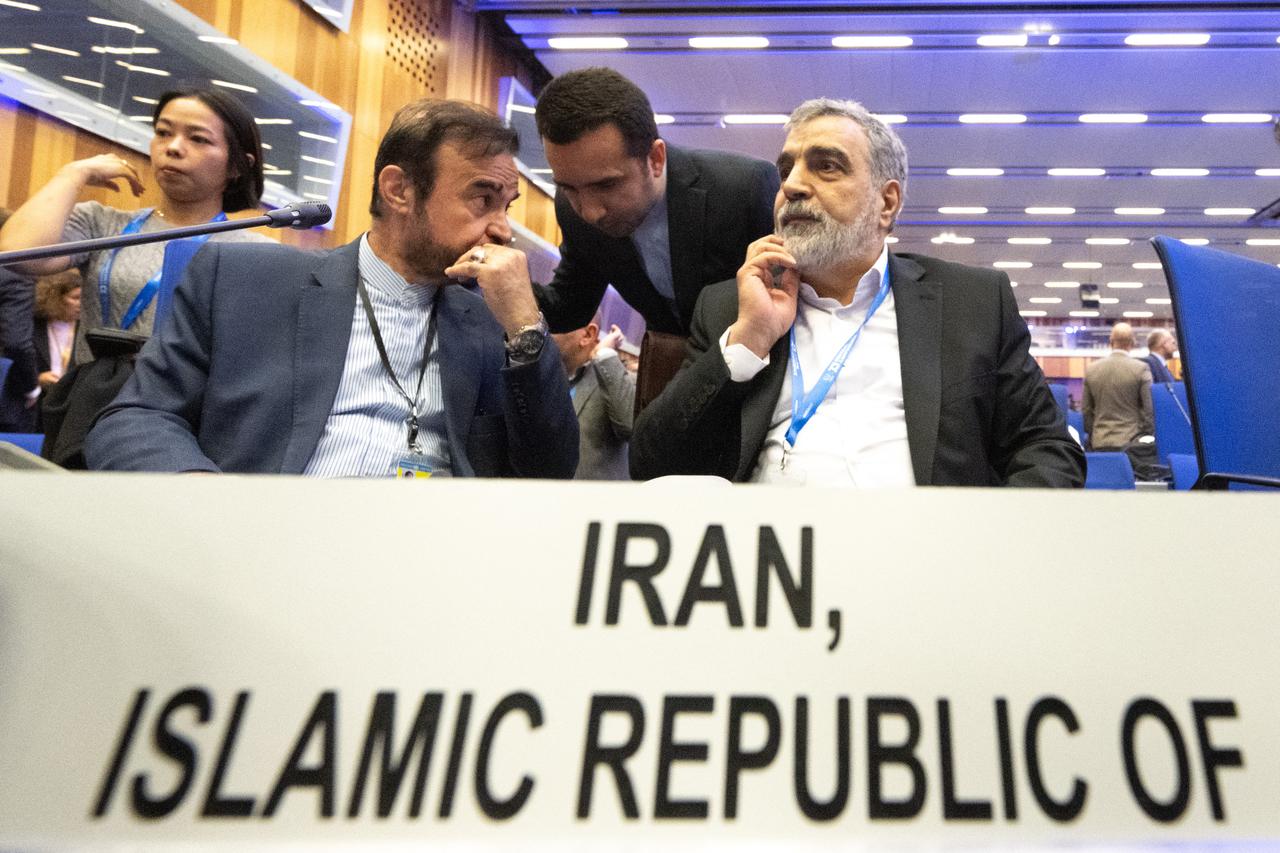
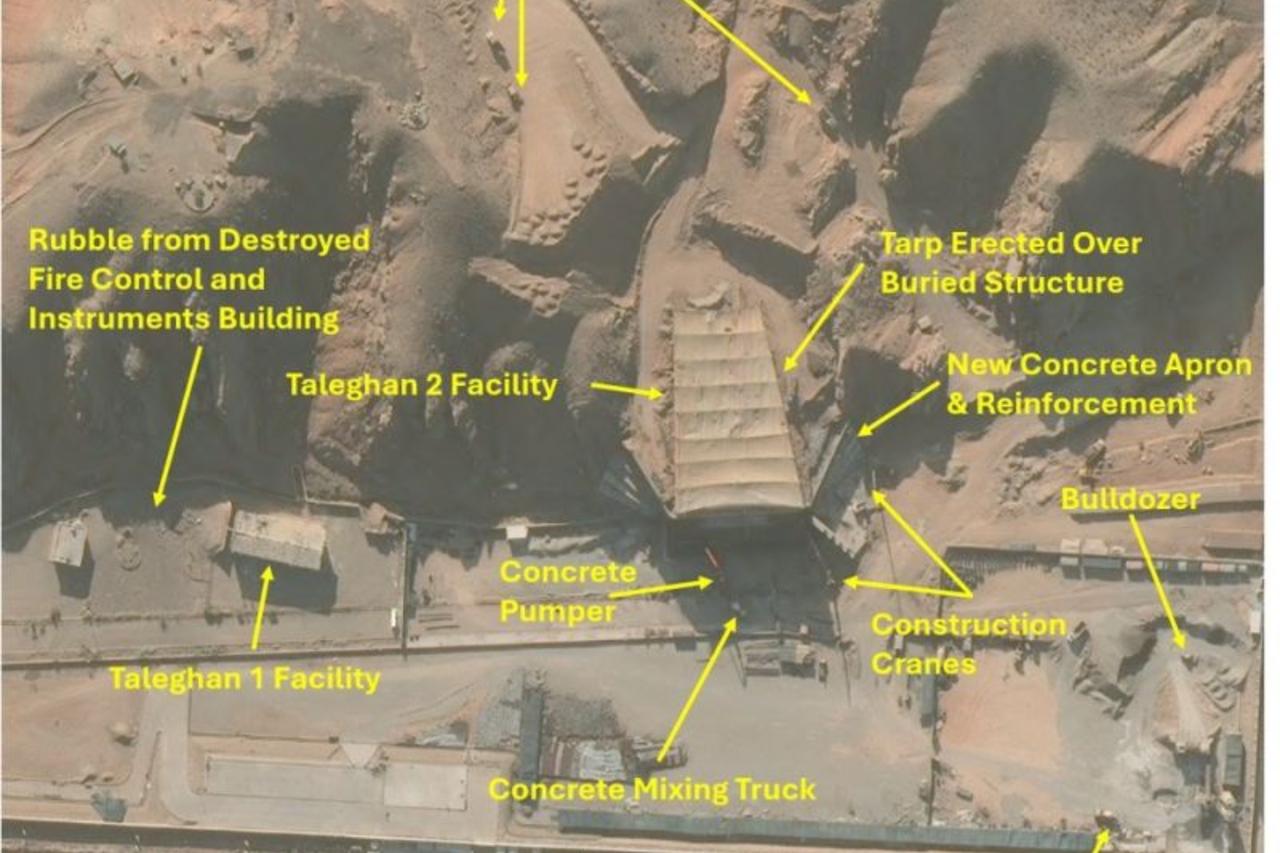
The International Atomic Energy Agency (IAEA) has said it was not given full access in Iran and could not guarantee the peaceful nature of its program, as the agency estimates that Iran holds 440 kilograms of 60% enriched uranium.
Trump has said Iran must stop enriching uranium altogether.
Asked twice whether Iran would allow weapons inspectors in now, Pezeshkian replied both times: "That is absolutely correct."
He then set conditions by stating, "Now, if they wish to come in and have inspections, we can reach accords and agreements vis-à-vis that specific topic within the negotiations. Not for them now to come and inspect those existing frameworks again."
Pezeshkian said Iran had not deviated from inspections before its nuclear sites were attacked.
"According to those very international laws, when there are nuclear centers under the inspections and auspices of the IAEA within the NPT framework, no country has the legal right to attack those nuclear centers and sites. But America and Israel carried out the act of attacking them," he said.
He said Iran was open to limits on its program, noting, "Within the framework of the NPT and the other existing frameworks, all of these issues are matters that can be agreed upon."
The Iranian president said access for U.N. nuclear inspectors would be settled within negotiations that can begin once Washington accepts Iran's plan.
"We're not seeking war. War was imposed on us," he said.
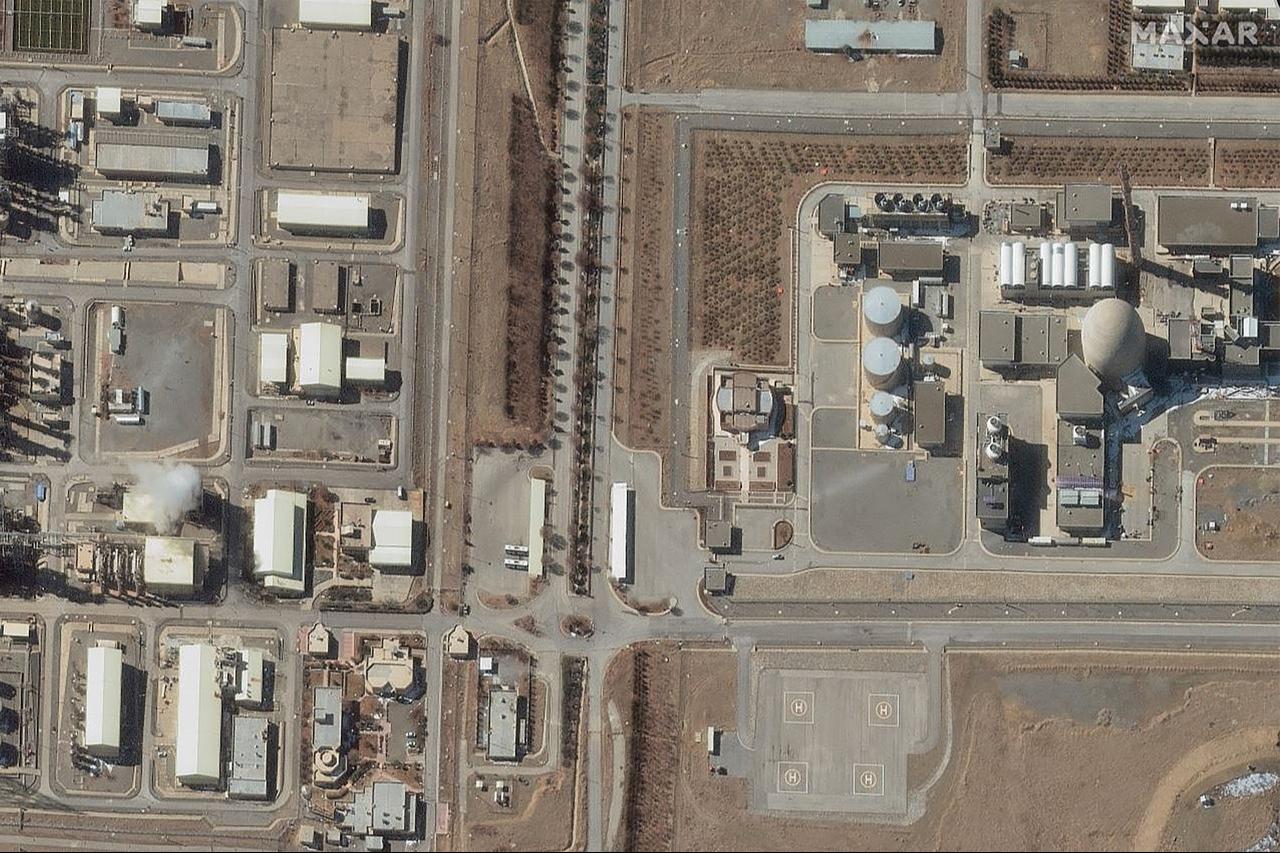

Pezeshkian said Iran is not seeking a nuclear bomb.
"Developing nuclear weapons is haram. From a standpoint of belief, not from a legal perspective. Even if some individuals in Iran may have the incentive to develop nuclear weapons, religiously speaking, they are not allowed to pursue that path," he said.
"America's intention is not to resolve the issue. America's intention is to overthrow our administration," Pezeshkian said.
Iran has enriched uranium to near weapons-grade levels in recent years and has refused to give up enrichment, while denying any interest in a nuclear weapon.
 1 min read
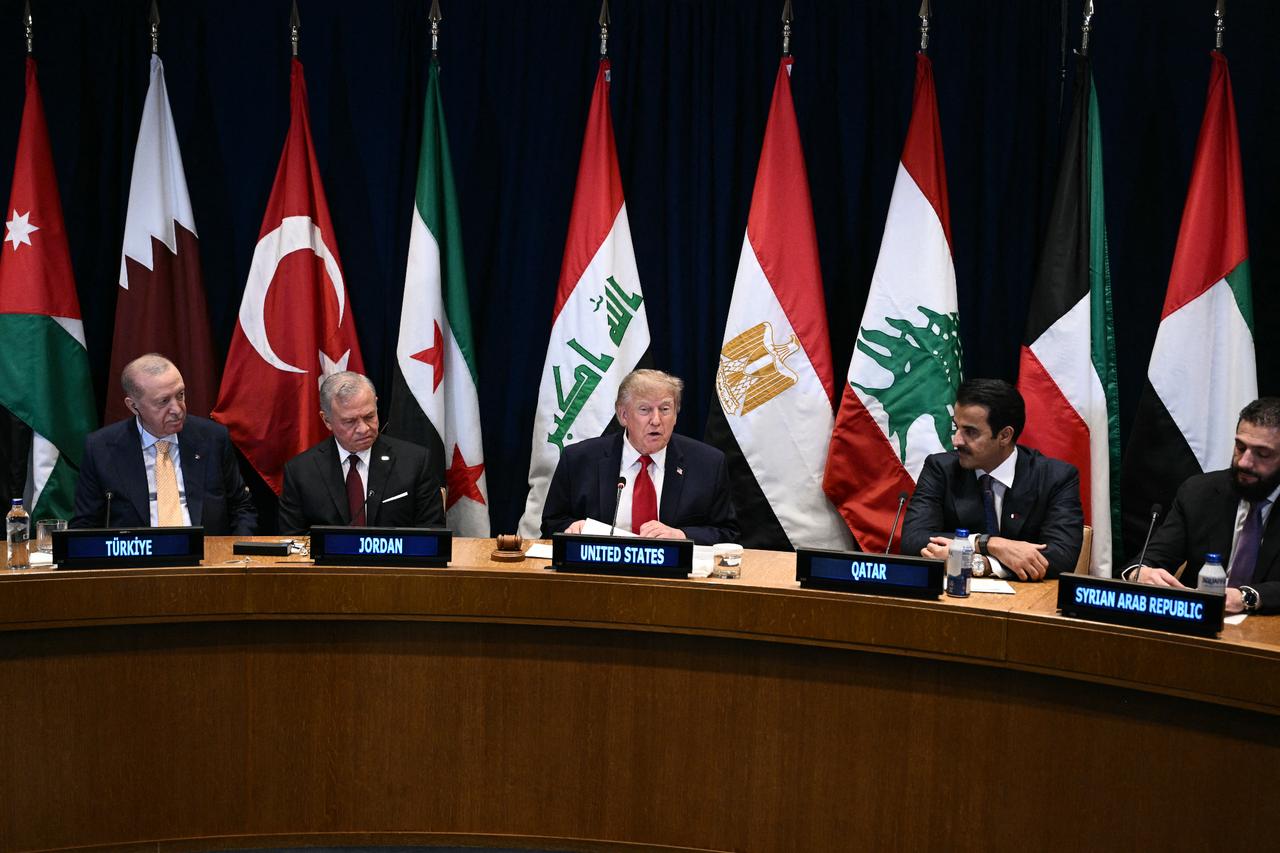
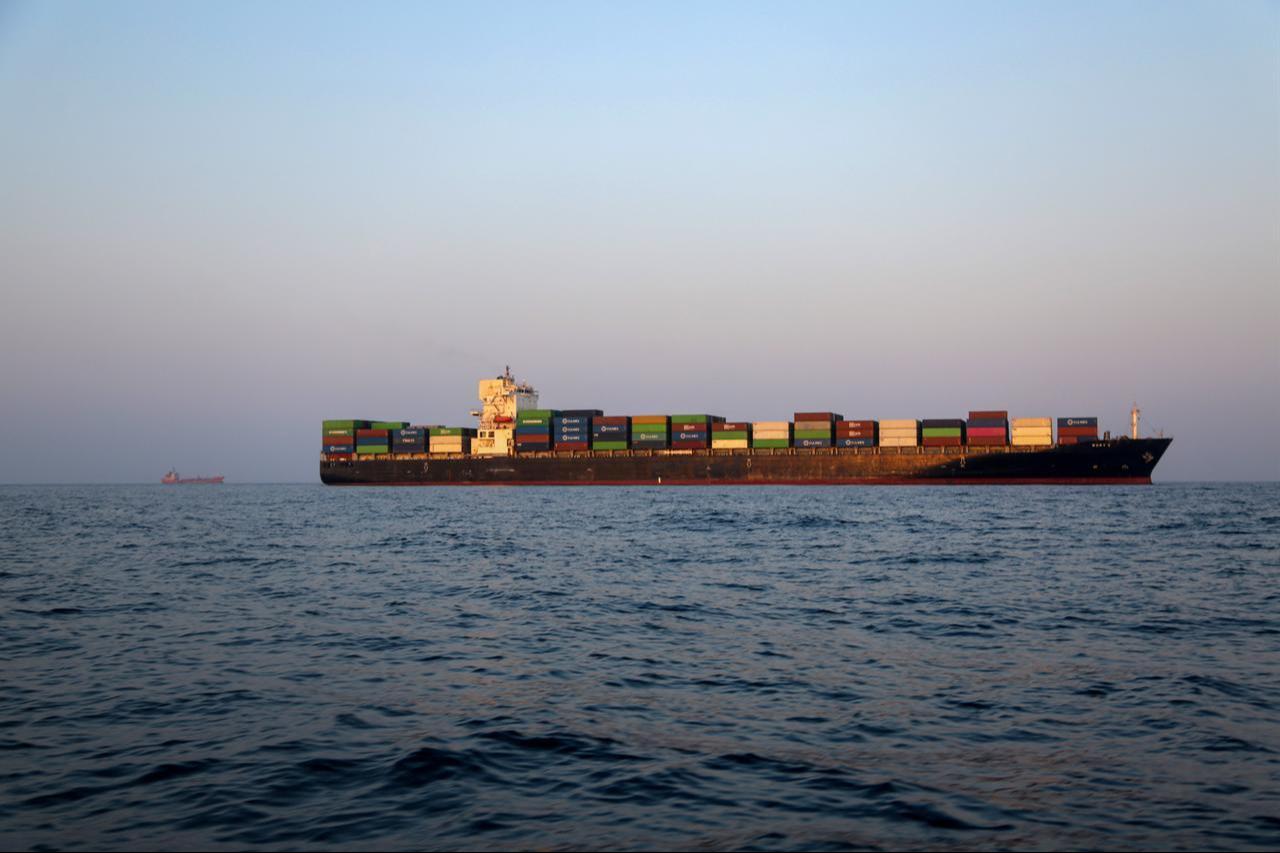
Iranian Foreign Minister Abbas Araghchi presented a proposal this week to reopen the Strait of Hormuz after seven days and restart talks with the U.S.
A separate Wall Street Journal (WSJ) report said Trump rejected the proposal.
"If this message reaches the President of the United States, or the interviewers and those involved in the discussions, naturally the process will begin from the very day they accept it," Pezeshkian said.
He said the plan breaks the terms of the June Memorandum of Understanding (MoU) he and Trump signed into stages.
"If the United States agrees to proceed in that way, everything will return to the way it was before. Because right now, it's the United States that has blocked our way, and naturally, Iran has also blocked the way from its side," he said.
Asked whether he could guarantee Iran's military would comply, Pezeshkian said: "Obviously, we will abide by whatever we commit to."
He blamed the collapse of the deal in July on a dispute over shipping routes. "The routes that we had agreed upon were supposed to be determined between Iran and Oman, with their coordination, for passage and transit. Basically, if a ship was going to pass outside of those routes, it was supposed to coordinate with them. They didn't, and unfortunately, it led to a confrontation," he said.
"If they operate according to that framework, I think all of us will abide by it," the Iranian president said.
The U.S. has insisted Iran should not control waterways entering the strait, including those passing Omani territory, or charge tolls.
Asked whether he would meet Trump, who had expressed openness to talks in New York, Pezeshkian listed times the U.S. attacked Iran during negotiations.
"As long as they don't cease doing what they're imposing on us every day, it's difficult to trust them. Every day, they increase the sanctions against us. Every day, they threaten us. Every day, they strike us. And they don't honor what they have put in writing. So if they engage in talks, will they actually follow through?" he said.
"The United States needs to show that it does not intend to overthrow our government or our administration," Pezeshkian said.
Trump said in his U.N. speech this week that he has a "big decision to make" on whether to cut a deal with Iran or "annihilate" the country, and predicted no agreement before the midterms.
The Iranian president, a physician, said Supreme Leader Mojtaba Khamenei, who has not been seen in public since the U.S.-Israeli strike that killed his father, Ali Khamenei, has recovered.
"From a medical standpoint, he's completely healthy. Hear this from me as a physician, and accept it. He has no issues," Pezeshkian said, adding that they had met twice, once for more than seven hours. He said Khamenei's injured face and legs had healed.
He said a six-member team drawn from security forces, parliament and government agencies coordinates decisions. He said he did not need permission to travel to the U.S.
"We have informed them that we are coming," he said.
Asked about sheltering during the strikes, Pezeshkian said: "It's not as if we were in a shelter. If we were in a shelter, nothing would have gotten done."


 Set as preferred source
 Set as preferred source


 1 min read