

 Newsletters




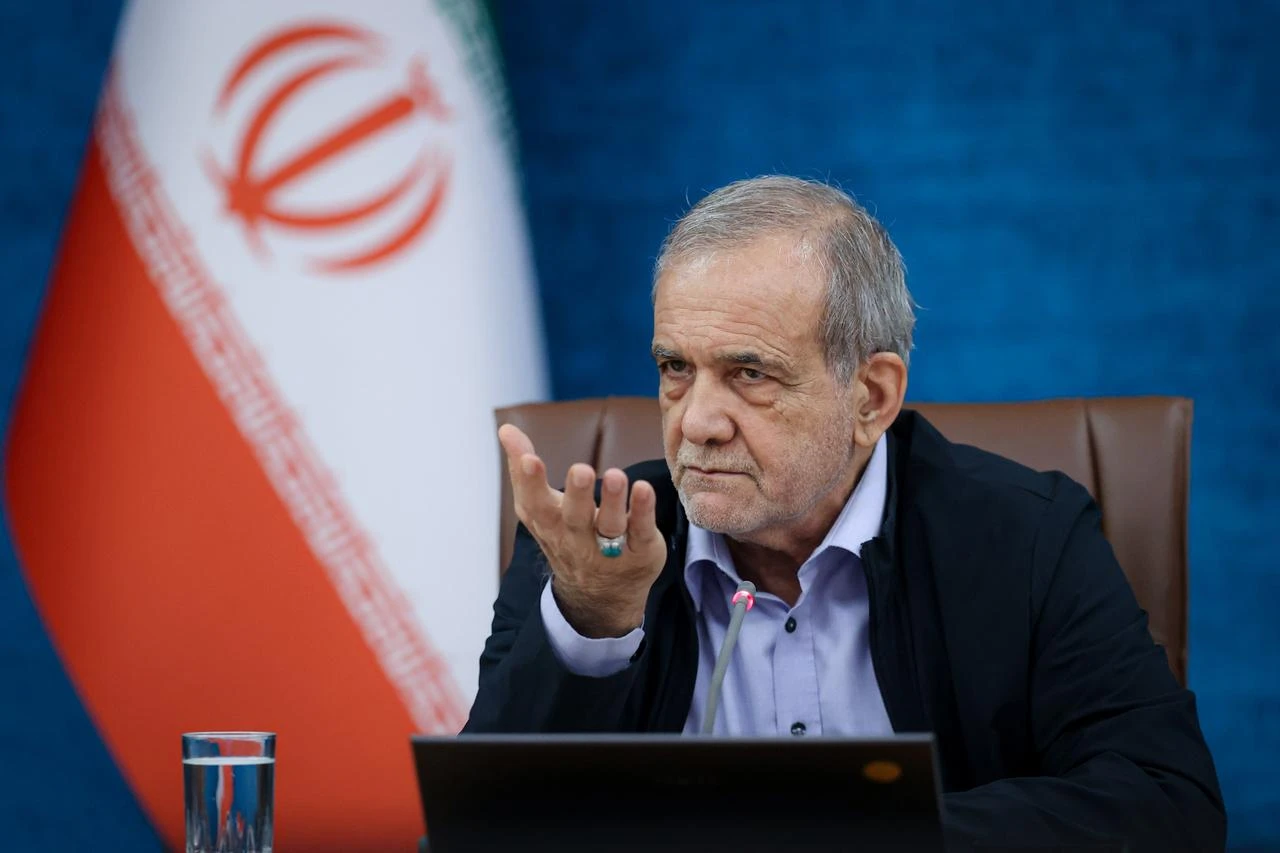
Iranian President Masoud Pezeshkian acknowledged Sunday that Iranians face “many problems” after the United States launched a new wave of sanctions aimed at further isolating the country’s economy.
“I understand we have many problems in society right now. We are trying to prevent these as much as we can,” Pezeshkian said in a speech broadcast on state television.
His comments came after the United States vowed last week to bring about the “collapse” of the Iranian regime through a newly announced sanctions campaign, nearly six months after the start of the war between the two countries.
Pezeshkian said that, because of U.S. President Donald Trump, Iran was now in “a full-scale economic, military and security war.”
“He says he is imposing the most crushing and terrifying sanctions on Iran,” Pezeshkian said.
The government is “ashamed” that there are economic problems, he added.

The Iranian government has faced several waves of mass protests in recent years, often triggered by economic hardship, including inflation, exchange rate swings and declining purchasing power.
At the end of December last year, a protest movement initially sparked by the rising cost of living turned into mass demonstrations denouncing those in power.
Authorities reported more than 3,000 deaths during the unrest, accusing the United States and Israel of orchestrating the violence.
Foreign-based nongovernmental organizations, however, said officials launched an indiscriminate crackdown that left thousands dead.
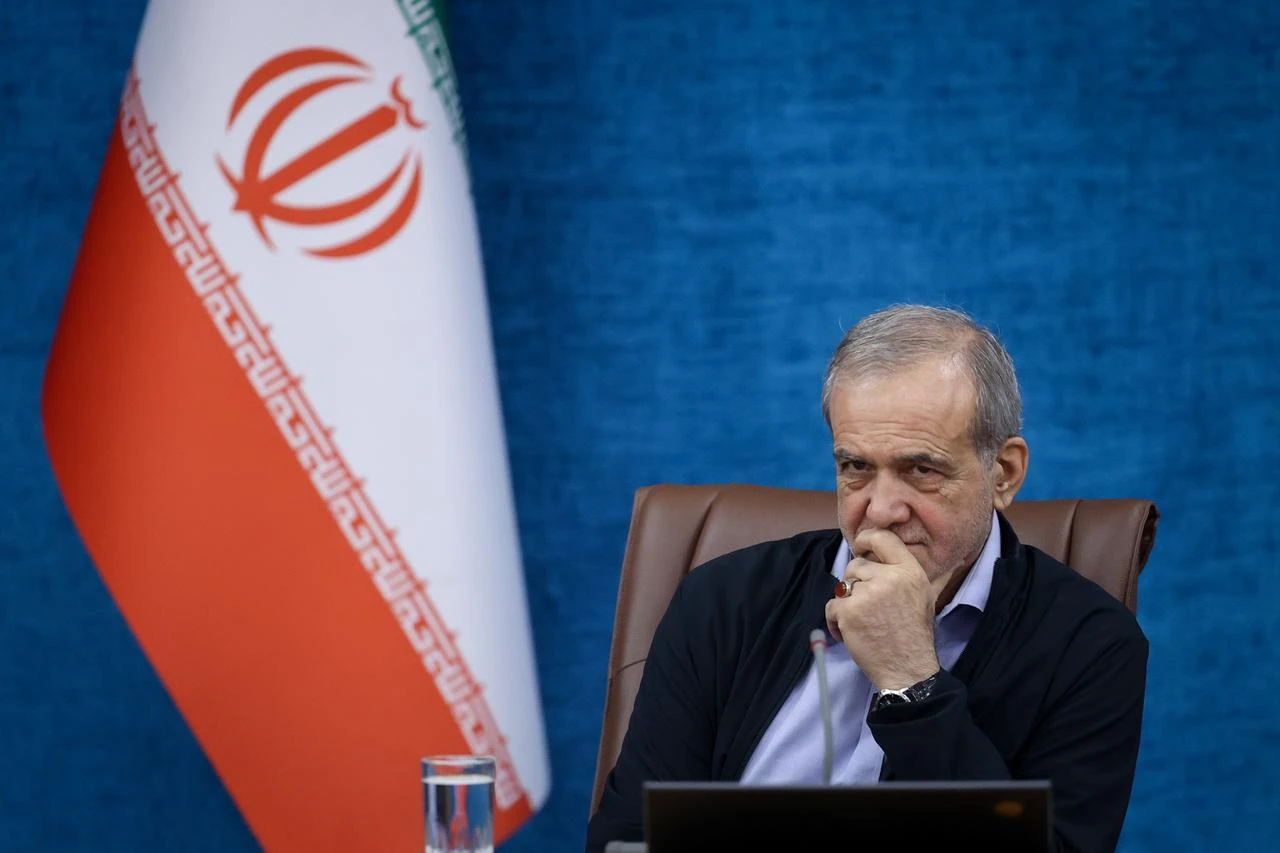
“We are striving with all our hearts to overcome inflation, livelihood problems, unemployment, and to secure the future of the people, so that they can live with dignity and pride,” Pezeshkian said.
He said Tehran was “standing firm” and working to serve the Iranian people amid what he described as an “unequal war.”
“The enemy had assessed that if Iran falls, it will become Venezuela,” Pezeshkian said. “Not only did it not happen, but it became a power that amazed the world with its resistance, solidarity and cohesion.”
He said Tehran was working “with all our might to avoid division, conflicts and egos.”
Iran and the United States signed a memorandum of understanding in June through Pakistani and Qatari mediation, ending hostilities that began in February and agreeing to pursue negotiations toward a final agreement.
Talks have since stalled amid disputes over implementation of the memorandum and arrangements for navigation through the Strait of Hormuz, a critical route for global oil and gas exports.


 Set as preferred source
 Set as preferred source


 1 min read
 1 min read



