Newsletters


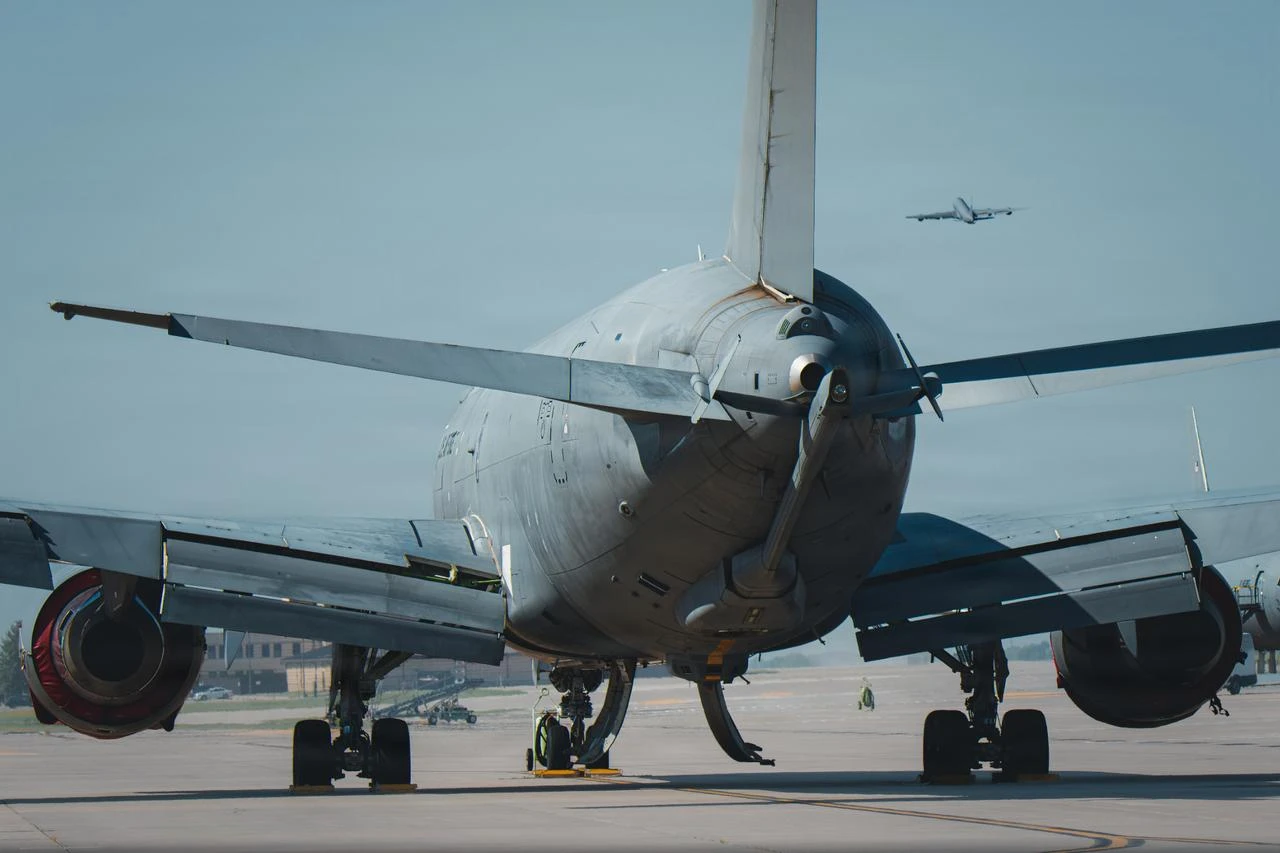


Iranian Foreign Minister Abbas Araghchi protested Bulgaria's decision to allow U.S. military aircraft to use its territory in support of operations against Iran, while separately pressing Greek Cyprus Administration (GCA) over the potential use of foreign bases on the island against Tehran, according to Iran's Foreign Ministry.
Araghchi raised the issue during a phone call with Bulgarian Foreign Minister Velislava Petrova, briefing her on regional developments, what he described as continued U.S. "aggression," and Washington's role in escalating tensions in West Asia.
"The Bulgarian government's approval of a US request to deploy military aircraft at Bezmer Air Base in support of military operations is, in our view, condemnable, unacceptable and inconsistent with the traditionally friendly relations between the two countries," Araghchi said, urging Sofia to "urgently reconsider" the decision.
Citing Article 3 of U.N. General Assembly Resolution 3314 on the Definition of Aggression, Araghchi said: "Allowing one state's territory to be used by another state to commit an act of aggression against a third state constitutes an act of aggression."
 1 min read
According to Iran's Foreign Ministry statement, Petrova told Araghchi that Bulgaria did not intend to become a party to the war against Iran and emphasized support for diplomacy and de-escalation, while recalling the countries' history of good relations.
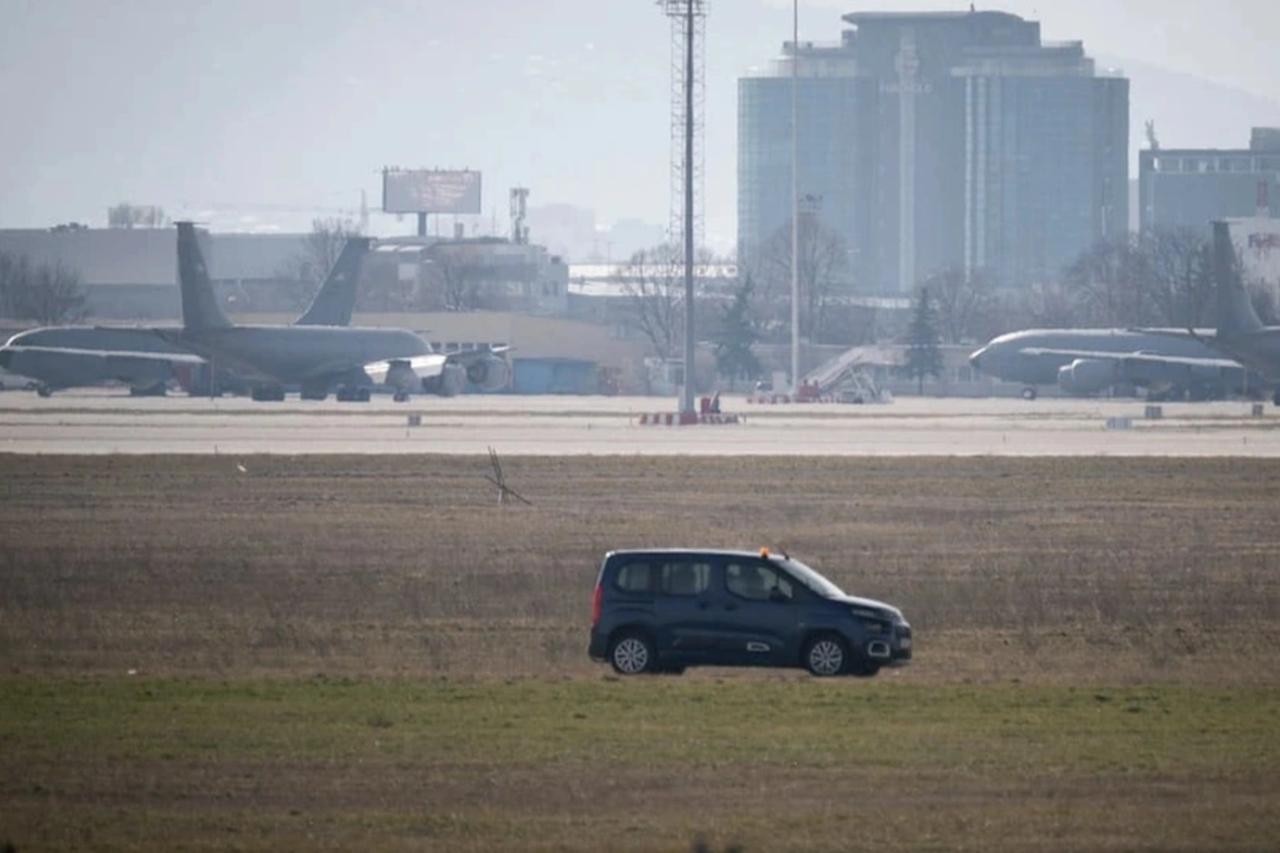
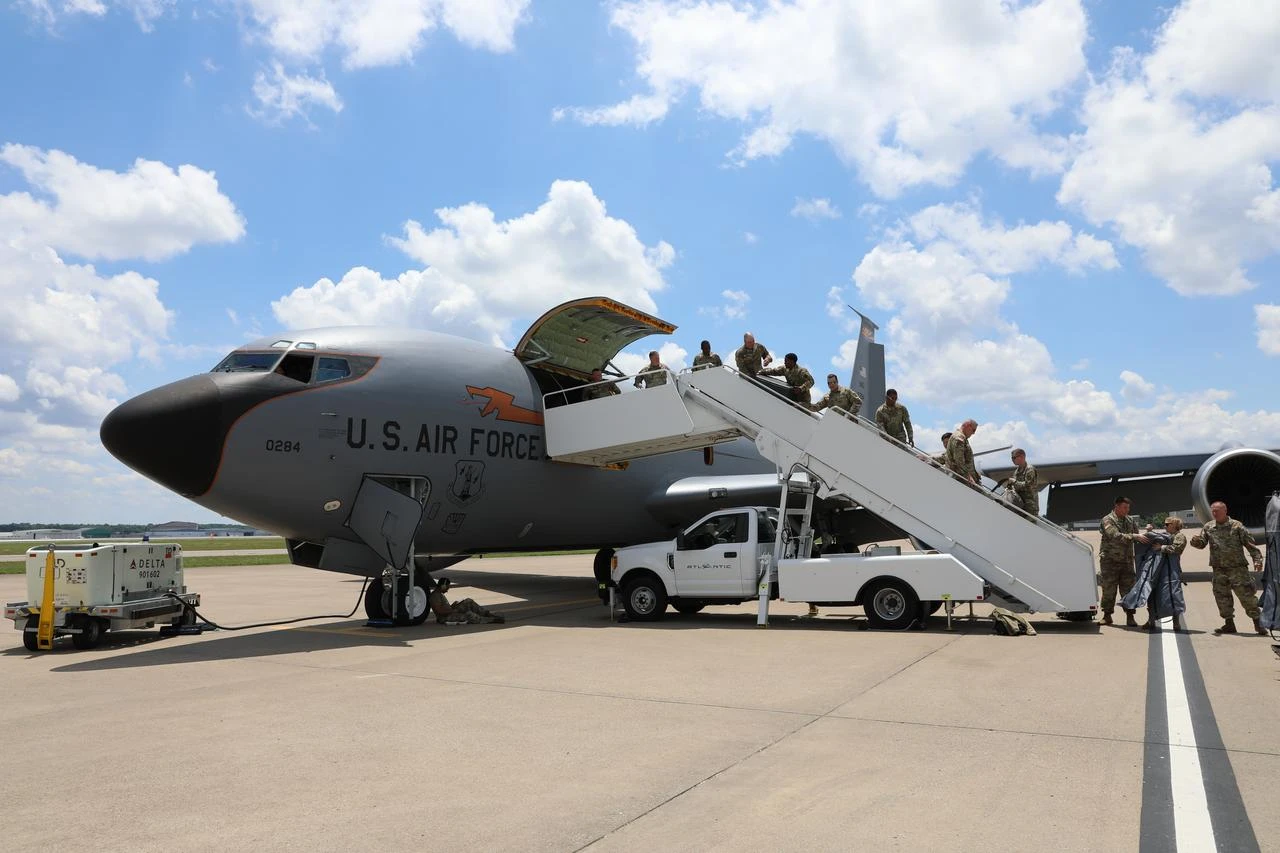
Bulgaria's parliament authorized the deployment of up to eight U.S. Air Force KC-135 aerial refueling aircraft and up to 250 U.S. military personnel at Bezmer Air Base from July 24 through Oct. 1 in support of U.S. operations in the Middle East.
Sofia has said no offensive weapons would be deployed and that the arrangement does not make Bulgaria a party to military operations, which Bulgaria had "played down" Iran's earlier warning over the decision.

Araghchi separately spoke by phone with Greek Cypriot Foreign Minister Constantinos Kombos, a call Iran's Foreign Ministry said was initiated by the Greek Cypriot side, during which he stressed the importance of preventing what he called "hostile forces" from using foreign military bases in Greek Cyprus against Iran.
Kombos reaffirmed Greek Cyprus's commitment to the U.N. Charter and international law, and said Greek Cyprus had received assurances from the United Kingdom that foreign bases in Greek Cyprus would not be used against any country, including Iran.
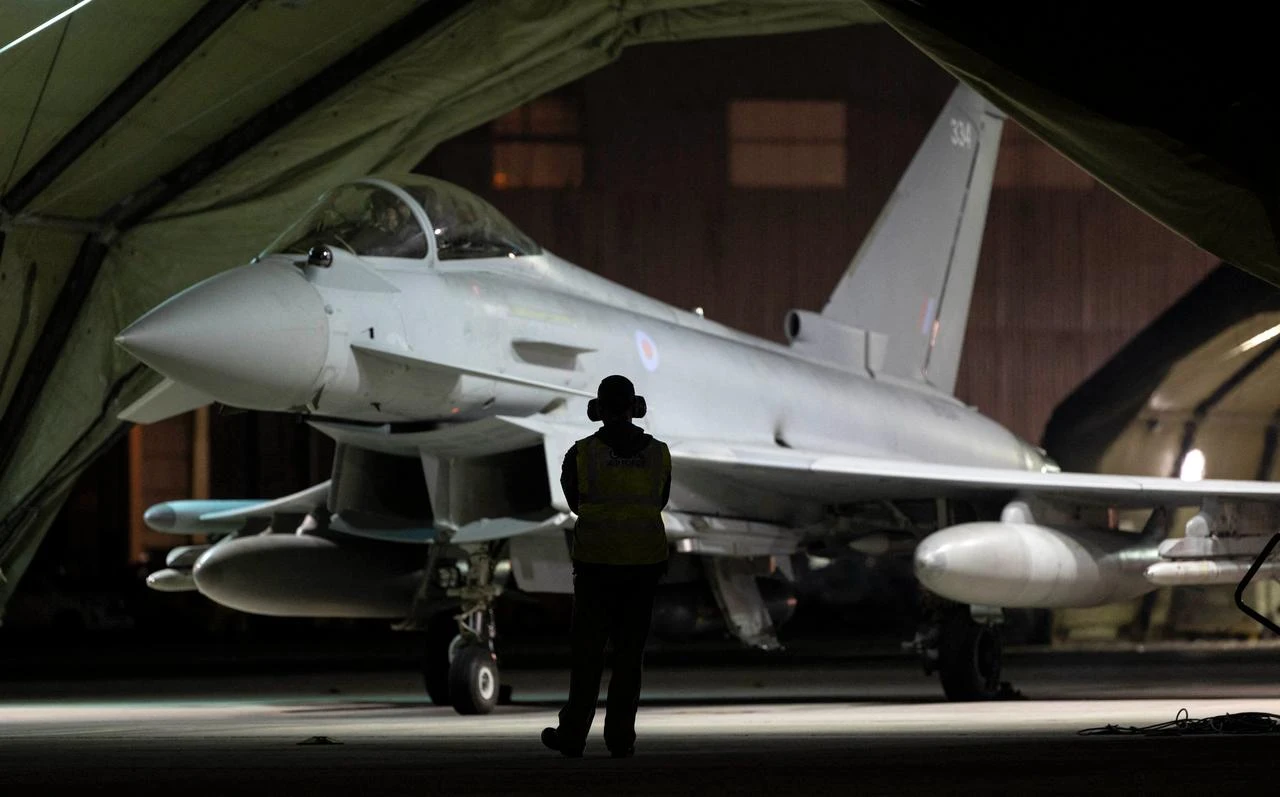
Greek Cyprus hosts two British sovereign military bases, including RAF Akrotiri, which was struck by a suspected Iranian drone in early March, a few days after the U.S. and Israel began their initial strikes on Iran.
Britain agreed early in the war to a U.S. request to use British bases for defensive strikes against Iranian missile depots or launchers, an arrangement maintained by British Prime Minister Andy Burnham in July, which had previously prompted Iran's Islamic Revolutionary Guard Corps (IRGC) to issue a warning to Britain over facilitating U.S. operations.
Iran has repeatedly warned countries that allow their territory to be used for U.S. military operations against it that they could "face consequences," reflecting a broader pattern of similar diplomatic protests Iran has directed at multiple countries hosting U.S. or allied military assets during the conflict.


 Set as preferred source
 Set as preferred source


 1 min read