

 Newsletters




This article was originally written for Türkiye Today’s bi-weekly Balkans newsletter, BalkanLine, in its July 24, 2026 issue. Please make sure you are subscribed to the newsletter by clicking here.
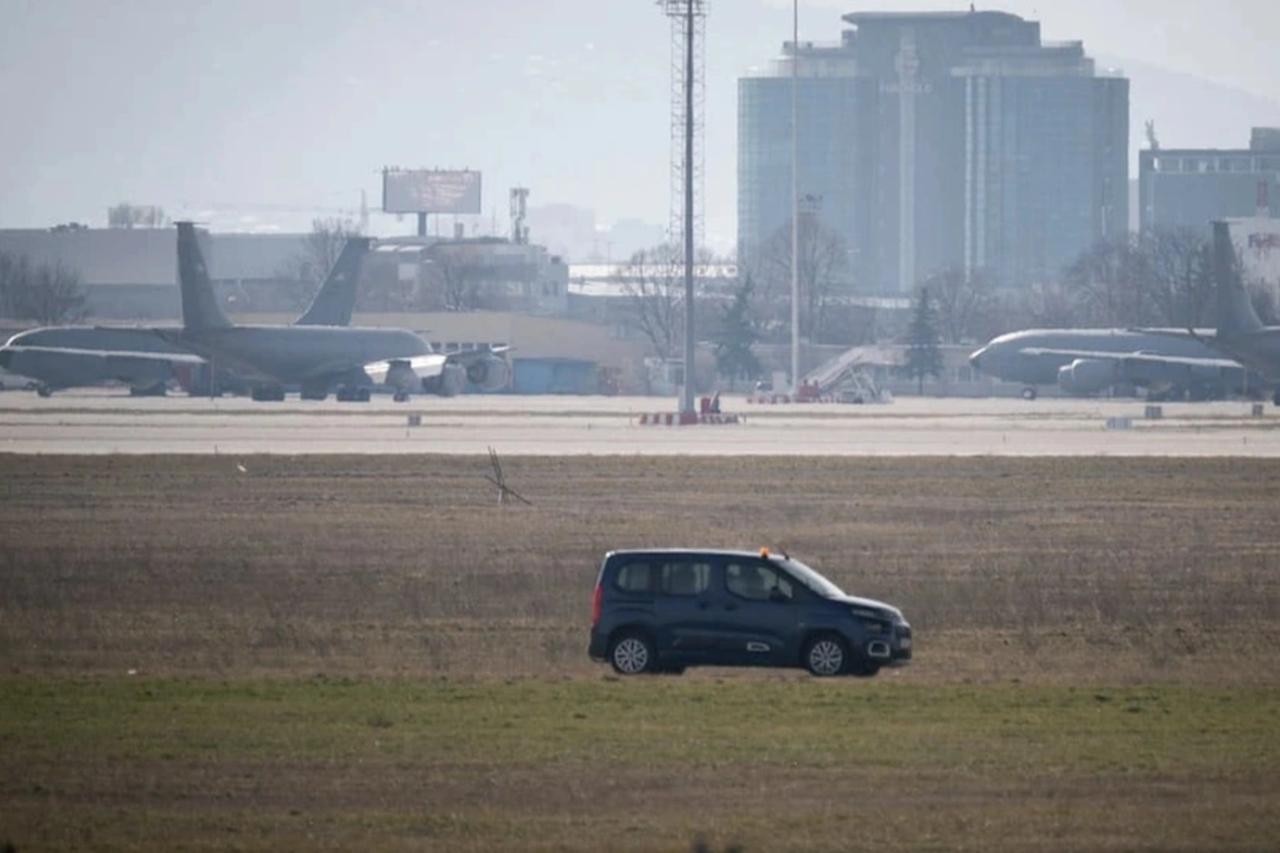
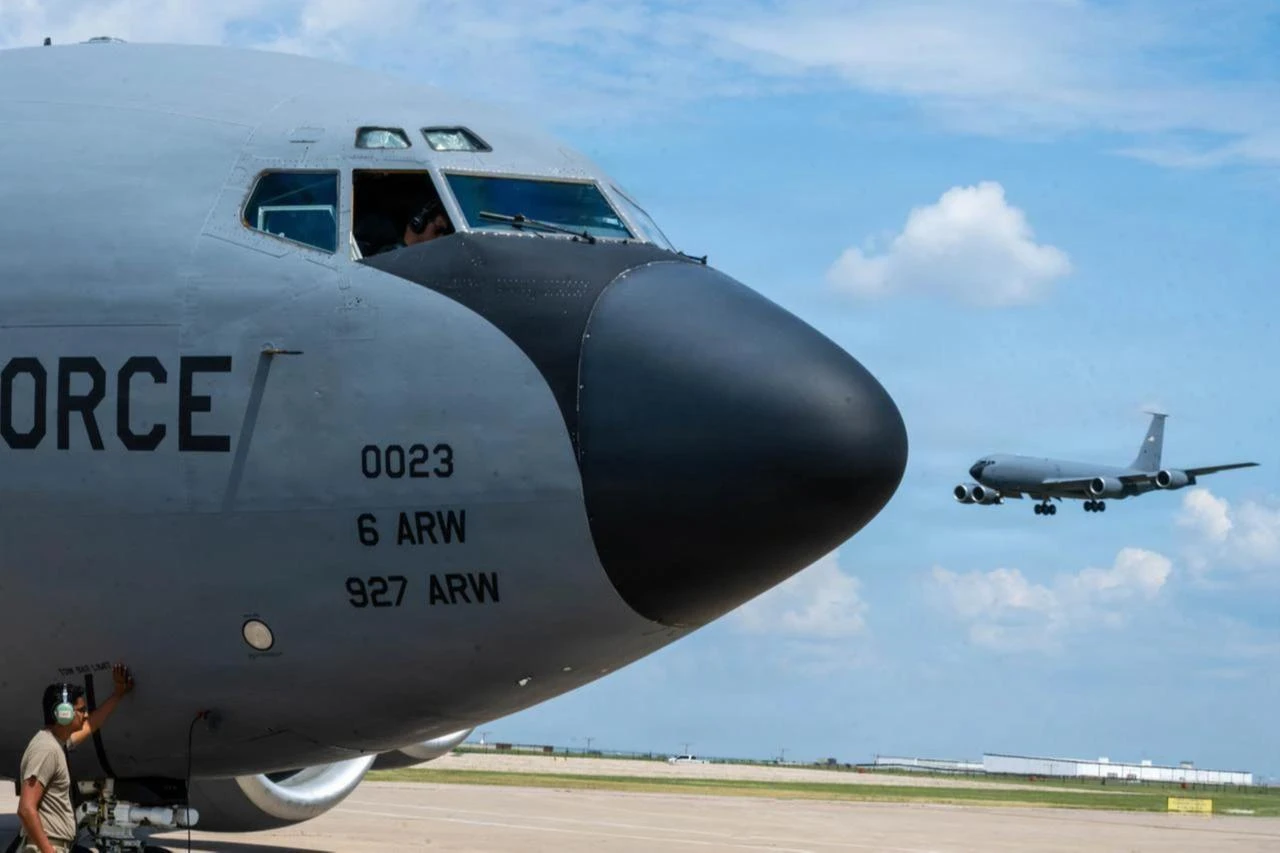
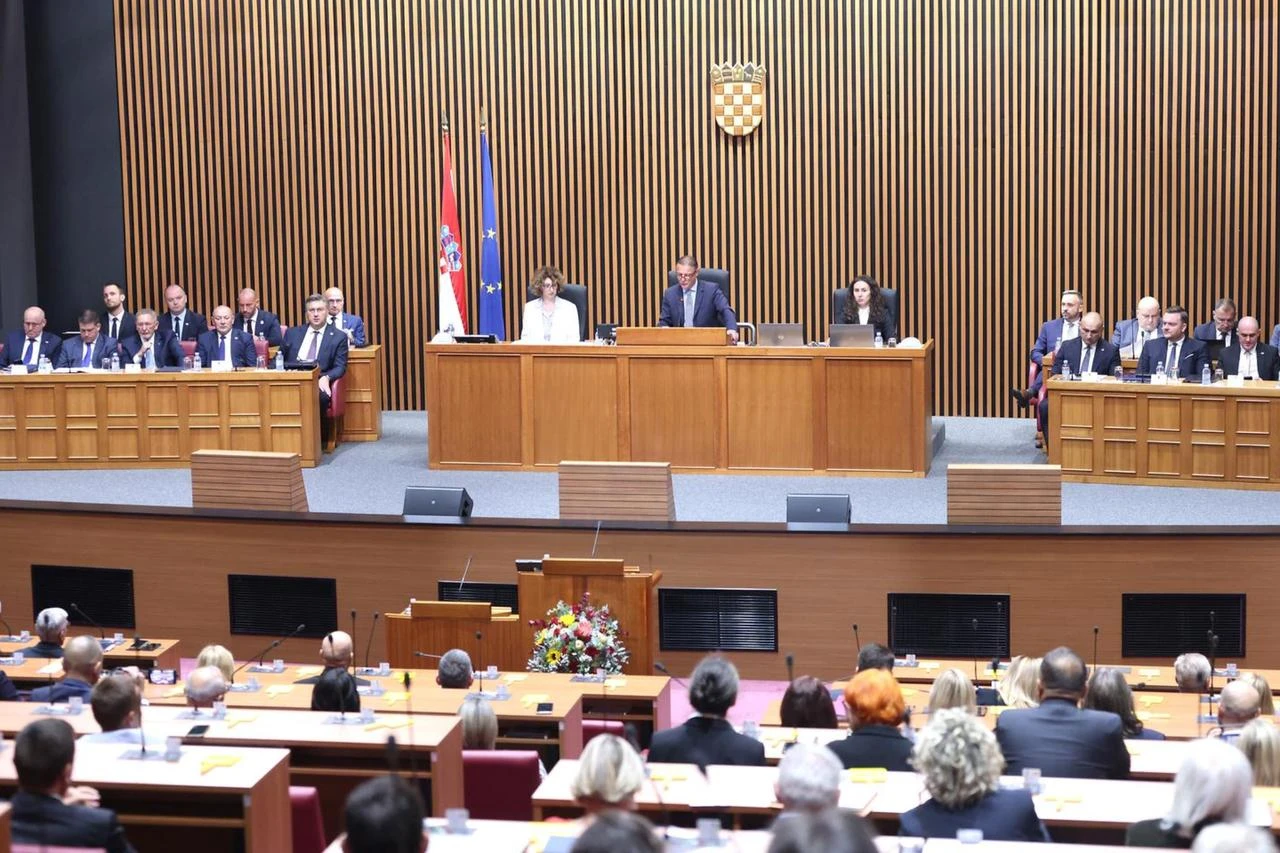
This week, Bulgaria’s parliament approved the temporary stationing of up to eight U.S. KC-135 tanker aircraft and 250 military personnel at Bezmer Air Base, despite a warning from Iran that the move would make Sofia complicit in “aggression and war crimes.”
The deployment, requested by Washington last Friday, was approved by 136 lawmakers, with 13 voting against and two abstaining. The aircraft will be stationed at Bezmer from July 24 to Oct. 1 and will support U.S. operations in the Middle East.
Bulgarian officials rejected Iran’s accusations and insisted that the deployment would not make the country a party to the war.
“No offensive weapons systems of any type will be deployed on the territory of Bulgaria,” Defense Minister Dimitar Stoyanov told lawmakers. “Their temporary presence does not make Bulgaria a party to the military actions.”
Prime Minister Rumen Radev also said it was “categorically out of the question” for military operations in the Middle East to be conducted from Bulgarian territory.
The deployment falls under a 2006 defense cooperation agreement between Bulgaria and the United States, which allows U.S. forces to use several Bulgarian military installations, including Bezmer.
Five mayors from towns near Bezmer, about 260 kilometers southeast of Sofia, raised objections to the plan over possible security risks. Stoyanov said Washington had promised to minimize the risks to Bulgaria’s national security.
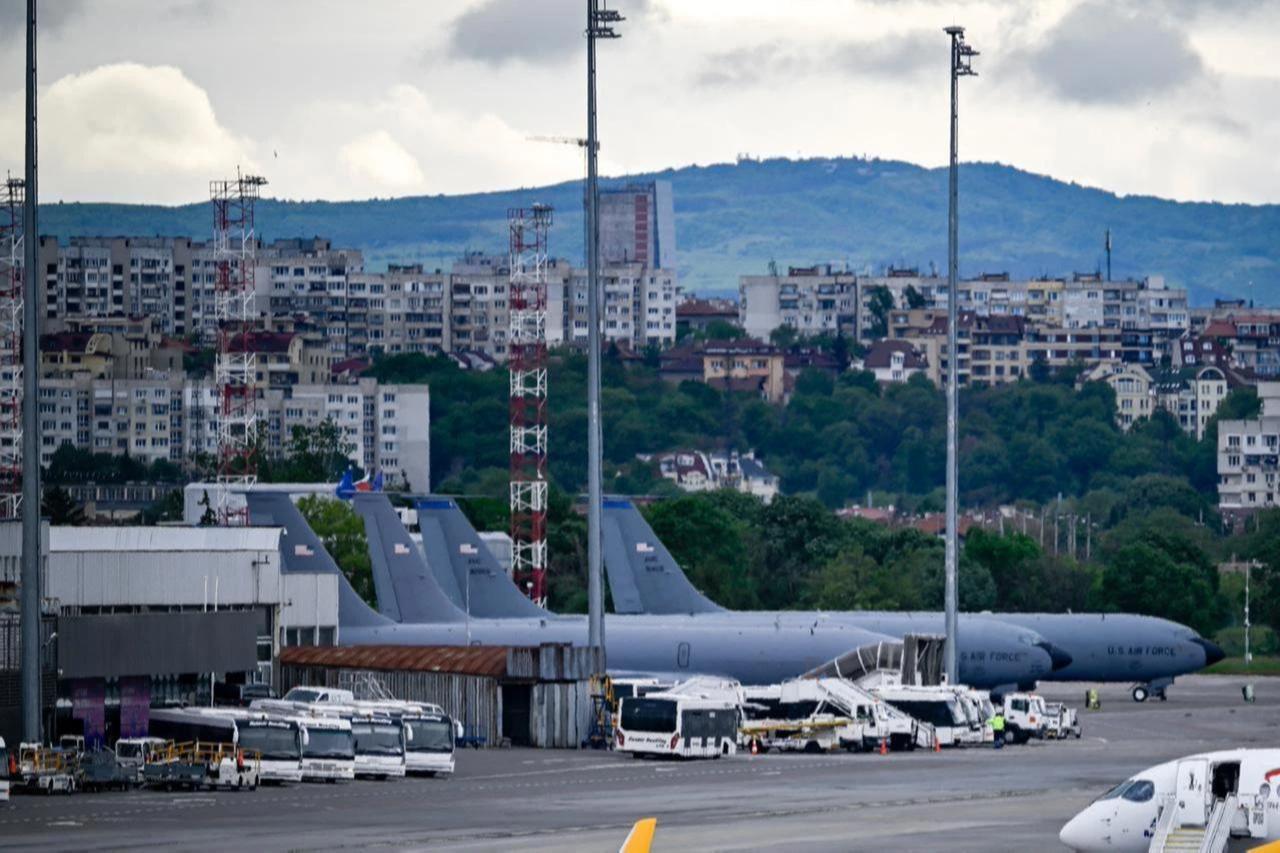
The decision fits Radev’s recent efforts to maneuver between Washington, Brussels and Moscow. His government opposed a new European Union sanctions package against Russia before ultimately deciding not to veto it. Radev also criticized the presence of U.S. military aircraft at Sofia’s main Vasil Levski Airport in May after failing to secure a positive response from U.S. President Donald Trump on visa-free travel for Bulgarian citizens.

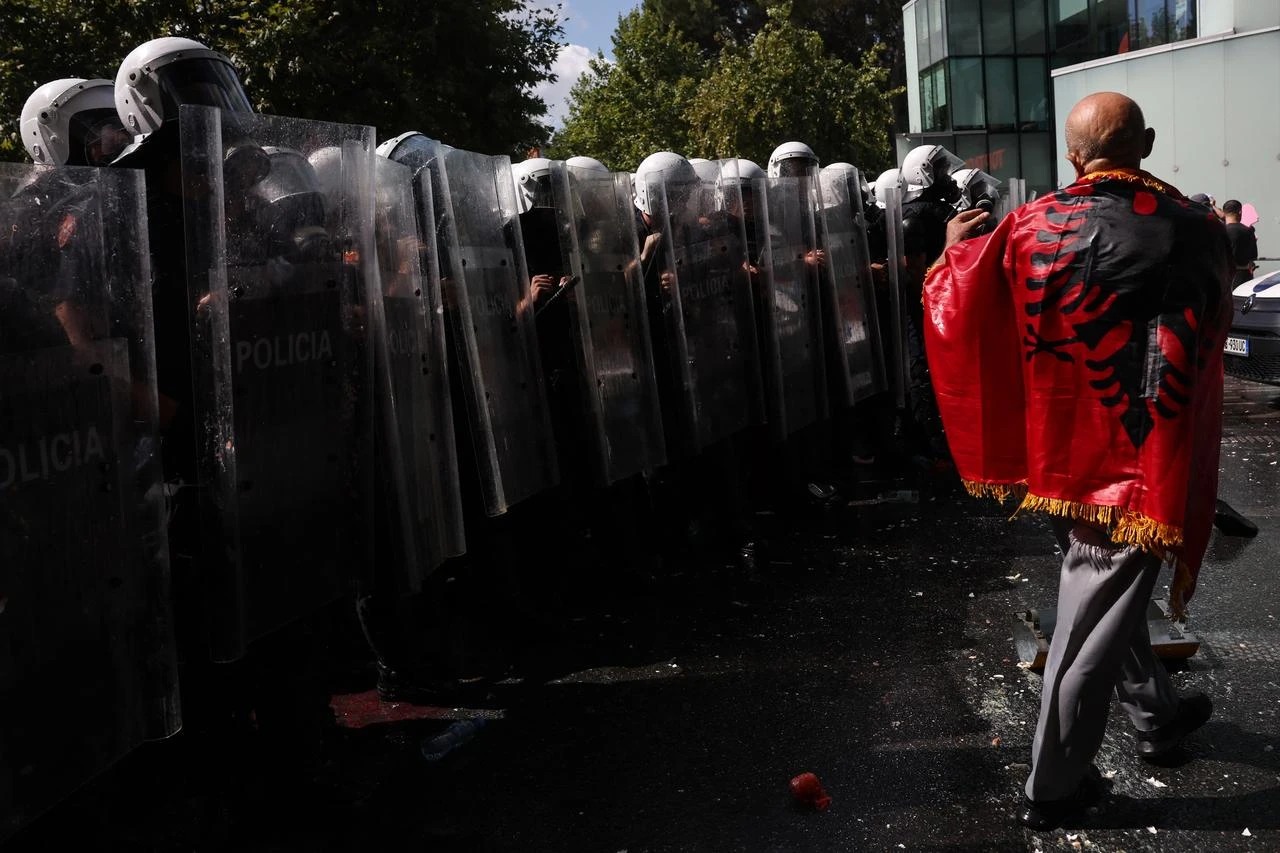
Police used tear gas and water cannons against protesters outside parliament Thursday as demonstrations over a luxury tourism project linked to the Trump family entered another tense week.
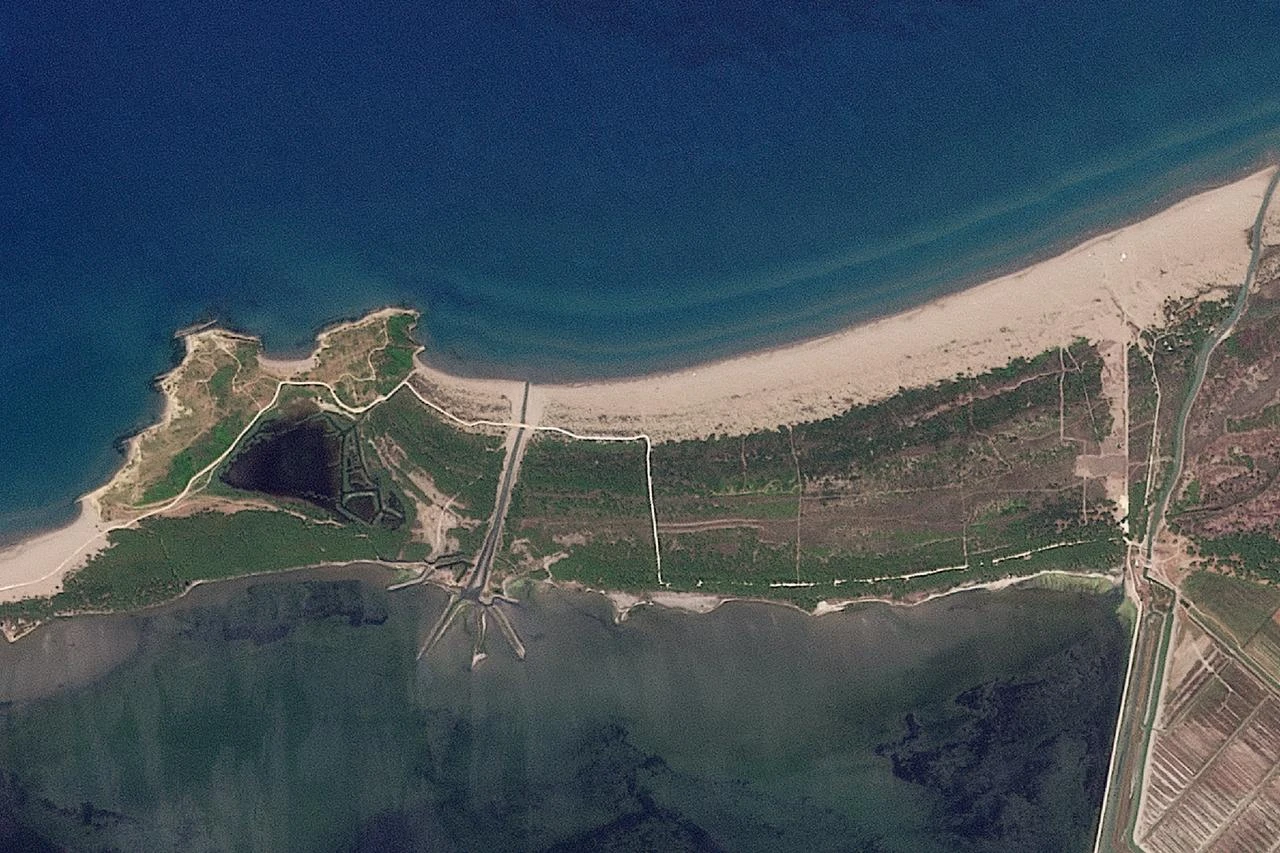
Since late May, protesters have gathered almost daily against plans to build a large hotel complex in a protected coastal nature reserve. The project is linked to Trump’s daughter Ivanka Trump and her husband, Jared Kushner.
Scientists and activists say preliminary work on the project has already caused irreparable damage to a once-pristine stretch of Albania’s coastline and destroyed nesting sites used by birds and loggerhead turtles, which are threatened with extinction.
The latest clashes came shortly after Prime Minister Edi Rama appeared alongside European Commissioner for Enlargement Marta Kos in Brussels and promised to amend Albania’s disputed Law on Protected Areas to bring it into line with EU standards.
Protesters welcomed the announcement as a “moral victory,” but the demonstrations continued.
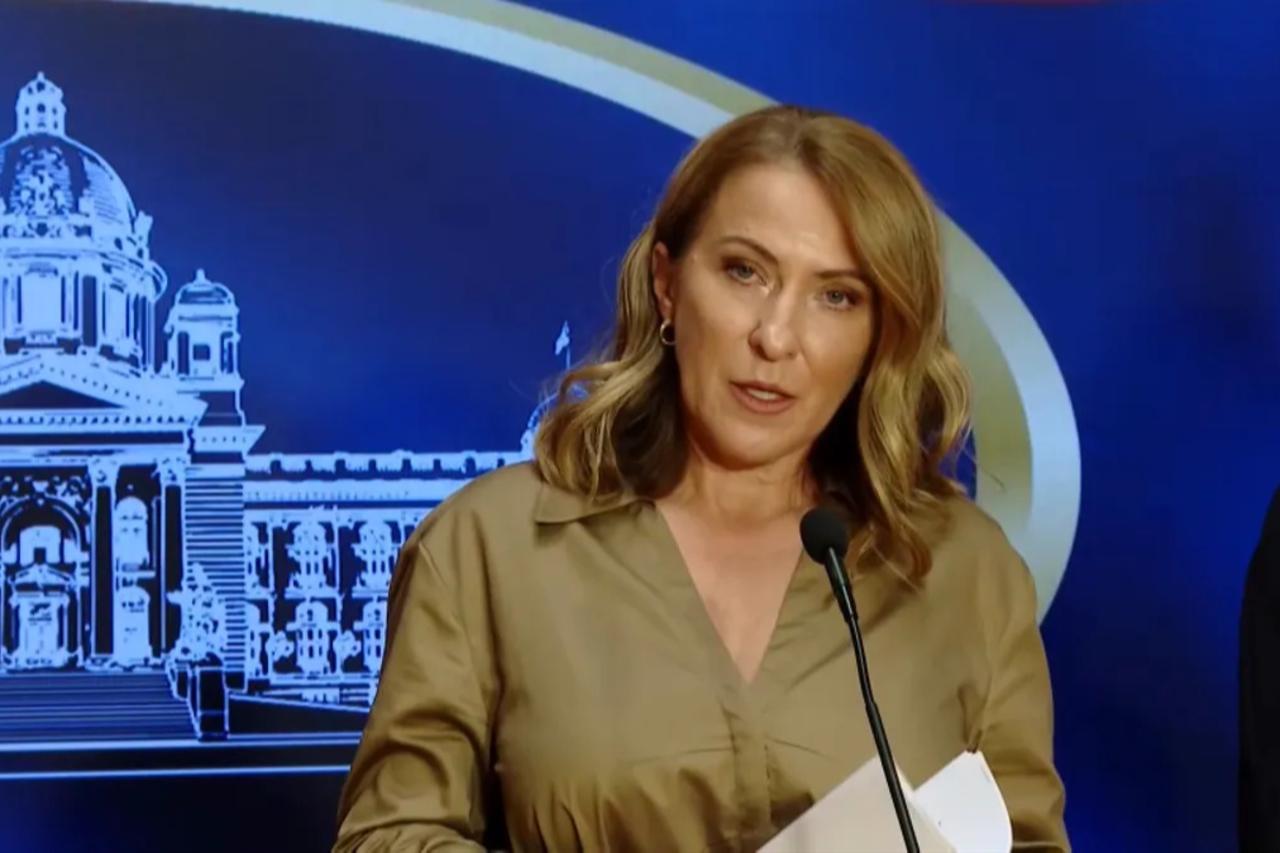
Remarks by Public Administration and Local Self-Government Minister Snezana Paunovic continued to draw criticism nearly two weeks after they were made.
During a television appearance earlier this month, Paunovic said that had she been in Slobodan Milosevic’s position in 1998, she would have “ethnically cleansed Kosovo.”
The comments drew swift condemnation from Kosovo and criticism from Brussels. Kosovo subsequently filed a suit against the minister and permanently barred her from entering its territory.
Paunovic later apologized, not for the statement itself, but for the difficulties it had caused President Aleksandar Vucic and the Serbian government. She insisted she had simply used an “unfortunate term” and had actually meant “voluntary deportation.”
Whatever that means.
European Commissioner for Enlargement Marta Kos condemned the remarks and said she could not imagine a minister continuing to perform her duties after making such a public statement.
In the roughly two weeks since, however, Paunovic remains in office.
The prime minister has remained silent, while Vucic has continued campaigning ahead of parliamentary elections that have yet to be formally called.
That absence of political consequence is significant.
Serbia’s accession process is often measured through negotiating clusters, legislative alignment and technical benchmarks. But episodes like this serve as a reminder that European integration is also about political culture.
Adopting European legislation is one thing; embracing the values behind it is another.


 Set as preferred source
 Set as preferred source


 1 min read
 1 min read


