Newsletters


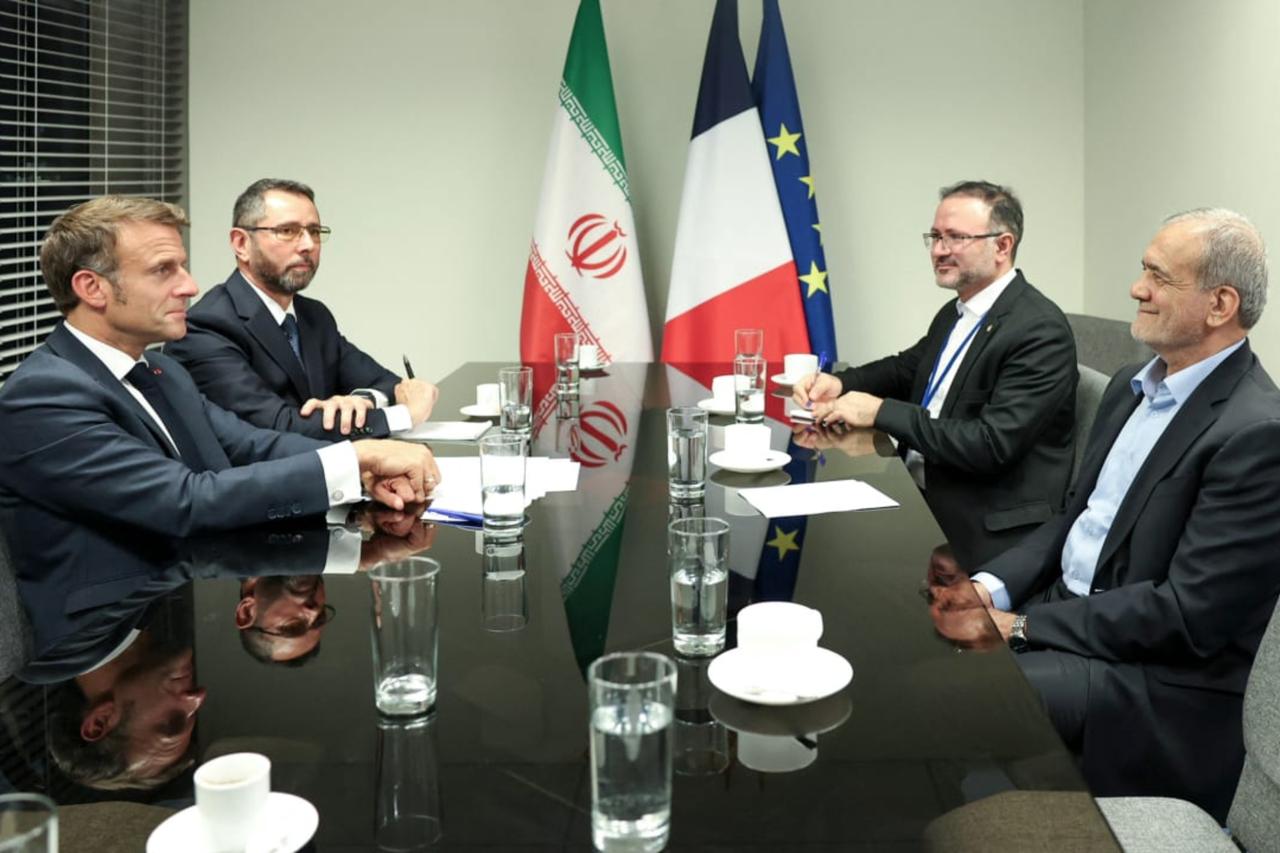


Iranian President Masoud Pezeshkian told French counterpart Emmanuel Macron on Wednesday that halting the fighting in Lebanon was a core demand of Tehran's peace framework, leaning on one of Europe's most active diplomatic players to push for a broader ceasefire even as Israeli warplanes were tearing through central Beirut and a senior American official was warning that the two-week truce announced just hours earlier was already at risk.
In a phone call reported by Iran's ISNA news agency, Pezeshkian told Macron that Tehran's acceptance of the ceasefire was "a clear sign of Iran's responsibility and serious will to resolve conflicts through diplomacy," and that "establishing a ceasefire in Lebanon has been one of the key conditions of Iran's 10-point plan."
The call placed France, which is separately leading a 15-nation coalition planning maritime operations to reopen the Strait of Hormuz in coordination with Tehran, at the center of a rapidly escalating diplomatic confrontation over whether Lebanon was ever party to the deal Washington announced the night before.
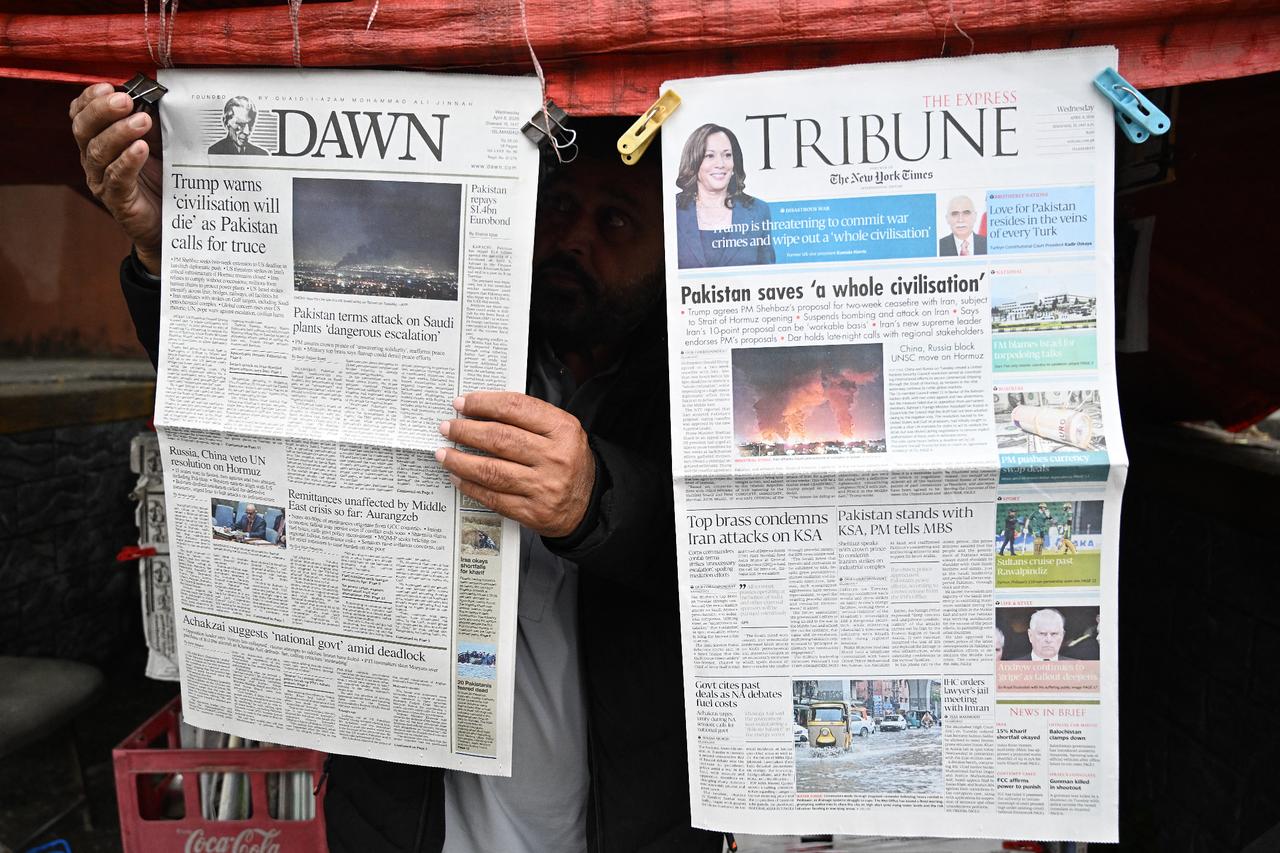
The ceasefire, brokered with Pakistan serving as intermediary and announced late Tuesday by U.S. President Donald Trump on Truth Social, suspends American and Israeli strikes on Iran for two weeks on the condition that Tehran reopen the strait, through which roughly a fifth of the world's crude oil and liquefied natural gas normally flows.
Trump called Iran's 10-point proposal "a workable basis on which to negotiate," saying that "almost all of the various points of past contention have been agreed to." Pakistani Prime Minister Shehbaz Sharif, who helped broker the agreement, initially announced the truce applied "everywhere including Lebanon and elsewhere, EFFECTIVE IMMEDIATELY," inviting both delegations to Islamabad on April 10 for follow-up talks.
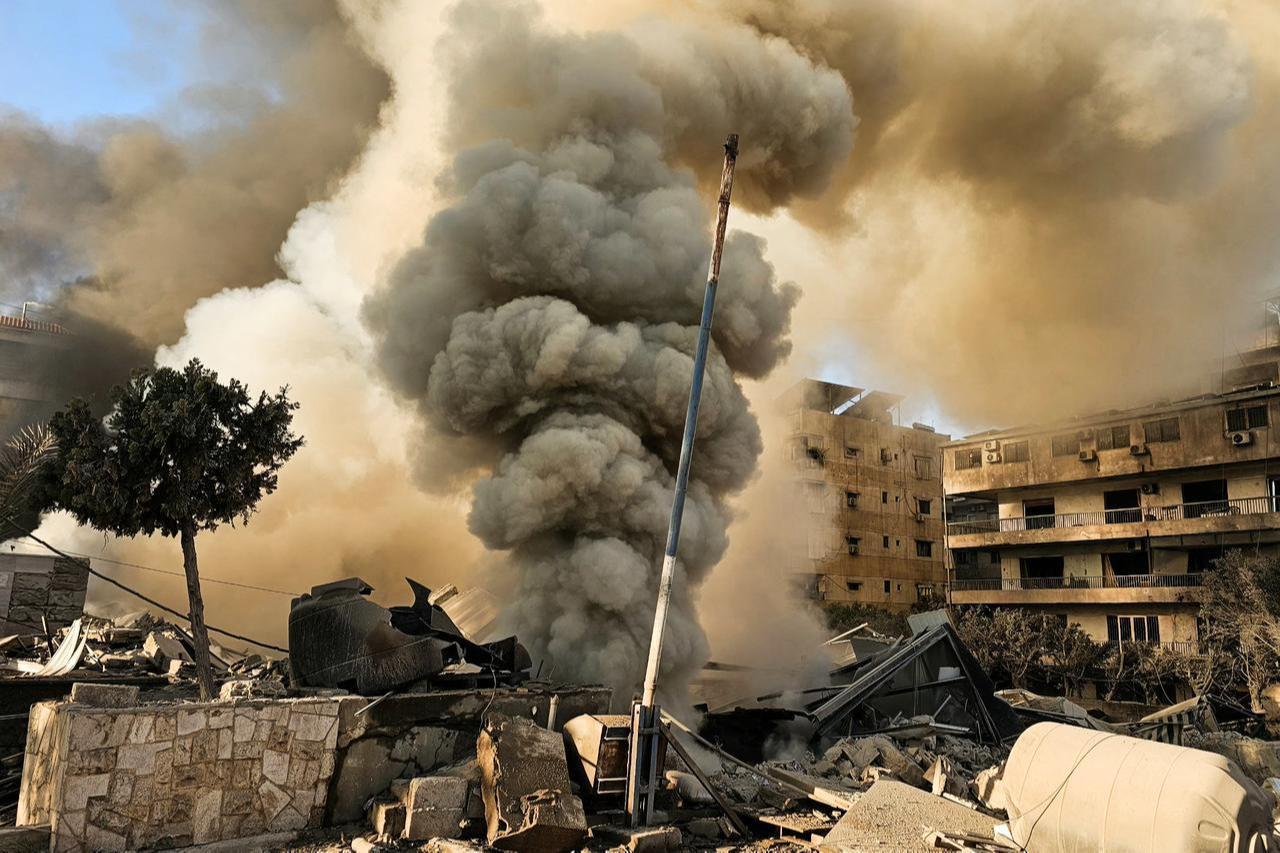
Israeli Prime Minister Benjamin Netanyahu immediately rejected that framing, declaring the truce excluded Lebanon and vowing that military operations against Hezbollah would continue. The Israeli military described Wednesday's bombardment as the largest coordinated strike since fighting with Hezbollah resumed on March 2, with more than 100 targets hit across Beirut, the Bekaa Valley and southern Lebanon within ten minutes. Lebanon's Civil Defence said at least 254 people were killed and more than 1,165 wounded.
Health Minister Rakan Nassereddine called the onslaught a "dangerous escalation" and said hospitals were overwhelmed. Amnesty International described it as the deadliest single day in Lebanon since the current round of fighting began, noting that the operation, which Israel named "Eternal Darkness," struck "crowded civilian areas in central Beirut, many without warning."
Iran's 10-point plan, whose tenth point explicitly demands a cessation of all combat on every front including the Israel-Hezbollah war, sits in direct tension with the Israeli and American positions.
Pezeshkian separately confirmed to Sharif that a Lebanon ceasefire was an "essential condition" for the deal to hold. Iran warned through state media that it could withdraw from the ceasefire entirely if Israeli strikes on Lebanese territory continued.
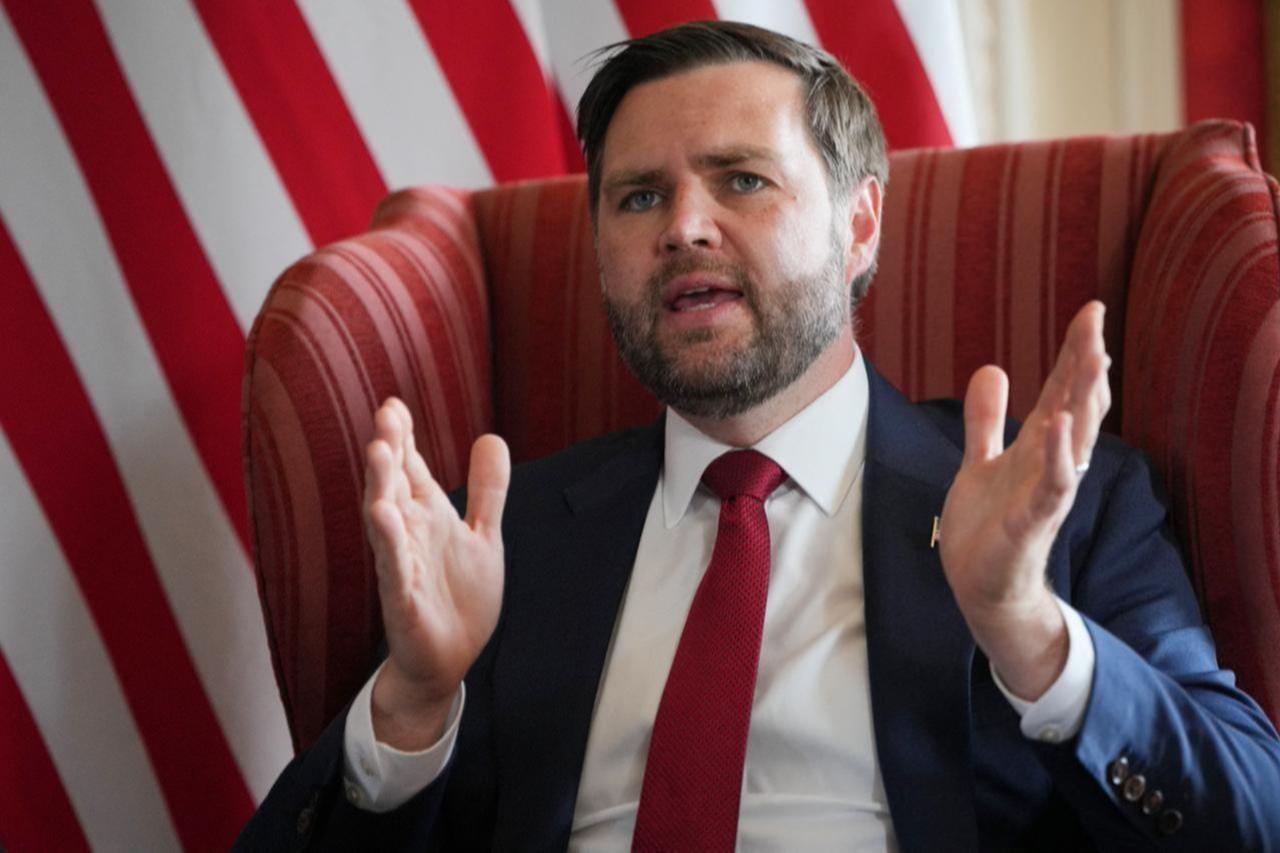

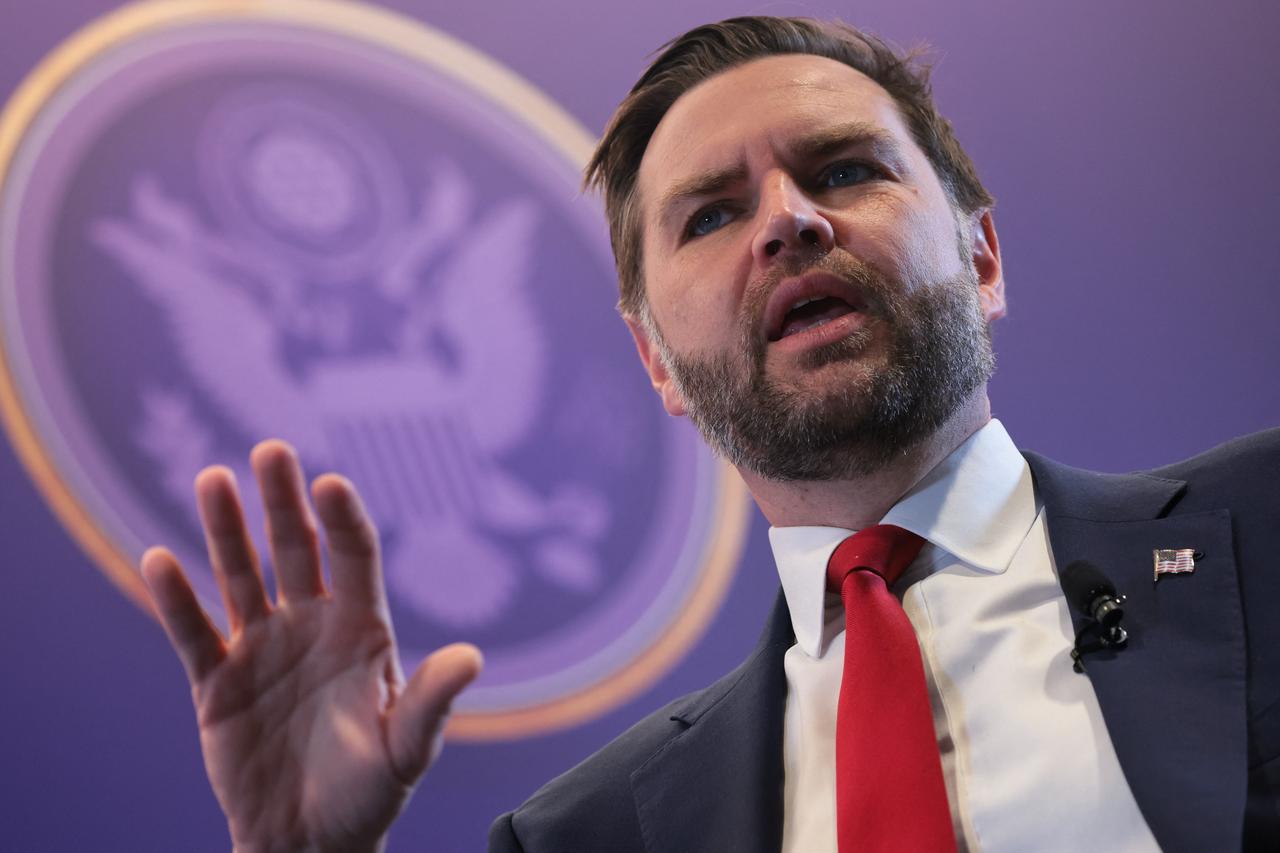
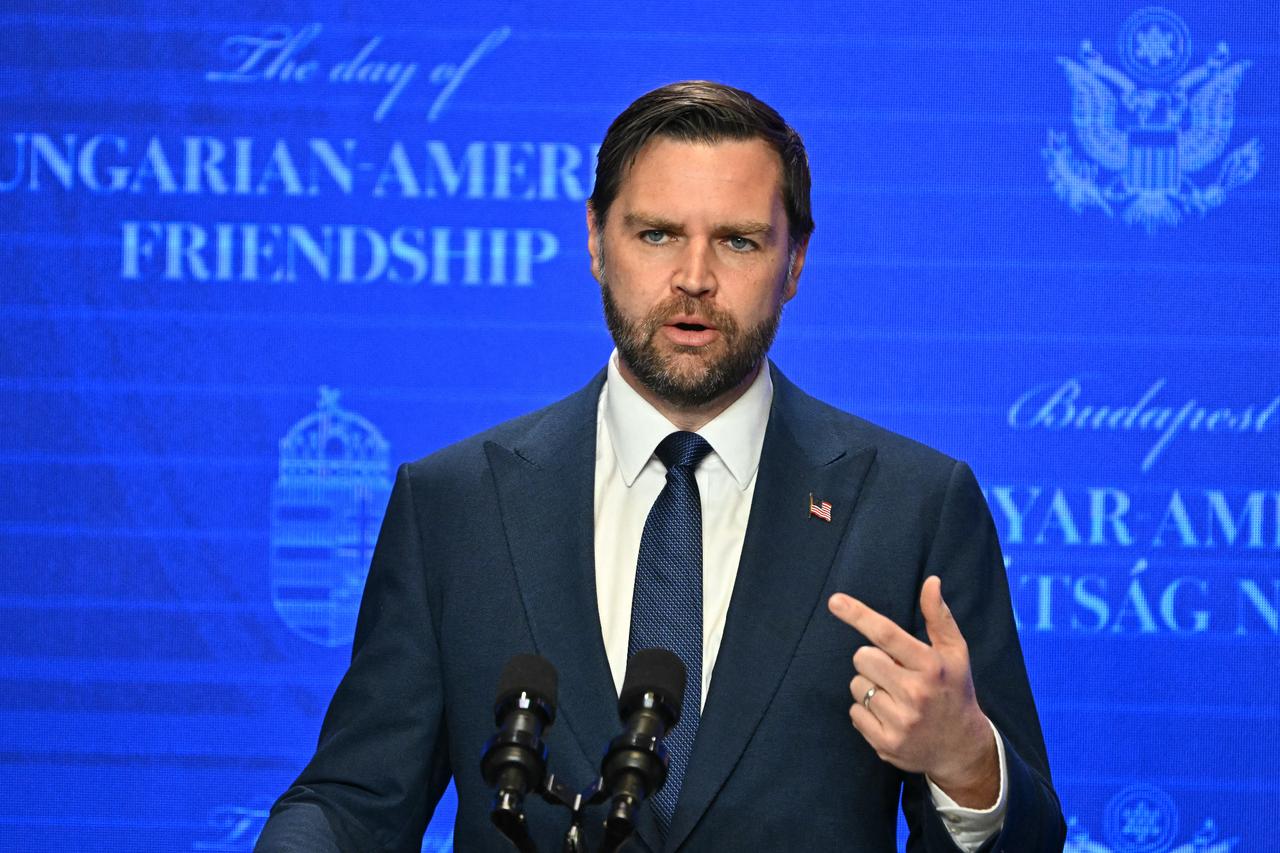
Speaking in Hungary, where he was campaigning alongside Prime Minister Viktor Orban, Vice President JD Vance called the agreement "a fragile truce" and said divisions within Iran were straining it. While Tehran's foreign minister had engaged constructively, Vance said, others inside the country had been "lying about even the fragile truce that we've already struck."
He attributed the Lebanon dispute to "a legitimate misunderstanding," saying Iran had believed the ceasefire extended to Beirut when Washington's position was that it did not.
Vance made clear that American patience had limits. "The president has told us not to use those tools," he said, referring to military, diplomatic and economic leverage over Tehran. "But if the Iranians don't do the exact same thing, they're going to find out that the president of the United States is not one to mess around. He's impatient to make progress."
Vance also declared the campaign's military aims fulfilled: "What the president set out to do was decimate the Iranian military, decimate their ability to wage conventional war. And that military objective has been achieved." Trump had warned earlier in the week that Iran had to either reach a deal or face massive strikes on civilian infrastructure, saying a "whole civilization will die" without an agreement.
On the ground in Beirut, the human cost of the diplomatic deadlock was immediate. Early Wednesday, displaced residents sleeping in tents along the capital's waterfront and in the coastal city of Sidon began packing their belongings after hearing news of the Iran ceasefire, believing they could return home.
That hope collapsed within hours. At a sprawling tent camp on the waterfront, Fadi Zaydan, 35, captured the mood of thousands: "We can't take this anymore, sleeping in a tent, not showering, the uncertainty."
Several of Israel's strikes landed without warning in commercial and residential districts of central Beirut that had not been targeted in the current round of fighting, sending residents fleeing through streets carpeted with glass and debris.
Lebanon's Social Affairs Minister Haneed Sayed, who said she had just driven past the affected areas, called the bombardment "a very dangerous turning point," noting that half of Lebanon's internally displaced population was sheltering in Beirut. She said the Lebanese government was ready to negotiate but that Israel had not responded to that offer.
A senior Hezbollah official, speaking anonymously to the Associated Press, said the group had not declared adherence to any ceasefire "since the Israelis are not adhering to it," and ruled out a return to the pre-March 2 status quo, when Israel had conducted near-daily strikes under a nominally active ceasefire in place since November 2024.
"We do not want this phase to continue," the official said. Israel's chief of staff, Lt. Gen. Eyal Zamir, confirmed that operations would press on, saying his forces would "utilize every operational opportunity" to strike Hezbollah.
A joint statement by the leaders of France, Germany, Italy, Britain, Canada, Denmark, the Netherlands and Spain, together with the heads of the European Commission and European Council, called on "all sides to implement the ceasefire, including in Lebanon."
Macron separately confirmed that around 15 countries, led by Paris, were "mobilized and participating in the planning" of a defensive maritime mission to facilitate the resumption of shipping through the strait once conditions allowed, to be carried out in coordination with Iran.
Since the current war in Lebanon began on March 2, Israeli strikes have killed more than 1,530 people, including more than 130 children, and displaced at least 1.2 million. Israeli Defence Minister Israel Katz called Wednesday's bombardment the heaviest blow dealt to Hezbollah since a 2024 operation that used exploding pager devices to attack the group's fighters.
The Israeli Military estimates it has killed more than 1,100 Hezbollah members since operations began. Whether a political framework can be assembled in the two-week window before the ceasefire expires, and whether it will reach Beirut, remains the central question hovering over talks expected to begin in Islamabad on Friday.


 Set as preferred source
 Set as preferred source


 1 min read
 1 min read