Newsletters


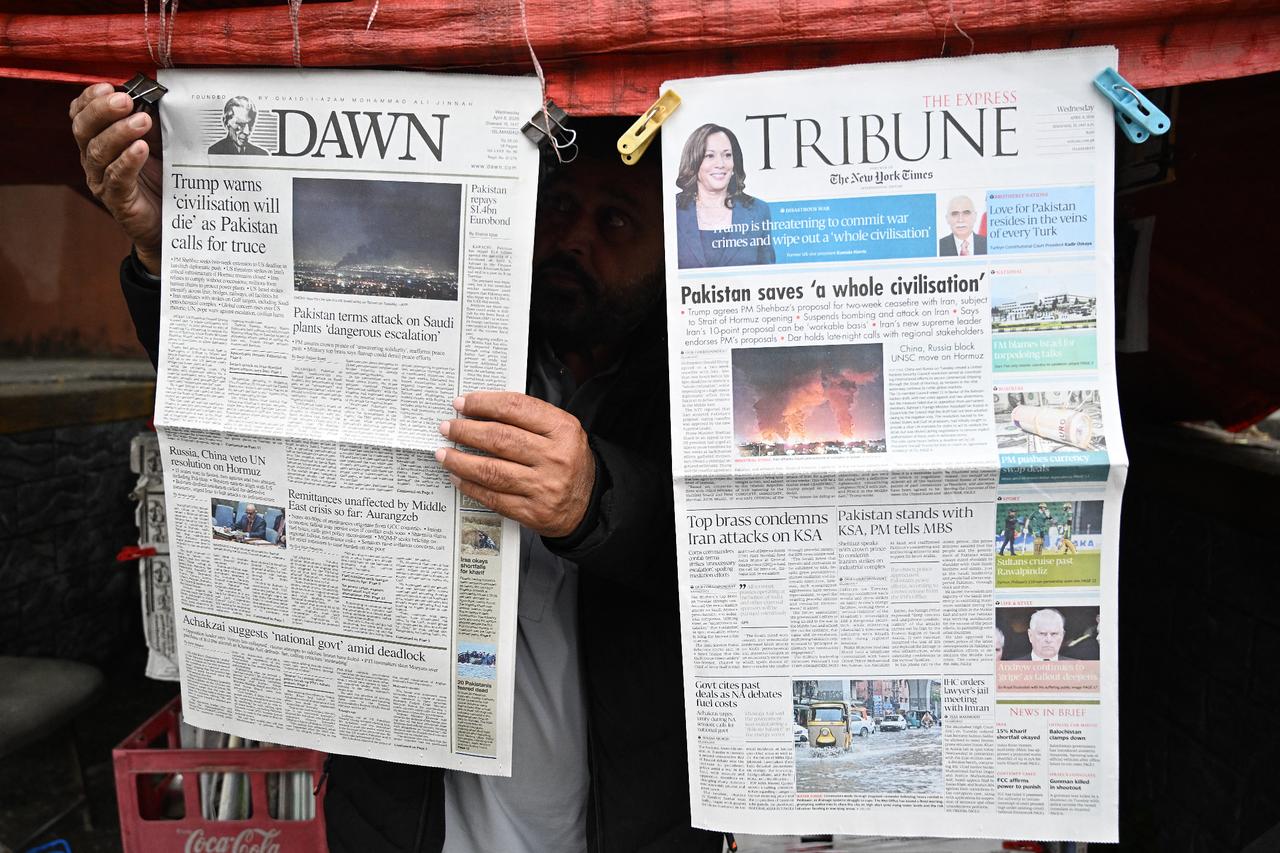


Iranian Parliament Speaker Mohammad Baqer Qalibaf will lead Tehran's negotiating team in talks with U.S. Vice President JD Vance in Pakistan's capital Islamabad, Iranian media reported.
Iranian officials said there would be no agreement unless Tehran's 10 conditions are accepted.
Iran's semi-official ISNA news agency reported that the talks are scheduled for April 10 and that Qalibaf will head the Iranian delegation while Vance will lead the U.S. side. Iran's Supreme Security Council said the negotiations would begin on Friday.
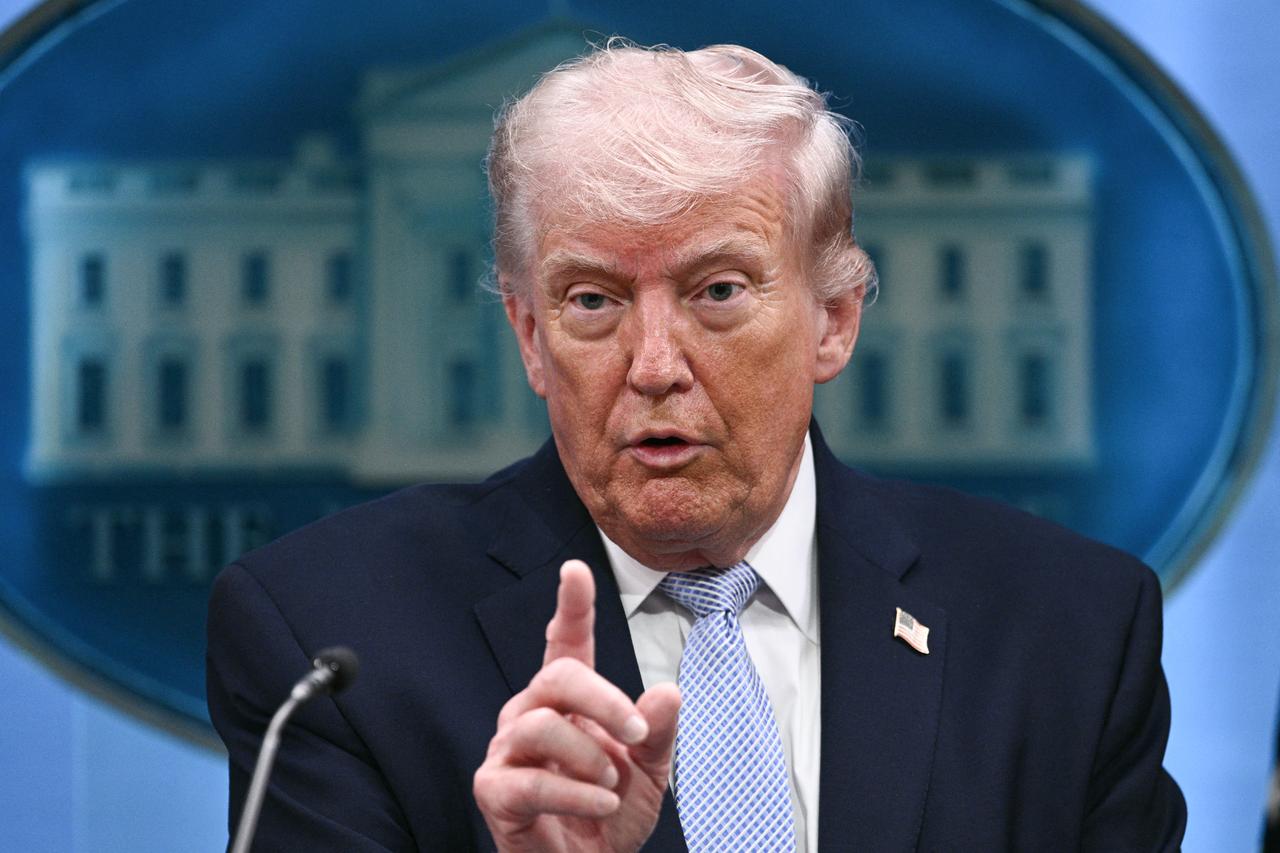
The reported talks come after U.S. President Donald Trump said a 10-point proposal from Iran was negotiable and announced that he had accepted a two-week mutual ceasefire proposed by Pakistan on the condition that the Strait of Hormuz be fully reopened.
Iran, for its part, said its 10-point proposal to end the war had been accepted in principle by the United States, while a senior Iranian parliamentary official said the Supreme Leader would not permit any agreement unless those terms are accepted in negotiations.
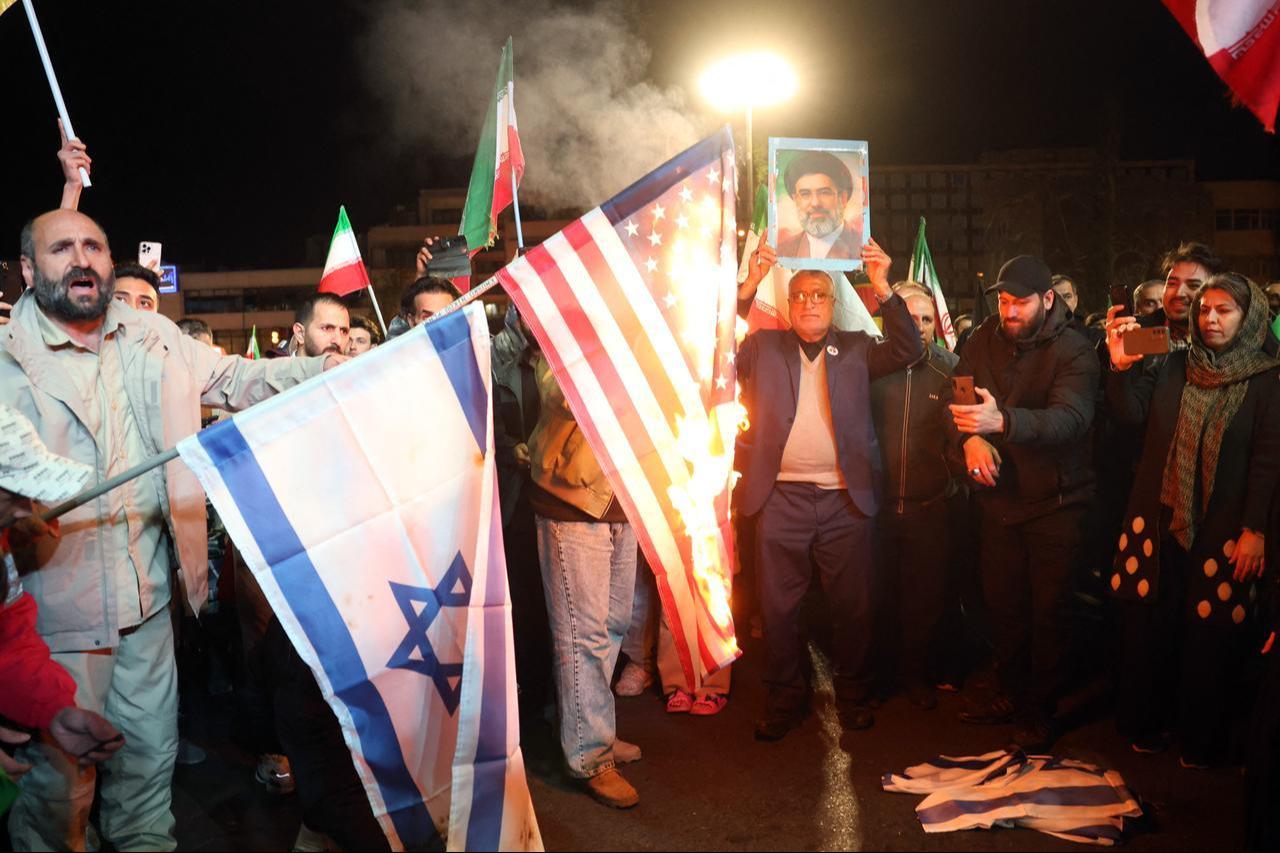

According to ISNA, Qalibaf will represent Iran in the negotiations in Islamabad.
The report said he will lead the Iranian negotiating team, while U.S. Vice President JD Vance will head the American delegation.
Iran's Supreme Security Council said the negotiations would start on Friday.
The reports placed Qalibaf at the center of Tehran's diplomatic effort in the next phase of talks with Washington.
Iranian Deputy Parliament Speaker Ali Nikzad said Iran's 10-point proposal, submitted in response to a 15-point U.S. proposal, would form the basis of the negotiations.
Speaking on state television, Nikzad said there would be no agreement if the 10 conditions were not accepted.
He said the Secretariat of the Supreme National Security Council had obtained permission from Supreme Leader Mojtaba Khamenei for those 10 conditions.
Iran later said the U.S. had accepted in principle the proposal it had presented to end the war.
Trump had said the 10-point proposal received from Iran could be negotiated and announced that he accepted Pakistan's proposal for a two-week mutual ceasefire with Iran, provided that the Strait of Hormuz was fully reopened.
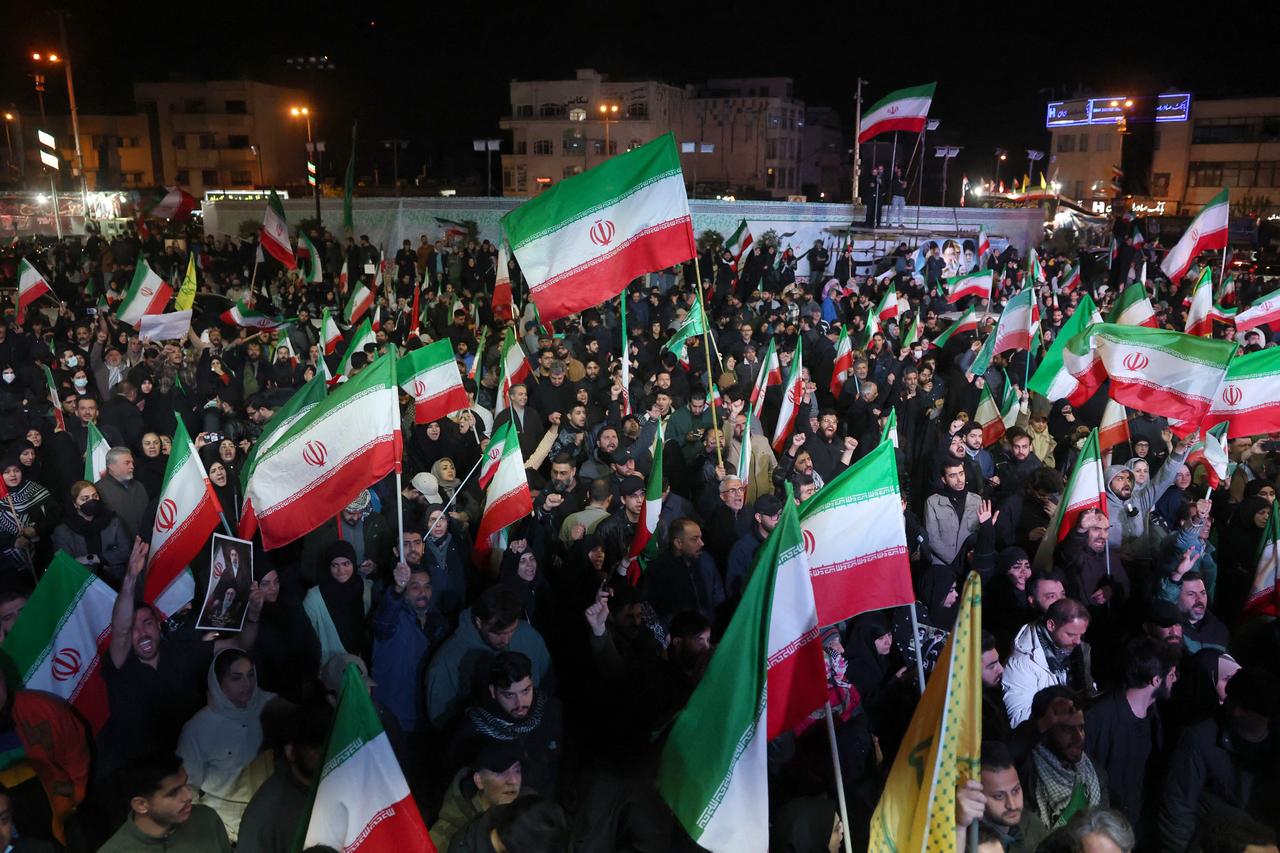
According to Iran's statement, the 10-point proposal includes recognition of Iran's right to enrich uranium, the lifting of all sanctions, guarantees against future attacks and an end to wars in the region, including in Lebanon.
Nikzad said Iran had accepted a commitment not to produce nuclear weapons.
He said the conditions also include a complete end to all aggression, the withdrawal of U.S. forces from the region, passage through the Strait of Hormuz with Iran, the lifting of primary and secondary sanctions, and compensation for Iran's losses.
Foreign Minister Abbas Araghchi also said that during the 15-day ceasefire, passage through the Strait of Hormuz would be possible in coordination with the Iranian army.
Nikzad also said passage through the Strait of Hormuz would not return to prewar conditions and that Iran was planning to charge a per-barrel fee on oil carried by ships passing through the waterway.
After the attacks launched by the United States and Israel on Iran on Feb. 28 and Iran's retaliatory strikes that turned the confrontation into a war involving attacks on some regional countries, Trump announced around 1:30 a.m. on April 8 that he had accepted the ceasefire.
Trump said the United States accepted the two-week ceasefire on condition that the Strait of Hormuz be reopened and said Iran's 10-point proposal was a workable basis for negotiations.
Iran's Supreme National Security Council, which said Iran had achieved its goals in the war, said the aim was to conclude final negotiations in Islamabad within no more than 15 days.
Türkiye, Pakistan and Egypt made intensive efforts to ensure the continuation of message exchanges between the United States and Iran and to help reach a result.
Israel, which said it supported the temporary ceasefire, argued that Lebanon was not included in the arrangement and has continued its attacks on Lebanon.
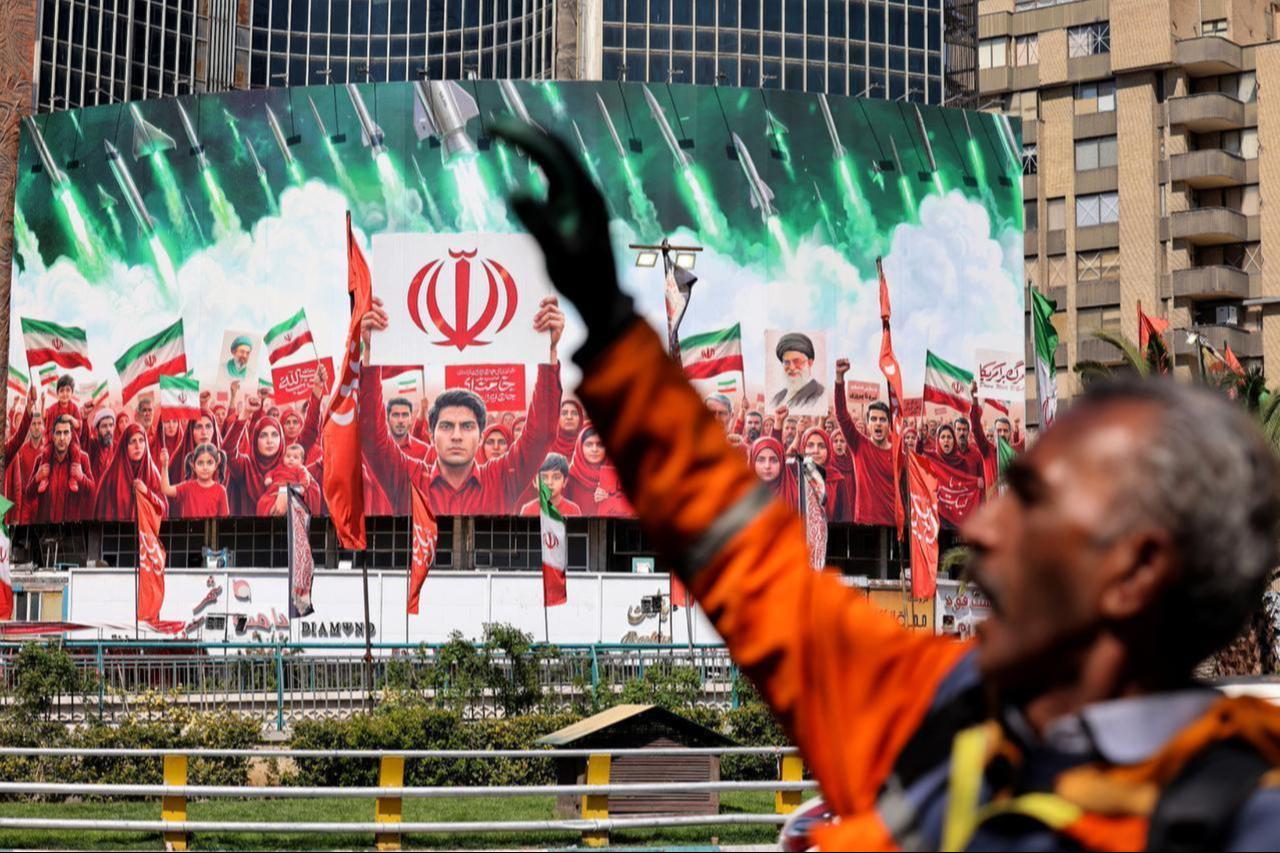
The report described Qalibaf as a figure long seen as a protege of late Supreme Leader Ali Khamenei and a confidant of his son Mojtaba, who has succeeded to the position of supreme leader.
It said Qalibaf had been a leading voice of defiance against Israel and the United States.
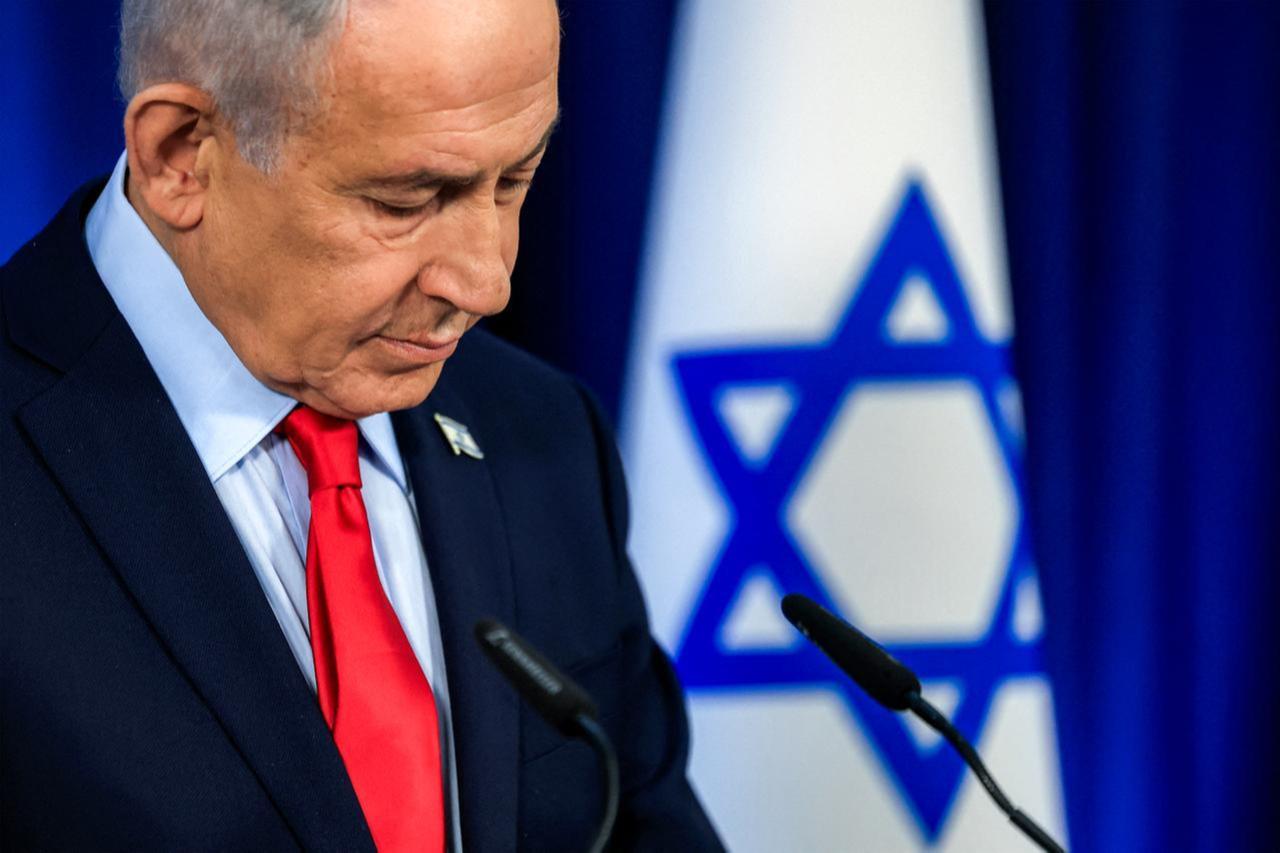
After the killing of Khamenei on the first day of the war, Qalibaf addressed Trump and Israeli Prime Minister Benjamin Netanyahu and promised what he called "such devastating blows that you will be begging."
"I say to these two dirty criminals and their agents: you have stepped on our red line and you have to pay for it," he said in a televised speech at the time.
The report said that rhetoric reflected his longstanding position as a fierce disciple of the Islamic Republic's theocratic system of government and said he had also shown that stance through helping crush displays of internal dissent.
At the same time, the report said Qalibaf had built a reputation as a modernizer and pragmatist, noting that during his 2005 presidential campaign, he posed in uniform as a qualified pilot in campaign advertisements to strengthen his image as a professional.


 Set as preferred source
 Set as preferred source


 1 min read
 1 min read