Newsletters


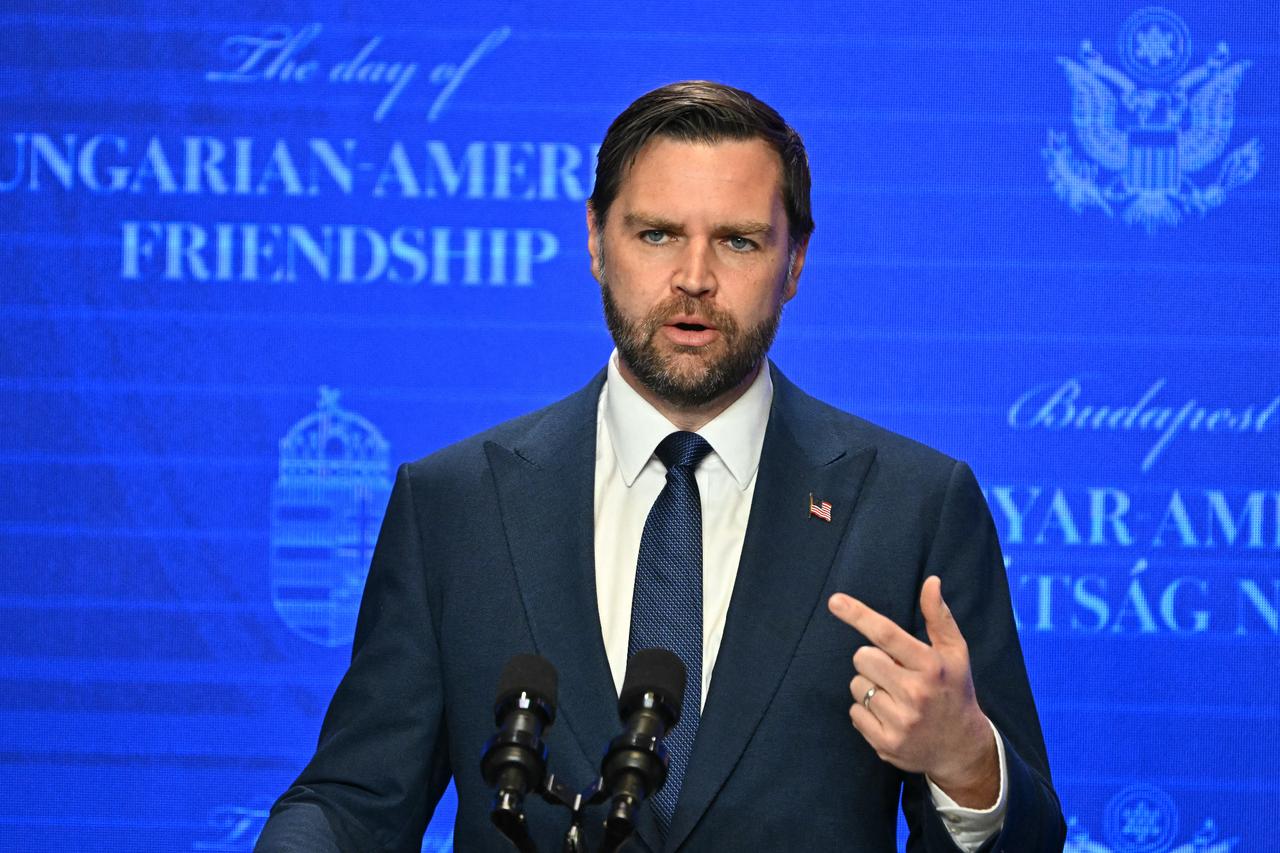


U.S. Vice President JD Vance said Tuesday the United States has "largely accomplished" its military objectives in the Iran war and that the conflict would conclude "very shortly."
He warned Tehran that Washington still has "tools in our toolkit that we so far haven't decided to use" during a joint press conference with Hungarian Prime Minister Viktor Orban in Budapest, hours before President Donald Trump's 8:00 p.m. ET deadline for Iran to reopen the Strait of Hormuz.
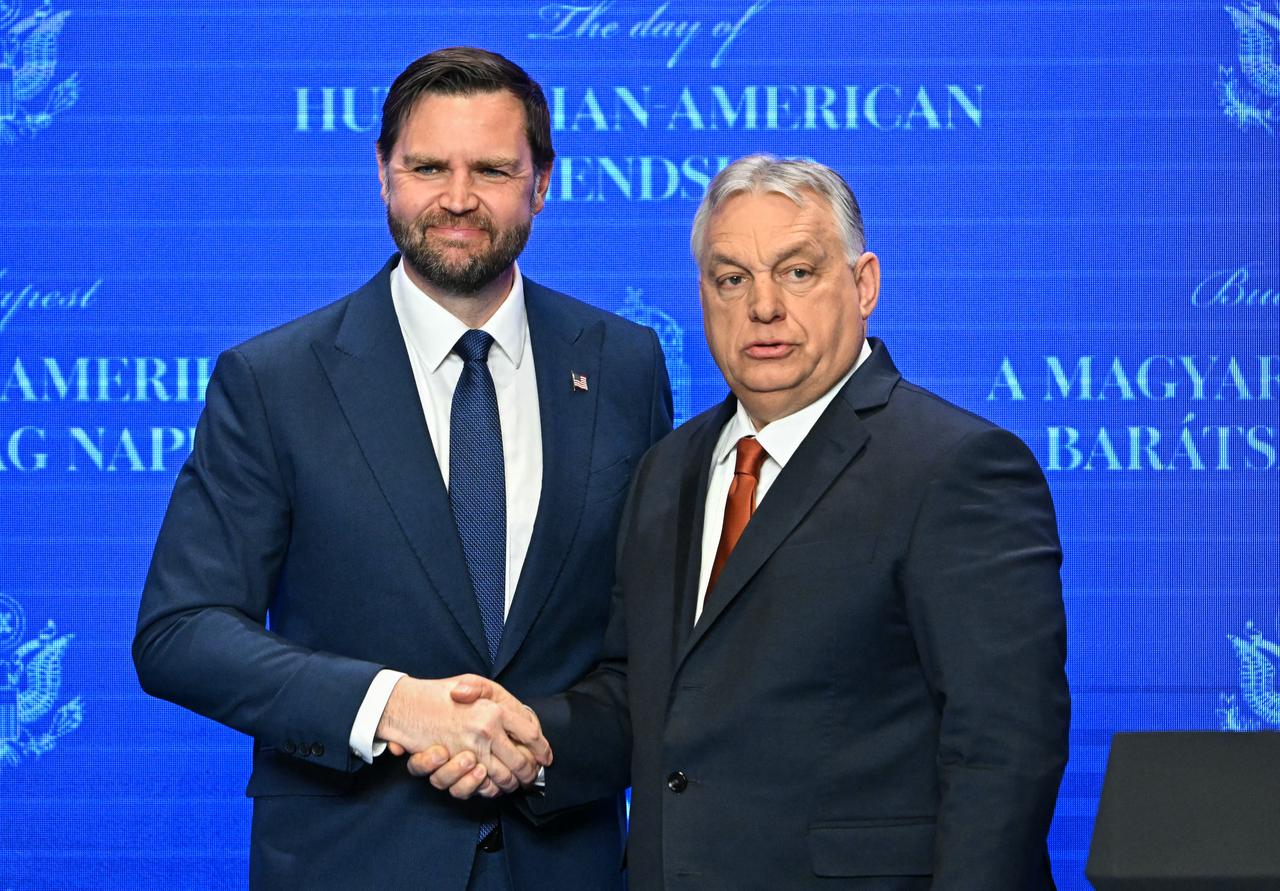

Speaking alongside Orban, Vance said the trajectory of the conflict now rests with Tehran.
"The United States has largely accomplished its military objectives," Vance said.
"There are still some things we want to do, for example, there are some points where we want to do a bit more military work on Iran's capacity to produce weapons, but essentially, U.S. military objectives are complete. This means, as President Trump has said, this war will end very shortly," he added.
Vance noted that he believed there were two paths ahead for Iran.
"I think there are really two options, and I'm simplifying somewhat, but option one is that the Iranians decide to become a normal country, to stop financing terrorism, and to become part of the world trade and exchange system. That would mean much better things for them economically. It would be better for world peace and security and would produce many positive outcomes for many people around the planet," the U.S. vice president added.
"Option B is that the Iranians don't come to the negotiating table and continue to remain committed to terror, to terrorizing their neighbors, not just Israel, but their Arab neighbors, of course. In that case, the economic situation in Iran will continue to be very, very bad," he stated.
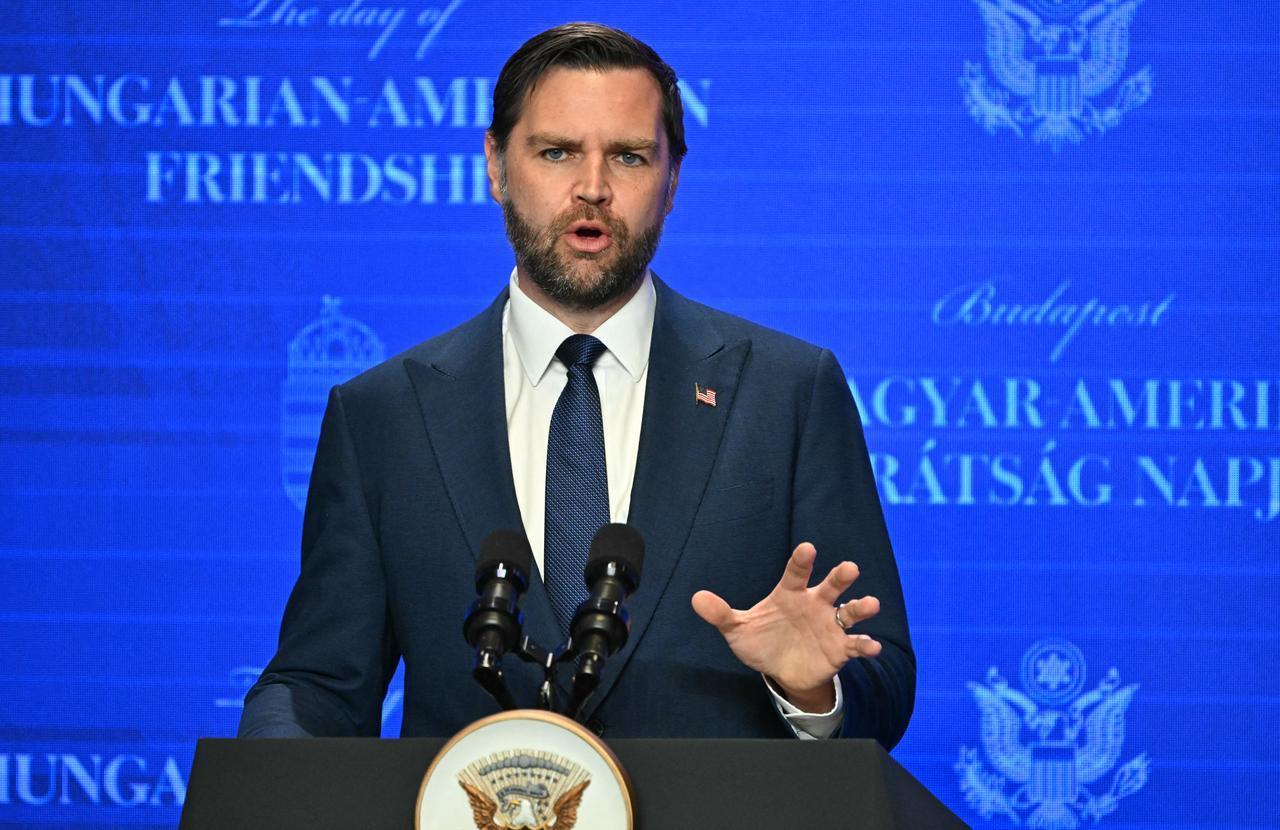
Vance said the U.S. felt confident it could get a response from Tehran before the deadline expired.
"The president has set a deadline for about 12 hours from now in the United States. We're going to find out, but there's going to be a lot of negotiation between now and then, and I'm hopeful that it gets to a good resolution," he said.
He said negotiations had been focused on the question of "what does this look like afterwards?" and that "the nature of the conclusion is ultimately up to the Iranians."
Vance acknowledged recent U.S. strikes on Kharg Island but said they did not represent a change in strategy and did not alter the 8:00 p.m. deadline.
"My understanding, having talked to Pete (Hegseth) and General Caine about this, is that we were going to strike some military targets on Kharg Island. I believe we have done so," he said, adding he spoke with Defense Secretary Pete Hegseth and Chairman of the Joint Chiefs Gen. Dan Caine beforehand.
Vance issued a direct warning to Tehran on the limits of American restraint so far.
"They've got to know we've got tools in our toolkit that we so far haven't decided to use. The president of the United States can decide to use them, and he will decide to use them if the Iranians don't change their course of conduct," he said.
Since Feb. 28, U.S. and Israeli strikes on Iran have killed over 1,340 people, including then-Supreme Leader Ali Khamenei.
Tehran has retaliated with drone and missile strikes on Israel, Jordan, Iraq, and Gulf countries hosting U.S. military assets while restricting movement through the Strait of Hormuz.


 Set as preferred source
 Set as preferred source


 1 min read


 1 min read