Newsletters


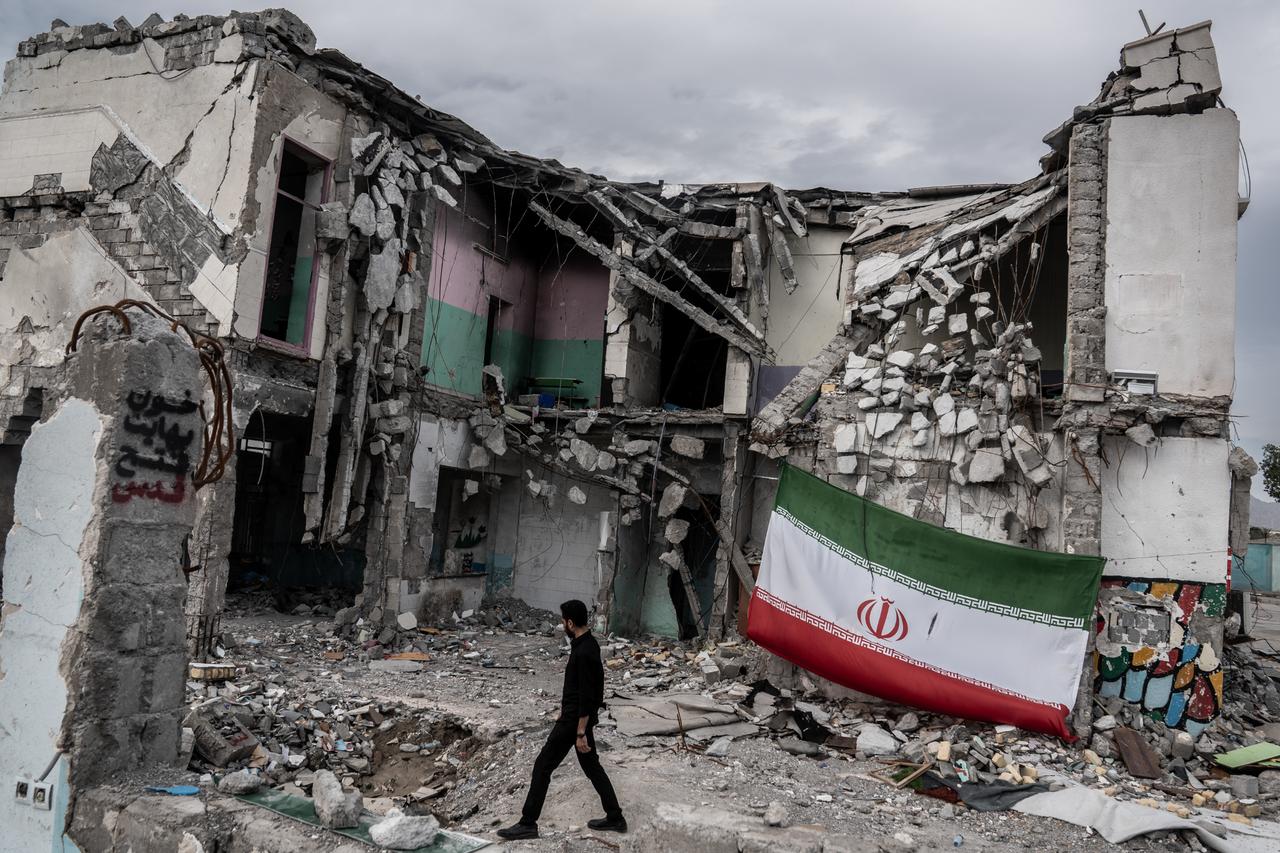


Iran on Monday rejected the idea of a ceasefire with the United States, saying any pause in fighting could allow its adversaries to regroup and resume attacks.
Foreign Ministry spokesperson Esmaeil Baqaei said during a press briefing that Tehran would only consider arrangements that include guarantees preventing a return to hostilities.
“A ceasefire means a pause to rebuild forces for renewed attacks. No rational actor would accept that,” he said.
Iran’s demands must include “guarantees” to prevent a cycle of ceasefire and renewed conflict, he added, stressing that decisions related to national security “must ensure no further acts of aggression.”
Iran also said it has conveyed its demands regarding a potential ceasefire with the United States through intermediaries, indicating that indirect contacts are ongoing with Washington to end the current conflict.
Baqaei said Tehran has outlined its demands “based on national interests” and communicated them via third parties.
“We have formulated our own set of demands based on our interests and considerations. We are not ashamed to voice our legitimate and logical demands,” he said when asked whether there was any new plan to end the war between Iran and the United States.
“Iran’s positions have been conveyed through intermediaries,” he said, adding that the exchange of messages via third parties “is normal and ongoing.”
He also said Tehran has finalized its demands amid recent proposals to end the war, but will reveal them only when it finds it appropriate.
“A few days ago, they put forward proposals through intermediaries, and the 15-point U.S. plan was reflected through Pakistan and some other friendly countries,” he said, adding that “such proposals are both extremely ambitious, unusual, and illogical.”
Baqaei underlined that Iran has its own framework.
“Based on our own interests, based on our own considerations, we codified the set of demands that we had and have,” he added.
He also rejected the idea that engaging with mediators signals weakness.
“Expressing our positions quickly and courageously should not be interpreted as backing down,” he said, noting that Iran has prepared its responses and will announce them when necessary.
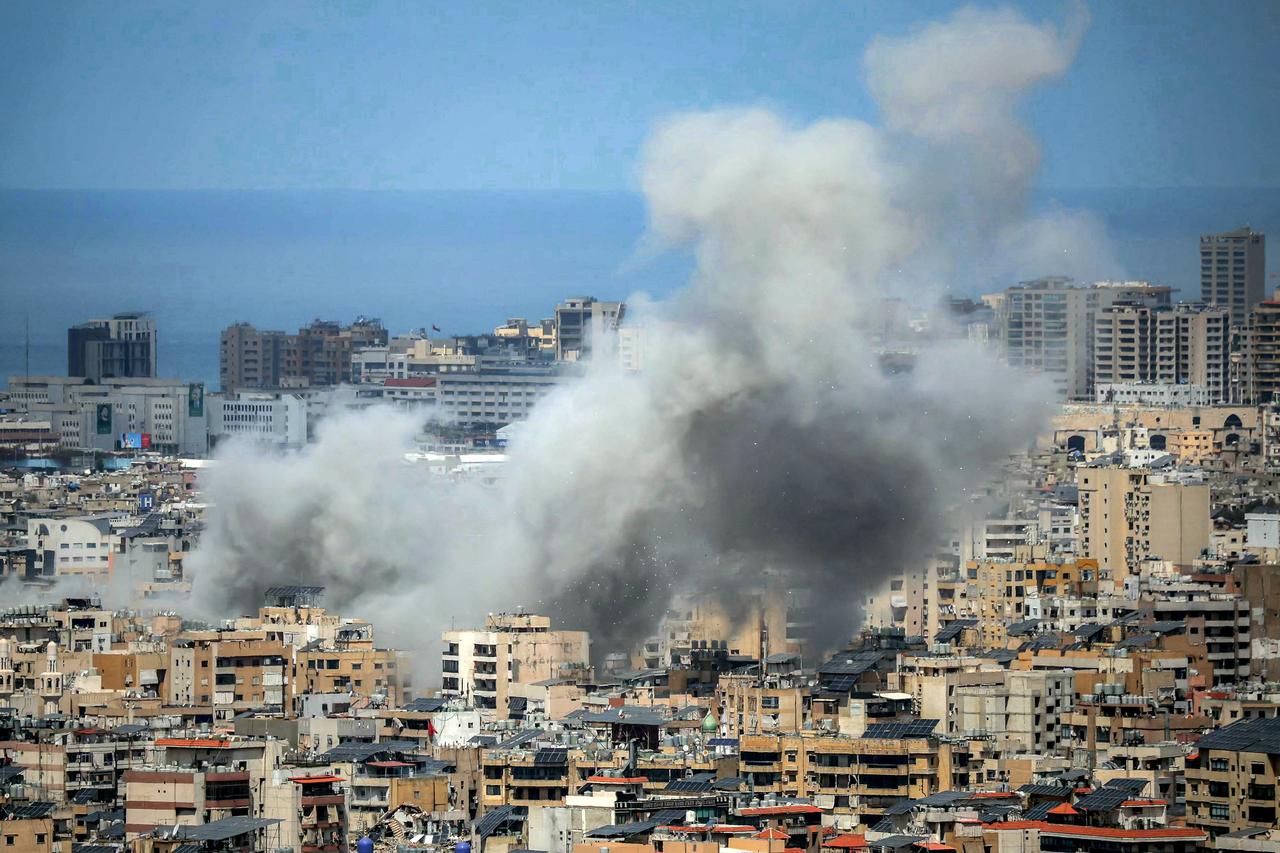

Meanwhile, Pakistan’s foreign ministry spokesperson Tahir Andrabi declined to confirm or deny reports that Pakistan has proposed a framework to end the ongoing U.S.-Israel war on Iran.
“There have been several reports of a 45-day ceasefire offer, or 15-point exchange,” Andrabi told Al Jazeera.
“We do not comment on these individual, specific incidents. Our point is that the peace process is ongoing,” he said.
According to reports, Pakistan has circulated a two-stage proposal to end hostilities between Iran and the United States, beginning with an immediate ceasefire that would reopen the Strait of Hormuz, followed by a broader settlement within 15 to 20 days.
The framework was reportedly exchanged overnight and handled through Pakistan, which is serving as a communication channel in the talks, sources told Reuters. The proposal would begin with an immediate ceasefire, followed by a second phase aimed at a broader agreement.
That follow-up agreement would be structured as a memorandum of understanding and finalized electronically through Pakistan. The plan has reportedly been referred to as the “Islamabad Accord.”
Pakistan’s army chief, Field Marshal Asim Munir, was reportedly in contact “all night long” with U.S. Vice President JD Vance, special envoy Steve Witkoff and Iranian Foreign Minister Abbas Araghchi, according to the report. Final in-person talks are expected in Islamabad if the outline moves forward.
The final agreement is expected to include Iranian pledges not to pursue nuclear weapons in exchange for sanctions relief and the release of frozen assets, according to earlier reports.
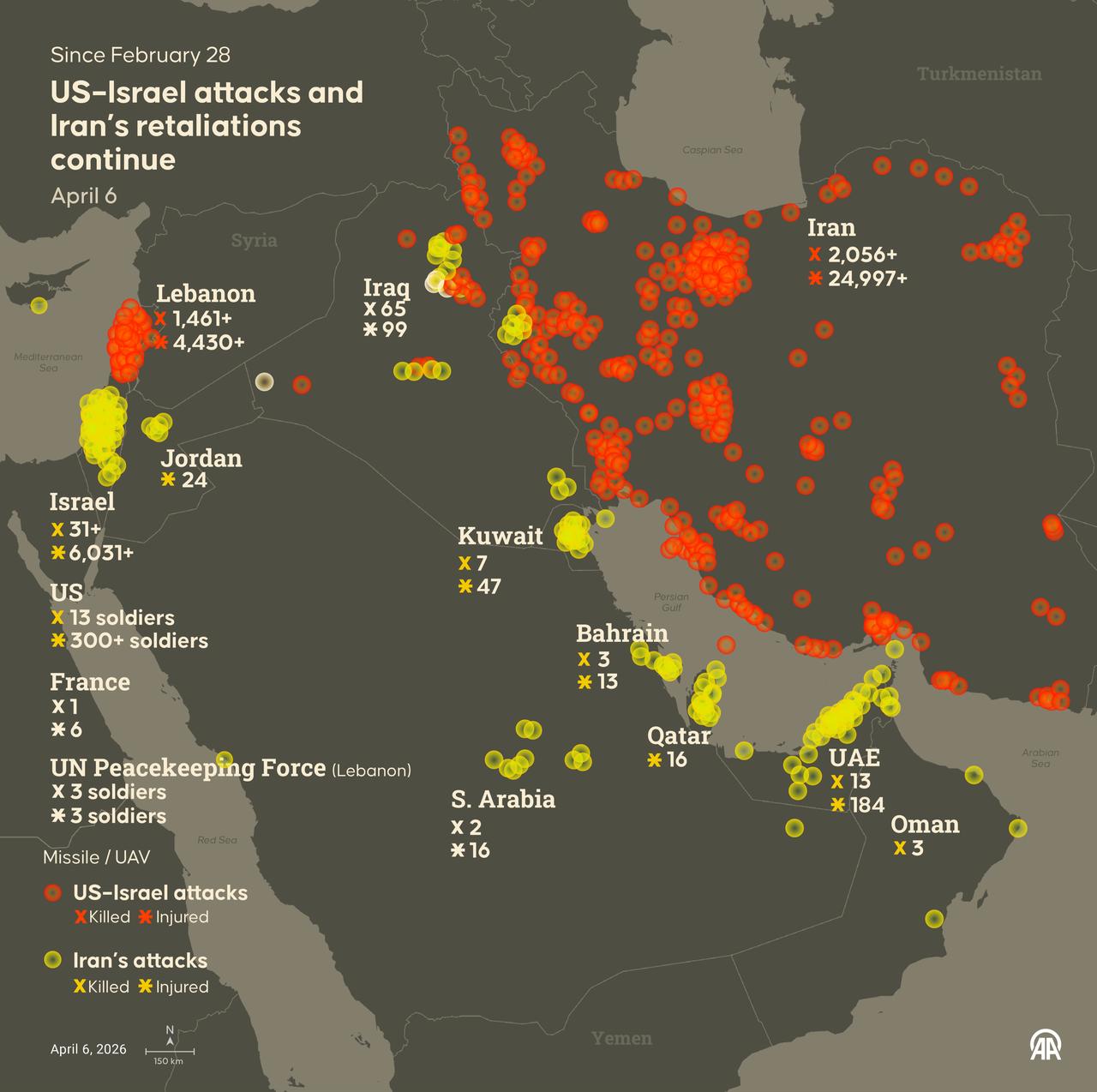
Mediators from Pakistan, Egypt and Türkiye, along with direct messages between U.S. President Donald Trump, his envoy Steve Witkoff and Iranian Foreign Minister Abbas Araghchi, are facilitating the talks.
While the United States has proposed several plans, Iran has not agreed to them.
The proposed agreement reportedly has two phases: first, a 45-day ceasefire to allow time for broader negotiations, and second, a permanent settlement addressing Iran’s uranium stockpile and the reopening of the Strait of Hormuz.
Iranian officials have warned that they do not want a temporary ceasefire similar to those in Gaza or Lebanon, where hostilities can resume at any time.
 1 min read
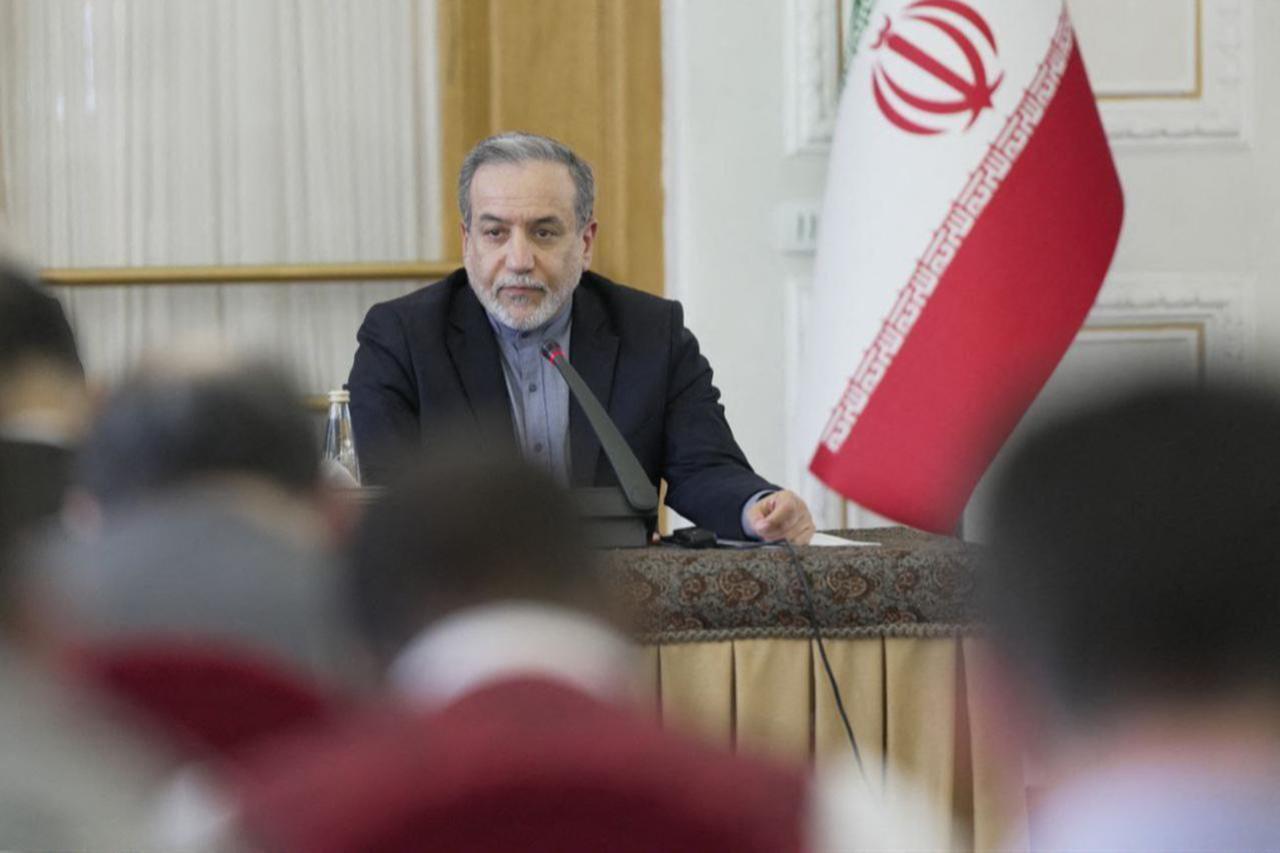
Sources also warned that Iranian retaliation against potential U.S.-Israeli strikes could seriously damage Gulf oil and water infrastructure, and mediators said the next 48 hours are critical to avoid large-scale destruction.
Iran’s Islamic Revolutionary Guard Corps Navy said Sunday that the situation in the Strait of Hormuz “will never return” to pre-war conditions for the United States and Israel.
Meanwhile, a senior Iranian official told Reuters that Iran will not reopen the Strait of Hormuz in exchange for a temporary ceasefire, adding that Tehran believes Washington is not ready for a permanent ceasefire.
The official confirmed that Iran had received Pakistan’s proposal for an immediate ceasefire and was reviewing it, adding that Tehran does not accept being pressured to accept deadlines and make a decision.


 Set as preferred source
 Set as preferred source


 1 min read