Newsletters


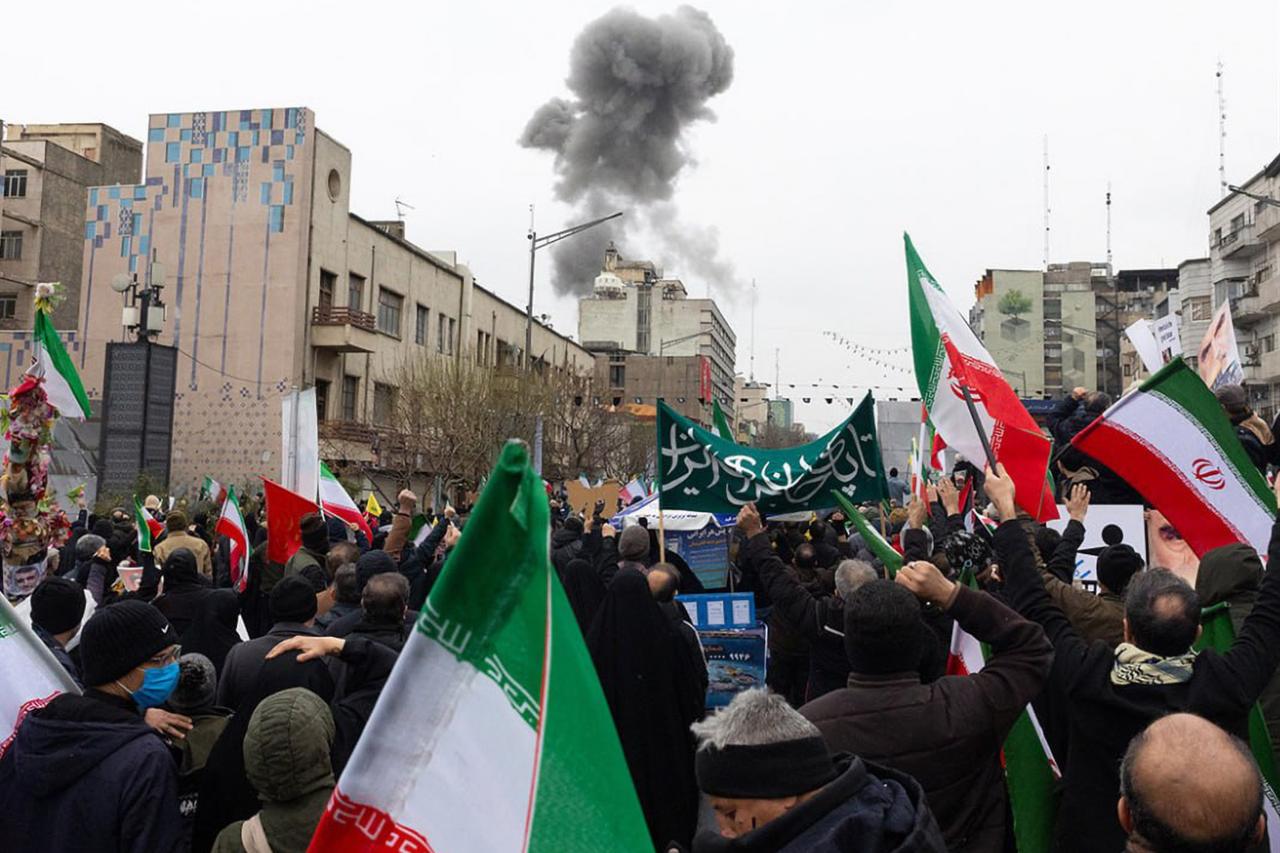


Iran views a U.S. proposal to end the war as “excessive” and disconnected from what it described as America’s failure on the battlefield, according to a report by Iran’s Press TV on Wednesday.
Citing a senior political-security official, the report said Tehran had responded negatively to the U.S. proposal and insisted that any agreement would take place only on Iran’s own terms and timeline.
The official also said that "Iran will not allow U.S. President Donald Trump to dictate the timing of the war's end."
"Iran will end the war when it decides to do so and when its own conditions are met," the official said, adding that Tehran would continue its defense and inflict "heavy blows" on the enemy until its demands are fulfilled.
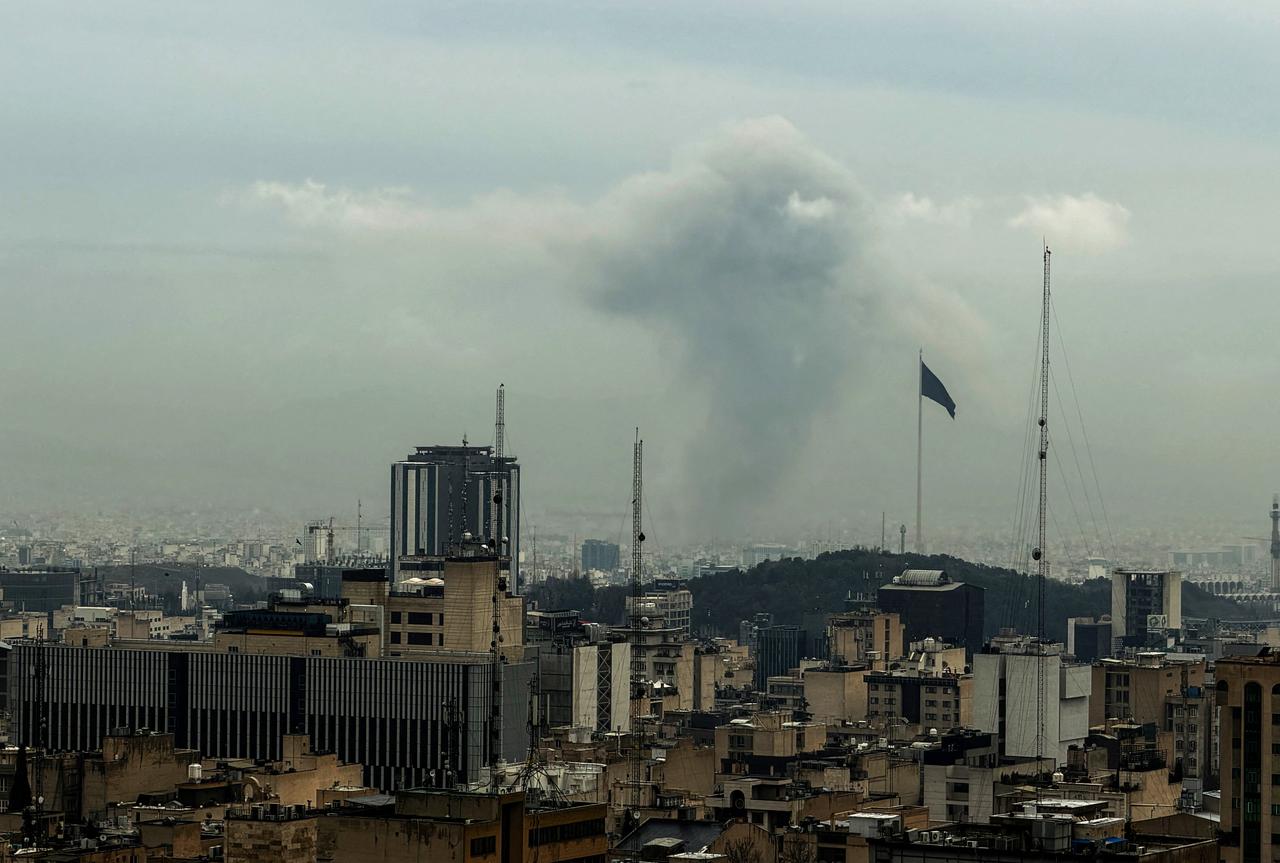

According to the report, Tehran outlined five specific conditions under which it would agree to end the war.
These conditions include a complete halt to "aggression and assassinations" by the enemy; the establishment of concrete mechanisms to ensure that the war is not reimposed on Iran; guaranteed and clearly defined payment of war damages and reparations; the conclusion of the war across all fronts and for all resistance groups involved throughout the region; and recognition of Iran’s sovereignty over the Strait of Hormuz as its natural and legal right and as a guarantee for the implementation of the other party's commitments.
The report said the latest proposal was delivered through a friendly regional intermediary and was viewed by Tehran as a move aimed at increasing pressure rather than ending the conflict.
Meanwhile, Iranian officials expressed deep suspicion about a U.S. invitation for peace talks in Pakistan, citing a history of military strikes occurring alongside diplomatic efforts, according to an Axios report.
"We don't want to be fooled again," Iranian officials said, relaying their concerns to mediators including Türkiye, Pakistan and Egypt ahead of a proposed meeting scheduled for Thursday.
Tehran remains wary after U.S.-backed strikes previously coincided with scheduled negotiations in June and February.
To signal sincerity, the White House suggested the involvement of U.S. Vice President JD Vance, whom Tehran reportedly views as less of a hawk.
Despite diplomatic outreach, the United States continues to escalate its military posture in the region. The Pentagon has not altered orders for military operations, and the command element of the 82nd Airborne Division is deploying to the Middle East with an infantry brigade.
“We negotiate with bombs,” U.S. Secretary of Defense Pete Hegseth said Tuesday.
A Trump adviser said the strategy was to keep one hand open for a deal while the other remained ready to strike.
A White House official said that while Tehran is focused on halting bombardment through a ceasefire, Washington intends to see whether Iran will grant concessions it previously refused to offer.
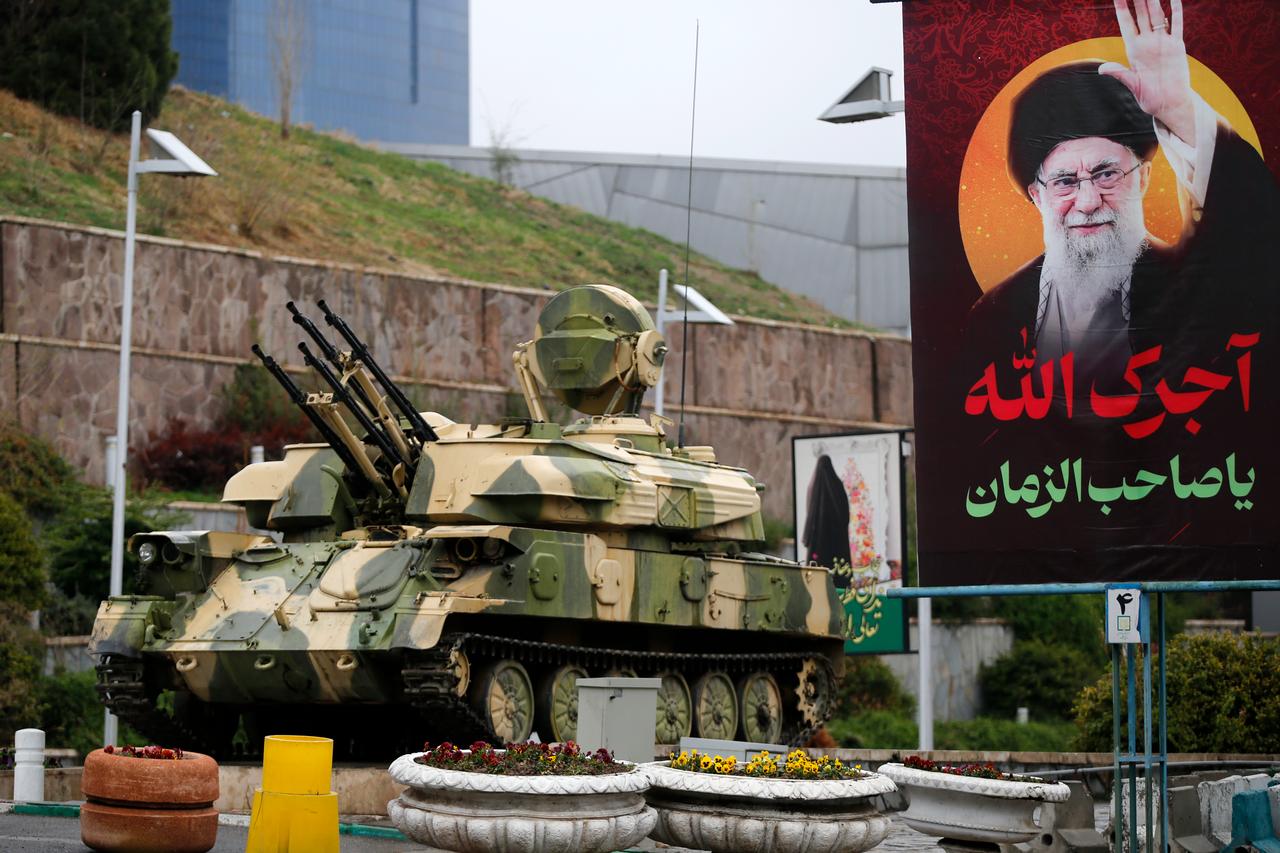
Proposals from the United States to end the war have been sent to Tehran through Pakistani intermediaries, two senior officials in Islamabad told AFP on Wednesday.
The confirmation came after Trump voiced optimism about ending nearly a month of conflict, and Tehran announced it would allow "non-hostile" oil vessels to pass through the Strait of Hormuz.
Pakistan has been seen as a potential mediator due to its longstanding ties with both neighboring Iran and the United States, as well as its regional diplomatic contacts.
The 15-point U.S. plan to stop the fighting had been conveyed to Iran via Pakistan, the two Pakistani officials said, speaking on condition of anonymity.
Prime Minister Shehbaz Sharif and Foreign Minister Ishaq Dar have been in close contact with Iranian officials and said Pakistan is ready to host talks.
 2 min read
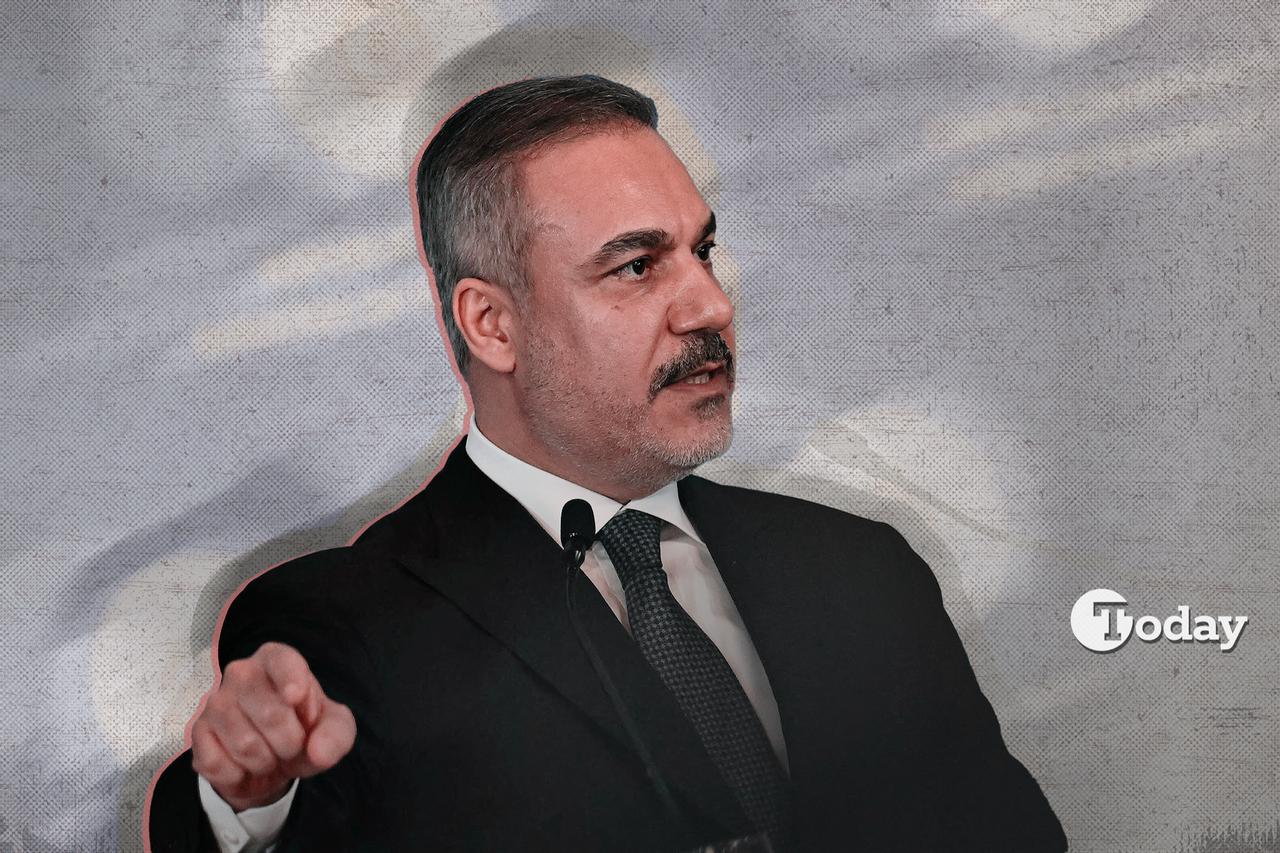
Sharif also spoke Wednesday with Saudi Arabia’s Crown Prince Mohammed bin Salman, whose country has a mutual defense pact with Pakistan.
Pakistan’s army chief, Field Marshal Asim Munir, has also been involved in diplomatic efforts and spoke with Trump on Sunday, the officials said.
Earlier Wednesday, Iran’s ambassador to Pakistan said there had been no talks between Washington and Tehran despite Trump’s statements suggesting diplomatic progress.
"According to my information, and contrary to Trump's claims, so far, no negotiations, direct or indirect, have taken place between the two countries," Ambassador Reza Amiri Moghadam said.
The region has been shaken since the United States and Israel launched a joint offensive on Iran on Feb. 28, which has so far killed more than 1,300 people, including then-Supreme Leader Ali Khamenei.
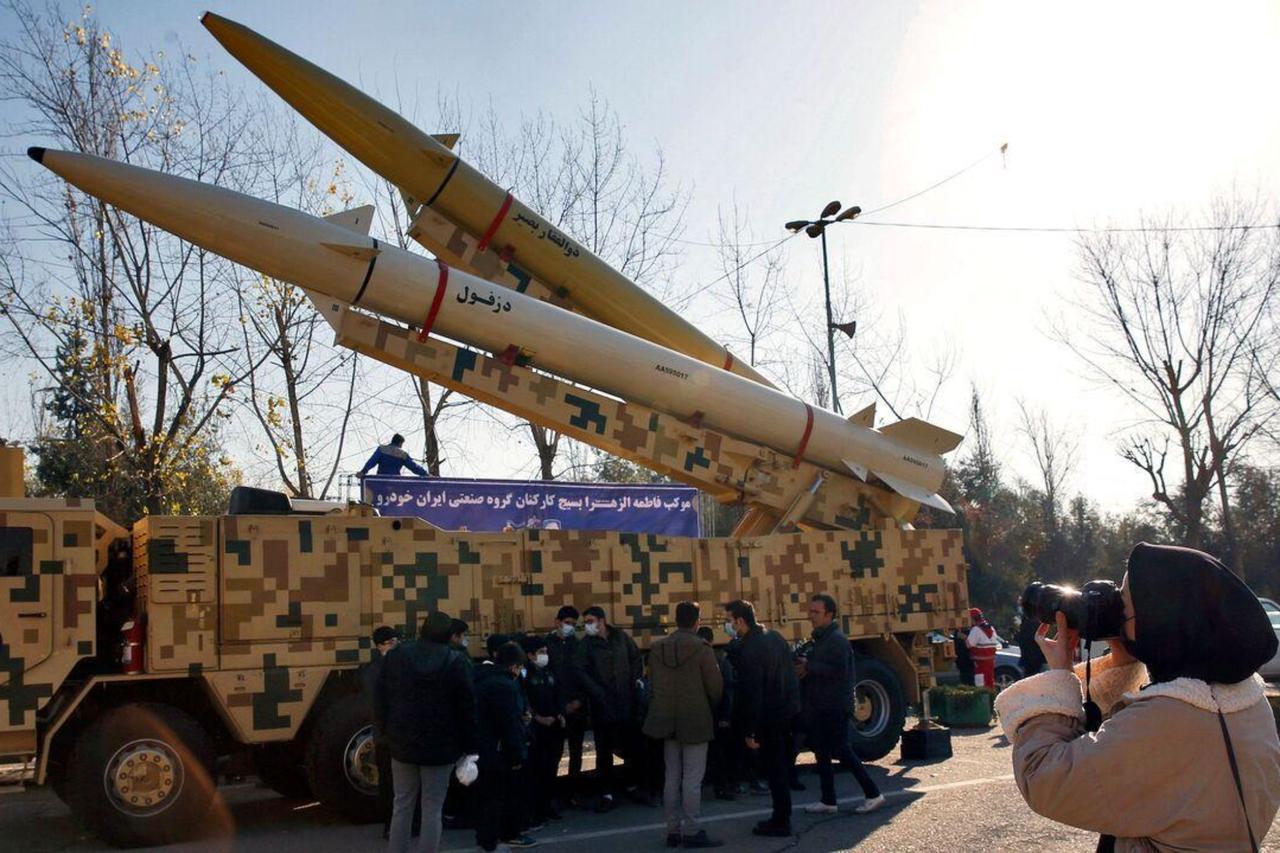
Iran has retaliated with drone and missile strikes targeting Israel as well as Jordan, Iraq and Gulf countries hosting U.S. military assets, causing casualties and damage to infrastructure while disrupting global markets and aviation.


 Set as preferred source
 Set as preferred source


 1 min read