Newsletters


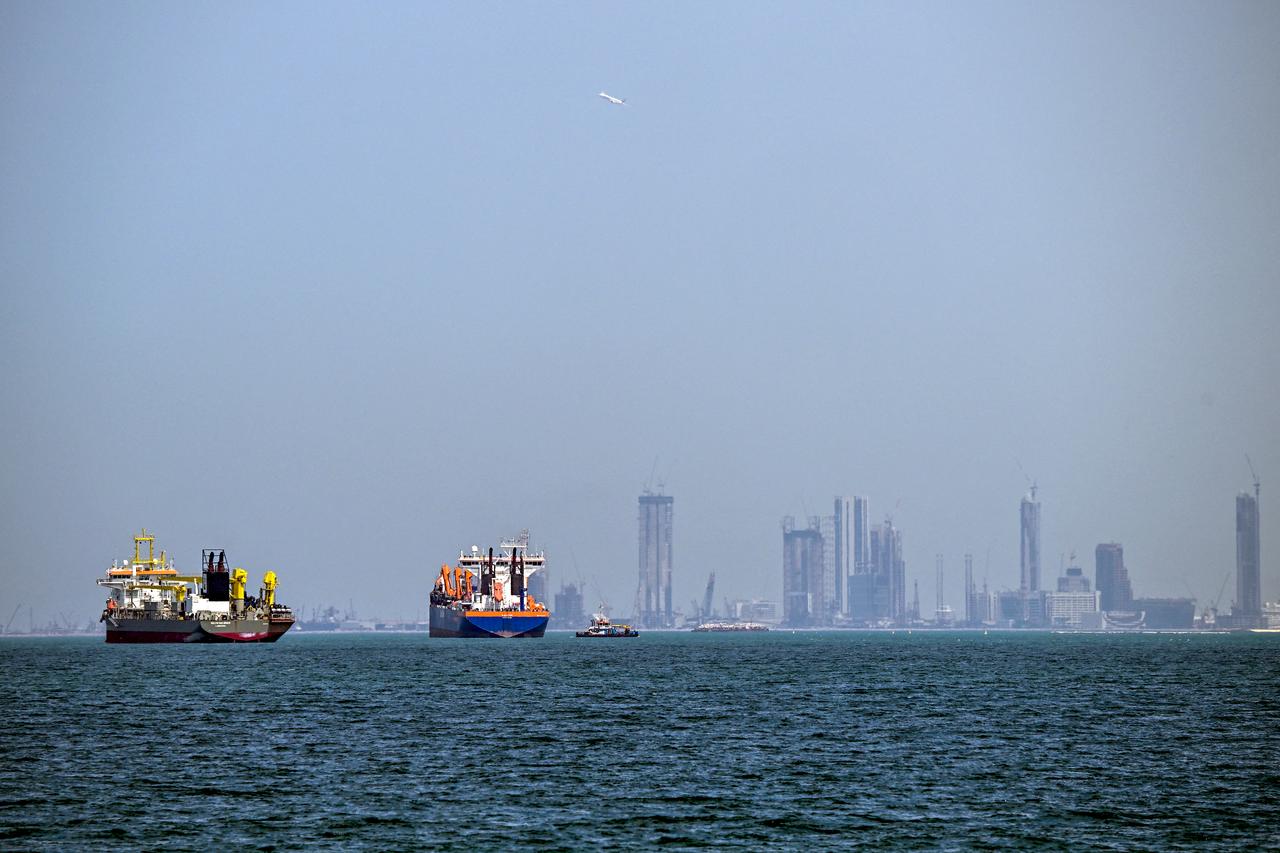


Iran is reportedly allowing ships to pass through the Strait of Hormuz under a controlled system that includes screening and high transit fees, with at least one tanker paying around $2 million to secure passage.
At least nine vessels have already exited through a controlled corridor that routes traffic close to Iran’s Larak Island, allowing authorities to visually inspect ships before granting passage, according to maritime industry outlet Lloyd’s List.
It remains unclear whether all ships granted passage have paid fees, though only one confirmed case has involved a payment of around $2 million, the report added.
India, Pakistan, Iraq, Malaysia and China have been holding talks with Tehran to coordinate vessel transit under an emerging IRGC-run registration and vetting system that requires ships to be cleared before passage, the report suggested.
Iranian state media also reported Thursday that Tehran is preparing legislation that could require ships to pay transit fees and taxes to pass through the waterway, which carries about 20% of global oil and liquefied natural gas flows.
The arrangement comes as maritime traffic through the strait remains sharply reduced, with around 20,000 seafarers and nearly 2,000 vessels still unable to leave the Persian Gulf amid ongoing conflict. The International Maritime Organization (IMO) held an emergency session Thursday, calling for a secure maritime framework to enable stranded ships and crews to leave the region.
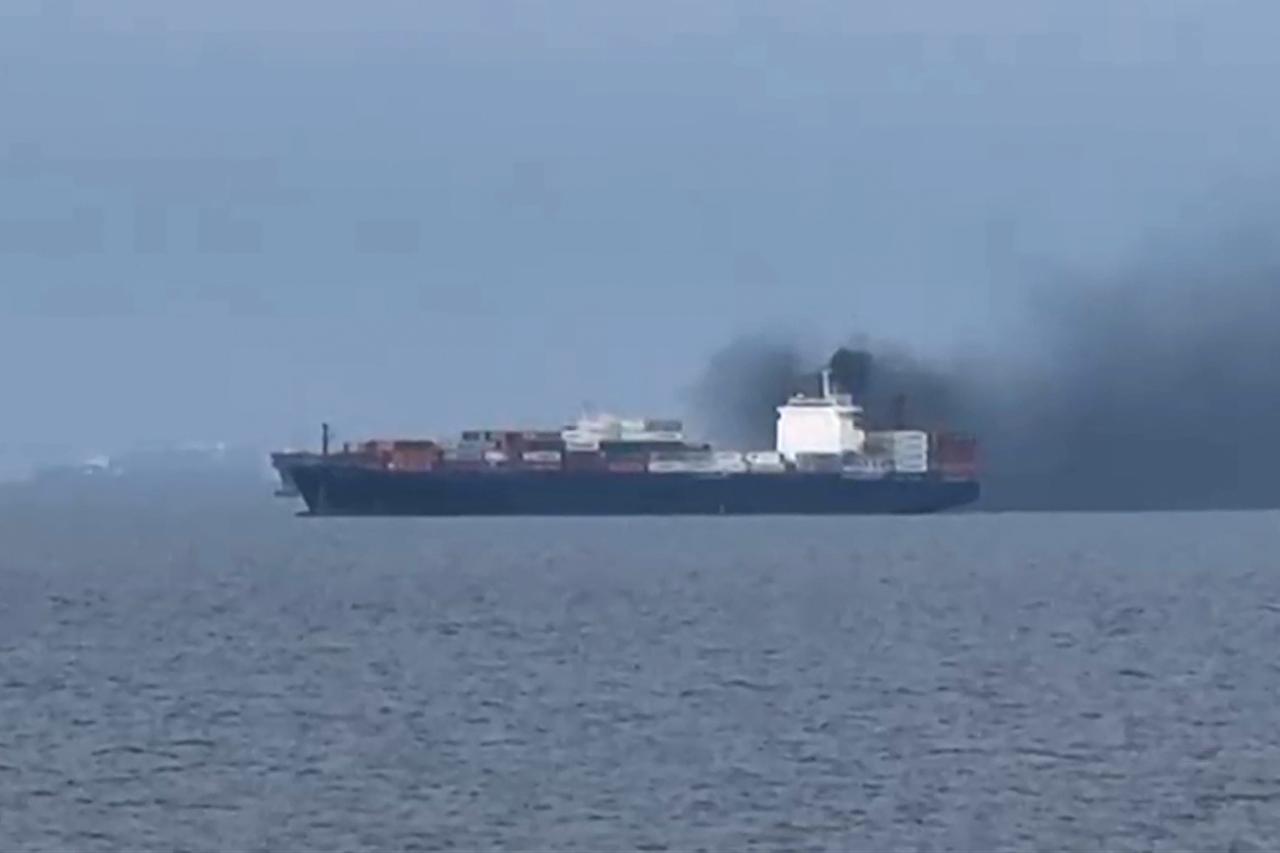

Since the war began on Feb. 28 with U.S.-Israeli airstrikes, Iran has effectively closed the strait by prohibiting unauthorized crossings.
The move was reinforced by warnings from Iran’s Islamic Revolutionary Guard Corps, which said vessels entering the waterway could be targeted, prompting most shipping companies to halt operations or divert routes.
Over 20 commercial vessels have been struck by missiles and drones since the conflict began, with at least 17 confirmed incidents and multiple cases leaving seafarers dead or injured. As attacks intensified, war risk insurance premiums for ships operating in and around the Strait of Hormuz surged.
Marine insurers expanded high-risk zones across the Gulf, forcing shipowners to secure additional coverage before entering the area, with premiums in some cases rising severalfold from pre-conflict levels.
The disruption weighed on regional trade and pushed global energy prices higher, with oil peaking at $119 per barrel.


 Set as preferred source
 Set as preferred source


 2 min read
 1 min read