Newsletters


Iran has asked Yemen's Houthi movement to stand ready to close the Red Sea's Bab el-Mandeb strait if the United States strikes Iranian power infrastructure, Reuters reported, citing three sources, opening a potential second front in the disruption of global energy supplies alongside the already-shuttered Strait of Hormuz.
The report says that the idea has been discussed within Iran's leadership and conveyed to the Houthis, according to two senior Iranian sources and a regional source familiar with the matter who spoke on condition of anonymity.
The sources said the Houthis were informed of Tehran's request recently, a development Reuters said had not been previously reported.
The sources did not detail how the message was conveyed or whether it followed U.S. President Donald Trump's Tuesday threat to strike Iranian power infrastructure.
A source close to the Houthis told Reuters the group has completed preparations to attack shipping and is awaiting the order to begin. The group has deployed missiles and drones near the Bab el-Mandeb strait, positioning them in Yemen's highlands overlooking Hodeidah and the Gulf of Aden.
The same source said representatives of Iran's Islamic Revolutionary Guard Corps (IRGC), already present in Yemen, would control the decision on when to close the strait.
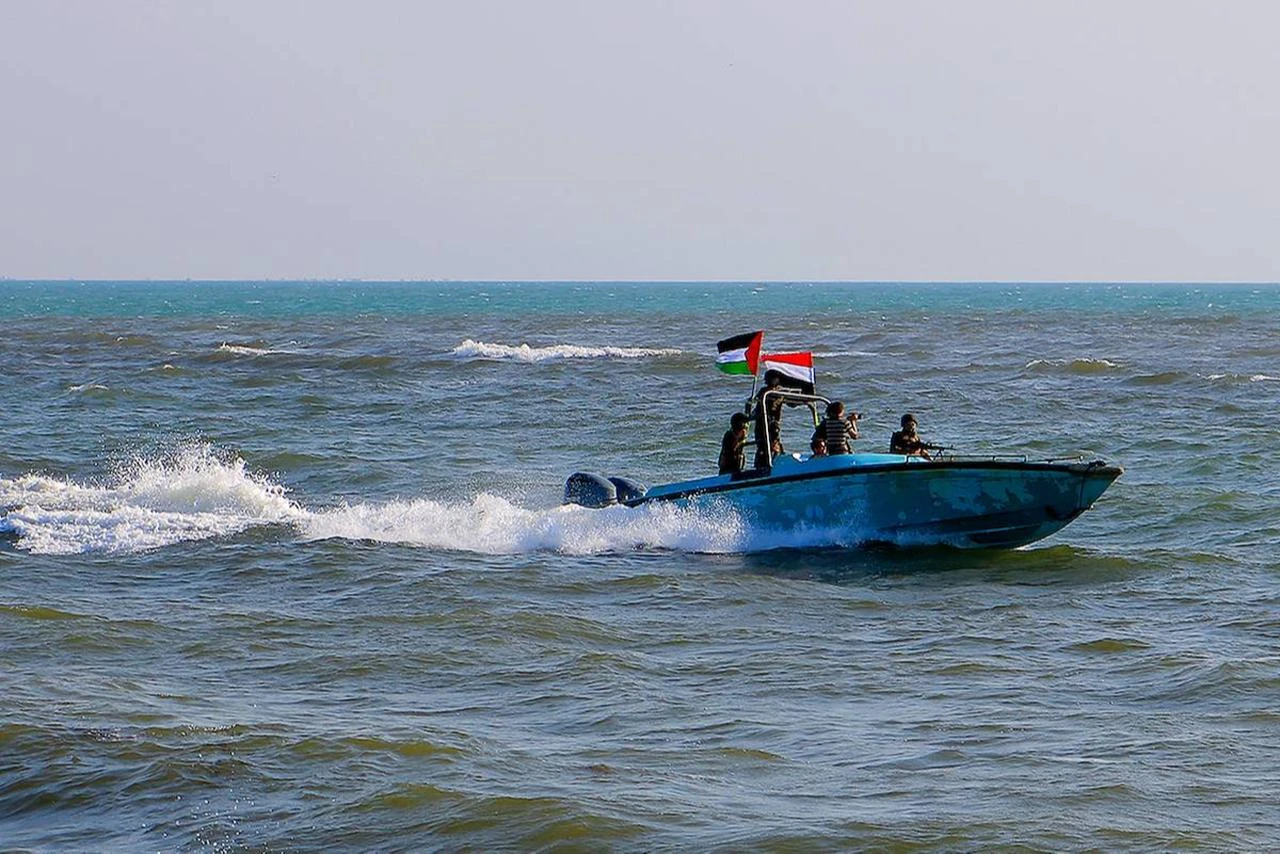

With the Strait of Hormuz already shut, any Houthi attacks on vessels or ports in the Red Sea would leave the Middle East's two main oil export routes disrupted simultaneously.
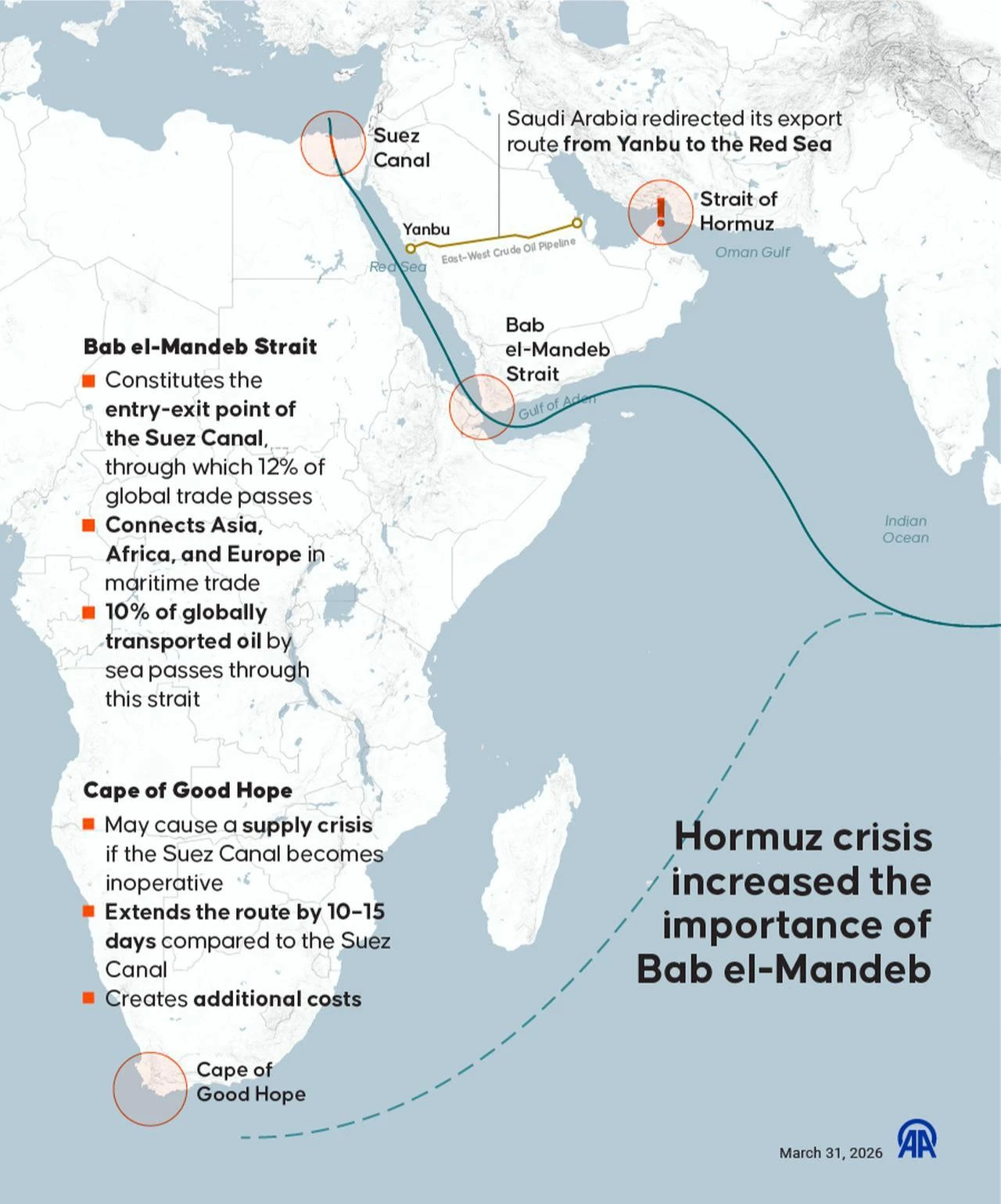
The Bab el-Mandeb, situated between Yemen, Djibouti and Eritrea and about 18 miles wide at its narrowest point, serves as a key transit route for oil shipments moving from the Persian Gulf through the Suez Canal to Europe and beyond, and now carries roughly 7% of global energy supplies.
A significant volume of Gulf oil has been rerouted through the Red Sea via a Saudi pipeline since the Hormuz closure, with Saudi Arabia diverting about 70% of its energy exports through its Red Sea port of Yanbu, making any direct attack there a major concern for oil markets.
Torbjorn Solvedt, principal Middle East analyst at Verisk Maplecroft, told Reuters the flare up between the Houthis and Saudi Arabia had come at a bad time.
"If fighting intensifies and spills over into Red Sea export infrastructure and shipping, it will threaten the only major alternative route for oil exports from the region," he said.
Two regional sources close to Riyadh told Reuters the kingdom was taking the threats from Iran and the Houthis very seriously and was aware the Houthis were now closely coordinating with Iran over the Red Sea.
One regional source told Reuters that Iran's leadership was seeking to pressure the U.S. by raising the potential cost to the global economy, and that closing the strait would not be technically difficult.
"Anybody with a firing rifle can interrupt the shipping. You don't have to have sophisticated missiles to interrupt the shipping," the source said.
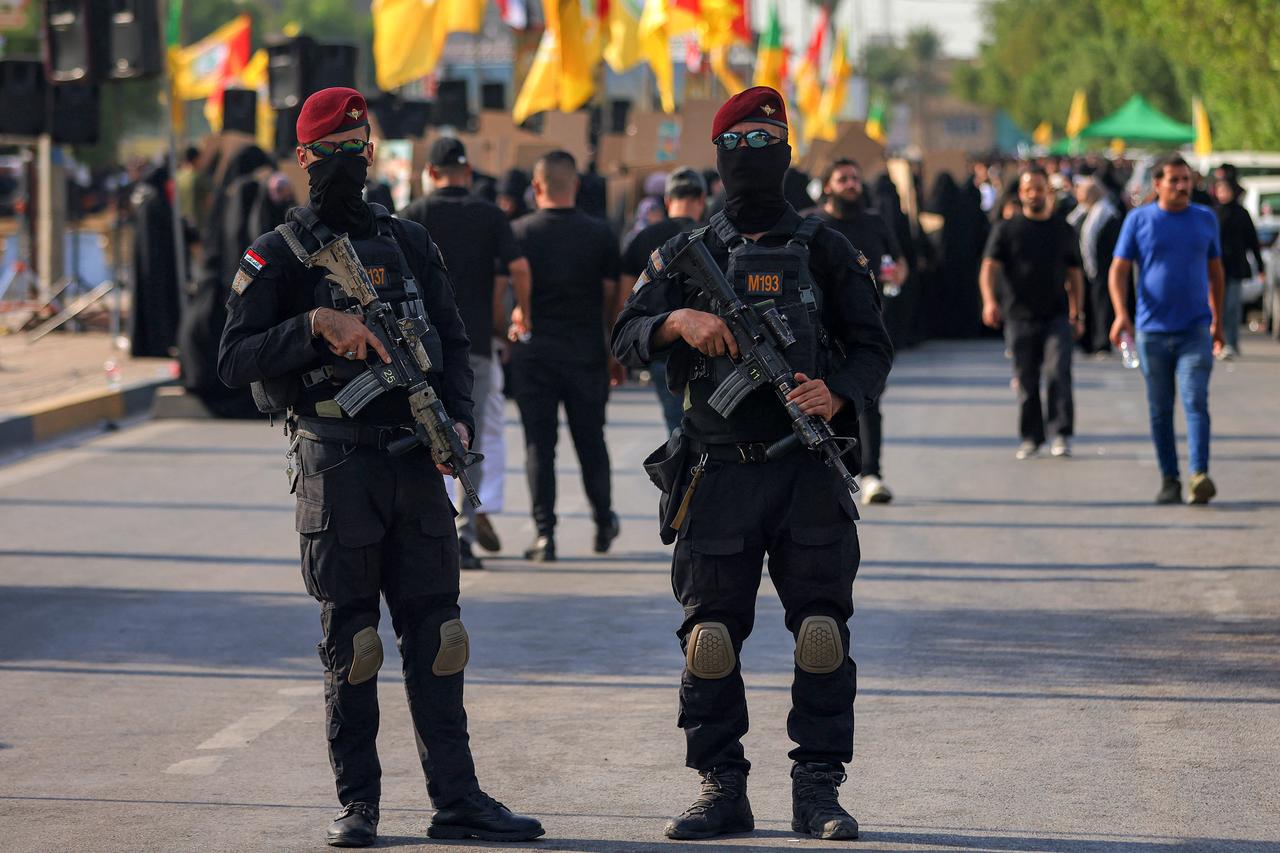
Iran views the Houthis as part of its regional "Axis of Resistance," alongside Hezbollah and Iraqi Shiite armed groups already involved in the broader conflict, though the Houthis have not formally entered the fray.
The U.S. has said Iran provides the Houthis with weapons, funding and training, including support channeled through Hezbollah, an accusation Tehran denies.
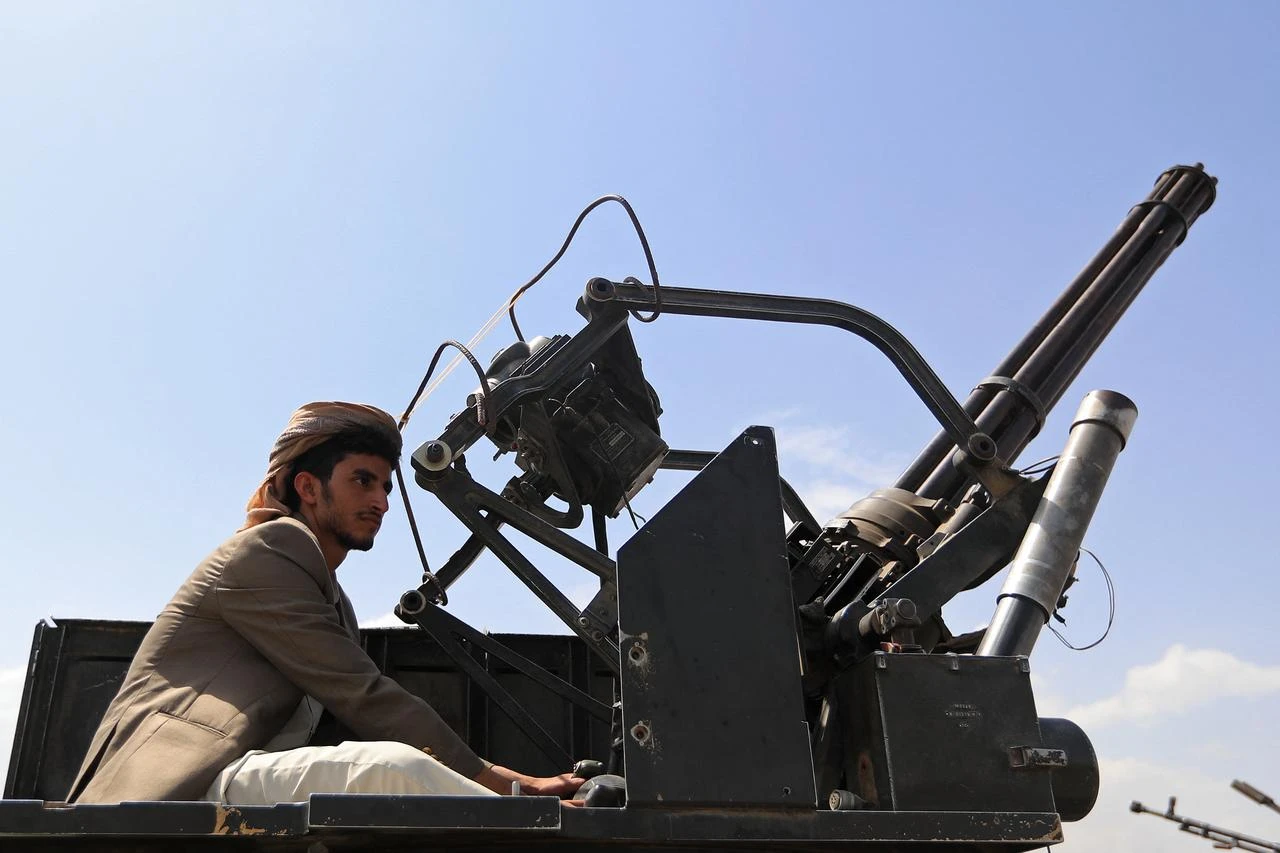
The tensions follow a Houthi accusation Monday that Saudi Arabia broke a four-year truce by bombing Sanaa's airport, prompting Houthi missile strikes on Saudi Arabia.
A senior Houthi official was quoted by Iran's Press TV as warning: "If the current situation aggravates, the Bab el-Mandeb Strait and the Strait of Hormuz will be closed in an operational alliance. Oil prices would then skyrocket to $200 a barrel in a dreadful shock."
Iran's IRGC separately warned it could target "all other export corridors that benefit the U.S. and its allies" in response to the reinstated U.S. blockade of the Strait of Hormuz, saying in a statement carried by IRNA: "Regional energy exports are either shared by all, or denied to all."
Experts caution that the Houthis are not simply an Iranian proxy.
Analysts previously told Time that the group has "their own locally defined interests" distinct from Tehran's, even as the warnings over Bab el-Mandeb have fueled concern that Iran could use its Houthi allies to apply additional pressure.
Despite the rising tensions, Noam Raydan, a senior fellow at the Washington Institute for Near East Policy, told Time that transit through the Red Sea has increased this year as shipping companies pursue alternative routes around the disrupted Strait of Hormuz.
"We've had a lot of tankers that would go up to Yanbu instead of entering the Persian Gulf. They load in Yanbu, the Red Sea, and then they go back down via Bab el-Mandeb, and then they go to Asia, including markets like South Korea and China," Raydan said.
According to the U.S. Energy Information Administration, crude oil and condensate transiting the Bab el-Mandeb rose from 3.7 million barrels per day in the first quarter of 2025 to 5.4 million barrels per day in the first quarter of 2026.
Liquefied natural gas flow through the passage, which had halted in the second quarter of 2025, returned to 2.9 billion cubic feet per day in the first quarter of 2026, according to EIA data cited by Time.
Separately, shipping data showed just three commodity vessels crossed the Strait of Hormuz on Thursday, the fewest daily transits since May, according to Reuters, with most ships halting or reversing course following recent Iranian attacks on vessels and the resumption of the U.S. blockade.
On Wednesday, 11 vessels crossed the strait, a fraction of the roughly 125 vessels that transited daily before the war, Reuters reported.
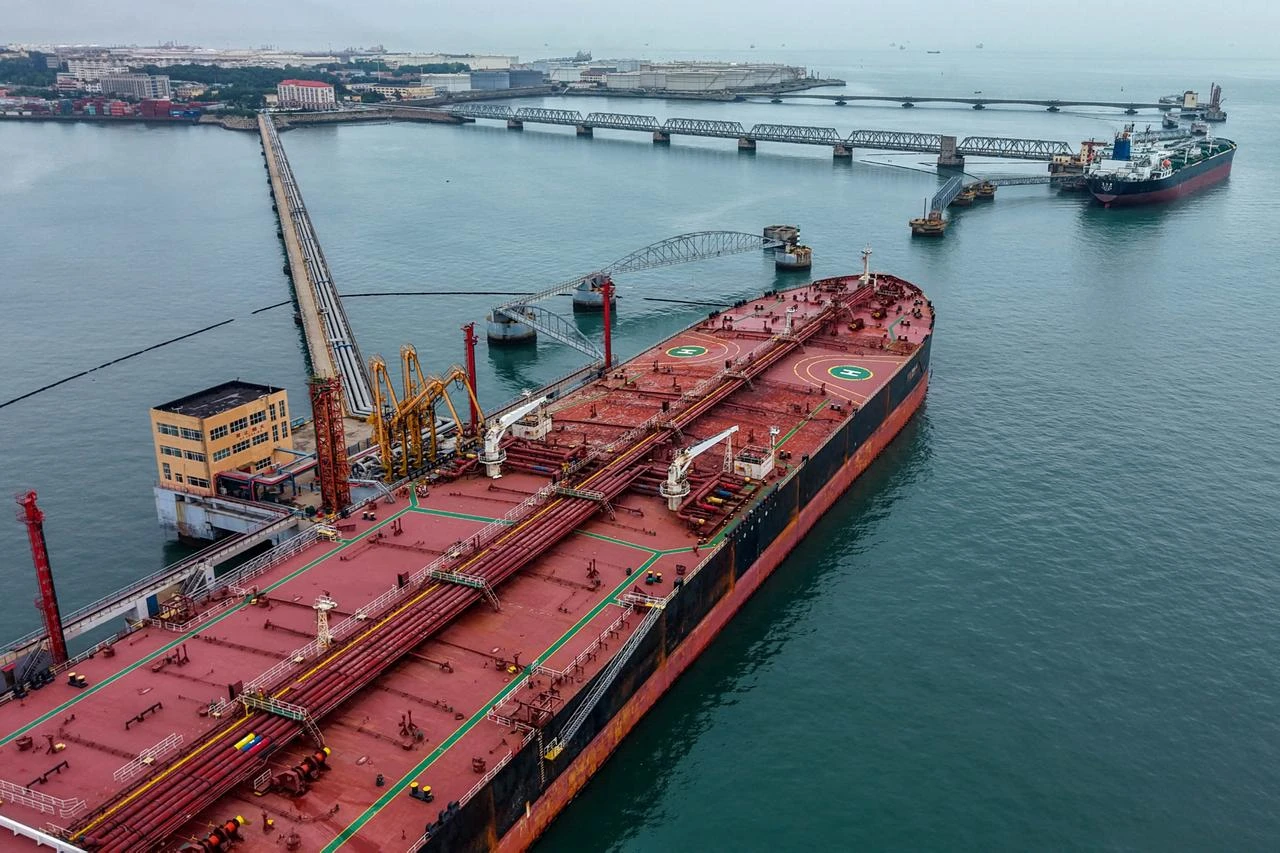
According to Kpler and LSEG shipping data cited by Reuters, no Very Large Crude Carrier (VLCC) or LNG tankers passed through the strait for a second consecutive day Thursday, though two VLCCs carrying 2 million barrels of crude each reappeared on tracking systems outside the strait Thursday, having reportedly transited days earlier: the Colombia Prosperity, carrying Saudi crude bound for Okinawa, Japan, and the Costa Rica Prosperity, carrying Iraqi crude bound for Türkiye.
Iraq briefly suspended oil loadings at all its terminals on Thursday after a drone struck a tanker at its Basra terminal, according to four Iraqi oil and security sources cited by Reuters, before loadings later resumed.
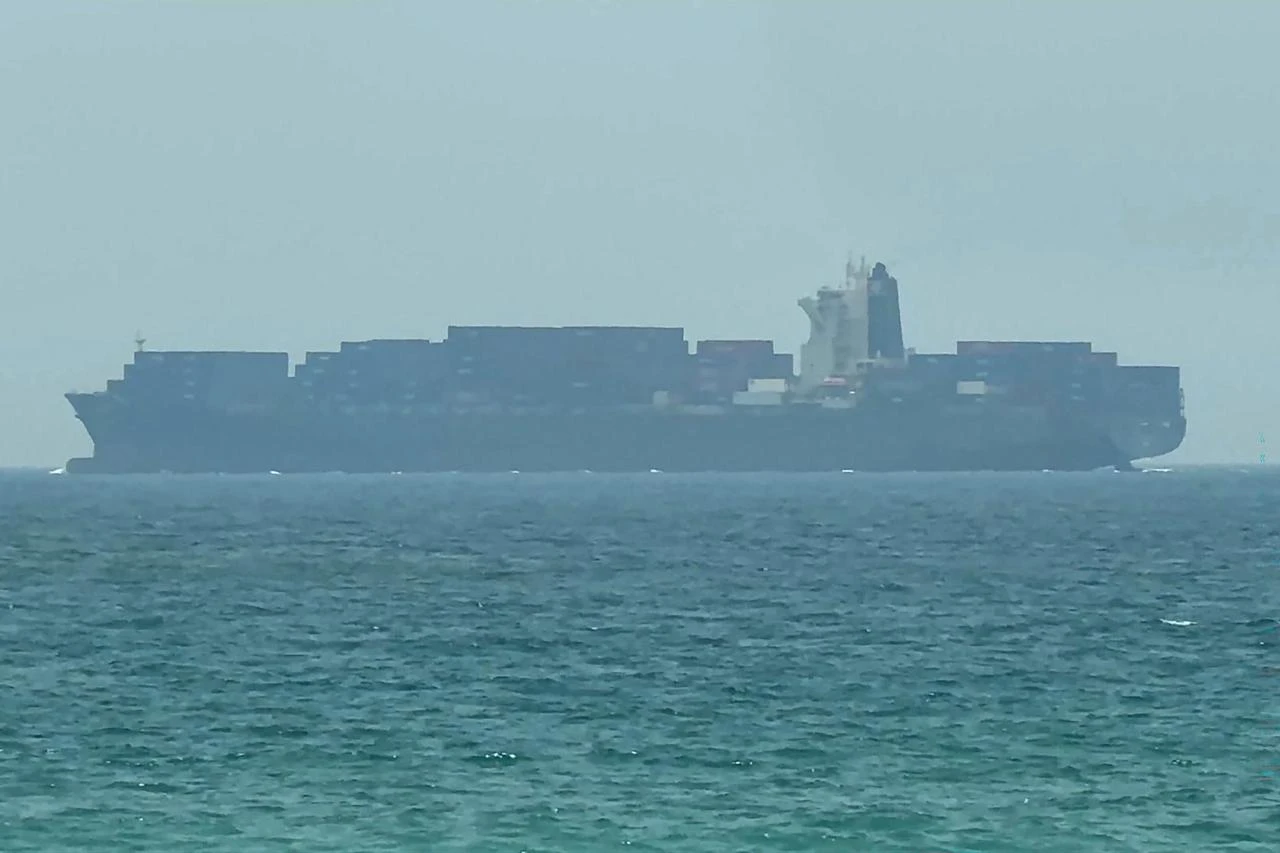
U.S. Central Command (CENTCOM) said Friday that U.S. forces had "redirected 3 commercial vessels trying to run the blockade, disabled 1 that didn't comply, and boarded 1 to ensure full compliance with the ongoing U.S. naval blockade against Iran," in a post on X.
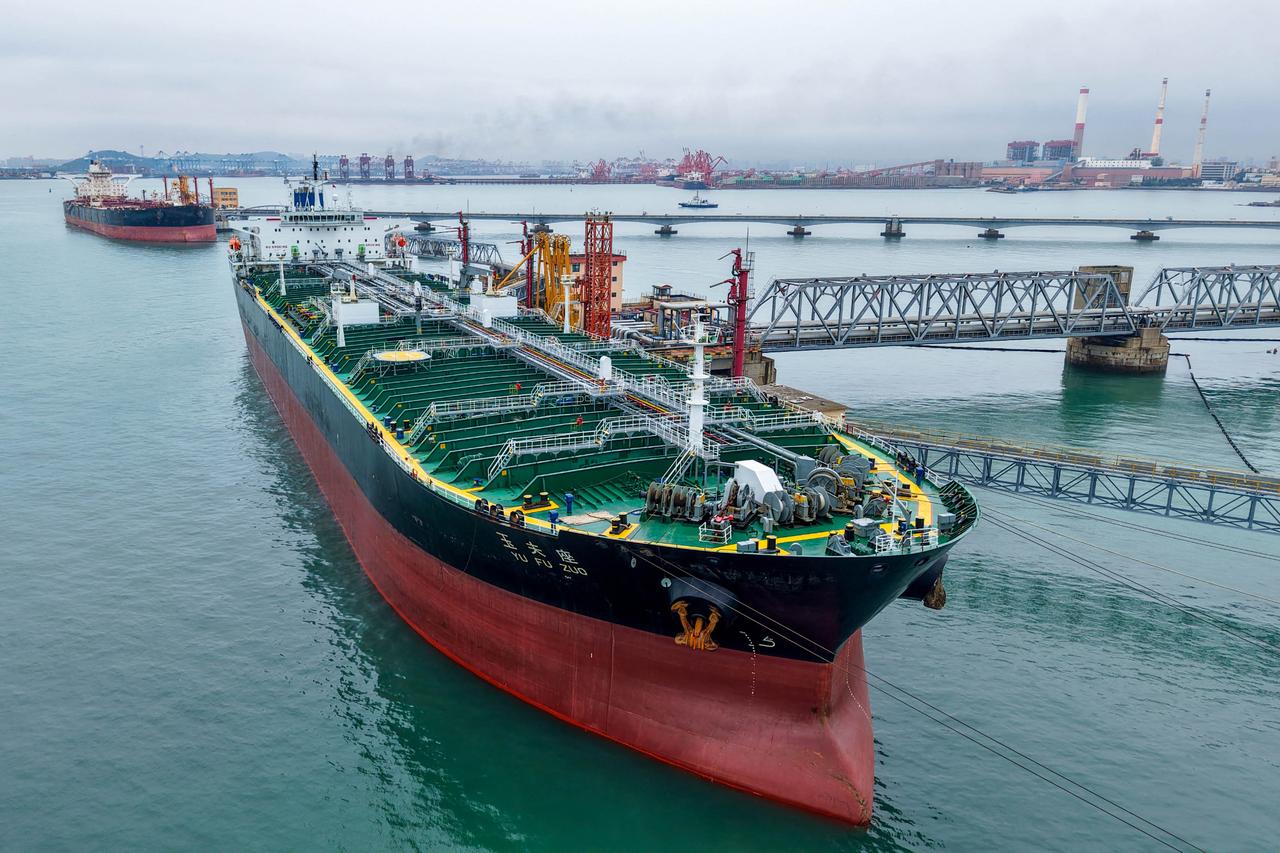
CENTCOM said U.S. Marines from the 11th Marine Expeditionary Unit conducted a verification boarding of the motor tanker Wen Yao in the Gulf of Oman on Thursday, and that the strait and surrounding waters remain open except to vessels attempting to violate what it called "America's steel-wall blockade."


 Set as preferred source
 Set as preferred source


 1 min read
 1 min read