Newsletters


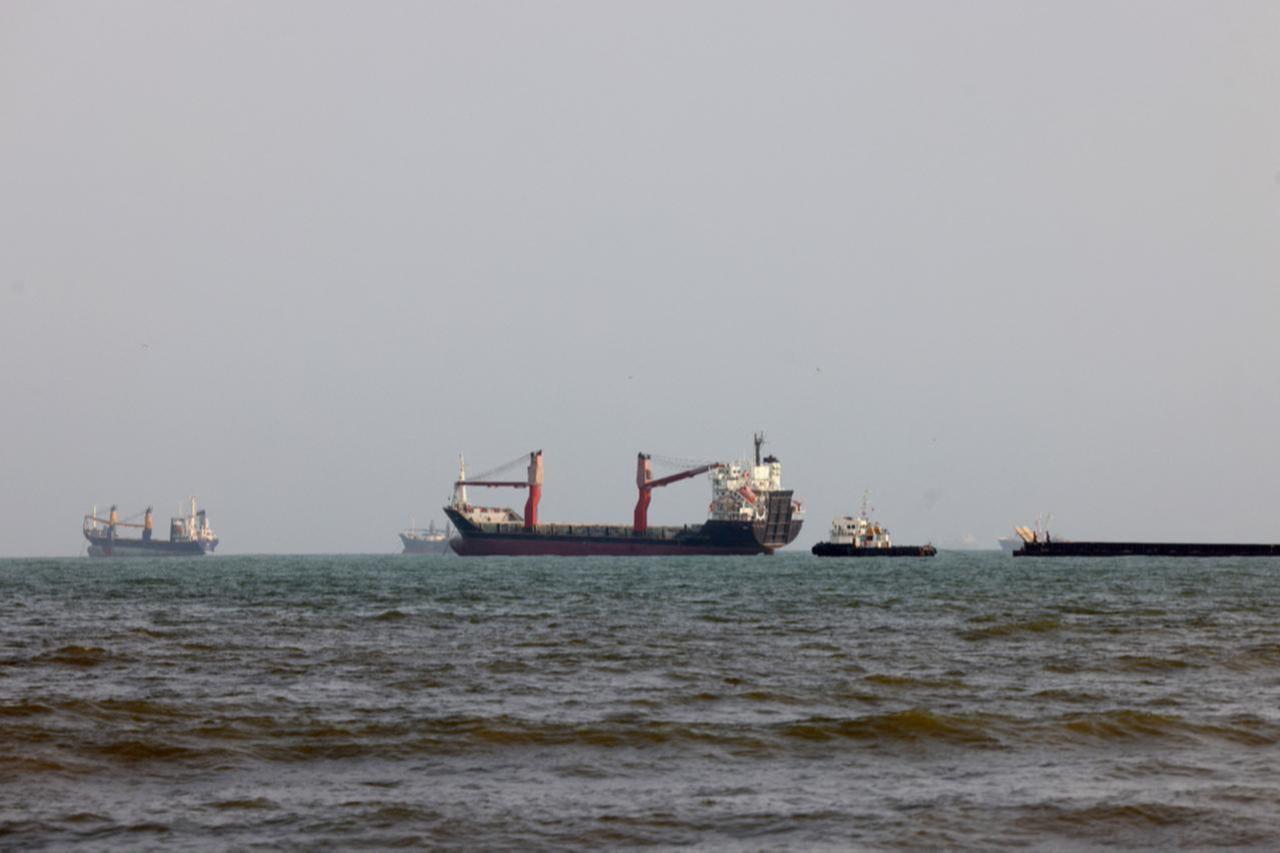


Iran's Islamic Revolutionary Guard Corps (IRGC) said Wednesday that two more oil tankers struck naval mines and caught fire in the Strait of Hormuz, adding to a growing string of attacks on commercial shipping in the strategic waterway.
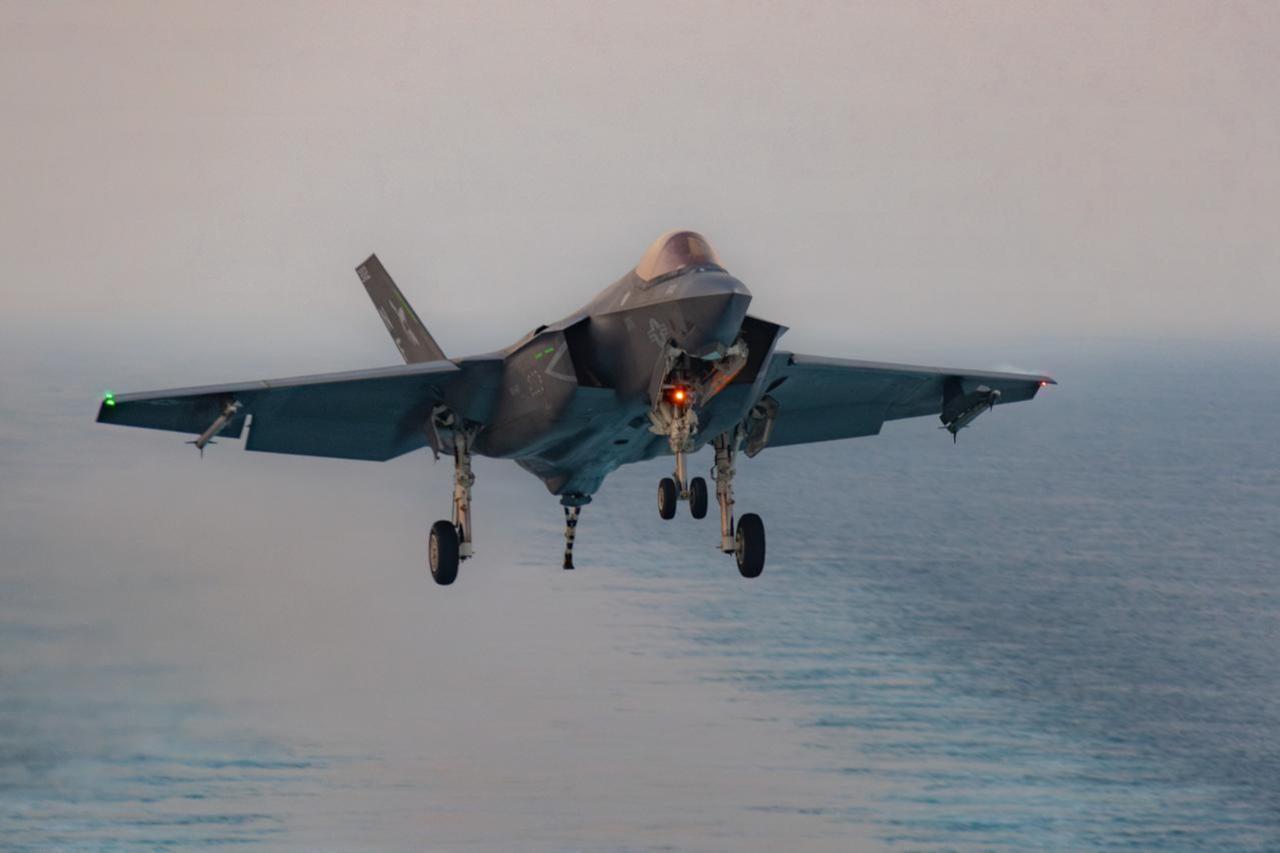
The IRGC Navy reported that the vessels had attempted to cross the strait late Tuesday using a route that Tehran had not authorized. Both tankers had allegedly switched off their navigation and identification systems before attempting the passage with support from U.S. military aircraft.
According to the statement, the ships struck naval mines, triggering explosions and fires. Both sustained heavy damage and were abandoned by their crews, but the blazes continued despite firefighting efforts.
Earlier this week, the IRGC Navy reported that another oil tanker had exploded after striking a naval mine in the eastern part of the Strait of Hormuz. Tehran blamed the incident on the vessel's attempt to use an unauthorized route.
IRGC attributed the incident to the destruction of coastal radar and navigation-aid systems south of the strait, which they claimed had made unauthorized passages more dangerous. The IRGC argued that vessels using these routes risked striking naval mines.
Last week, the IRGC Navy reported that two oil tankers and a tugboat had caught fire in separate incidents. One tanker allegedly struck a mine while attempting to cross a passage south of the strait, while another supertanker caught fire in the eastern part of the waterway.
A tugboat that approached the second vessel to help extinguish the blaze also caught fire, according to the IRGC.
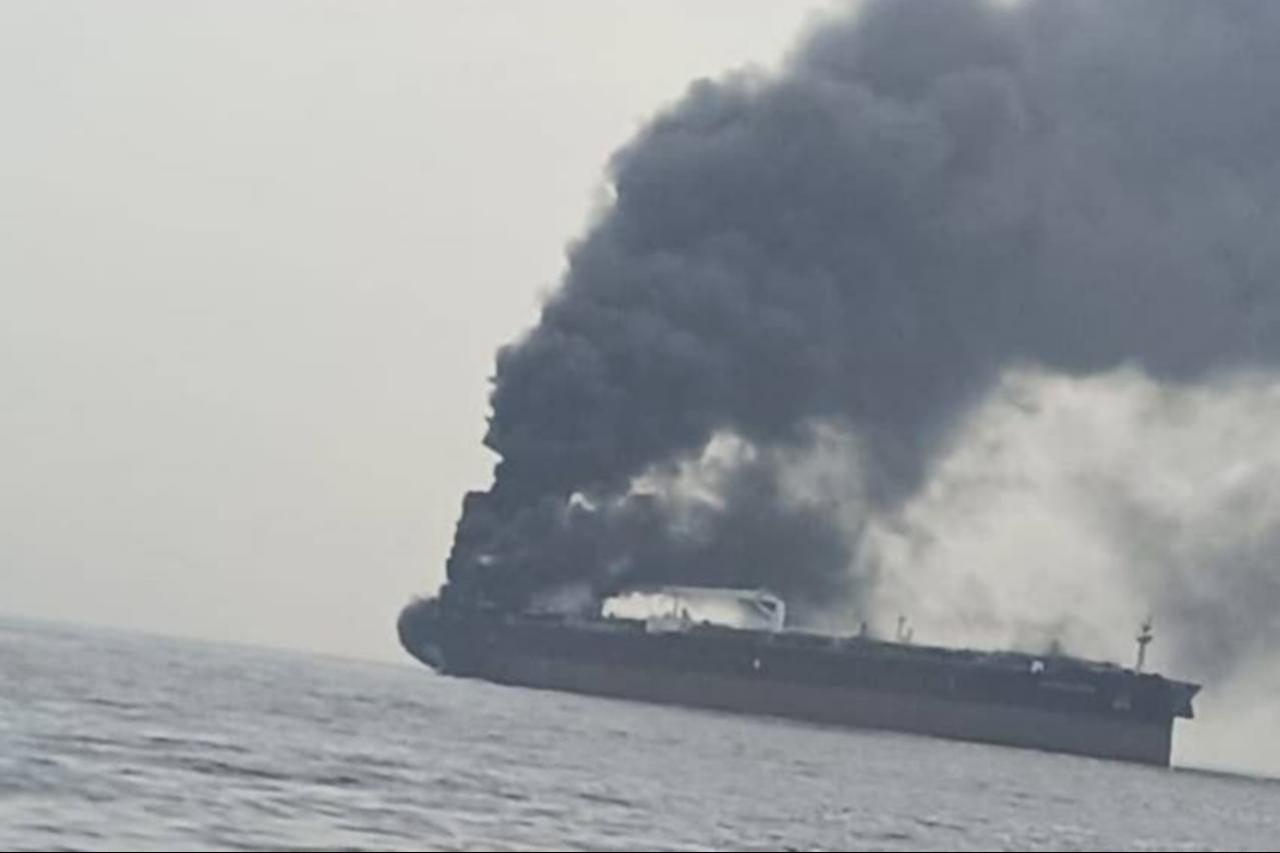

According to Reuters, 37 ships came under attack in October, the highest monthly total since the war began. Another 10 attacks were recorded in the first 10 days of November, according to data cited by the news agency.
The escalation has also caused environmental damage. Oil leaked from damaged tankers and reached parts of Oman's coastline, while satellite imagery showed spills off the coasts of Oman and the United Arab Emirates, Reuters reported.
The International Maritime Organization has recorded 130 maritime incidents in the region since the conflict began in late February, with at least 25 seafarers killed.
Since the war began in February, Iran has sought to impose its own navigation rules, requiring commercial vessels to coordinate passage with the IRGC and use routes designated by Tehran.
In April, the IRGC released an alternative shipping map that diverted approved vessels closer to Iran's coastline, away from established international shipping lanes. The United States has rejected Tehran's restrictions, arguing that commercial vessels have the right to freedom of navigation through the strategic waterway.
The competing arrangements have left shipping companies facing uncertainty over which routes they can safely use and whose instructions they must follow.


 Set as preferred source
 Set as preferred source


 1 min read
 1 min read