Newsletters


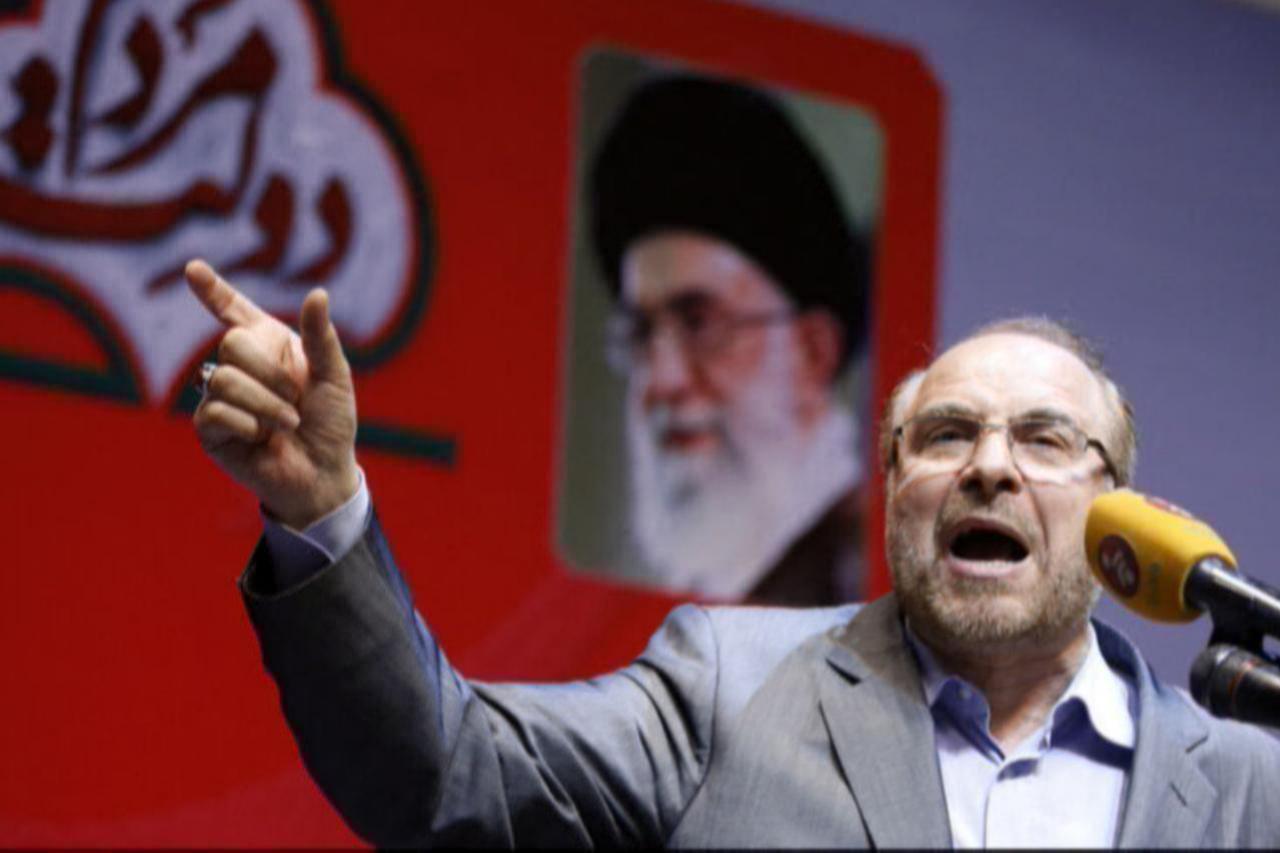


Iranian Parliament Speaker and chief negotiator Bagher Ghalibaf said Wednesday that American voters had rejected war in the U.S. midterm elections, warning Washington of severe consequences if it disregarded what he described as the public's opposition to military conflict.
Ghalibaf's remarks, posted on X, marked Iran's first reported reaction to the elections, in which Democrats regained control of the Senate and were projected to win the House of Representatives, dealing a major setback to President Donald Trump's Republican Party.
"Conscience or the cost of living, Americans said NO TO WAR, and we endorse this message. If the U.S. govt betrays their public will to serve international paymasters and blackmailers, it will learn our NO comes with a Nightmare," Ghalibaf wrote.
His warning came as the economic consequences of the U.S. war against Iran, including rising living costs and fuel prices, emerged as major issues in the midterm elections.
Democrats secured 51 seats in the 100-member Senate, reclaiming control of the chamber from Republicans, according to preliminary results reported by The Associated Press (AP).
The party flipped six Republican-held Senate seats in North Carolina, South Carolina, Texas, Ohio, Kansas and Iowa.
In the House of Representatives, AP had called 173 seats for Democrats and 106 for Republicans, with Democrats capturing nine seats previously held by Republicans.
 2 min read
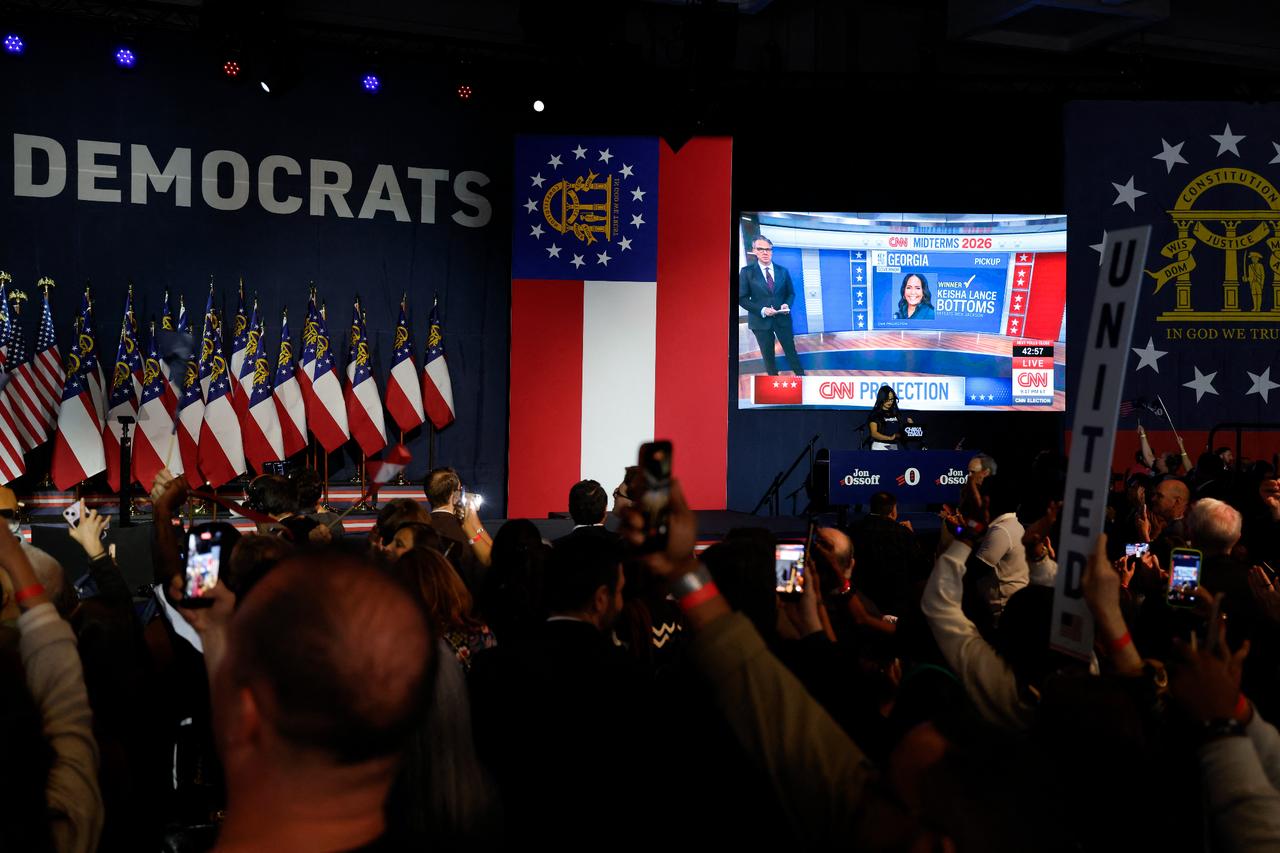
Although Democrats had not yet reached the 218 seats required for a House majority in AP's race calls, CNN and CNBC projected that the party would gain control of the chamber.
The results gave Democrats control of the Senate and put them on course to control both chambers of Congress during the final two years of Trump's presidency.
Such an outcome would strengthen the opposition's ability to challenge Trump's legislative agenda, launch congressional investigations and influence the confirmation of senior administration officials and judicial nominees.
The elections were widely viewed as a test of Trump's second term, with voter dissatisfaction over rising living costs, tariffs and the economic fallout from the war against Iran weighing on Republicans.


 Set as preferred source
 Set as preferred source



 1 min read