Newsletters


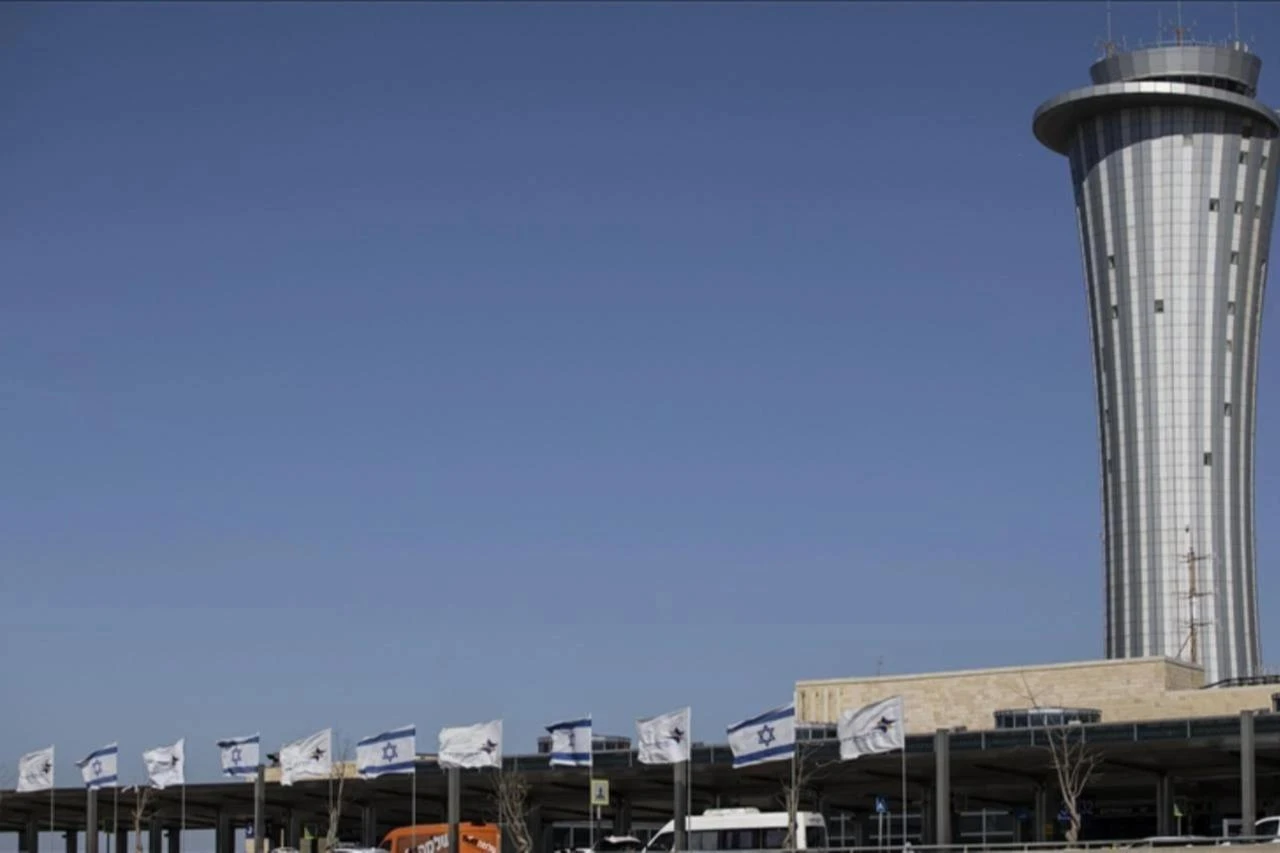


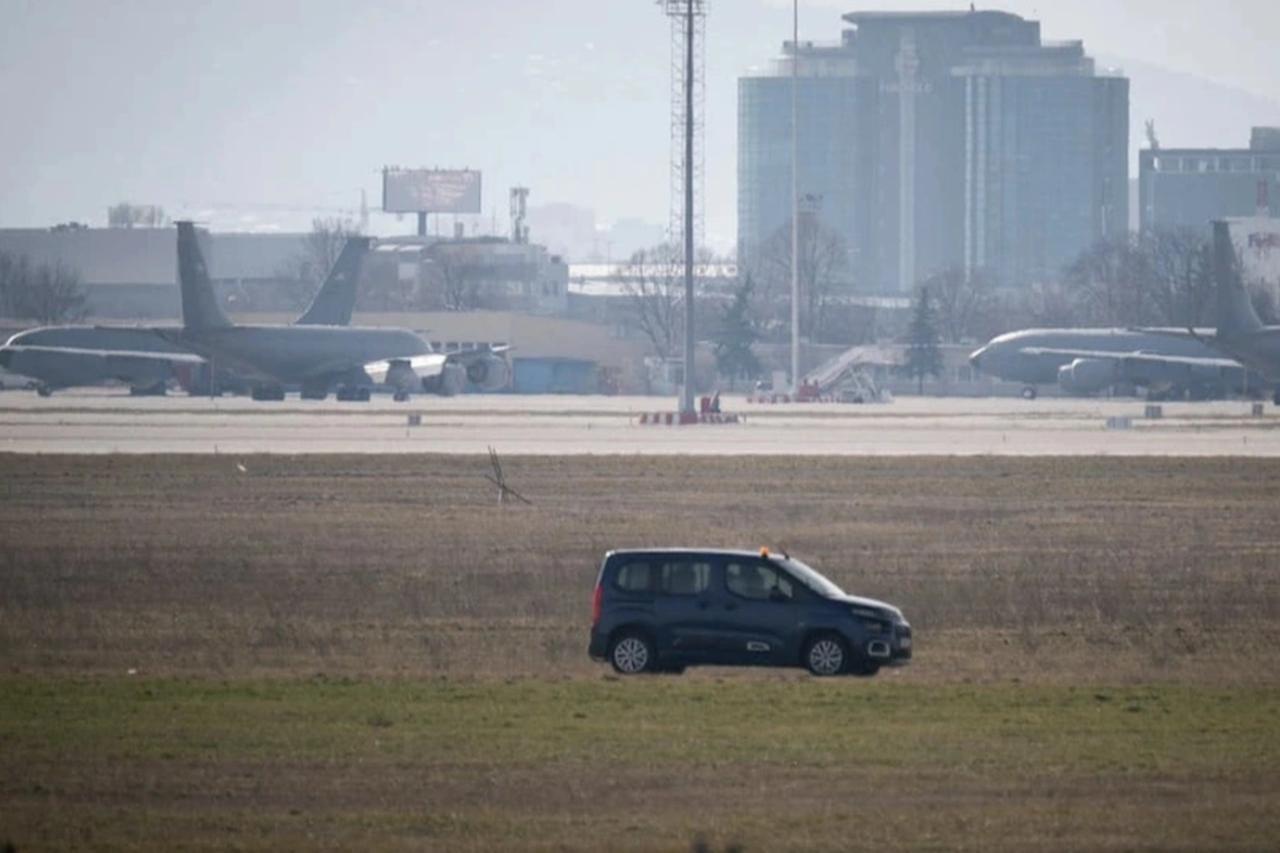
Ten additional American aerial refueling aircraft are en route to Ben Gurion International Airport, Israeli media reported Saturday, pushing the total number of US military tankers stationed at Israel's main civilian airport to 40 and compounding an already serious operational crisis at one of the region's busiest travel hubs.
The Calcalist newspaper, citing the Israel Airports Authority, reported that the incoming aircraft will join 30 US refueling planes already on the ground.
The authority warned that the military presence has placed a significant operational burden on the airport, causing civil flight delays of around two hours in recent days, with disruptions expected to worsen once the additional aircraft arrive.
The latest development upends a deal struck just two weeks earlier. Israel's Transportation Ministry announced July 15 that it had reached an agreement with Washington to reduce the number of US refueling aircraft at Ben Gurion to 20 by July 21, with remaining planes to be relocated to Israeli Air Force bases.

The timing is particularly acute. Ben Gurion typically sees its heaviest passenger traffic during July and August, and the authority cautioned that disruptions will only worsen as additional military aircraft arrive.
The airport has been hosting US tanker aircraft, primarily KC-135 Stratotankers and KC-46A Pegasus aircraft, since the outbreak of the US-Israeli war on Iran on February 28.
Aerial refueling tankers extend the range and endurance of strike aircraft mid-flight, making them a critical component of long-range bombing operations.
The latest buildup comes against a backdrop of mounting tension between Washington and Tehran. Israeli media reported Saturday that Tel Aviv's defense establishment was preparing for the possibility of a major American strike on Iran.
President Donald Trump warned on Friday that the US would hit Iran "very hard," adding to a week of signals from both governments that a new round of military action could be imminent.
The tension over Ben Gurion's capacity is not new. Since US forces began basing tanker aircraft at the airport in late February, Israeli civilian aviation authorities have repeatedly flagged the operational strain. T
he Israel Airports Authority has previously warned that the crowding could force mass cancellations of commercial flights and jeopardize tens of thousands of passenger bookings during the summer season. The US military has preferred Ben Gurion partly because it is considered less exposed to Iranian attack than other bases in the region.
With a new wave of aircraft now incoming, Israeli authorities face renewed pressure to broker a workable arrangement before the peak travel period reaches its height.


 Set as preferred source
 Set as preferred source


 1 min read


 1 min read