Newsletters




Iran's army said Sunday it is fully prepared for any renewed U.S. attack and warned that Washington would suffer greater damage if it strikes again, hours after U.S. President Donald Trump rejected Tehran's plan to reopen the Strait of Hormuz.
Army spokesperson Brig. Gen. Mohammad Akraminia told state television that the U.S. could resort to "military aggression" because of its poor position in the region, while army chief Amir Hatami warned that no one would be able to trade through Hormuz if Iran cannot.
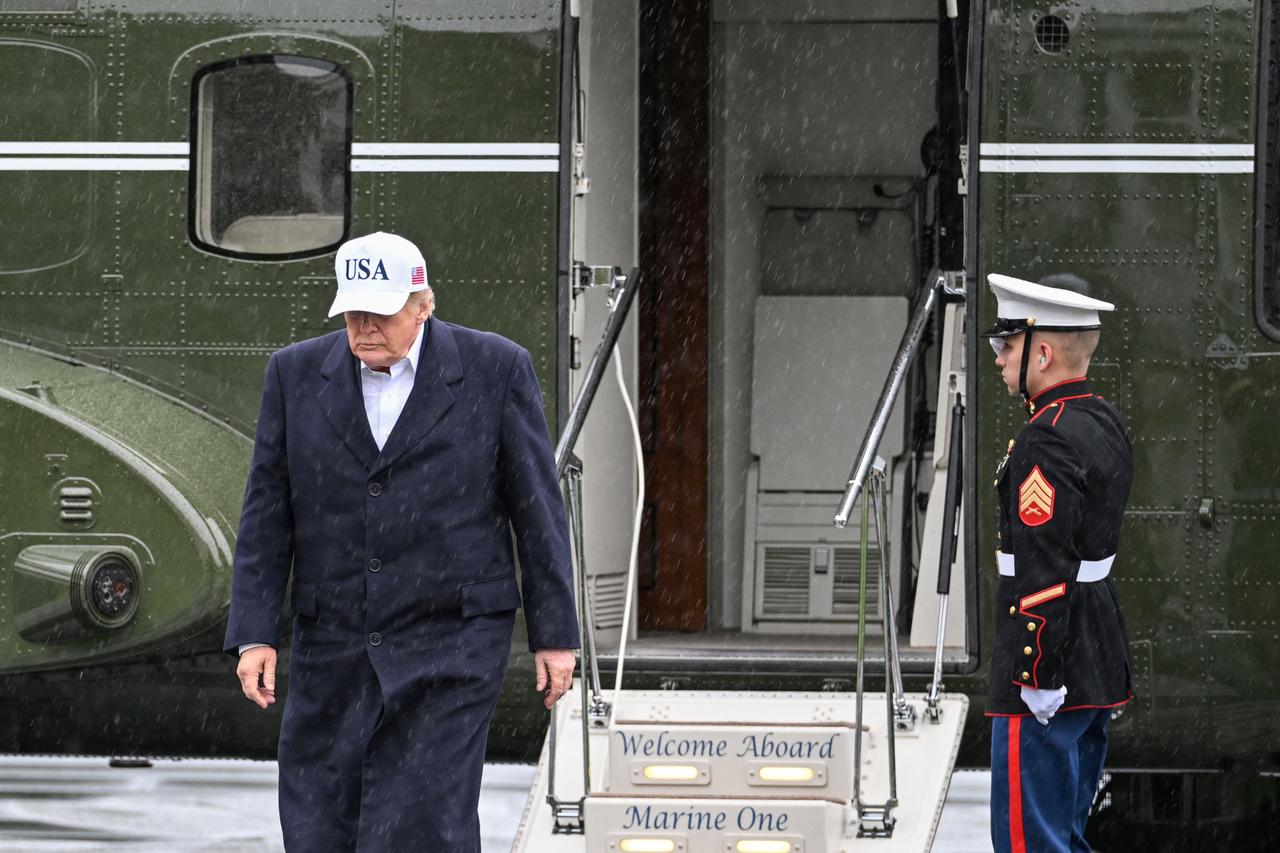
Trump said Saturday that he had rejected Iran's seven-day proposal to reopen the strait and restart nuclear talks.
Tehran says it is still waiting for mediators to convey Washington's formal response.
Akraminia made the remarks on the "Battle of Hormuz" program on Iran's state-run Khabar network, according to the Islamic Republic of Iran Broadcasting (IRIB) News Agency.
"America's situation in the region is not good at all, and it may resort to military aggression," he said, adding, "The army of the Islamic Republic of Iran is ready in every way for battle with the enemy."
He warned the U.S. and its allies that "in case of renewed military aggression, you will suffer more damage."
"Expelling America from West Asia will make the region secure," Akraminia said.
"America's priority is ensuring the security of the Zionist regime and its own interests, not the Muslim countries of the region," he added.
The Iranian official claimed that Trump had miscalculated when the war began.
"Trump thought that with the blows dealt to Hamas and Lebanon's Hezbollah and the fall of Syria, conditions were ready for military aggression on Iranian soil, but the army and the IRGC stopped their war machine in the war with the American-Zionist enemy," he said.
"America and the Zionist regime failed in the war with Iran to achieve their declared goals (destroying missile capability) and their hidden goals (partitioning Iran)," he added.
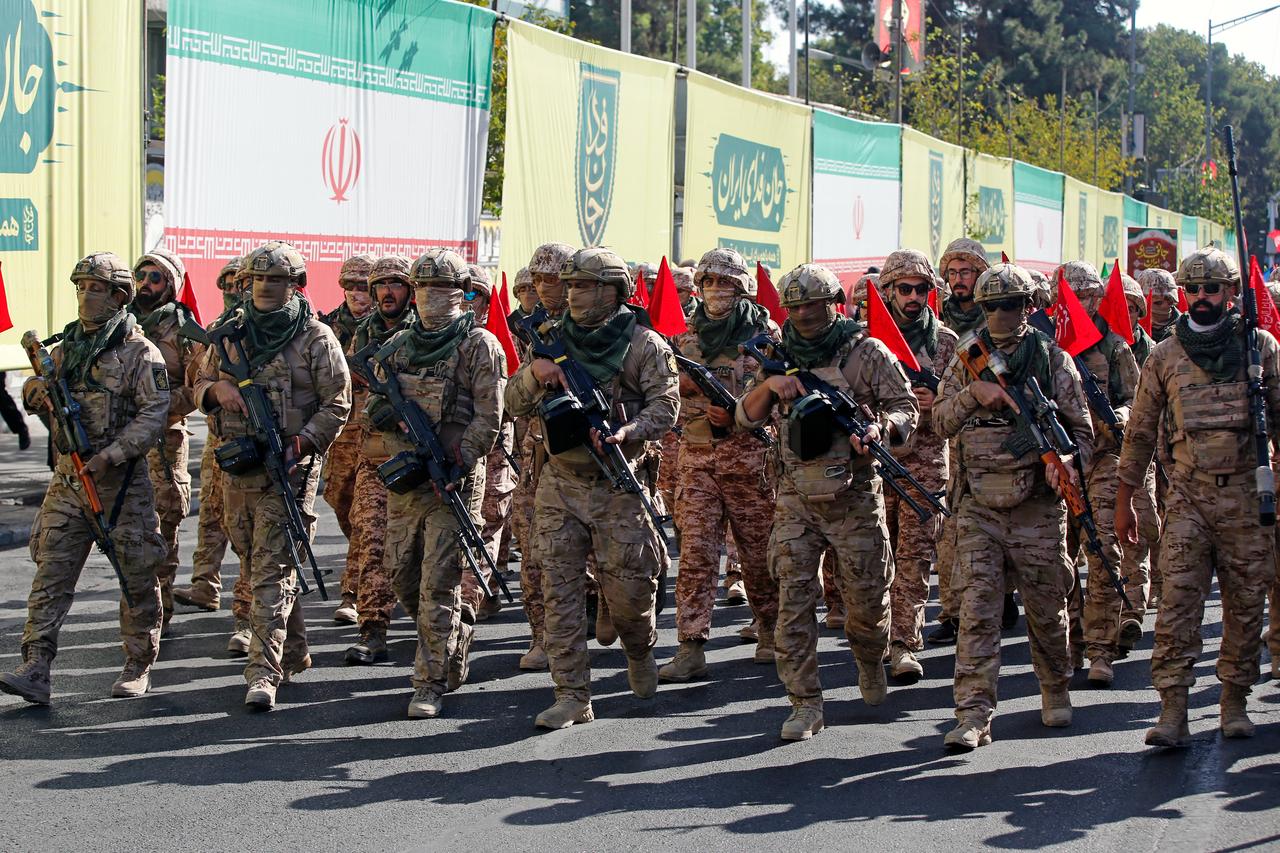

Iranian Army Commander-in-Chief Amir Hatami said the war was at a critical and decisive stage, and that Tehran would not accept being unable to trade while foreign powers use the region's waterways.
"If Iran cannot trade, if Iran cannot live, no one will be able to trade or live. The Strait of Hormuz is the strait of our dignity and honor, and it will not be allowed for the country's enemies to use this major logistical chokepoint while the Iranian people are deprived," Hatami said.
His warning echoed a remark by Mohammad Mokhber, an adviser to Iran's leader, that flights in the region are "either free for everyone or for no one."
"If the region is to be insecure, this insecurity will be for everyone," the Iranian official said.
"The imposed war is in a critical and decisive stage because the war is not over yet. We have won, but we must maintain this victory. The aggressor enemy has suffered heavy blows, but we must still be ready to inflict heavy blows on the beloved Iranian soldiers. They are confused and desperate and do not know what to do with the 90 million people who all consider themselves soldiers of the homeland," he added.
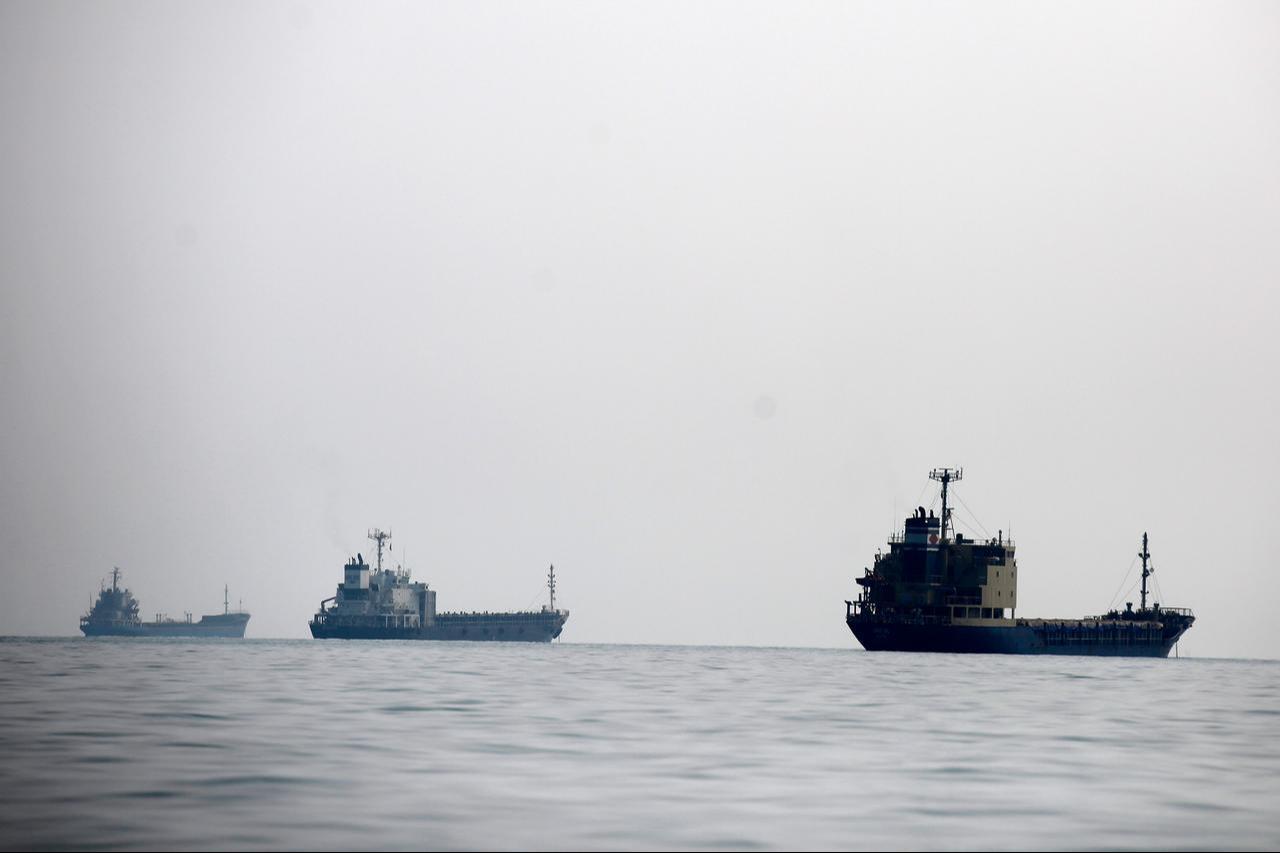
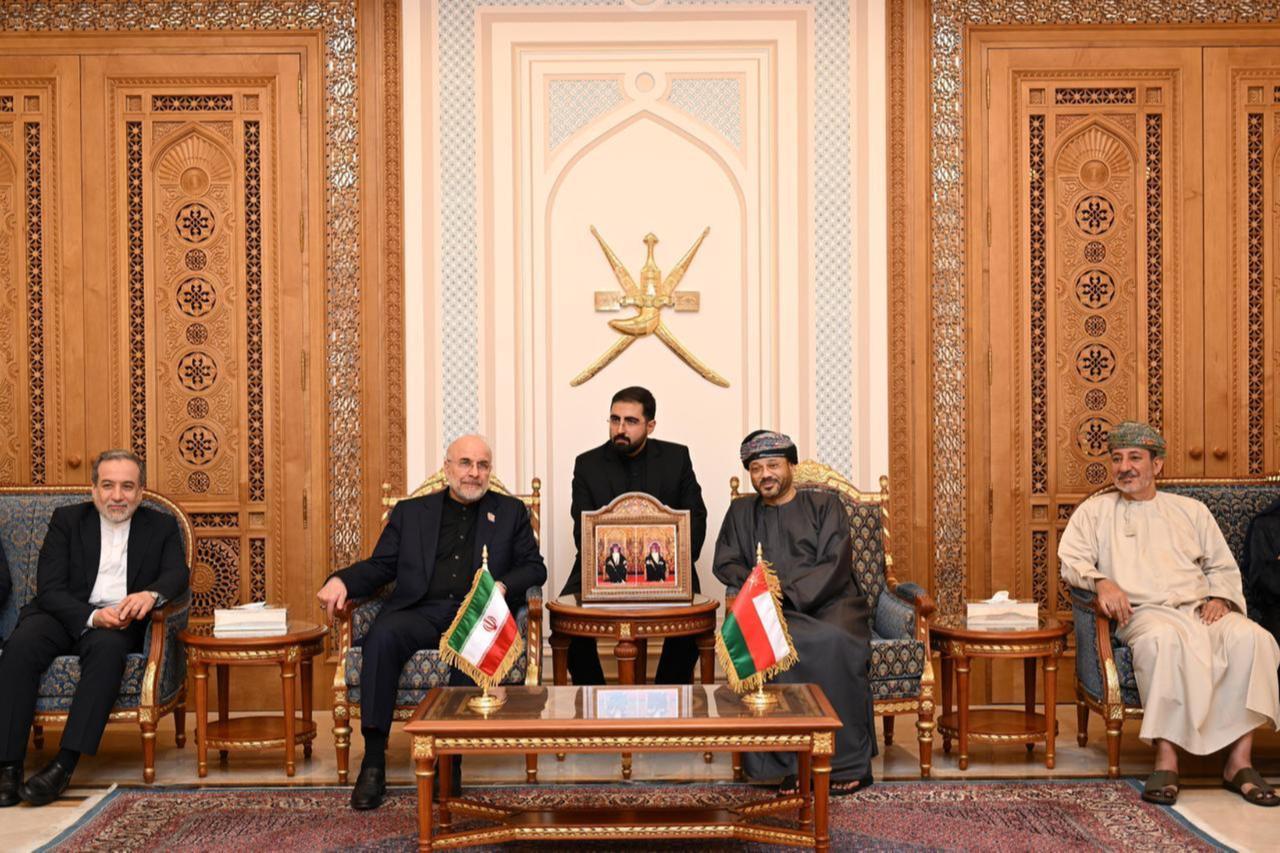
Iranian Foreign Minister Abbas Araghchi announced on Telegram that Iran had seen Trump's first reaction but that nothing had yet been conveyed through the mediators.
Iranian President Masoud Pezeshkian told CBS News this week that Iran is not seeking war. "War was imposed on us," he said.
The army's warning of a renewed U.S. attack follows a Wall Street Journal (WSJ) report that Trump has told aides he expects to resume bombing Iran after the November midterm elections.
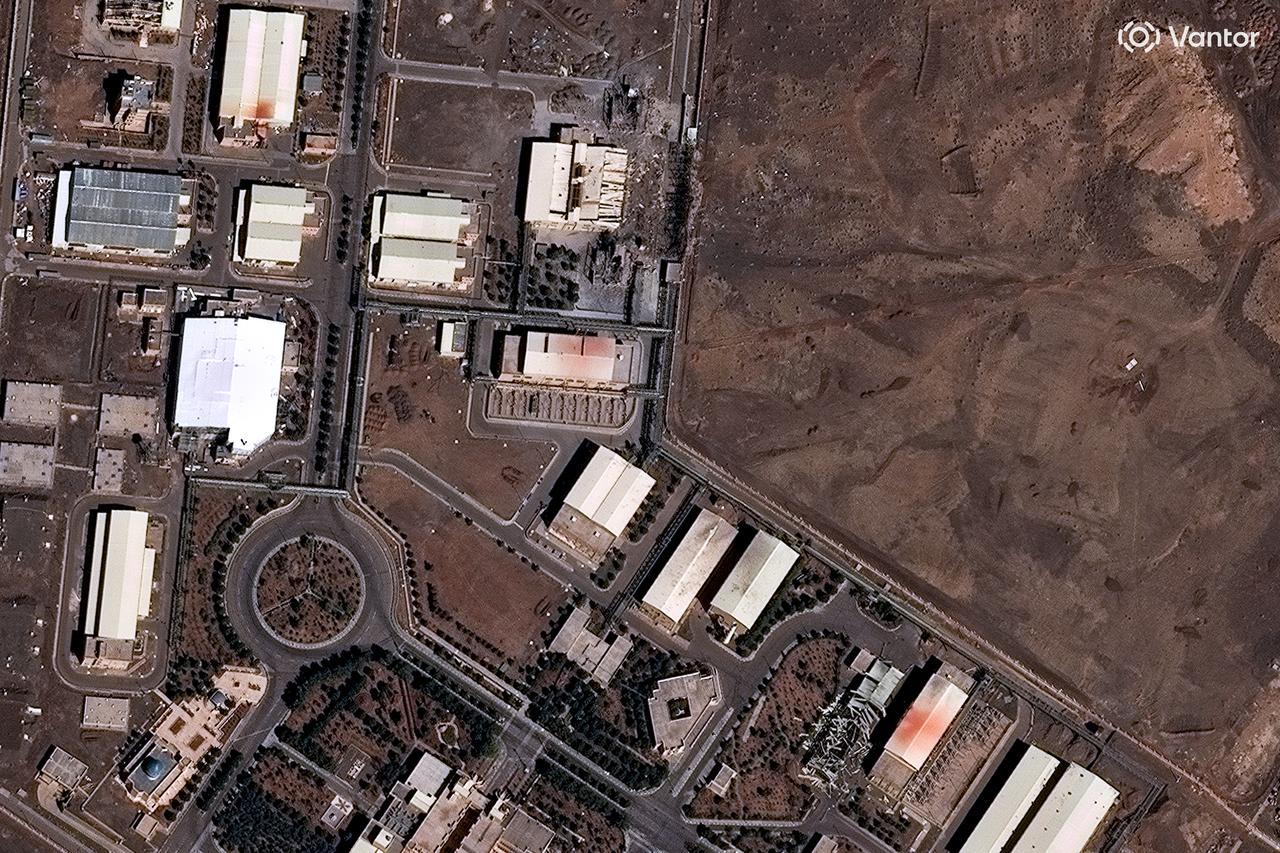
The U.S. and Israel launched large-scale attacks on Iran in February, targeting government buildings, military sites, missile infrastructure and air defenses, prompting Iranian missile and drone strikes against Israel and U.S. bases across the region.
The conflict has since expanded across the region, with diplomatic efforts continuing to end the hostilities.
The ongoing war with Iran, now in its seventh month, has claimed the lives of 18 U.S. service members and triggered sustained volatility across global energy routes.


 Set as preferred source
 Set as preferred source


 1 min read
 1 min read