

 Newsletters


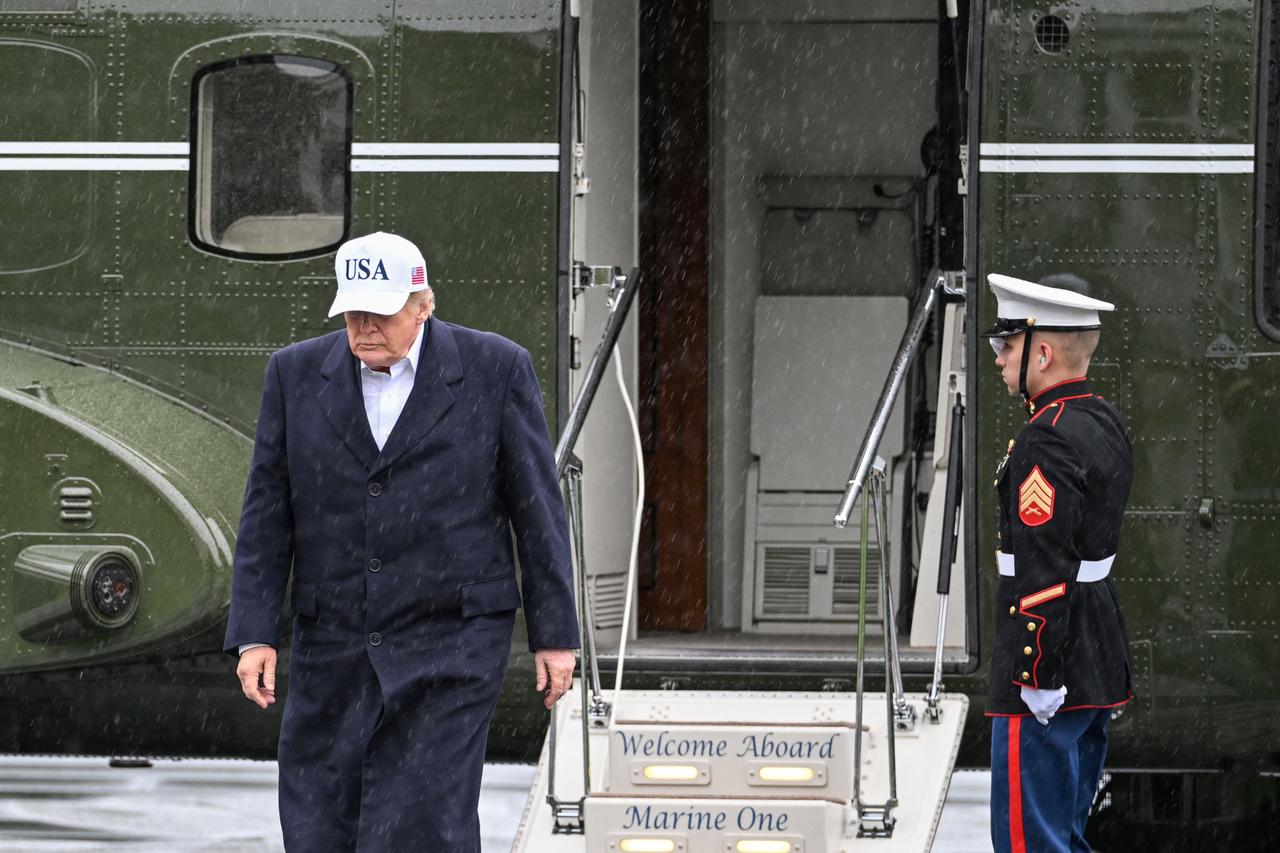


U.S. Ambassador to NATO Matthew Whitaker said that U.S. President Donald Trump was "right to reject" Iran's Hormuz proposal, calling Tehran's offer one of "half measures" and "illusory deals."
Meanwhile, the Iranian Foreign Minister Abbas Araghchi said Sunday that Iran is still waiting for mediators to convey Washington's formal response, insisting that "only a negotiated solution" can break the deadlock.
Iran offered to reopen the Strait of Hormuz and resume nuclear talks within a week if the U.S. lifted its naval blockade, waived oil sanctions, and observed a regional ceasefire including Lebanon.
Trump publicly rejected the plan Saturday, but a U.S. official who spoke to Reuters said "positive and constructive" discussions continue through mediators, including on nuclear issues.
Whitaker argued that economic pressure has left Tehran eager for an agreement.
"President Trump has been so successful with the naval blockade and the sanctions. Their economy is crippled. They are completely broke. Their currency is weak. Inflation is high, and you know they desperately want a deal," Whitaker said on Fox News' "The Big Weekend Show."
He said the U.S. position remains that Iran cannot have a nuclear weapon and must abandon its nuclear program.
"But these kind of half measures that they offer or illusory deals to make themselves look good on the world stage are just not acceptable. And so President Trump's right to reject it," Whitaker said.
Whitaker said the U.S. is in "total control" of the Strait of Hormuz and that the American blockade is stopping Iranian vessels while allowing other shipping to pass.
Addressing high fuel prices, he said: "Ultimately, when this is successful, when we have these wars resolved, to the advantage of the United States and our allies, we are going to see plenty oil, gas and diesel on the market and that should be sooner rather than later."
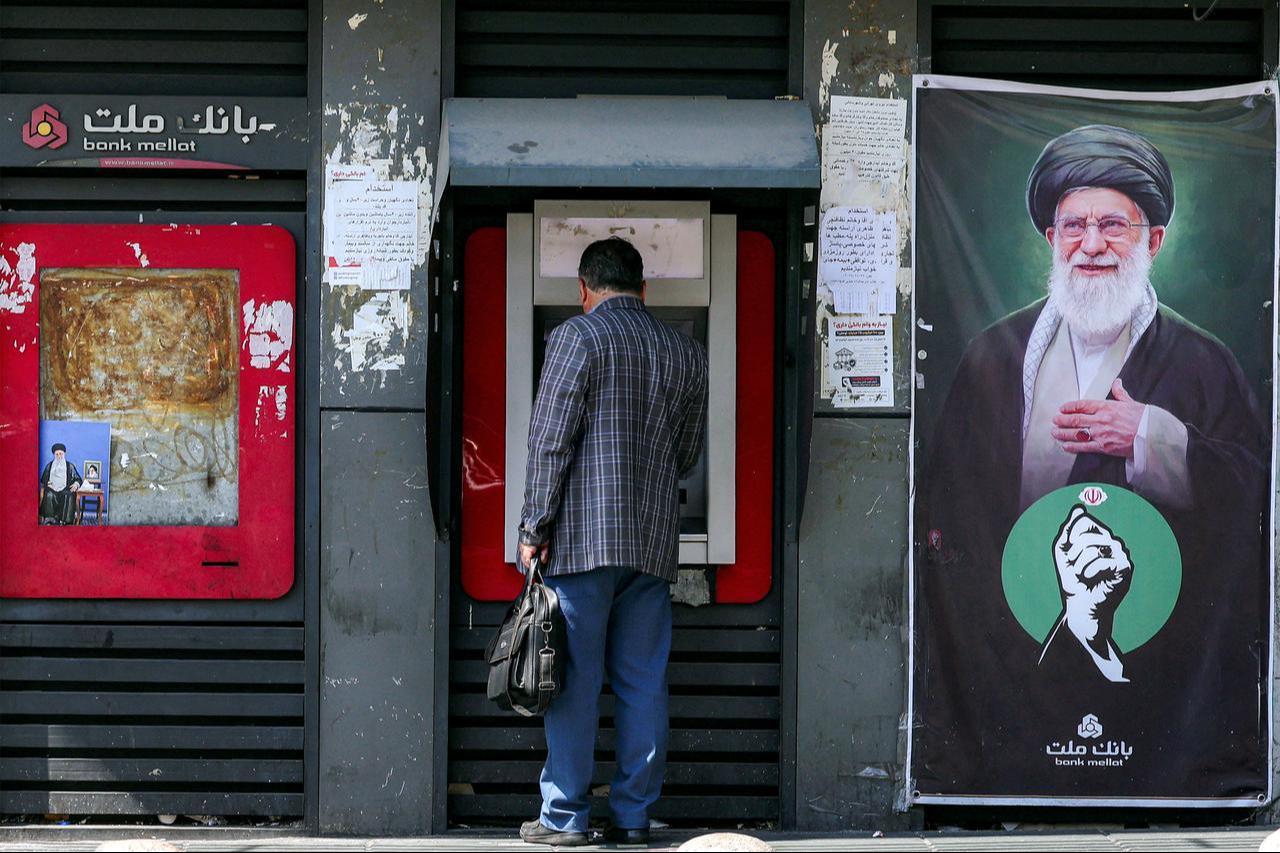

"They made a proposal, but I rejected it," Trump told reporters as he left the White House on Saturday.
He said Iran wanted "to make a deal where they open the strait immediately because they're losing so badly."
"They want to make a deal, and I think that's fine, I like making a deal too," Trump said, adding, "But that deal would not be acceptable."
Trump demurred when asked whether he expected to resume strikes after the November midterm elections.
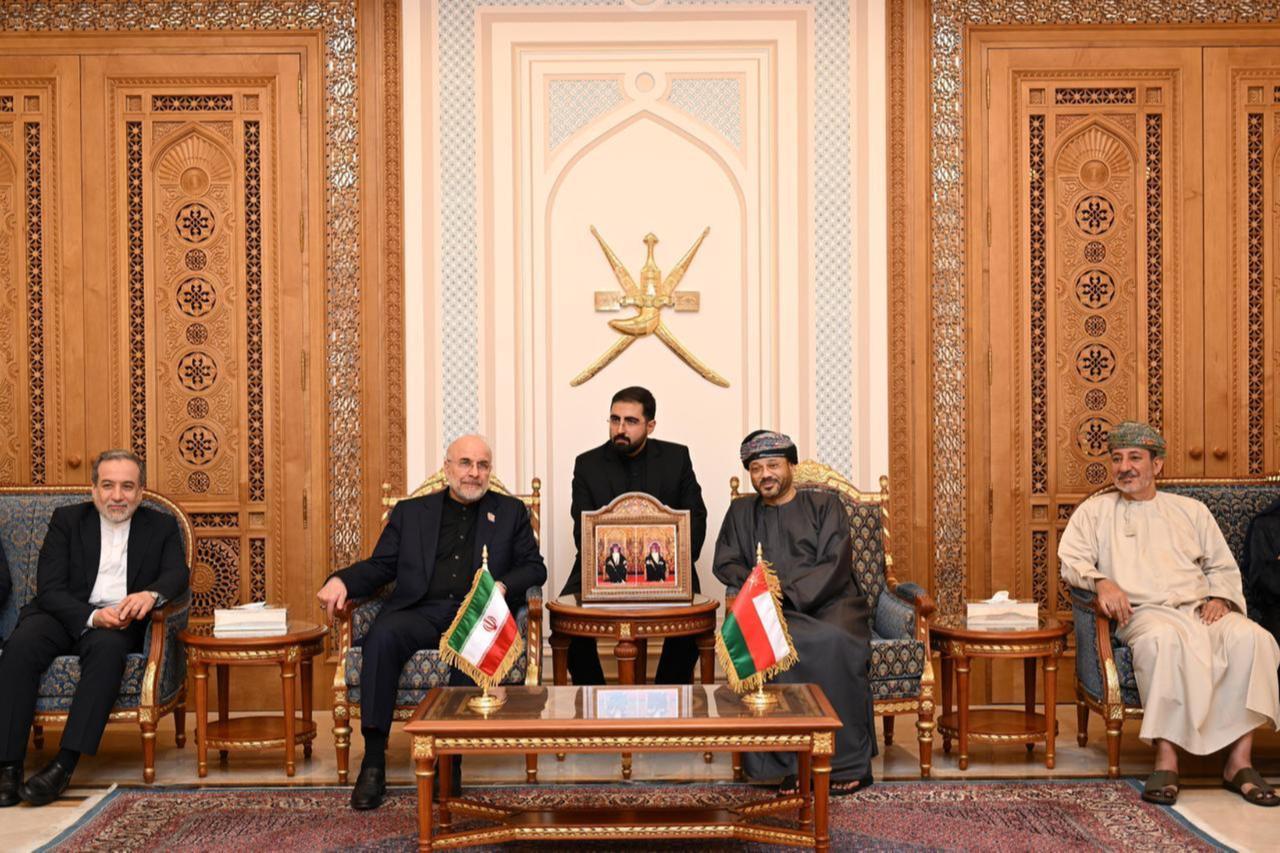
Araghchi said on Telegram that Iran used its meetings in New York to present conditions for reopening the strait that were set by the Supreme National Security Council.
"In the meetings we had with the mediators, these conditions were fully conveyed, explained and elaborated, and they also conveyed these to the American side," he wrote.
Mediators have not officially relayed a U.S. rejection, according to Araghchi.
"We saw the first reaction from the U.S. president, but nothing has yet been conveyed to us by the mediators. Of course, the U.S. president has also said good things as well as many contradictory things, which unfortunately are heard from him a lot," he wrote.
"We are waiting for the mediators to convey the definitive views to us, and we will make a decision based on them," Araghchi said.
"Our conditions are clear, and any move toward reopening the Strait of Hormuz is contingent on these conditions being met," he said, adding that Iran "will not back down from them."
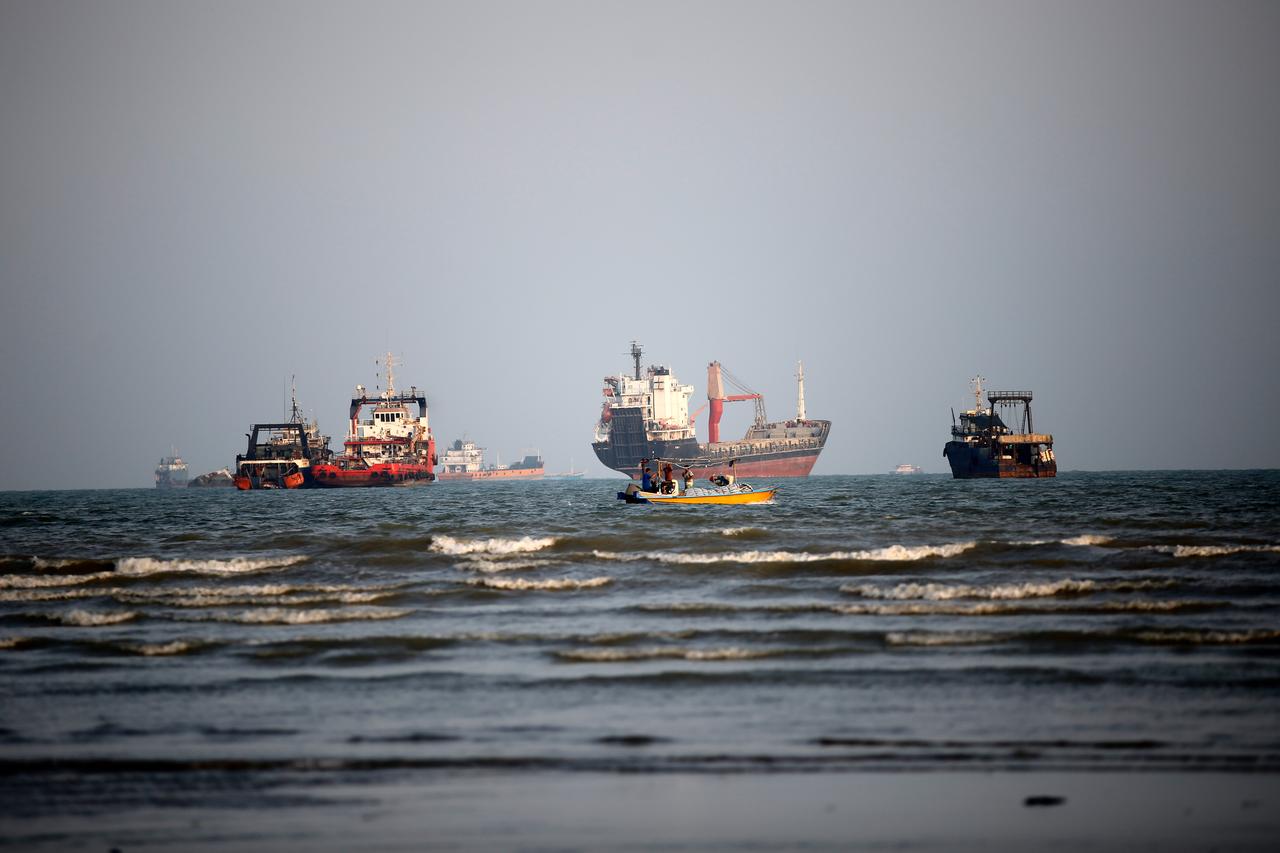
Araghchi said Iran's adversaries had tried every path without success.
"There will be no way other than a negotiated solution, based on honor and justice and securing the rights of the Iranian people and their rightful demands," he wrote, adding, "Only a negotiated solution can get them out of this deadlock."
"No one in the world now can accuse the Islamic Republic of Iran of not having tested the path of diplomacy," Araghchi said.
"We never closed the path of diplomacy and negotiations, but we never backed down from our rights either," the Iranian top diplomat noted.
"Whenever our enemies chose another path, we stood firmly against them on that path too," he added.
U.S. Treasury Secretary Scott Bessent said Saturday that Washington's pressure campaign is pushing countries and banks to cut ties with Tehran.
"These efforts are delivering results. Türkiye and Oman announced the cessation of Mahan Air flights to their countries. The UAE has halted all flights by Iranian airlines, and top commercial banks in the UAE and Türkiye have stopped transacting with Iran," Bessent wrote on X.
U.S. negotiators told Iranian officials in New York that Iran does not control the strait and cannot make demands about it, a source told Axios.
U.S. officials say about 60 million barrels of oil have moved through Hormuz over 72 hours under U.S. protection, though Iranian attacks have drastically reduced shipping.
Iran's Hormuz proposal now hinges on a formal U.S. response through mediators, which Araghchi said will shape Tehran's next decision.


 Set as preferred source
 Set as preferred source


 1 min read
 1 min read


