Newsletters


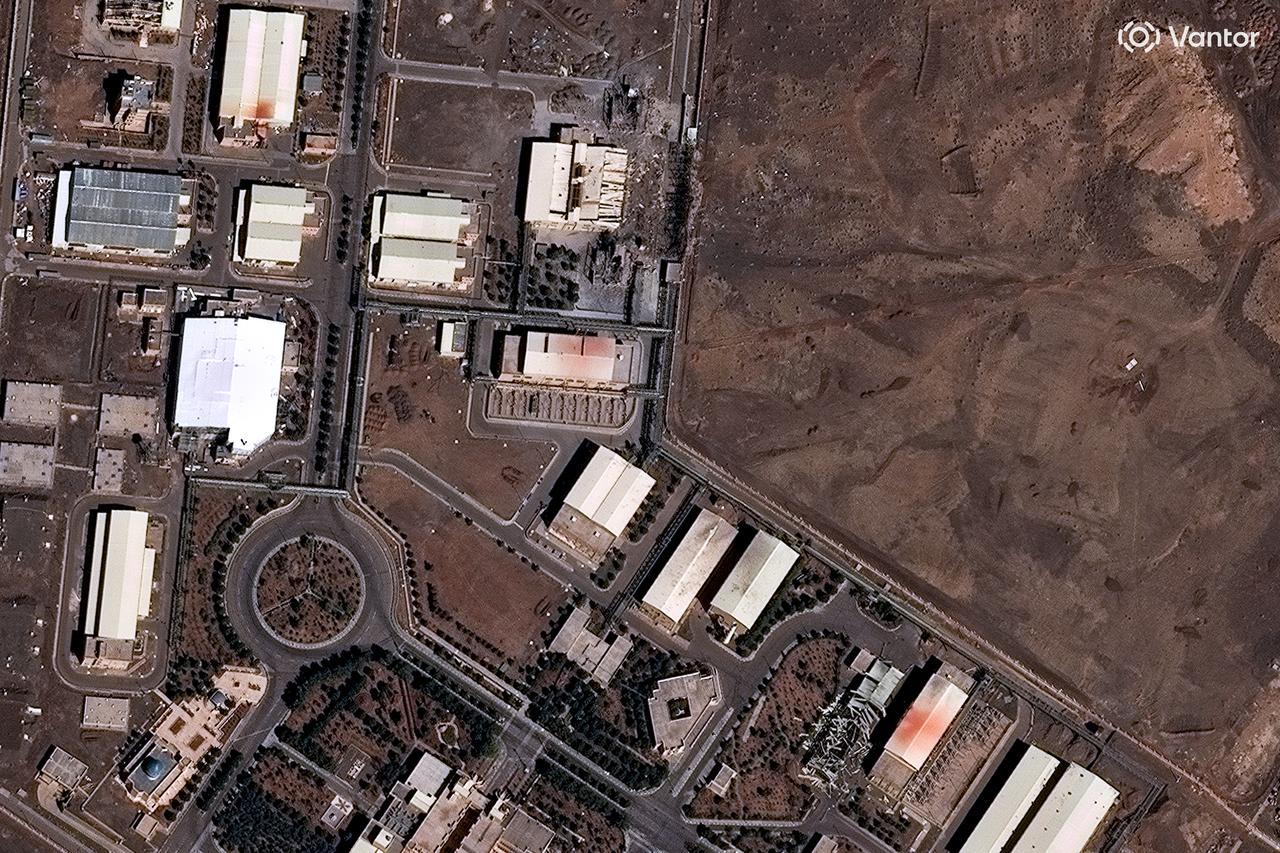


Iran will make no nuclear concessions even if the United States accepts its proposal to reopen the Strait of Hormuz, a senior Iranian official told Reuters, ruling out any halt to uranium enrichment.
The official, speaking on condition of anonymity, said the waterway would stay closed until "all of Iran's conditions are met" by Washington.
Iran's refusal to enrich less or ship its highly enriched uranium abroad cuts against one of Washington's main demands. The U.S. has insisted Iran agree to nuclear concessions, while Tehran wants talks focused on Hormuz and the U.S. naval blockade.
The official said Iran would give no concessions over its rights, including enriching uranium or shipping its highly enriched uranium out of the country.
Tehran has said it would engage in detailed negotiations on its nuclear program only after the U.S. meets its conditions.
Under Iran's proposal, announced by Foreign Minister Abbas Araghchi on Thursday, Tehran would reopen the strait within 7 days. In return, hostilities would end on all fronts, including Lebanon, and the U.S. would lift its blockade of Iranian ports, release frozen funds and waive oil sanctions.
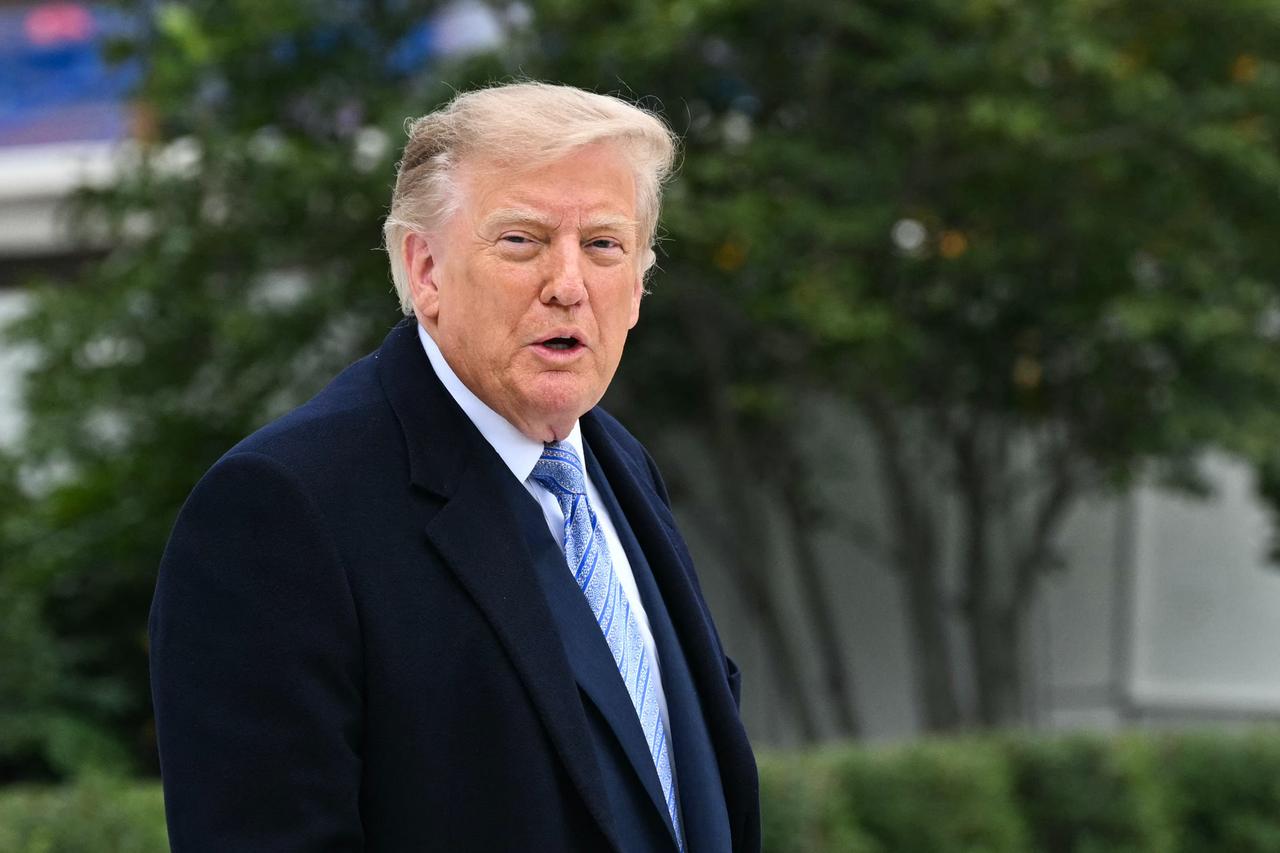
U.S. President Donald Trump said that he had rejected the proposal.
Israel, the U.S., and other Western states have long accused Iran of seeking nuclear weapons, pointing to its enrichment of uranium to 60%, far above civilian needs and closer to the 90% needed for a weapon.
Iran denies seeking nuclear weapons.
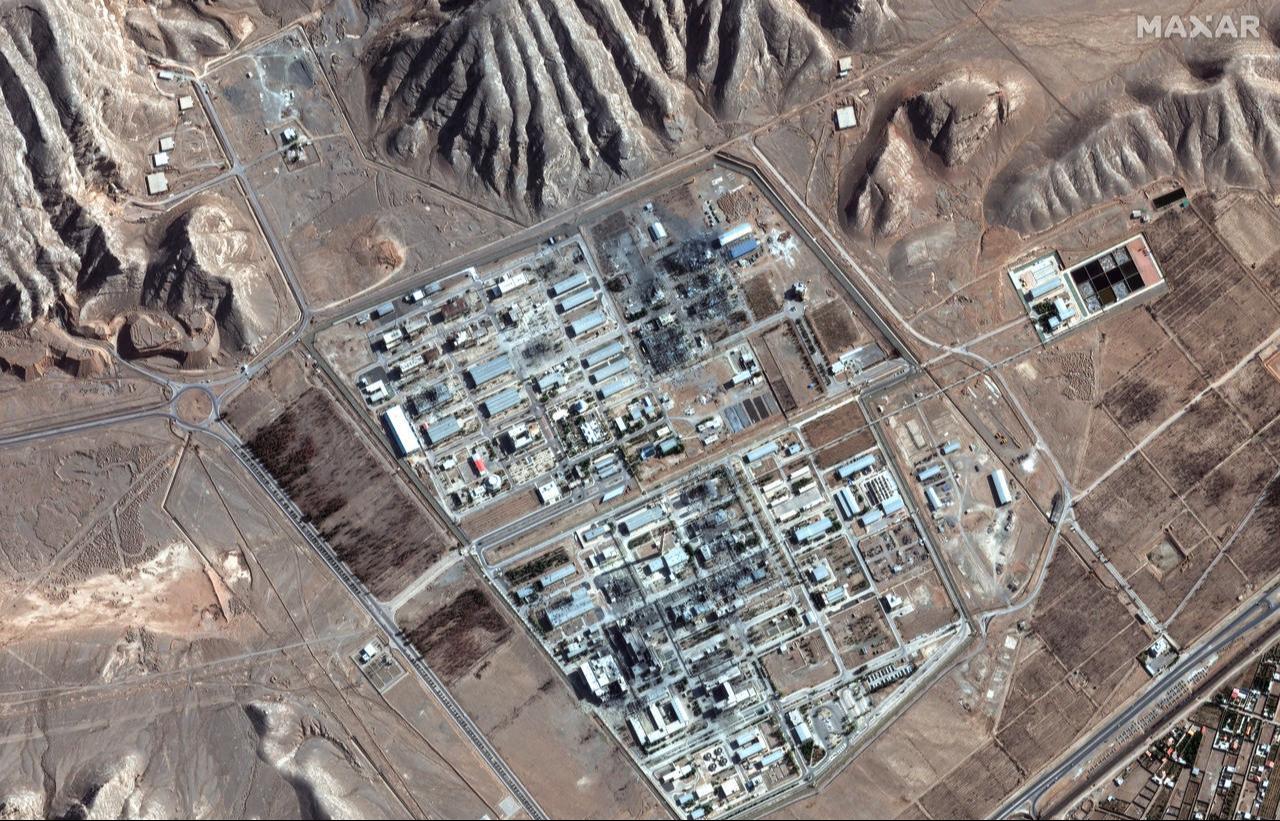
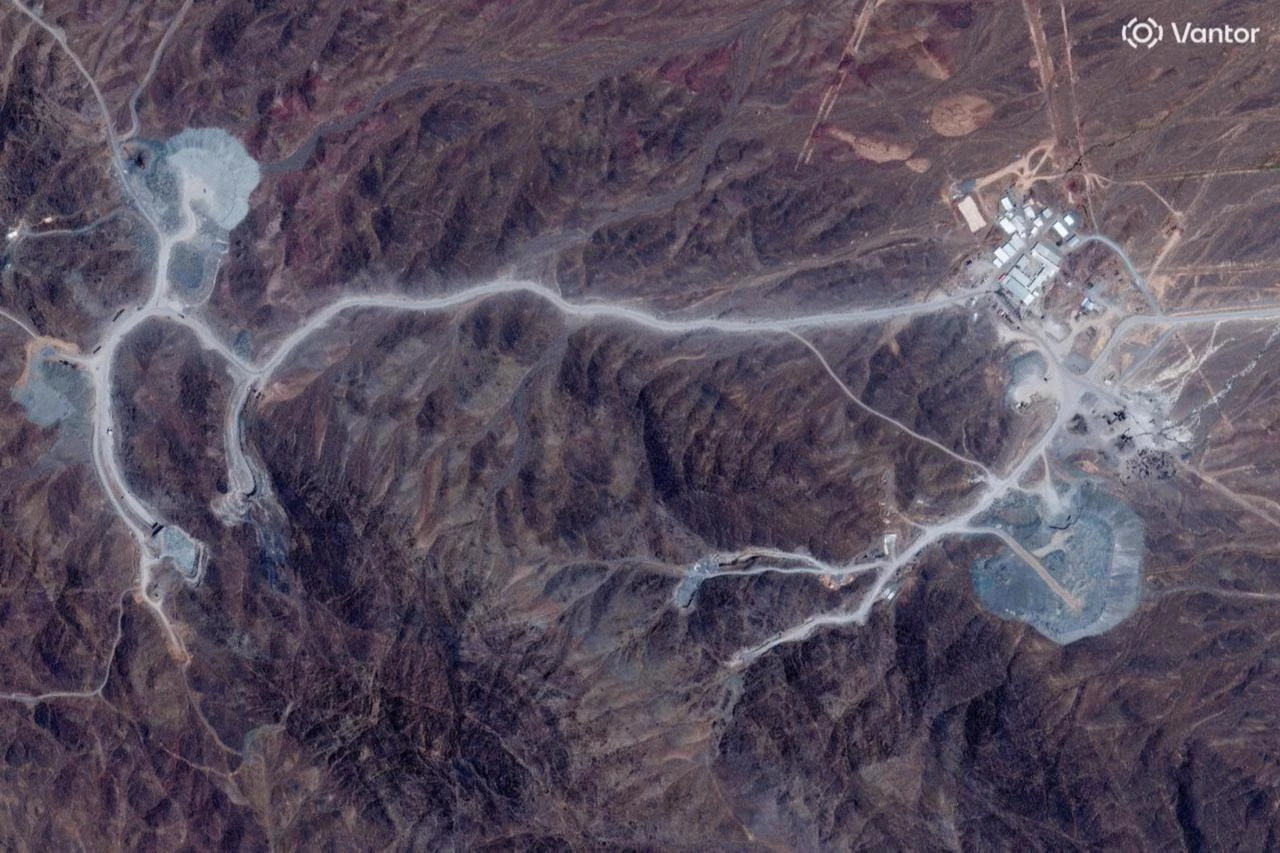
The International Atomic Energy Agency (IAEA) estimates Iran had 440.9 kilograms of 60% enriched uranium when Israel and the U.S. attacked its nuclear facilities in June 2025.
How much survived is unclear.
Iranian authorities have said Iran could agree to dilute its most highly enriched uranium.
In May, two senior Iranian sources told Reuters that Supreme Leader Mojtaba Khamenei had issued a directive that the stockpile should not be sent abroad.

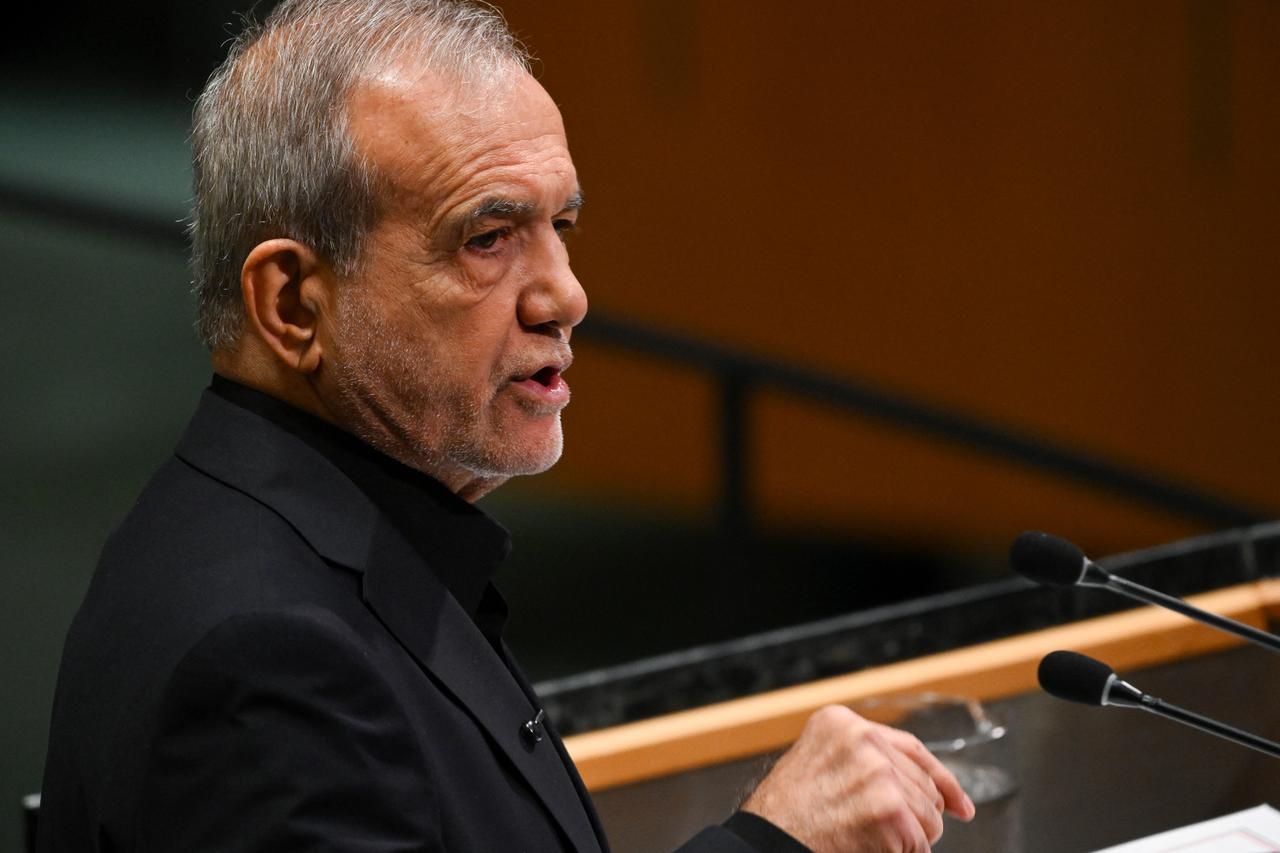
Iranian President Masoud Pezeshkian recently said Iran would allow U.N. nuclear inspectors under new negotiations with Washington, but that access would be settled within talks that can begin once the U.S. accepts Iran's plan.
Pezeshkian told journalists Thursday that he hoped a deal to end hostilities could be reached before the U.S. midterm elections on Nov. 3.
Iranian lawmakers, meanwhile, have submitted an urgent bill to parliament seeking the country's withdrawal from the Nuclear Non-Proliferation Treaty (NPT).
Mohsen Rezaei, secretary of Iran's Supreme National Security Council, said Iran's nuclear doctrine had not changed but confirmed that withdrawal was under consideration, saying it "depends on America's conduct."
The nuclear concessions dispute leaves the Strait of Hormuz, a key global oil route, at the center of efforts to end the seven-month U.S.-Iran war.


 Set as preferred source
 Set as preferred source


 2 min read
 1 min read