Newsletters


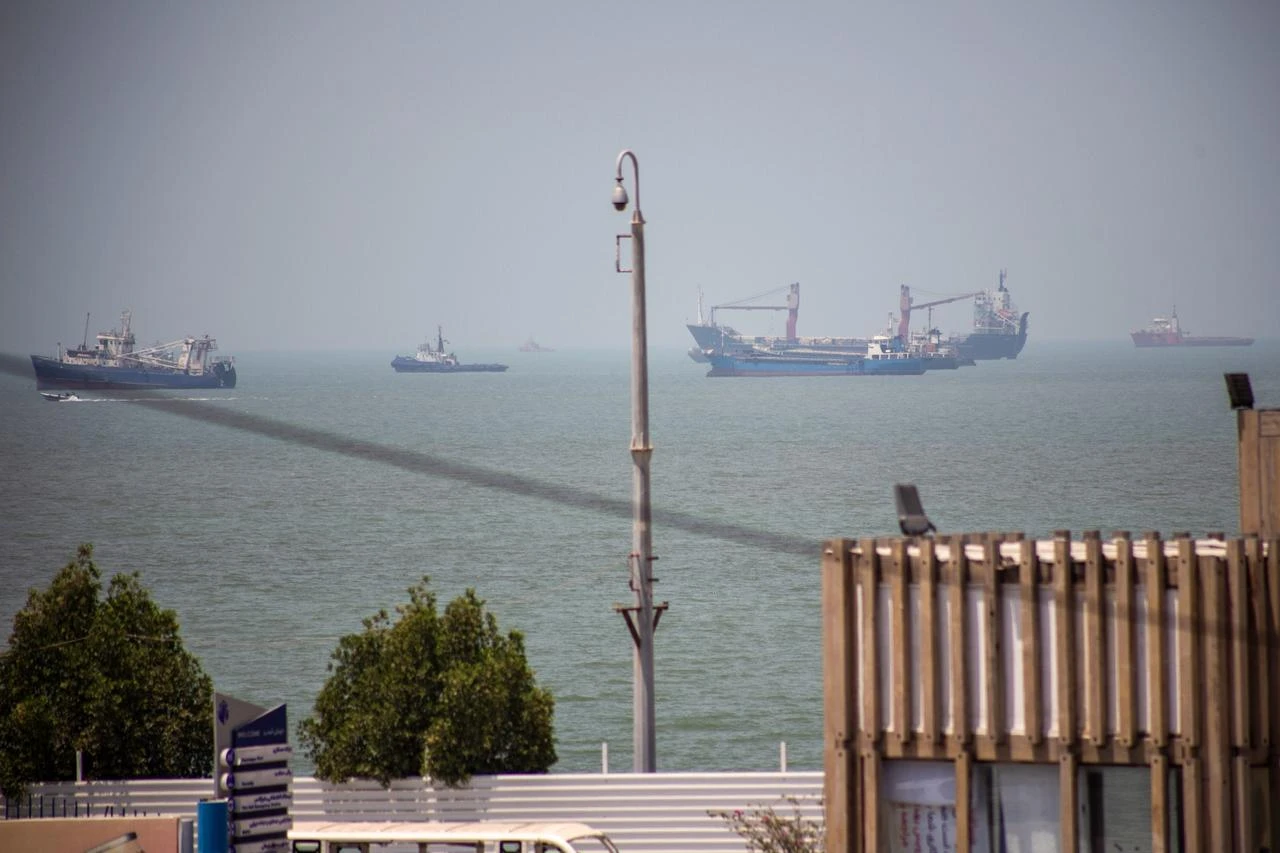


Iranian Parliament Speaker and chief negotiator Mohammad Bagher Ghalibaf said Iran was determined to control the Strait of Hormuz and would not allow U.S. intervention in the strategic waterway.
Ghalibaf made the remarks during a meeting with a Chinese delegation that traveled to Tehran to attend a state memorial ceremony for Iran's former supreme leader, Ali Khamenei, according to the parliament speaker's official Telegram account.
He said strategic cooperation between Iran and China should be expanded and that the two countries should develop closer political and economic ties.
Ghalibaf said China had stood by Iran during difficult periods and that Tehran had facilitated the passage of Chinese vessels through the Strait of Hormuz during the war and subsequent ceasefire process.
"Close relations between Iran and China in the political and economic fields are very important in the face of the United States' unilateral policies," he said.
"We will not allow any U.S. intervention in the Strait of Hormuz," Ghalibaf added.
He also accused Israel of seeking to undermine the memorandum of understanding signed between Iran and the United States, saying Iran's military power served as a deterrent.
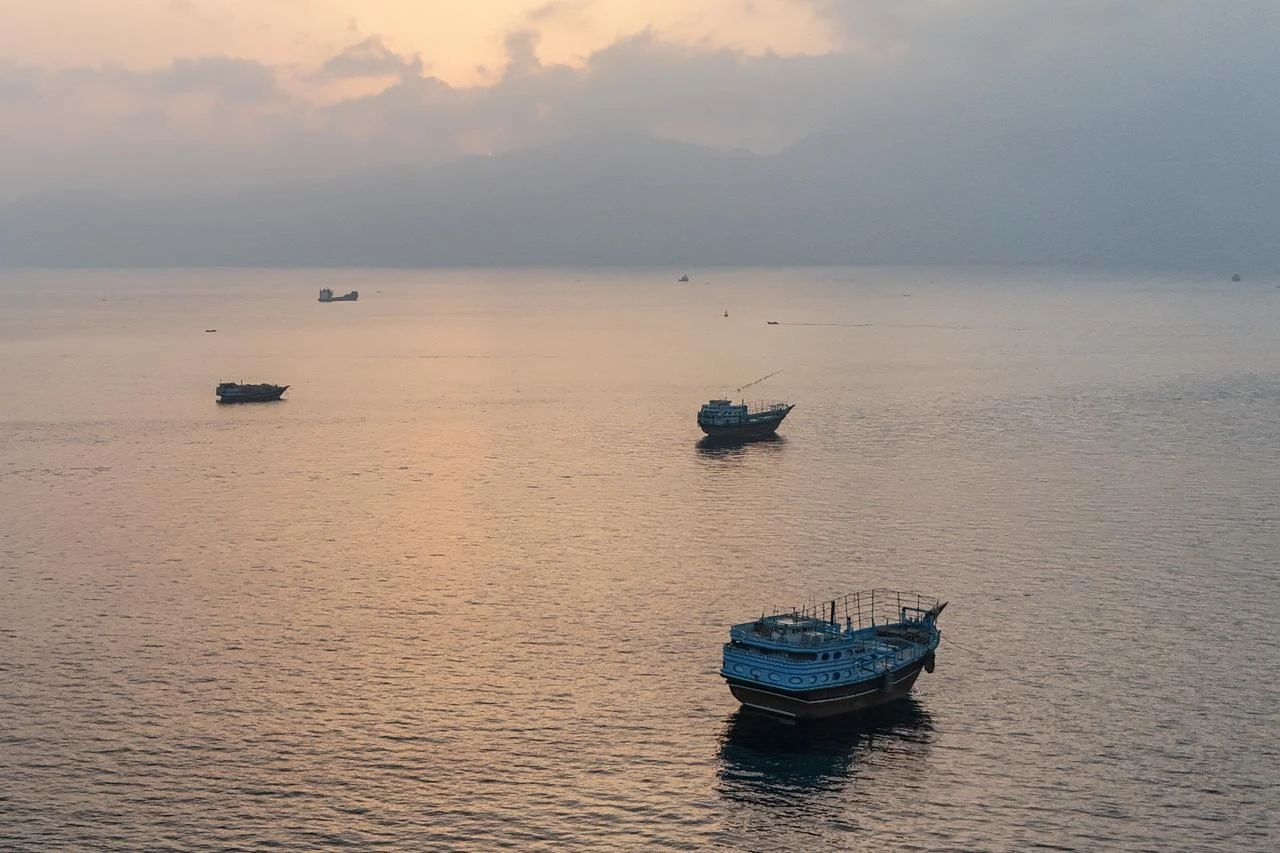

Meanwhile, China on Friday called for a “proper settlement” to end disruptions in the Strait of Hormuz as the U.S. and Iran held indirect talks in Qatar this week.
“The Strait of Hormuz is a strait for international navigation. Resuming safe and free passage in the strait at an early date serves interests of all parties,” China’s Foreign Ministry spokesman Guo Jiakun told reporters in Beijing.
Guo said a “proper settlement” was needed to address disruptions in the Strait of Hormuz and the “shared concerns of the international community,” adding that they “require a proper response.”
The statement from Beijing came as the U.S. and Iran held indirect talks, mediated by Pakistan and Qatar, in Doha this week. Doha talks are part of the June 17 Islamabad Memorandum of Understanding (MoU) signed by the U.S. and Iranian presidents to permanently end the war, which began on Feb. 28. The two parties set a 60-day deadline for negotiations to complete.
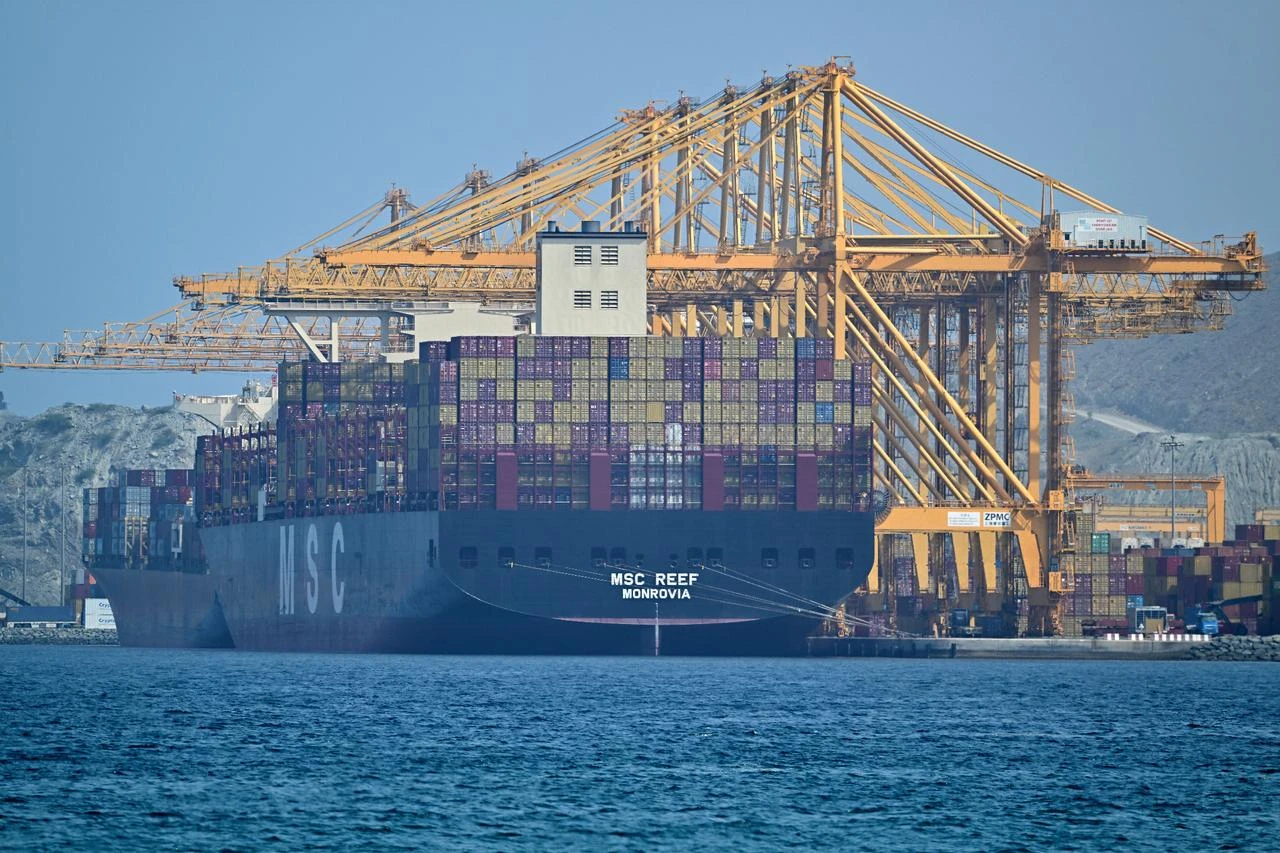
The framework agreement includes provisions addressing, among other issues, the reopening of the Strait of Hormuz, a key global oil shipping route.
Doha talks are expected to resume in the third week of July, Turkish news agency Anadolu earlier reported.
Tehran closed the strait in the aftermath of the U.S.-Israeli strikes and American forces had imposed its own blockade of the Iranian ports on April 13.
However, after the Islamabad MoU was signed, the US lifted the blockade while Iran eased the passage but insisted that vessels follow its designated route in the critical waterway.
“China stands ready to maintain communication on this with the relevant countries and the international community,” said Guo.
Iran's ambassador to the United Nations said Thursday that U.S. military bases in the Persian Gulf undermine rather than protect regional security.
"It should have been clear that the presence of the U.S. military bases and foreign interference in the Persian Gulf region brings nothing but insecurity," Amir Saeid Iravani told a U.N. Security Council meeting on the Middle East.
"They have put at risk the regional security in general and the maritime safety in particular," he added.
Iravani said the United States had no coastline in the region.
"The U.S. has no coastal border in our region. It is not their waters. It is not their neighborhood," he said.
"Defining and concluding a security regime for our region is the exclusive joint responsibility of the neighboring countries," he added.
Iravani said outside powers should support regional states rather than maintain what he described as a destructive military presence.
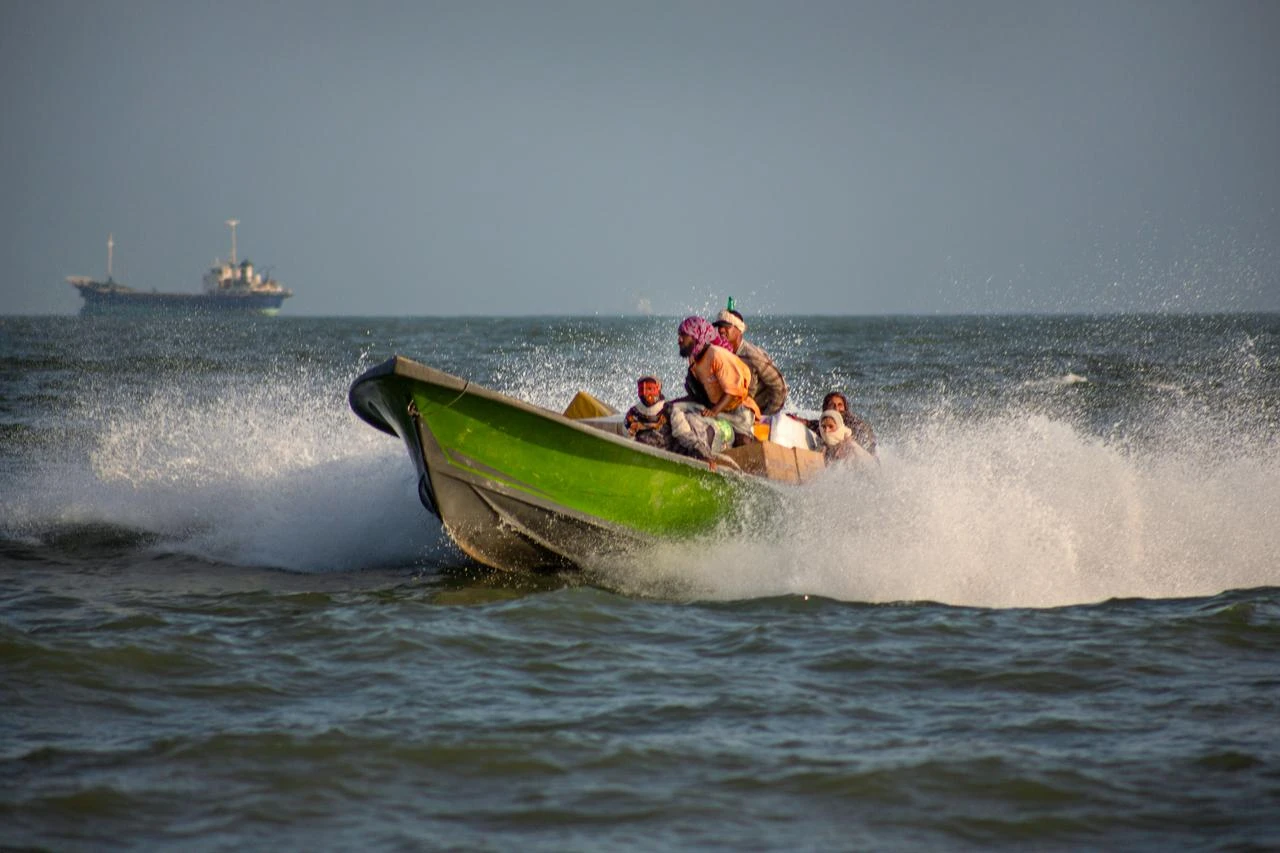
Iravani argued that the Security Council should not have convened while technical talks facilitated by Pakistan and Qatar were focused on implementing the June 17 framework agreement.
The deal covers several issues, including the reopening of the Strait of Hormuz, a major global oil shipping route.
"I categorically reject the baseless allegations made by the United States," Iravani said.
"Once again, the representative of the United States has resorted to lies and disinformation against Iran in a desperate attempt to justify the U.S.' unlawful acts of aggression."
He said Iran remained committed to implementing the framework agreement, provided that Washington fulfilled its obligations.
Iravani said Tehran had begun technical discussions with Oman on demining and reopening the strait.
He warned that "any external interference or attempt to establish parallel arrangements" would violate the agreement.
Iravani also rejected accusations from Western Security Council members and Bahrain, saying they had ignored what he described as unlawful aggression against Iran and were attempting "to shift blame onto the victim."
U.S. Ambassador to the U.N. Mike Waltz accused Iran of defying the Security Council and threatening global commerce.
Iran "cannot—and we cannot allow it to—hold the world's economy hostage," Waltz said.
He said 136 countries had co-sponsored a resolution demanding that Iran keep the Strait of Hormuz open.
"Despite the diplomatic achievements and agreements, Iran still hasn't shown the world a basic level of decency and respect," Waltz said.
"Instead, they openly defied this council, their neighbors, and basic tenets of diplomacy," he added, warning that "President Trump's patience is not unlimited."
Responding to Iravani, Waltz said, "This is not Tehran. This is the United States of America. This is the United Nations Security Council. You will not silence this body."
Iravani later asked whether a maritime blockade amounted to collective punishment and accused the United States of preventing international vessels from reaching Iranian ports during the war.
He also cited polling that he said showed that "70% of Americans and taxpayers oppose your administration's war policy toward Iran."
Iranian Foreign Minister Abbas Araghchi said lasting peace in the region could be achieved only through a comprehensive and inclusive framework without foreign intervention.
Araghchi made the remarks on X while sharing a post from U.S. Central Command about a high-level military meeting in Bahrain.
"Has CENTCOM brought security or insecurity to our region? The answer is clear," Araghchi said.
He said Iran's armed forces had shown that foreign powers could not even protect themselves.
Araghchi added that lasting regional peace would only be possible through an inclusive approach led by countries in the region.
CENTCOM said the Bahrain meeting brought together military officials from 12 regional countries.


 Set as preferred source
 Set as preferred source


 2 min read
 1 min read