Newsletters


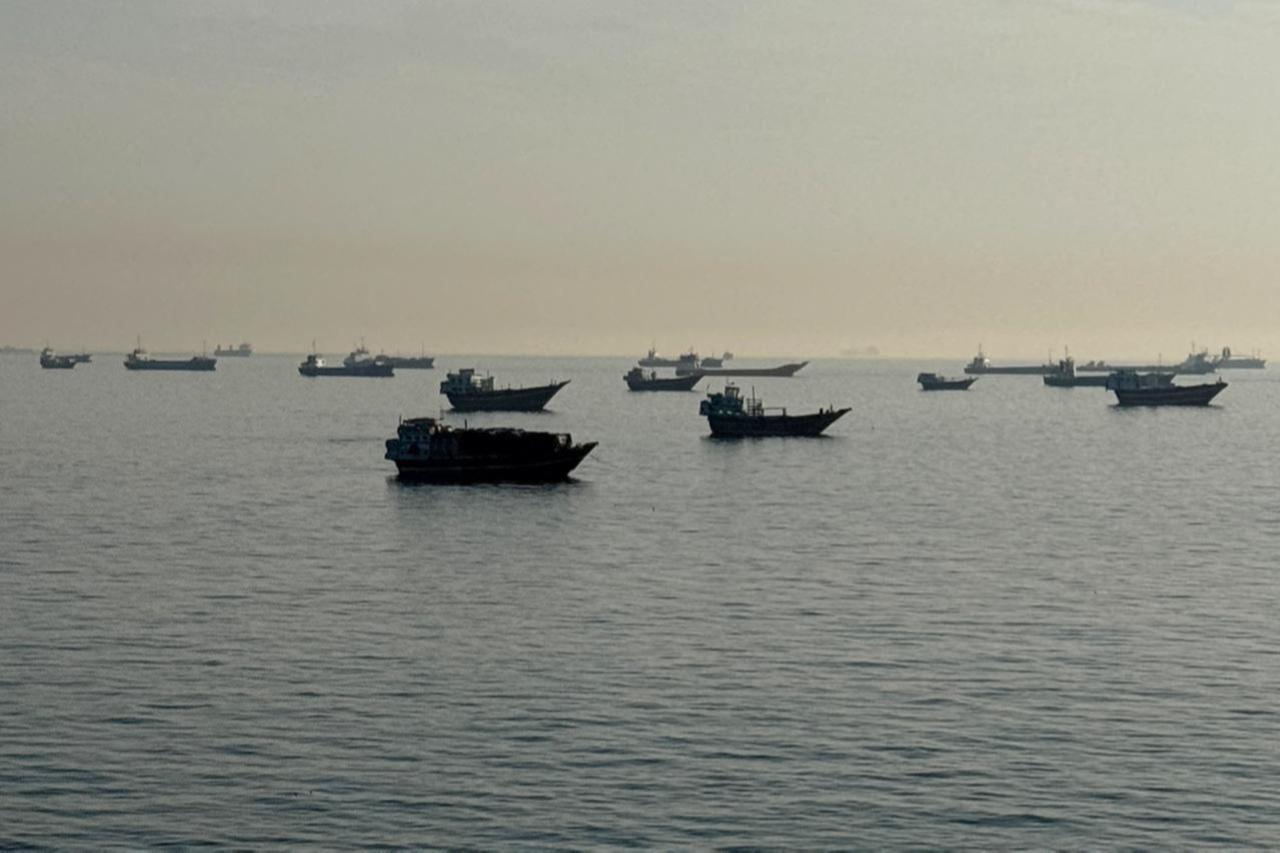


Iran's parliament speaker and chief nuclear negotiator Mohammad Bagher Ghalibaf warned Tuesday that free passage through the Strait of Hormuz is guaranteed for only 60 days under the recently signed memorandum of understanding with the United States, signaling that Tehran will not permanently cede leverage over one of the world's most critical shipping lanes.
"Iran will under no circumstances relinquish its rights in the Strait of Hormuz," Ghalibaf said in a televised interview posted to his Telegram channel, framing the corridor's openness as a conditional concession rather than a permanent commitment.
The remarks came days after a fresh round of military exchanges between Iranian-aligned forces and US installations in the region over the weekend, which Ghalibaf characterized as a serious breach of the ceasefire framework.
"In the latest ceasefire violation, US bases in Bahrain and Kuwait were targeted," he said, presenting the strikes as Tehran's response to what it views as American noncompliance.
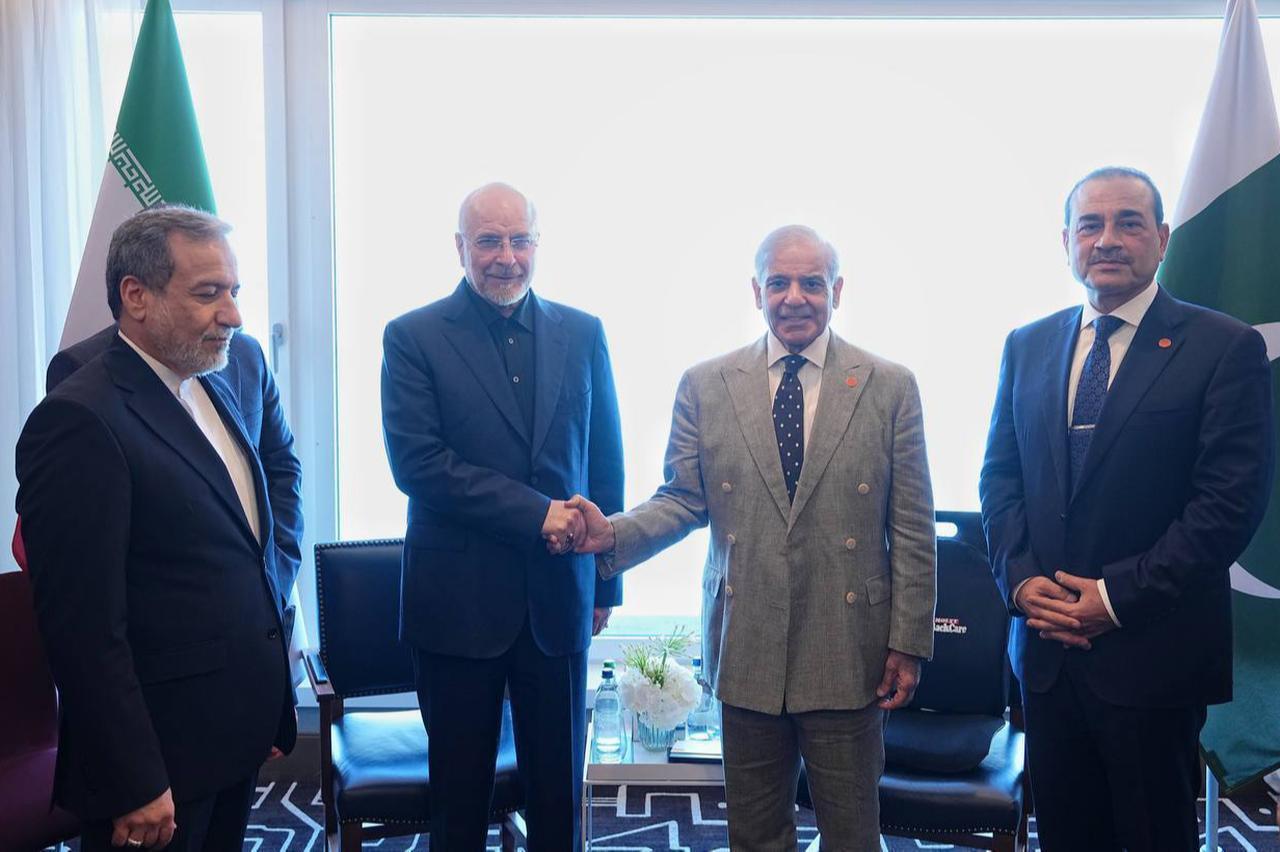

The memorandum of understanding, brokered through Pakistani mediation, entered into force on June 18 following electronic signatures from Iranian President Masoud Pezeshkian and US President Donald Trump.
The agreement lays out a framework for winding down hostilities and opening negotiations on a range of longstanding disputes, including sanctions relief, the Iranian nuclear program, Hormuz transit rights, and broader regional security arrangements.
Ghalibaf said Tehran remains engaged in diplomacy but is tracking compliance closely.
"This process shows that we are serious about implementing the memorandum; we are both engaged in dialogue, and if they do not fulfill their commitments in the talks, we are ready for war," he said, casting the dual-track posture of negotiation and military preparedness as deliberate and coordinated.
Beyond the Hormuz question, Ghalibaf flagged that several core provisions of the agreement have yet to be implemented.
He said Iran is "seeking to continue talks to implement the five conditions that were supposed to be implemented immediately after the signing of the memorandum or whose implementation process should have begun," without specifying what those conditions are or where they stand.
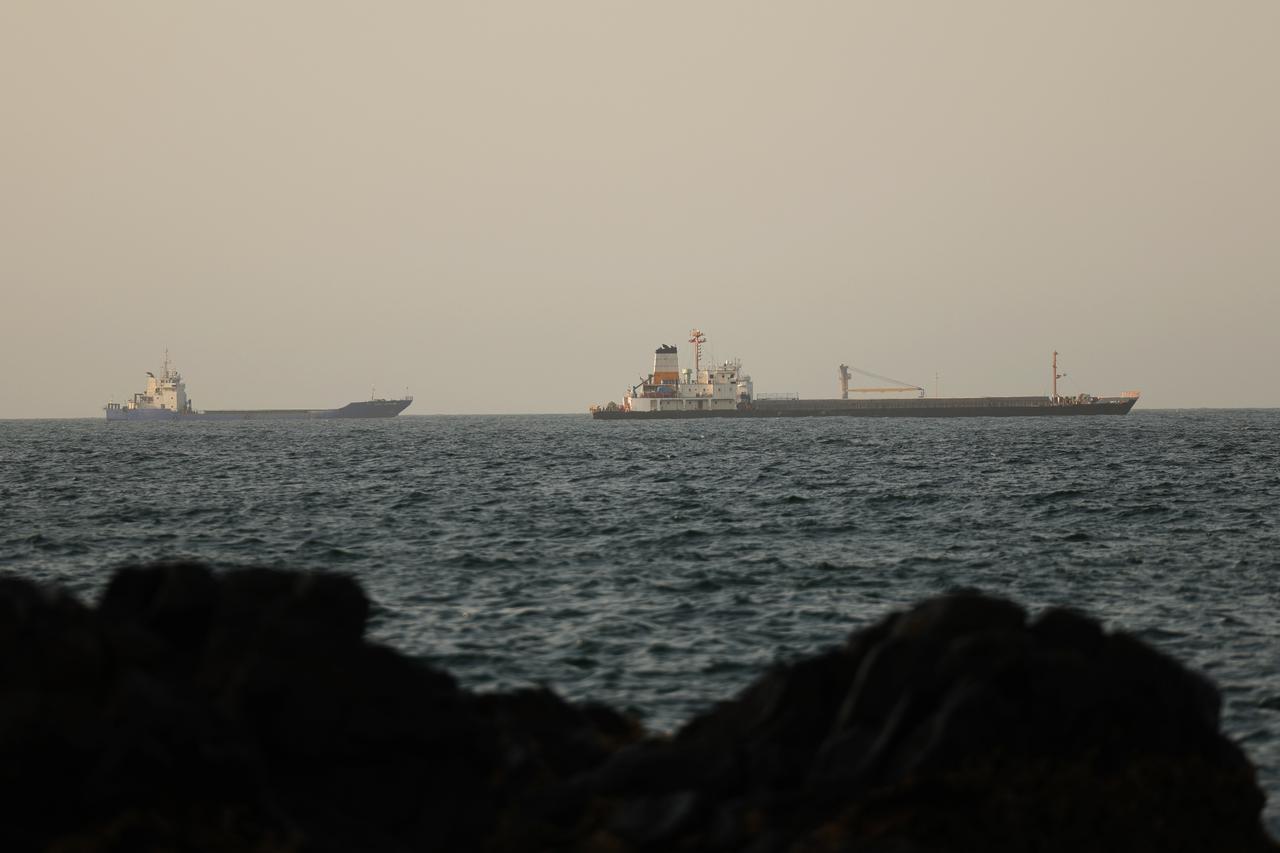
The Strait of Hormuz, a narrow waterway between Iran and Oman through which roughly a fifth of the world's oil supply passes, has long been a pressure point in US-Iran tensions.
Tehran has periodically threatened to close the strait during periods of confrontation.
On the broader regional front, Ghalibaf offered a cautiously positive assessment of developments in Lebanon, saying Israeli attacks there had "significantly decreased" since the memorandum was signed, suggesting the deal has had at least partial stabilizing effects beyond the direct US-Iran axis.
Whether those gains hold will depend largely on progress in the formal talks. With the 60-day clock on Hormuz access now running and the weekend's military exchanges still unresolved, both sides appear to be testing the durability of a framework that remains, by Ghalibaf's own account, only partially in force.


 Set as preferred source
 Set as preferred source


 1 min read
 1 min read