Newsletters


Some leading European nations have privately accepted that ships transiting the Strait of Hormuz will eventually pay fees to Iran and Oman, even as the United States and Gulf Arab countries publicly insist no such charges can be imposed, according to people familiar with the matter cited by Bloomberg.
Two people familiar with private deliberations described the prospect of service fees as a given, speaking on condition of anonymity.
"Some Gulf Arab officials hold the same view privately, though it does not necessarily reflect their governments' formal positions," the people said.
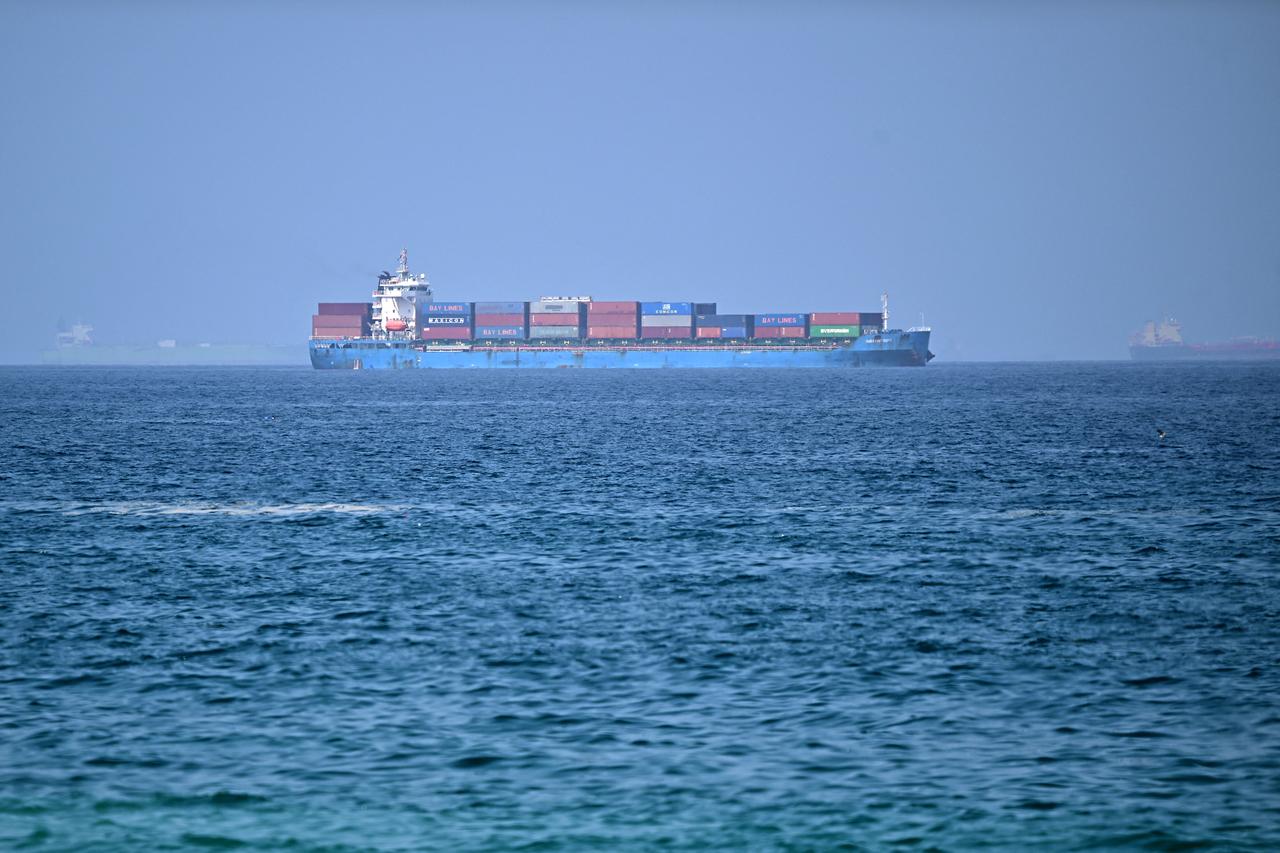
Before the conflict, roughly a fifth of the world's oil and liquefied natural gas (LNG) supplies passed through the Strait of Hormuz, with around 135 vessels per day making the transit.
European countries have pressed Iranian and Omani officials not to discriminate against ships based on their nationality while coming to terms with the idea of additional costs, the people told Bloomberg.
The United Kingdom, France and other European nations are also pushing for an international maritime coalition to help clear mines in Hormuz, though its deployment will depend on progress in permanent peace deal negotiations.
It remains unclear what type of fees or what amounts any nation would be willing to accept.
Bahrain, in a statement, rejected the framing directly.
"The free and unimpeded passage of international shipping through the strait is a matter of international law, not a matter for negotiation," Bahrain said.
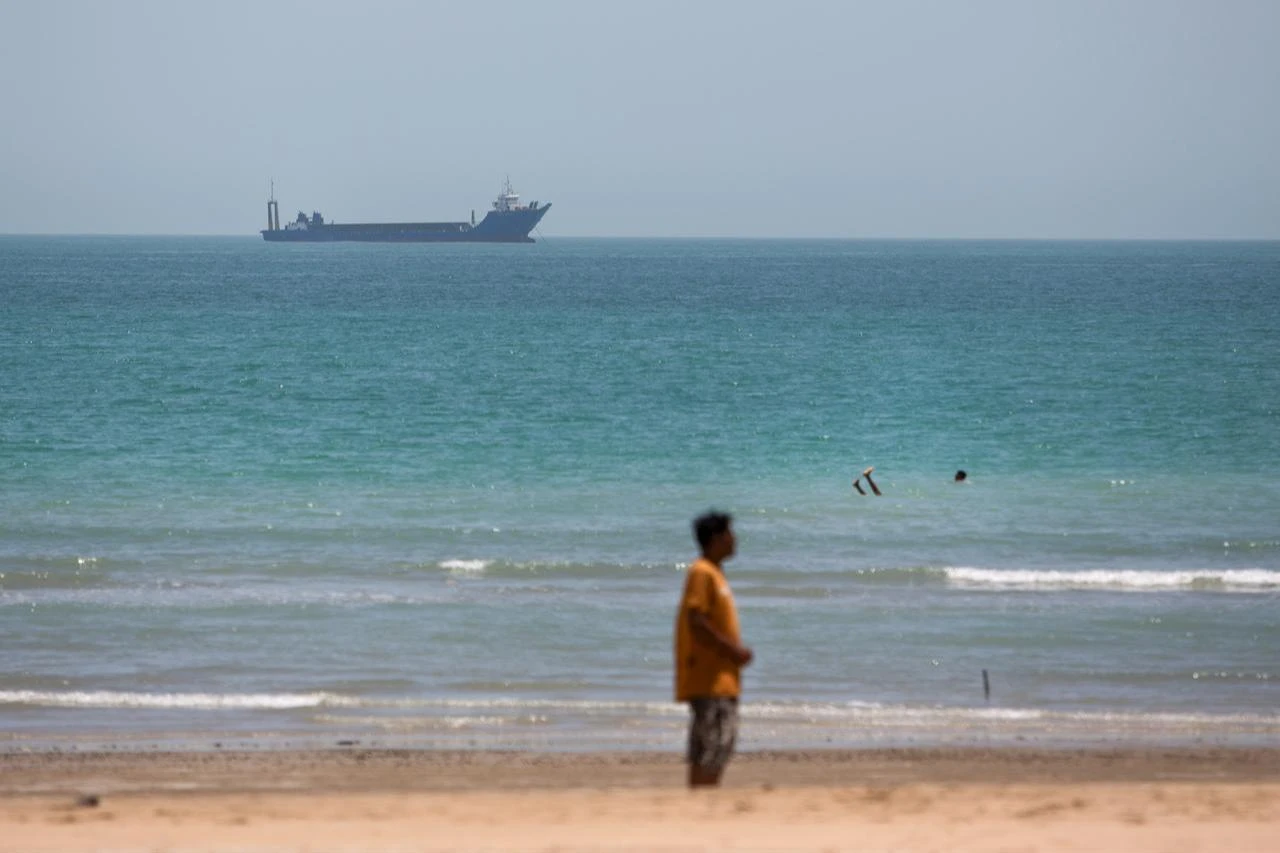

Oman has told European officials there is no way of going back to the pre-war status quo in the Strait of Hormuz, Bloomberg reported last week.
The sultanate is studying the Strait of Malacca in Asia as a potential model, one of the people told Bloomberg, a sign Oman is searching for a solution that appeases Iran while remaining acceptable to the broader international community.
Oman's leaders believe a Malacca-type system would only work if all Persian Gulf states accept it.
The Malacca Strait is managed jointly by Indonesia, Malaysia and Singapore, which charge vessels for navigation and security services. A voluntary fund for safe navigation collected roughly $22 million over a 10-year period, or about $2.2 million per year, according to figures Singapore disclosed in 2017.
During a visit to Paris last week, Sultan of Oman Haitham bin Tariq Al Said met French President Emmanuel Macron. The two leaders said in a joint declaration that they would promote restriction-free transit through the strait.
Gulf countries, which faced weeks of Iranian attacks in the initial phase of the war, have indicated a willingness to soften their opposition to tolls in the name of de-escalation, the people told Bloomberg.
Meanwhile, commercial shipping through the Strait of Hormuz has recovered significantly since Iran and the United States signed an interim peace deal roughly two weeks ago, though it remains far below pre-war levels.
Traceable voyages by ships passing into and out of the Gulf each day rose from between one and two for most of the conflict to eight on July 1, according to a moving seven-day average from maritime data platform Signal.
Total transits, including vessels that turned off their GPS signals, reached 258 in the week to June 28, up from 41 in the first week of the crisis in March, according to data from Lloyd's List Intelligence cited by the Financial Times (FT).
Hapag-Lloyd told the FT that four ships previously stuck in the Gulf were now out. Maersk said two of its vessels had exited the strait last week.
Oil flows through the chokepoint from producers, including Saudi Arabia, have reached more than 10 million barrels per day, slightly more than half pre-war levels.
Iran has also boosted its crude exports following a U.S. lifting of the blockade on its ports. Iran's chief negotiator Mohammad Bagher Ghalibaf said Iran had exported 40 million barrels since the blockade was lifted, at a 20 percent premium to pre-war prices.
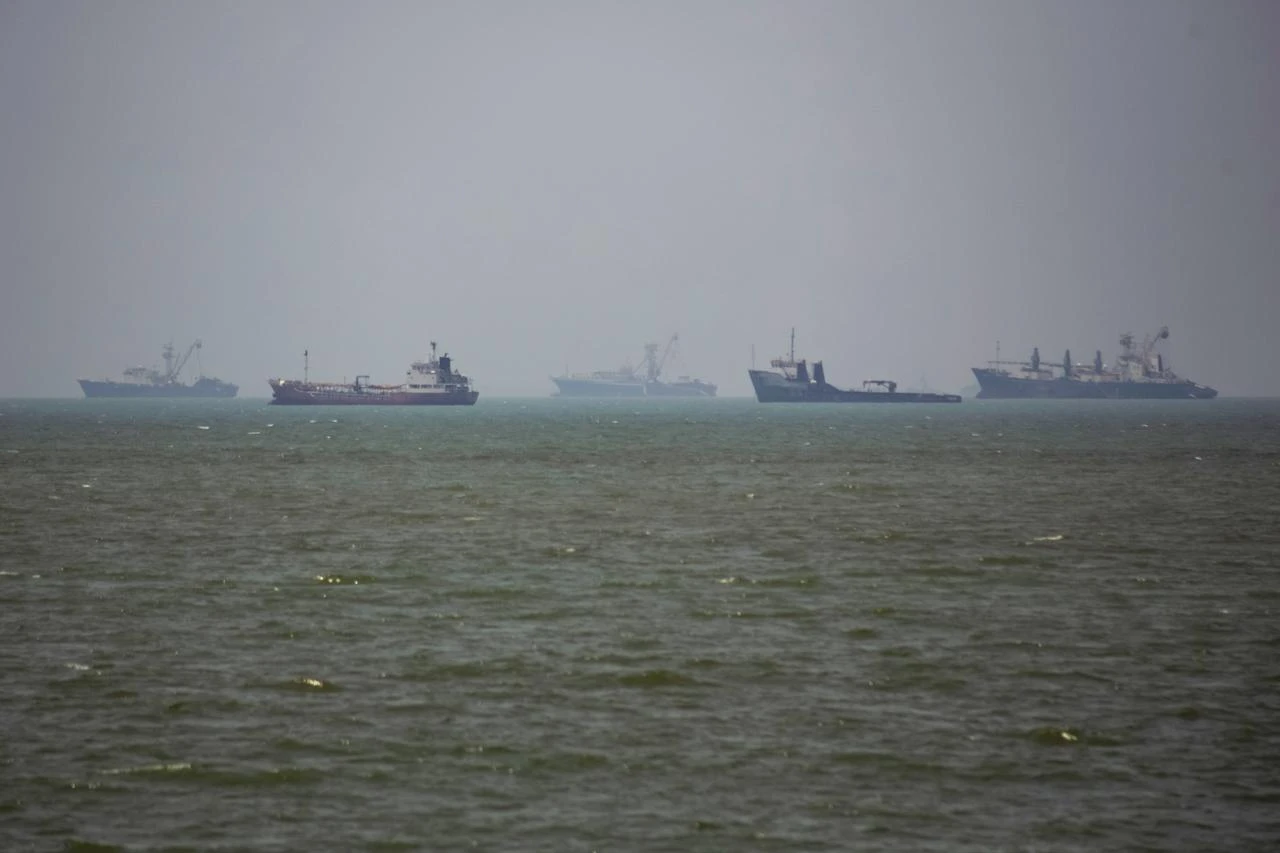
The two main shipping lanes through the strait have been mined by Iran, with the International Maritime Organization (IMO) estimating roughly 80 mines will need clearing before the waterway can be safely used, according to the FT.
Ships are currently traveling either via a route laid out by Iran that requires sign-off from Iran's Islamic Revolutionary Guard Corps (IRGC) or via a southern route hugging Oman's coastline.
The U.S. and Oman have been providing some level of air defense for ships using the southern route.
"It's really difficult to say whether it's growing confidence or whether it's risk takers," said Jakob Larsen, chief safety and security officer at shipping association BIMCO, who spoke to FT.
"A decision by a company is really about the security risk, but also how much pain does it inflict to have a ship locked in. At some point, shipowners are willing to take that extra risk to get their ship out."
Insurance prices had fallen to around 2 percent of a vessel's value even before discounts, down from around 7 percent at the time of the ceasefire, broker WTW told the FT.
The Brent crude price fell to pre-war levels last week for the first time since the conflict began.


 Set as preferred source
 Set as preferred source


 1 min read
 1 min read