Newsletters




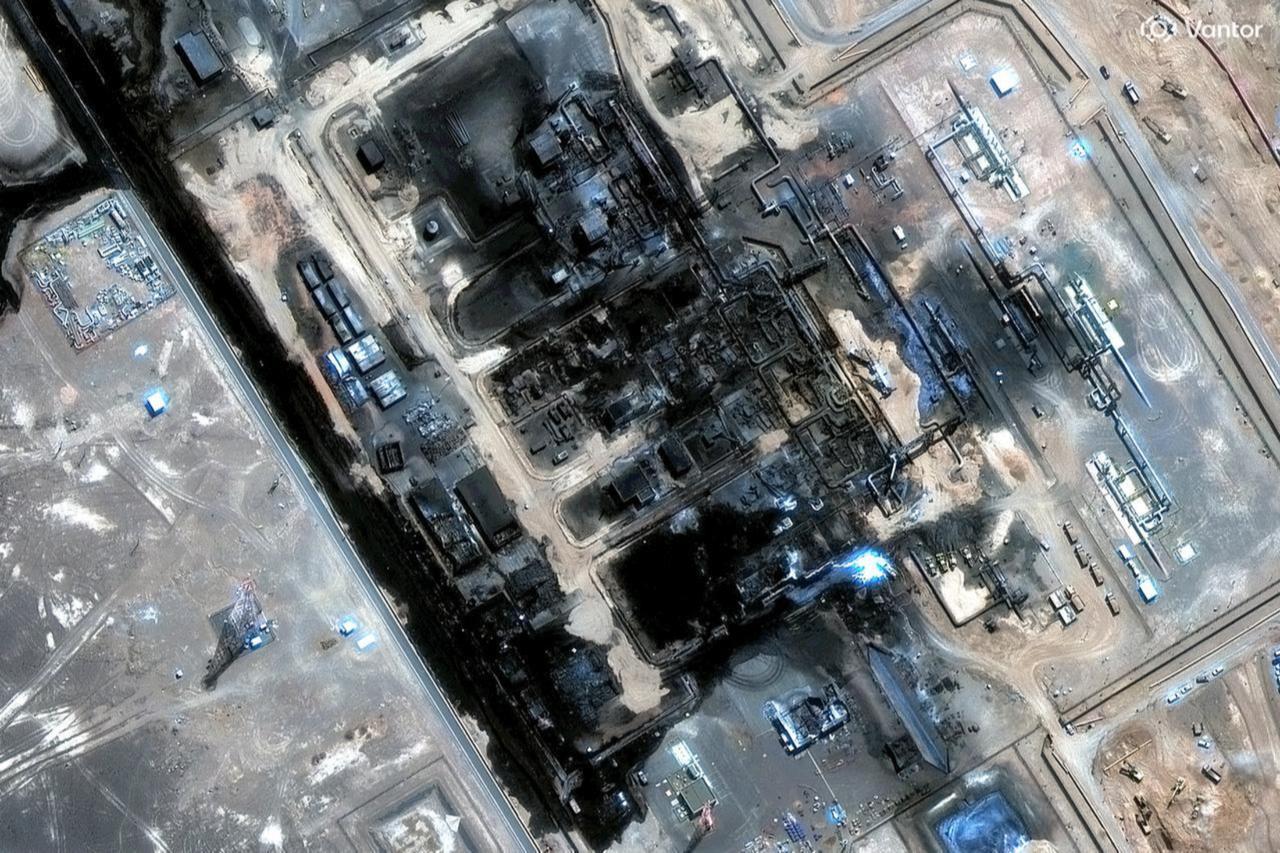
Israel launched large-scale attacks on June 13 targeting Iranian nuclear facilities and senior military leadership, killing top commanders and nine nuclear scientists, according to Iranian sources.
The United States, which openly supported Israel, carried out strikes on June 22 against Iran’s nuclear sites in Natanz, Fordo and Isfahan. Iran retaliated a day later by striking the U.S. Al-Udeid Air Base in Qatar.
U.S. President Donald Trump announced on June 24 that a ceasefire had been reached between Iran and Israel.
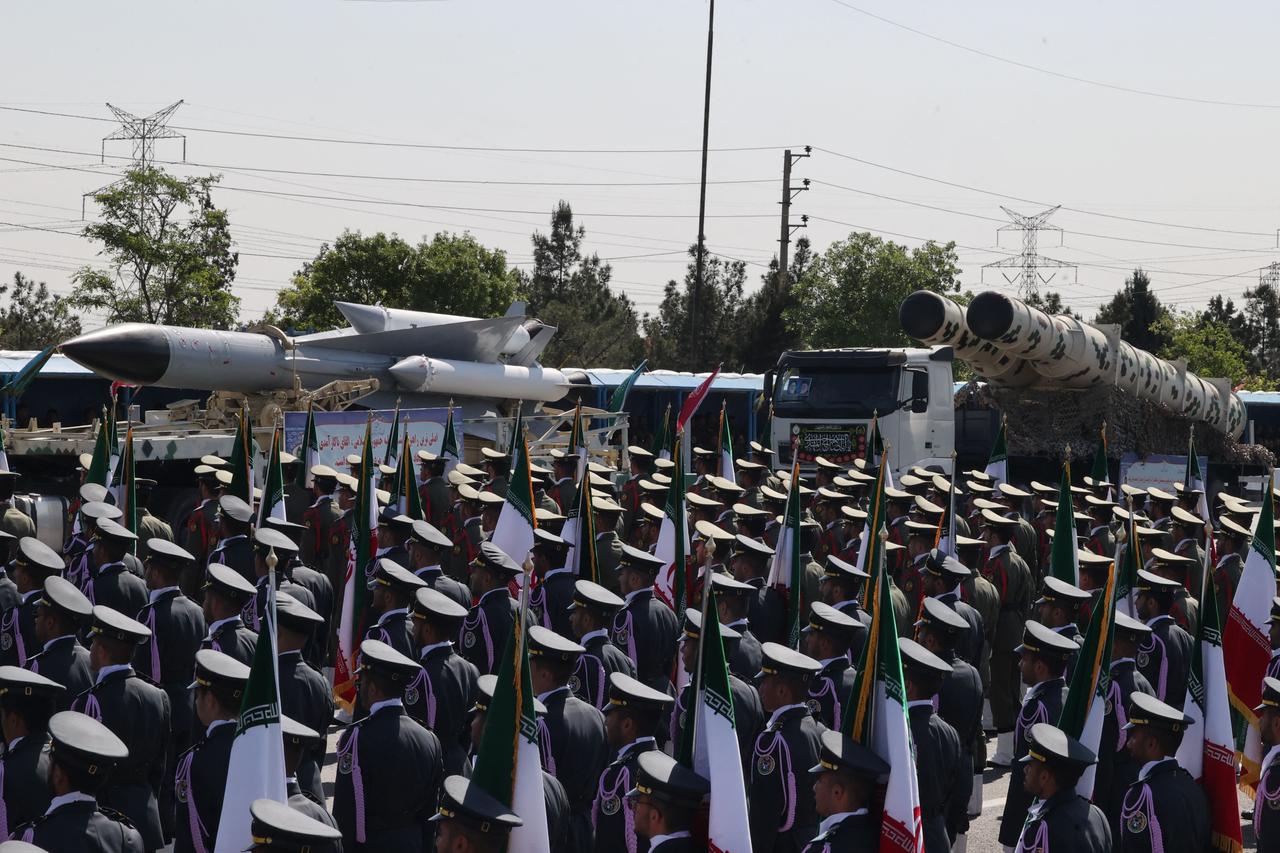
A senior Iranian commander announced that Iran’s armed forces have reached a level where they can assert influence in modern technologies, including artificial intelligence, drones and missiles.
According to Iran’s official news agency IRNA, Iranian Army Ground Forces Commander Brig. Gen. Ali Cihanshahi made the remarks during a ceremony marking the appointment of the Southeastern Regional Headquarters commander.
Cihanshahi said Iran achieved operational independence during the conflict with Israel, particularly in missile and unmanned aerial vehicle capabilities, due to its reliance on domestically developed technology.
“Our armed forces now have a say in modern technological fields such as artificial intelligence, quantum technologies, unmanned aerial vehicles and laser systems,” he said.
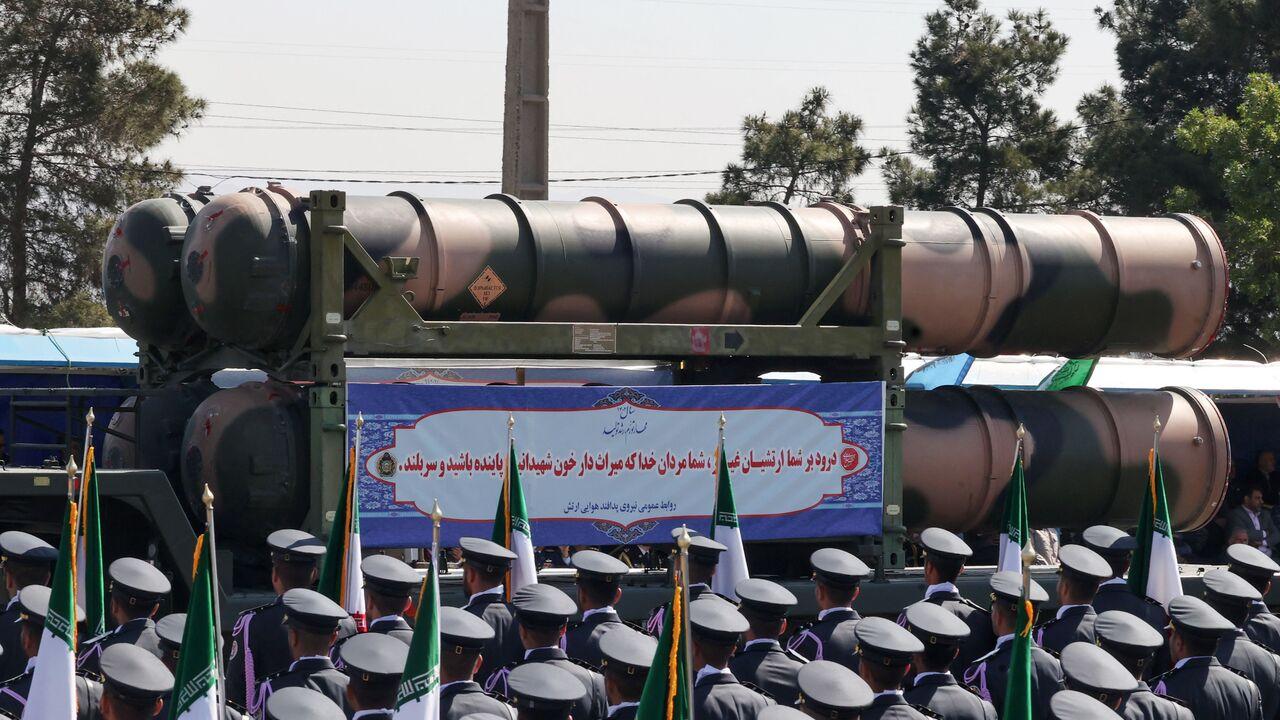

Cihanshahi claimed that during the 12-day conflict with Israel, foreign-made air defense systems were targeted, while domestically produced air defense systems continued operating successfully until the final day.
He said Iran is making intensive efforts to modernize its military equipment and added that any power controlling the Strait of Hormuz also controls the pulse of the global energy economy.
Cihanshahi said U.S. strikes on Iran’s nuclear facilities failed to destroy the country’s nuclear infrastructure.
He pointed to Iran’s geographic proximity to Russia and China and its location along key global energy routes, arguing that major powers are compelled either to cooperate with Iran or attempt to control it.
“Iran has not bowed to coercion,” he said.


 Set as preferred source
 Set as preferred source



 1 min read