Newsletters




Iranian President Masoud Pezeshkian urged the international community to trust Supreme Leader Ali Khamenei’s pledge that Iran will not pursue nuclear weapons, as negotiations with the U.S. continue in Geneva.
According to Iranian state television, Pezeshkian made the remarks at the Mazandaran Provincial Planning and Development Council meeting.
Referring to Khamenei’s statements on the nuclear program, Pezeshkian said, "The leader of society does not lie like politicians. When he says we will not have nuclear weapons, it means we truly will not.”
Responding to U.S. President Donald Trump’s call for Iran to declare that it will not possess nuclear weapons, Pezeshkian said, "We have already declared this many times.”
U.S. Vice President JD Vance reiterated that Iran must not acquire nuclear weapons, stating that Washington has seen evidence that Tehran is attempting to rebuild its capabilities.
Speaking at the White House during a news conference on Medicare and Medicaid funding in Minnesota, Vance said, "The basic rule is simple. Iran cannot have a nuclear weapon. If they try to produce (nuclear weapons) again, that causes problems for us. We have seen evidence that they have tried to do exactly that.”
Vance said President Trump has sent “his best negotiators” to Geneva to secure what he described as the most appropriate agreement with Iran. He added that Trump prefers a diplomatic solution but has other options available.
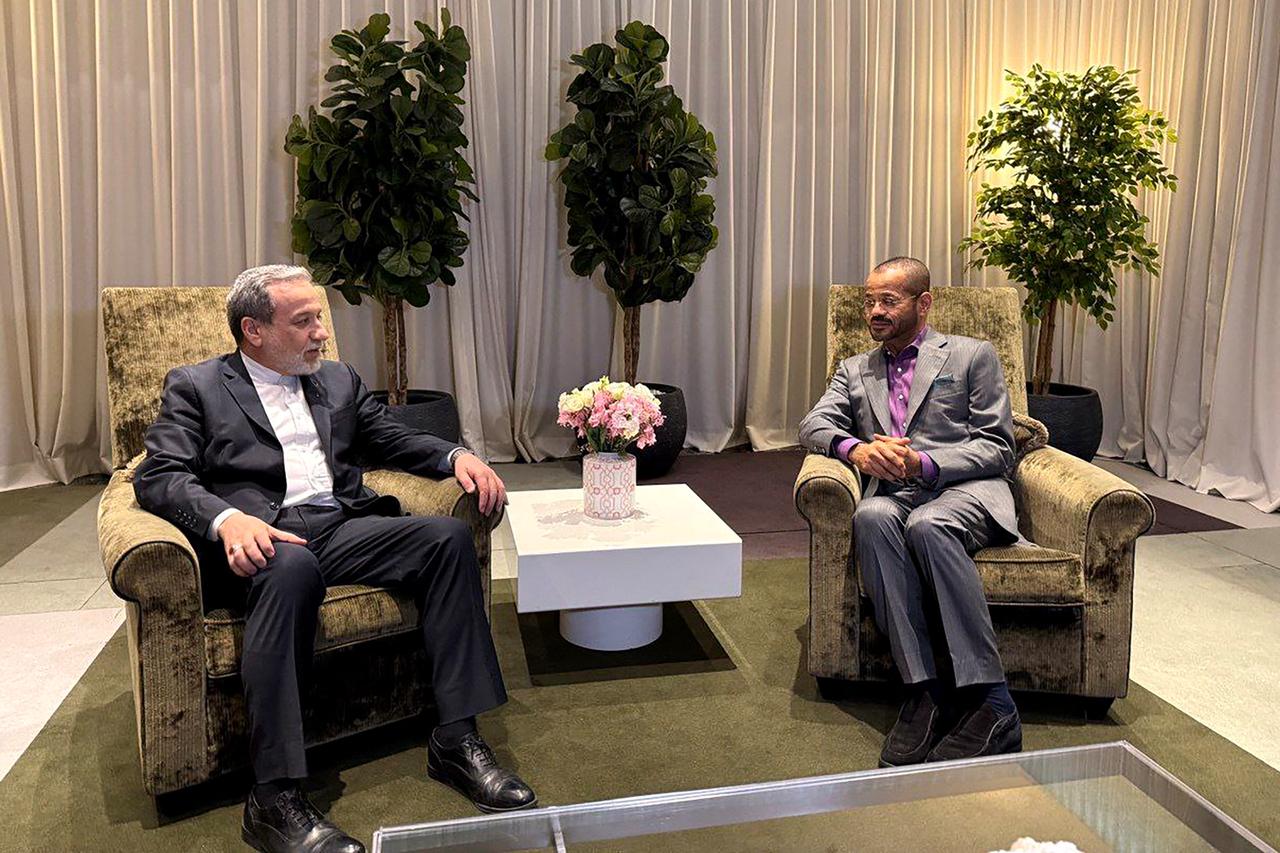
The third round of indirect nuclear negotiations between Iran and the U.S., mediated by Oman, began around 9 a.m. local time in Geneva.
Iran’s Supreme National Defense Council Secretary Ali Shamkhani said it is possible to reach an urgent agreement in the ongoing talks.
In remarks shared on the social media platform X, Shamkhani said if the core issue in the negotiations is ensuring Iran does not possess nuclear weapons, this aligns with Khamenei’s religious decree.
“In that case, reaching an urgent agreement is possible. Foreign Minister Abbas Araghchi has the necessary support and authority to reach an agreement,” he said.
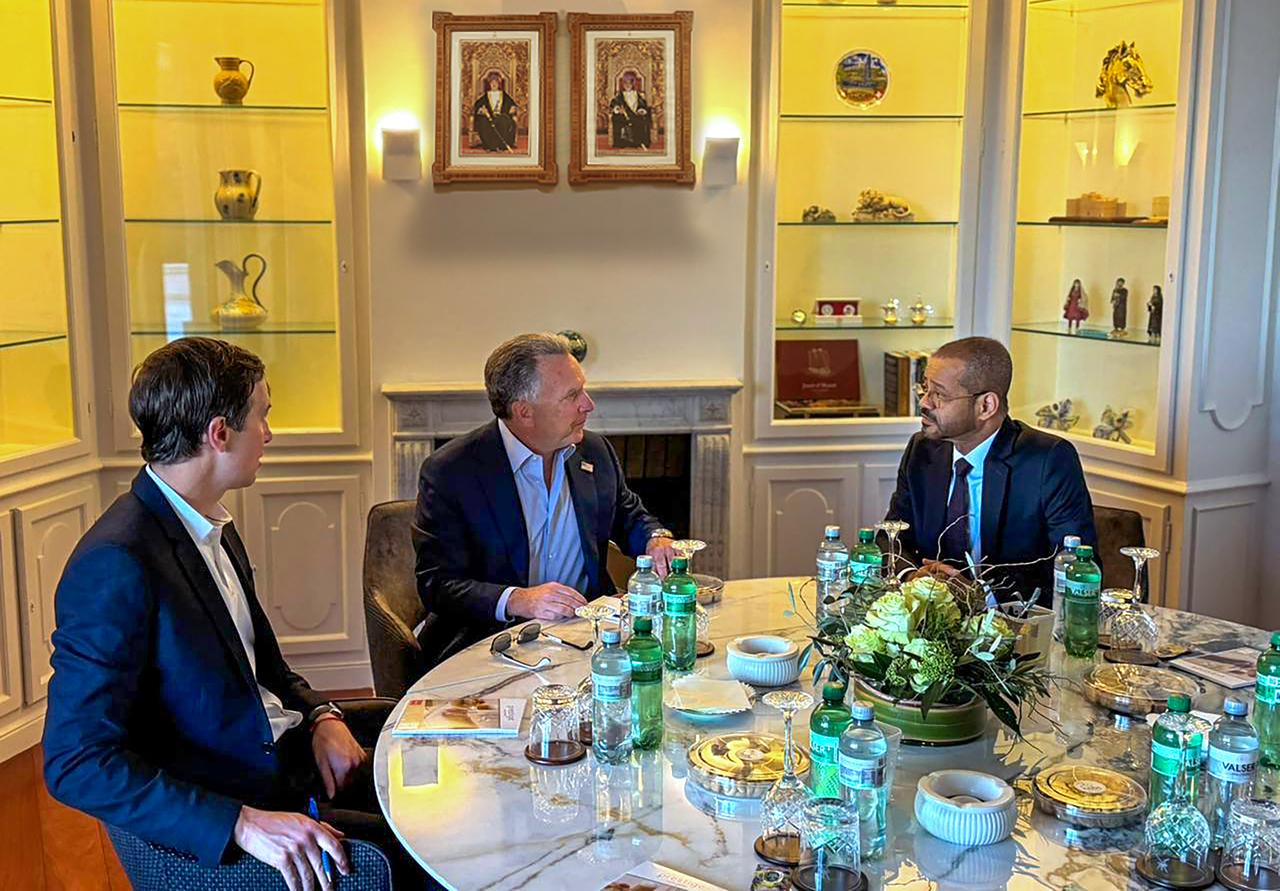

Nuclear talks between Iran and the U.S., which were disrupted following Israeli and U.S. attacks on Iran in June 2025, were revived through the mediation of Oman and initiatives by regional countries, including Türkiye.
Despite continued U.S. threats of attack and a significant military buildup, the sides met in Oman on Feb. 6 for indirect negotiations and agreed to continue contacts. A second round of talks was held in Geneva on Feb. 17, with both sides reporting progress and agreeing to meet again on Feb. 26.
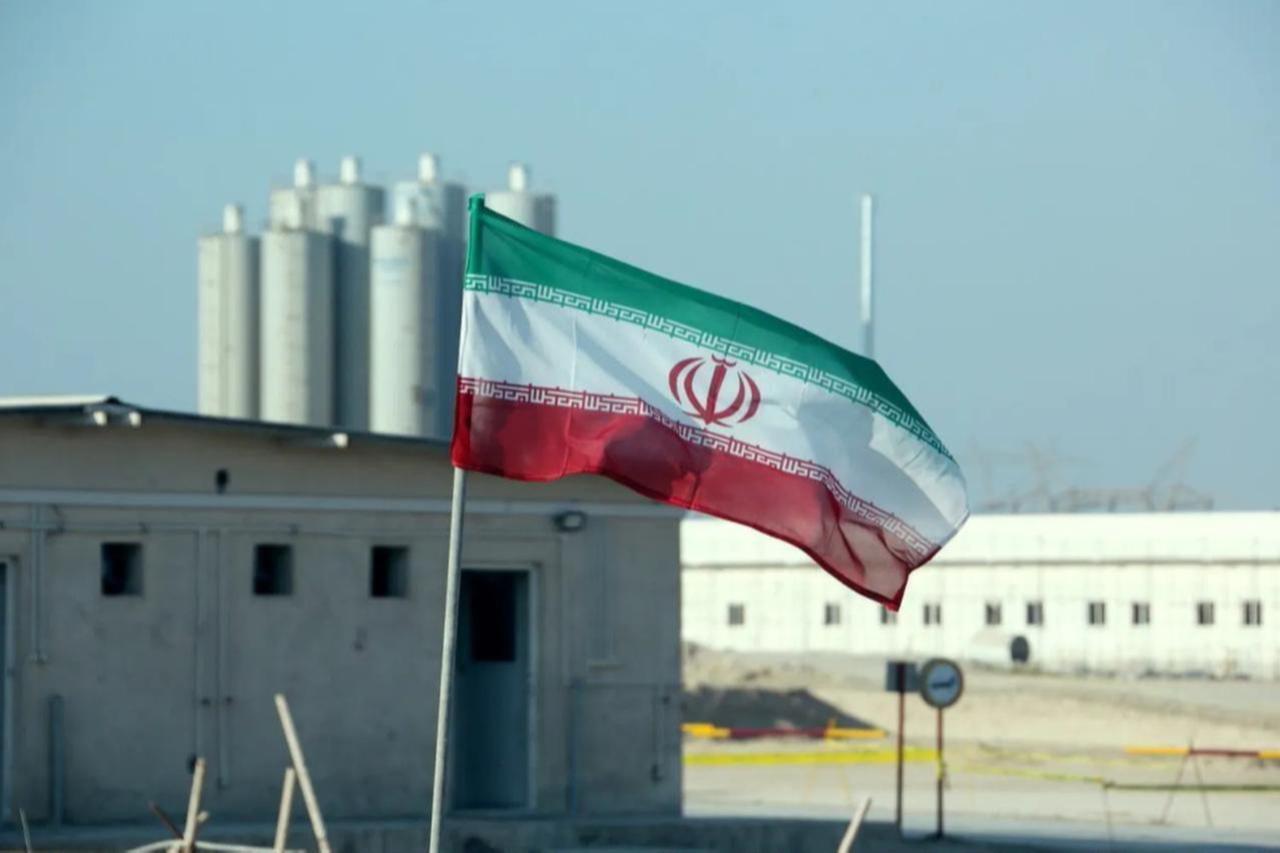
Iran is seeking the lifting of sanctions in return for continuing its nuclear program under limitations that would prevent the production of atomic bombs.
The U.S. is demanding that Tehran halt all uranium enrichment activities and transfer its stockpile of highly enriched uranium abroad.
The talks address the level at which uranium enrichment will be capped, the fate of approximately 440 kilograms of uranium enriched to 60%, as well as the timeline for lifting sanctions and verification mechanisms.


 Set as preferred source
 Set as preferred source


 1 min read
 1 min read