Newsletters


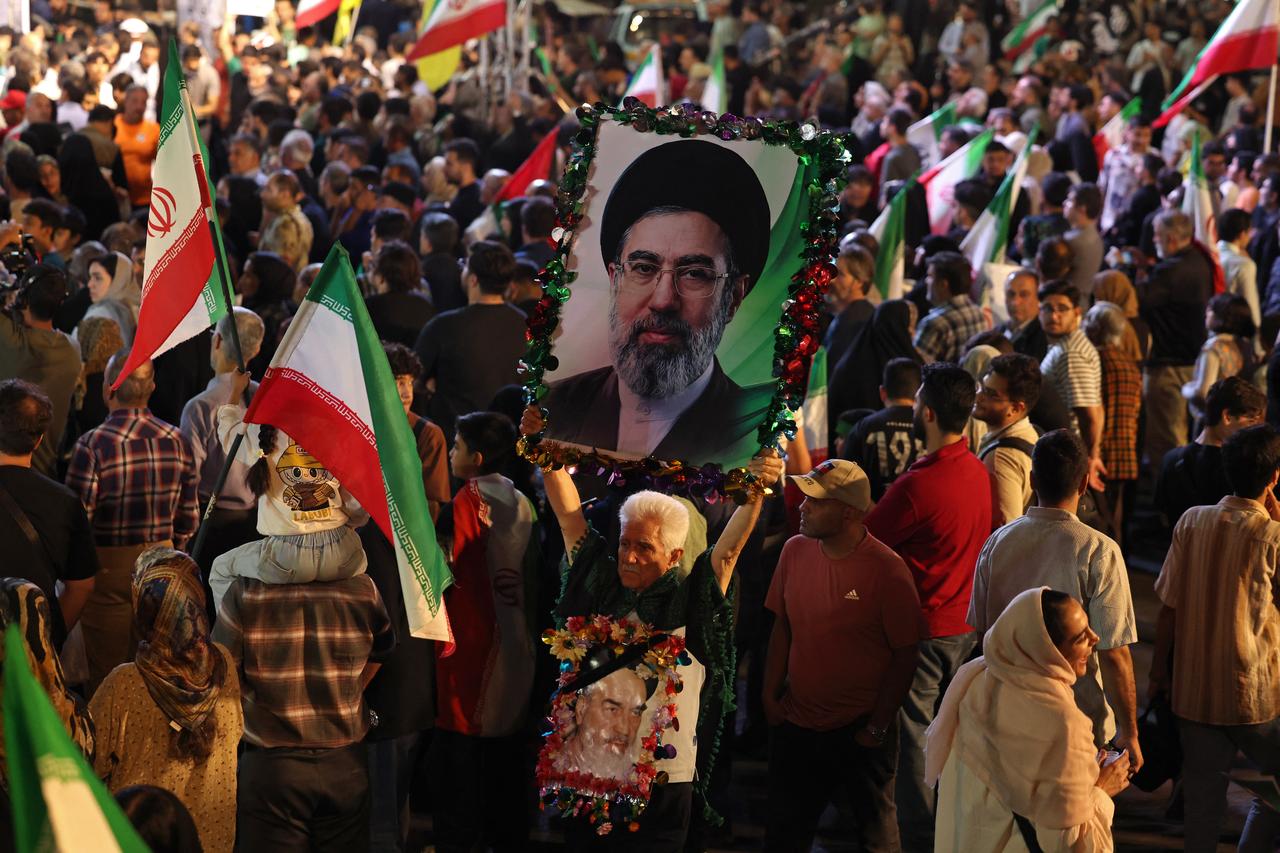


As U.S. President Donald Trump announced on Truth Social that an Iran deal had been “largely negotiated” and that “the Strait of Hormuz will be opened,” Iranian state-aligned news agencies Tasnim News Agency and Fars News Agency pushed back on key details.
They said Hormuz would not return to pre-war status, Iran has made no nuclear commitments, and that some frozen assets must be released before Tehran signs any agreement.
The New York Times (NYT) separately reported that Iran had verbally agreed to give up its enriched uranium stockpile, a claim Tehran has not confirmed.
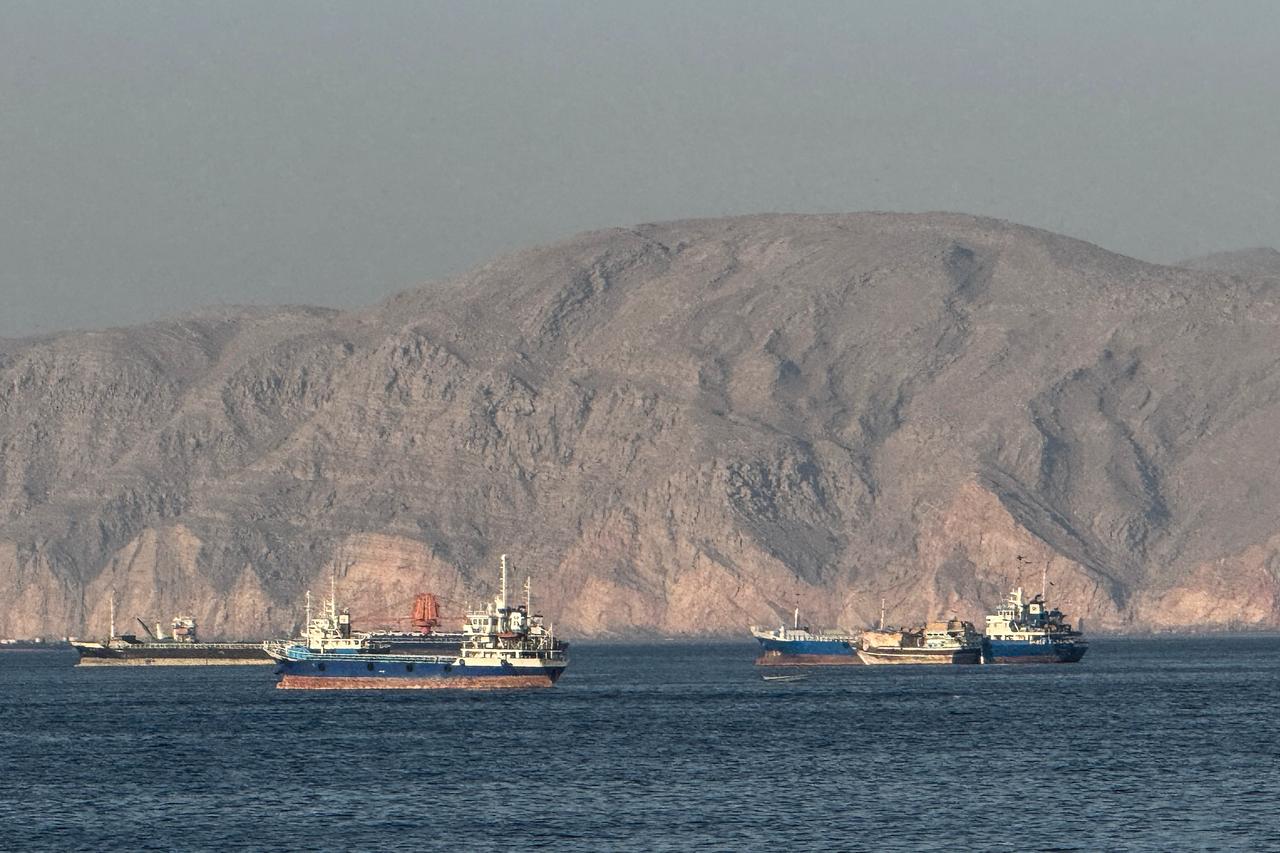
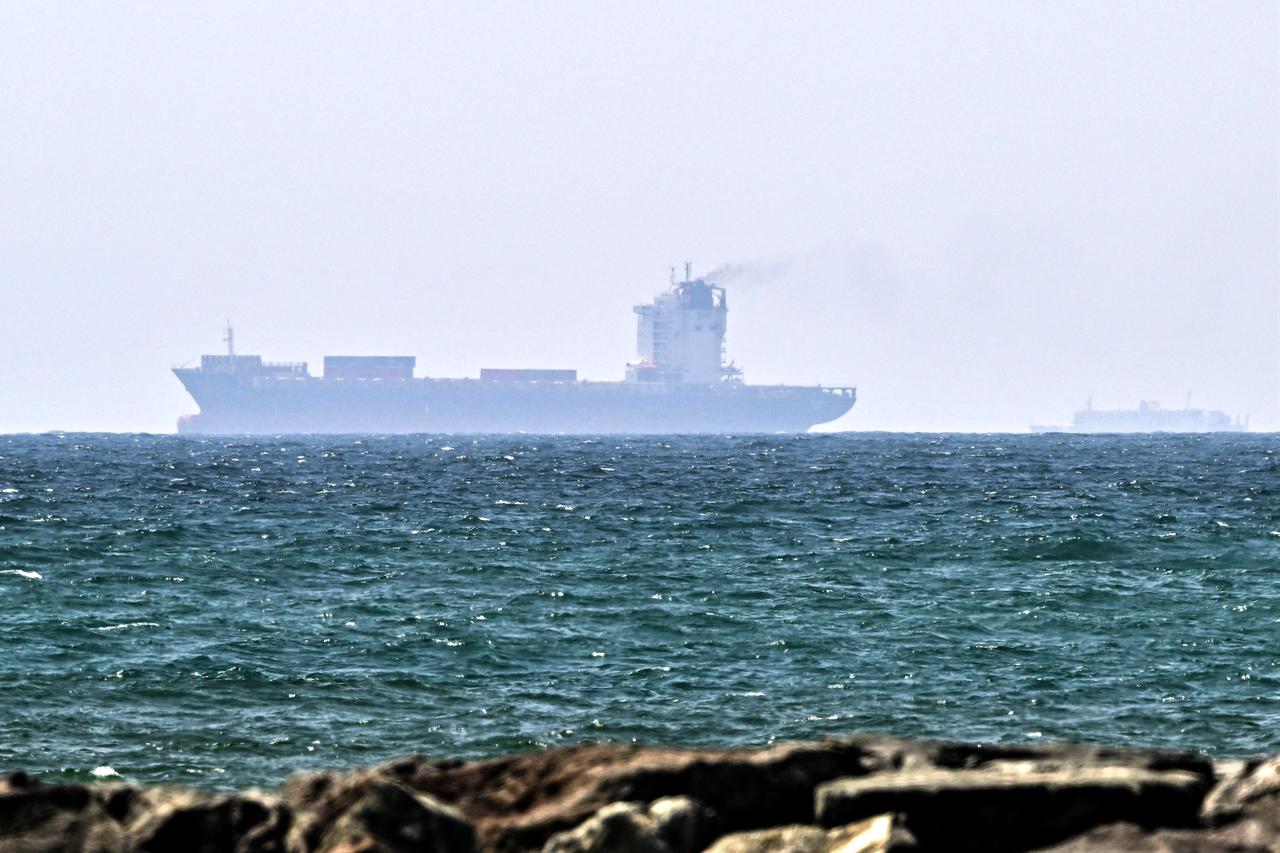
Tasnim News Agency reported that, contrary to what Western media had described, the Strait of Hormuz would not return to its pre-war status under the proposed MoU.
Rather, the deal would allow the number of ships passing through the strait to return to pre-war volumes within 30 days, but Iran would retain management of the waterway, including control over routes, timing, manner of passage, and the issuance of permits.
"The situation of the Strait of Hormuz will not return to before the war," Tasnim reported.
The lifting of the U.S. naval blockade on Iranian ports would need to happen within 30 days, and changes to Hormuz transit would be conditional on the U.S. fulfilling its commitments in the MoU.
"If the blockade is not lifted, the situation at Hormuz would not change," Tasnim said.
Fars News Agency, citing its correspondent's reporting, was more direct, calling Trump's claim that Hormuz would reopen under pre-war conditions "incomplete and inconsistent with reality," adding that Iran had agreed only to allow passage volumes to return to pre-war levels, not to free passage in the previous sense.
U.S. officials had also indicated, according to Fars, that Trump's social media posts were primarily for domestic U.S. media consumption and that Iranian officials should not take them at face value.

Tasnim and Fars both reported that the draft MOU contains no Iranian nuclear commitments whatsoever. All matters related to Iran's nuclear program have been deferred to a 60-day negotiation period following the signing of the MOU.
"Contrary to what some media are attempting to suggest, Iran has made no commitment in this agreement to transfer nuclear stockpiles, remove equipment, shut down facilities, or even commit to not building a nuclear bomb," Fars reported, citing sources with knowledge of the negotiations.
This stands in direct contradiction to the New York Times, which reported, citing two U.S. officials, that a key element of the proposed agreement is an apparent commitment by Tehran to give up its stockpile of highly enriched uranium.
According to the NYT, Iran originally refused to include any agreement on its stockpile in the initial phase, but U.S. negotiators told Iran through intermediaries that without some agreement on the stockpile, they would walk away and resume military operations.
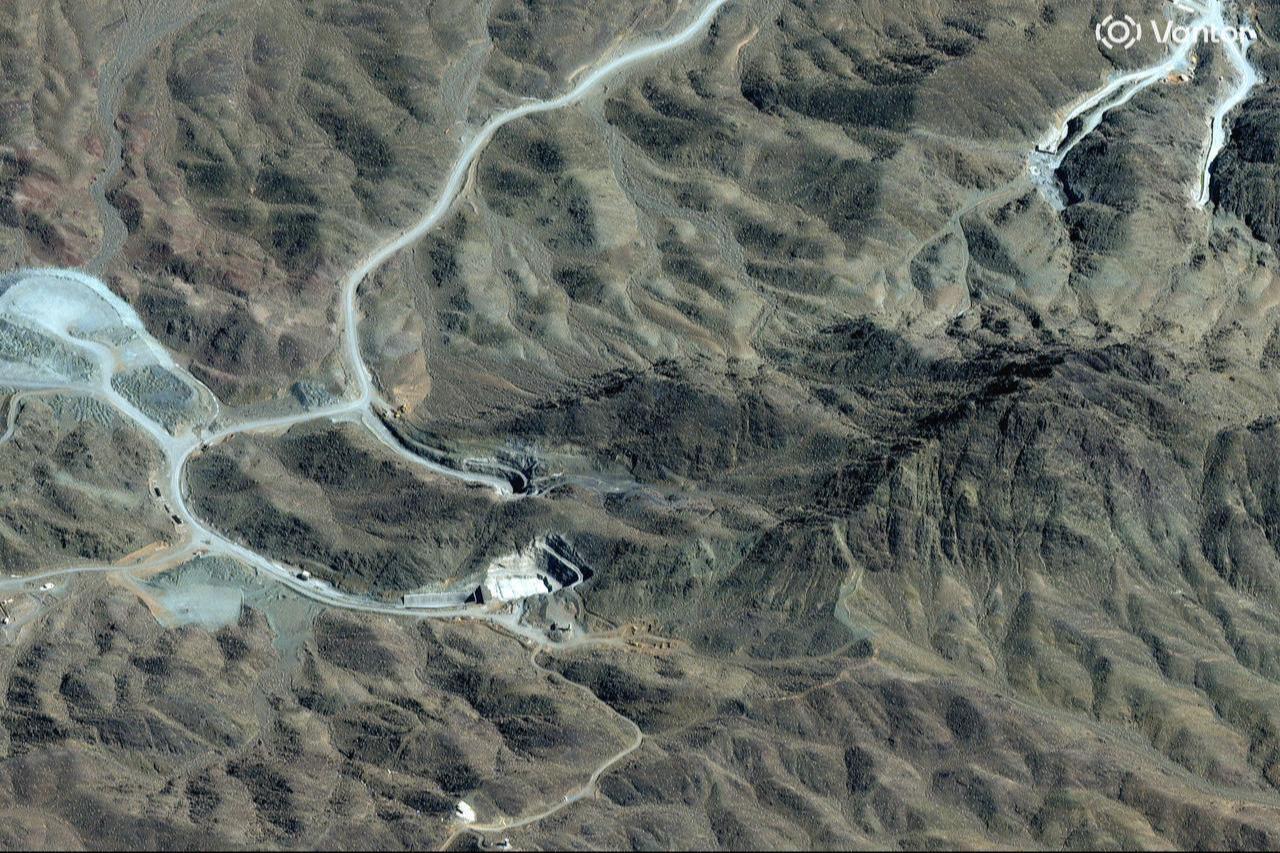
The NYT reported that military planners had developed options to bomb Iran's stockpile, much of which is believed to be at the Isfahan nuclear site, including with bunker-busting bombs.
Iran has a stockpile of approximately 970 pounds of uranium enriched to 60%, according to the International Atomic Energy Agency (IAEA). The NYT noted that as part of the 2015 nuclear deal, Iran transferred its stockpile to Russia, an option that could be repeated, or it could convert the material to a level of enrichment below weapons grade.
Tasnim reported that Iran has insisted that any MOU must be conditional on the release of at least some of its frozen overseas assets upfront, citing Iran's prior experience of U.S. commitments on asset release being violated.
Iran has demanded that a mechanism for releasing the remainder of frozen assets also be defined during the negotiation period, and that if the U.S. again blocks release, Iran would reconsider participation in future talks.
The U.S. had sought to tie the bulk of frozen asset releases to a final nuclear agreement.
Tasnim outlined the broad structure of the proposed deal as follows:
Fars separately said the draft agreement makes clear that Iran retains sovereignty over Hormuz and that the claim Israel is excluded from deal commitments, as reported by the New York Times, is inaccurate, since both sides commit to non-aggression reciprocally.
Three senior Iranian officials speaking to the New York Times on condition of anonymity said Iran had agreed to a memorandum of understanding that would stop the fighting and reopen the Strait of Hormuz.
They said the agreement would halt fighting on all fronts, including Lebanon and would allow ships to pass through Hormuz without tolls or fees. In turn, the U.S. would lift its naval blockade.
Iranian Deputy Foreign Minister Kazem Gharibabadi posted on social media early Sunday that Iran was "seeking peace with strength, pursuing diplomacy with dignity and firmly defending the territorial integrity, independence and rights of our beloved Iran," without confirming or denying specific deal terms.


 Set as preferred source
 Set as preferred source


 1 min read
 1 min read