Newsletters


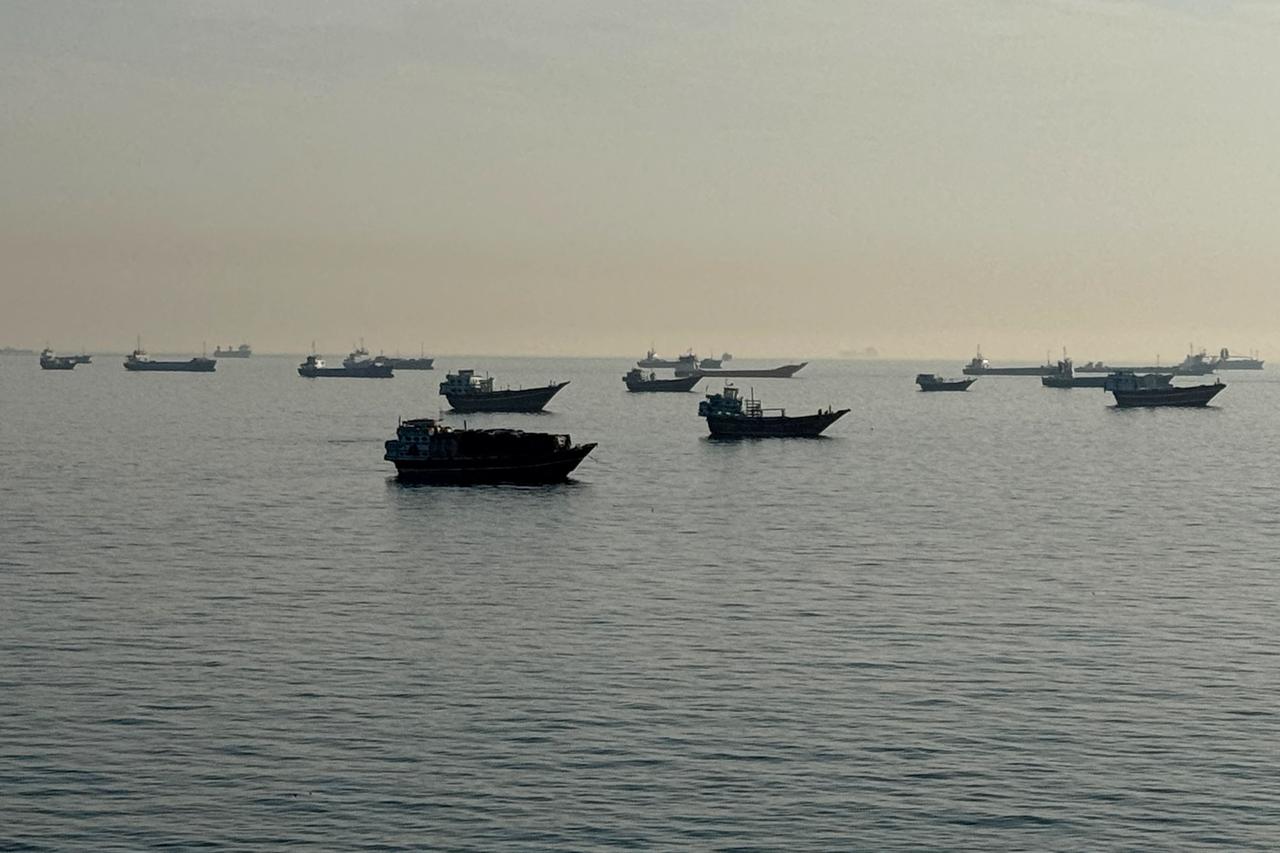


The U.S. and Iran are close to signing a memorandum of understanding (MoU) that would extend the 60-day ceasefire, reopen the Strait of Hormuz without tolls, have Iran clear its mines, and prompt the U.S. to lift its port blockade, Axios reported Sunday, citing a U.S. official.
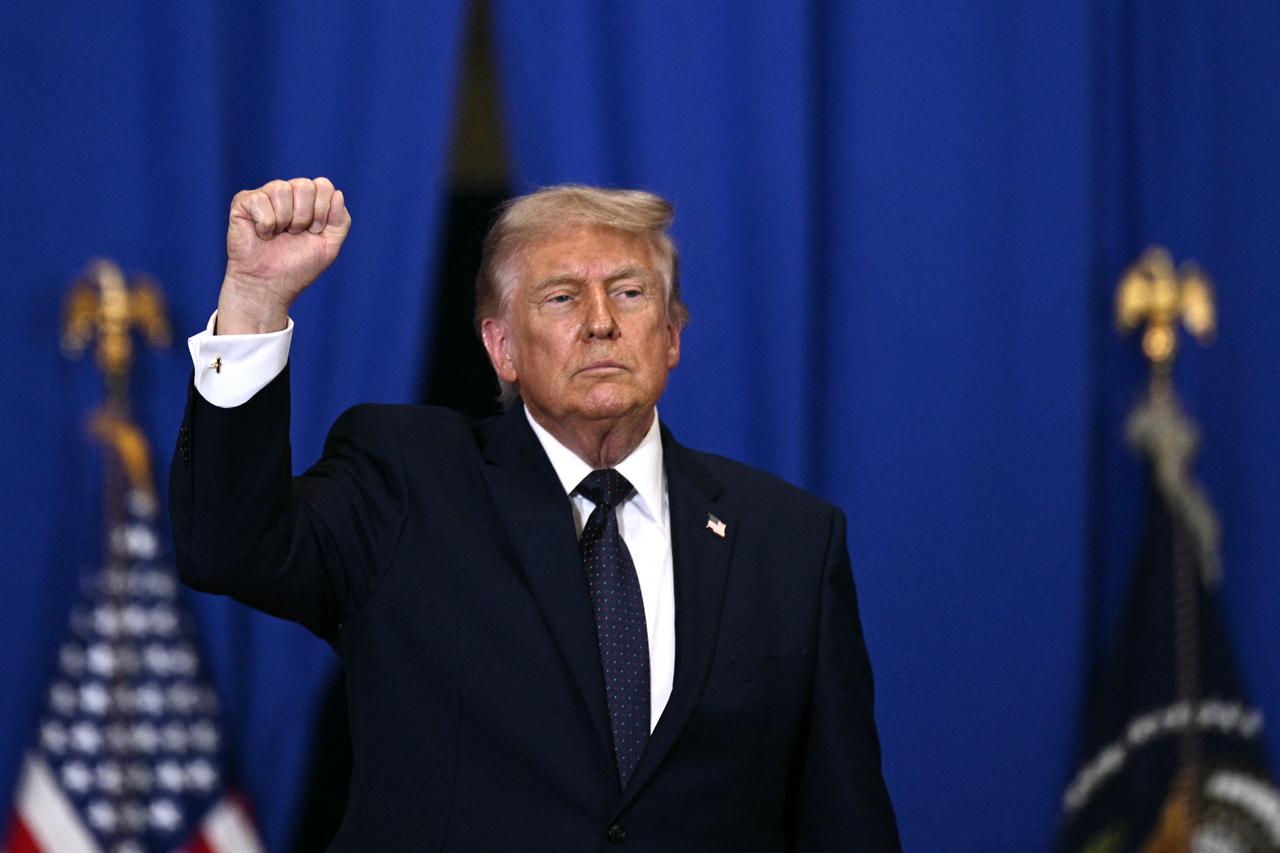
Trump announced from the Oval Office that a deal had been "largely negotiated" after a call with leaders of nine countries, including Türkiye, Saudi Arabia, Pakistan, and Qatar, and a separate call with Netanyahu that "went very well."
Shortly after the Axios report, Trump posted on Truth Social from the Oval Office: "An Agreement has been largely negotiated, subject to finalization between the United States of America, the Islamic Republic of Iran, and the various other Countries, as listed."
He added that "the Strait of Hormuz will be opened" and said final aspects and details "will be announced shortly."
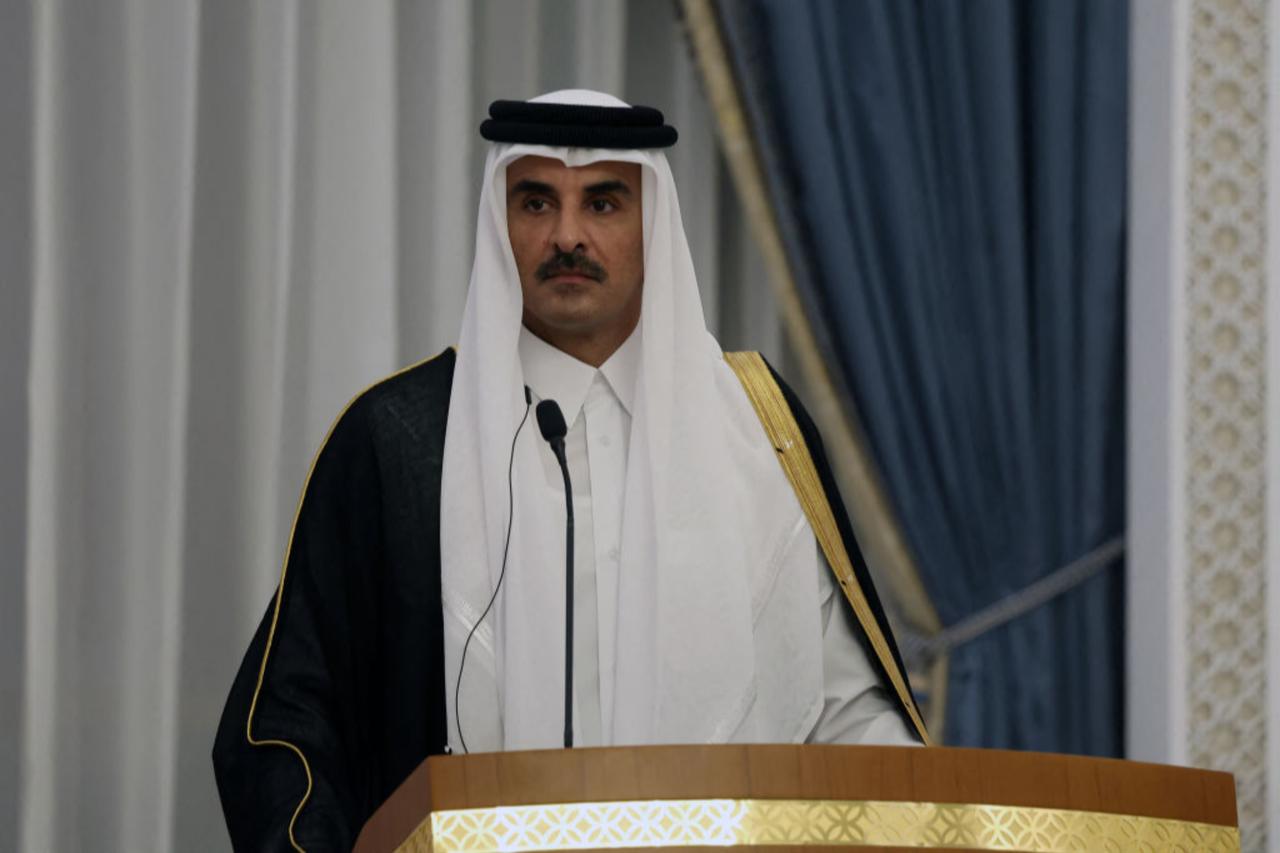
Trump said he had spoken with Saudi Crown Prince Mohammed bin Salman Al Saud, UAE President Mohammed bin Zayed Al Nahyan, Qatari Emir Tamim bin Hamad Al Thani, Qatari Prime Minister Mohammed bin Abdulrahman Al Thani, Pakistani Field Marshal Asim Munir, President Recep Tayyip Erdogan of Türkiye, Egyptian President Abdel Fattah El-Sisi, Jordan's King Abdullah II and Bahrain's King Hamad bin Isa Al Khalifa.
He said he also had a separate call with Israeli Prime Minister Benjamin Netanyahu, which "likewise, went very well."

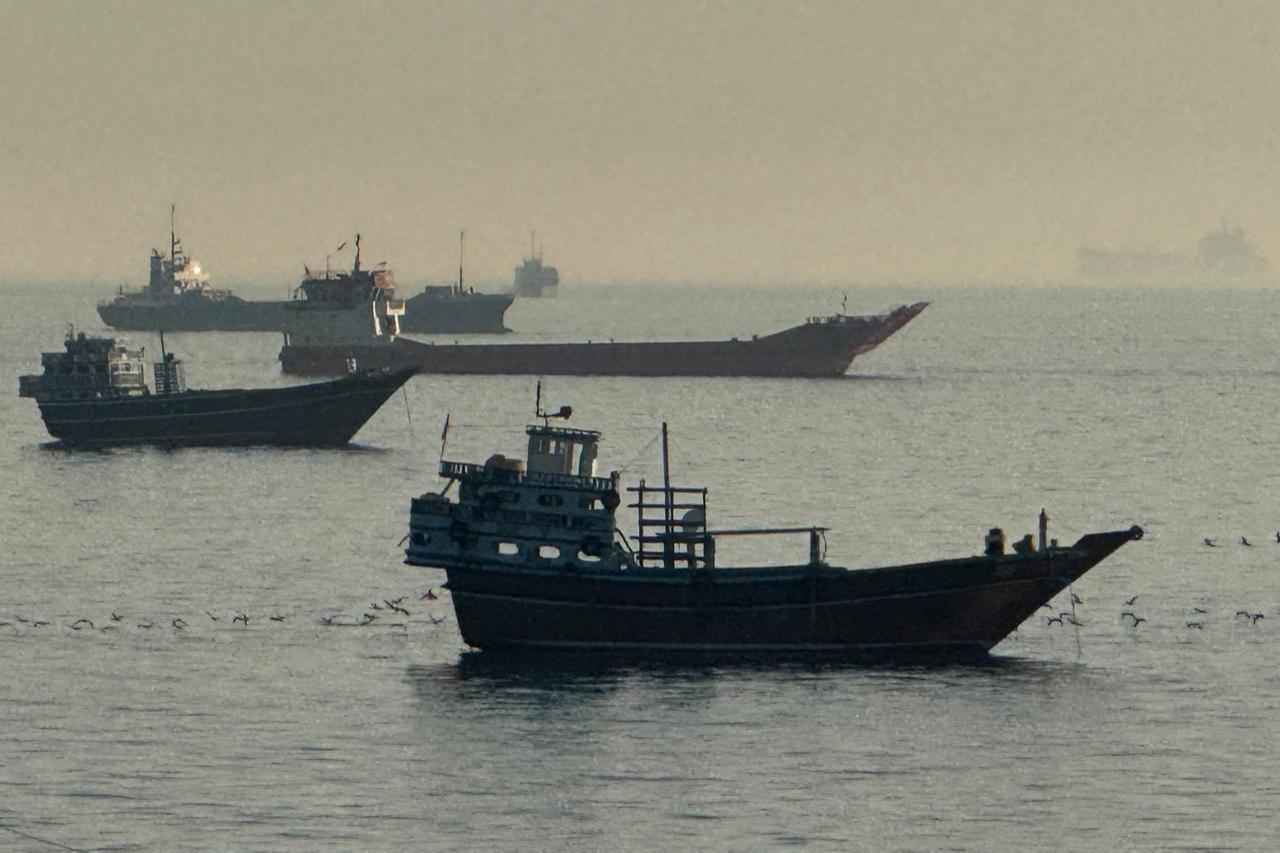
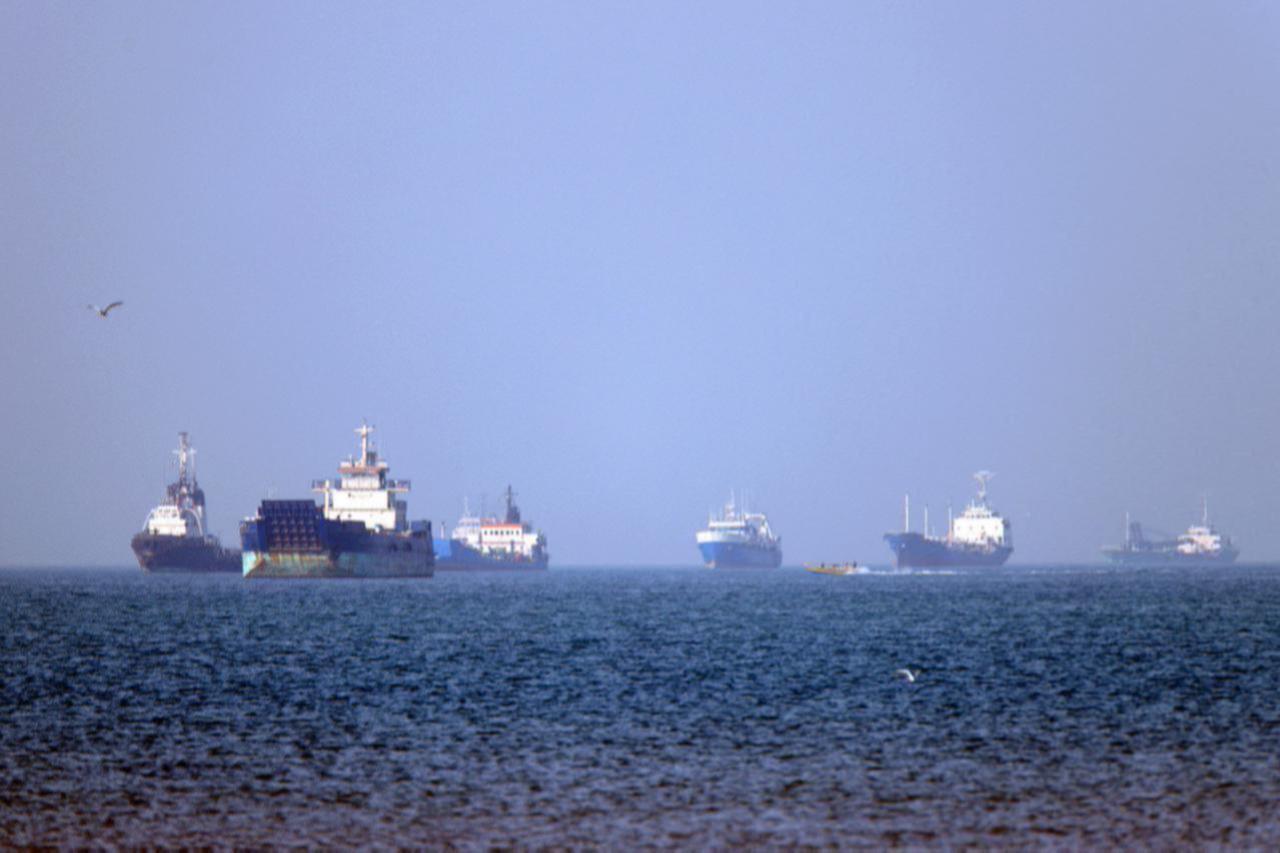
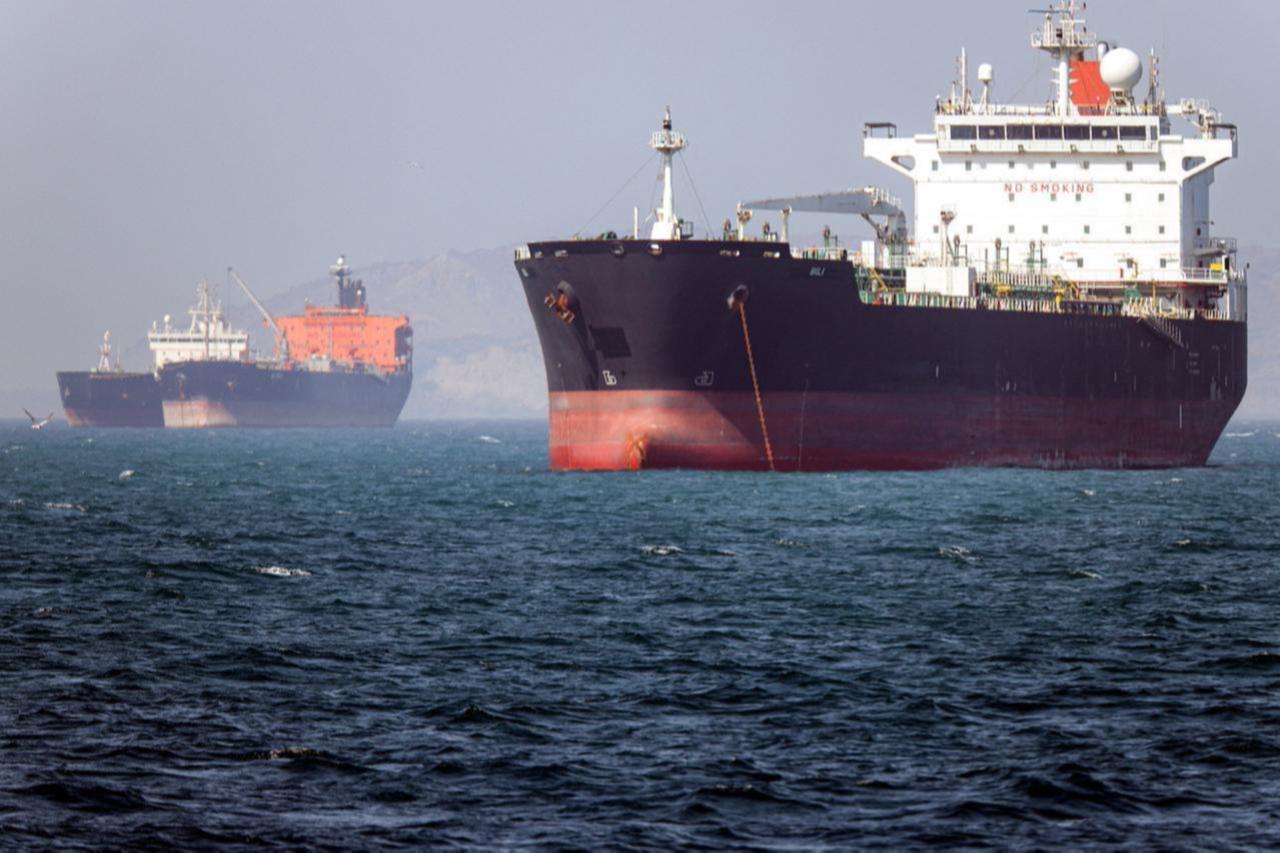
According to Axios, both sides would sign a 60-day memorandum of understanding, extendable by mutual consent. During the 60 days, the Strait of Hormuz would be open with no tolls, and Iran would agree to clear the mines it deployed in the strait to allow ships to pass freely.
In exchange, the U.S. would lift its blockade on Iranian ports and issue sanctions waivers allowing Iran to sell oil freely. The U.S. official acknowledged this would benefit Iran's economy but said it would also provide significant relief to global oil markets.
The U.S. official described Trump's key principle as "relief for performance." Iran wanted funds unfrozen immediately and permanent sanctions relief, but the U.S. said that would only happen after tangible concessions were made.
"The faster Iran clears mines and lets shipping resume, the faster the blockade would be lifted," the official said.
The draft MoU also includes commitments from Iran to never pursue nuclear weapons and to negotiate over a suspension of its uranium enrichment program and the removal of its stockpile of highly enriched uranium.
According to two sources with knowledge, Iran gave the U.S., through mediators, verbal commitments about the scope of concessions it is willing to make on suspending enrichment and giving up nuclear material.
The U.S. would negotiate over lifting sanctions and unfreezing Iranian funds during the 60 days, but those steps would only be implemented as part of a verifiably implemented final agreement.
U.S. forces mobilized in recent months would remain in the region for 60 days and withdraw only if a final deal is reached.
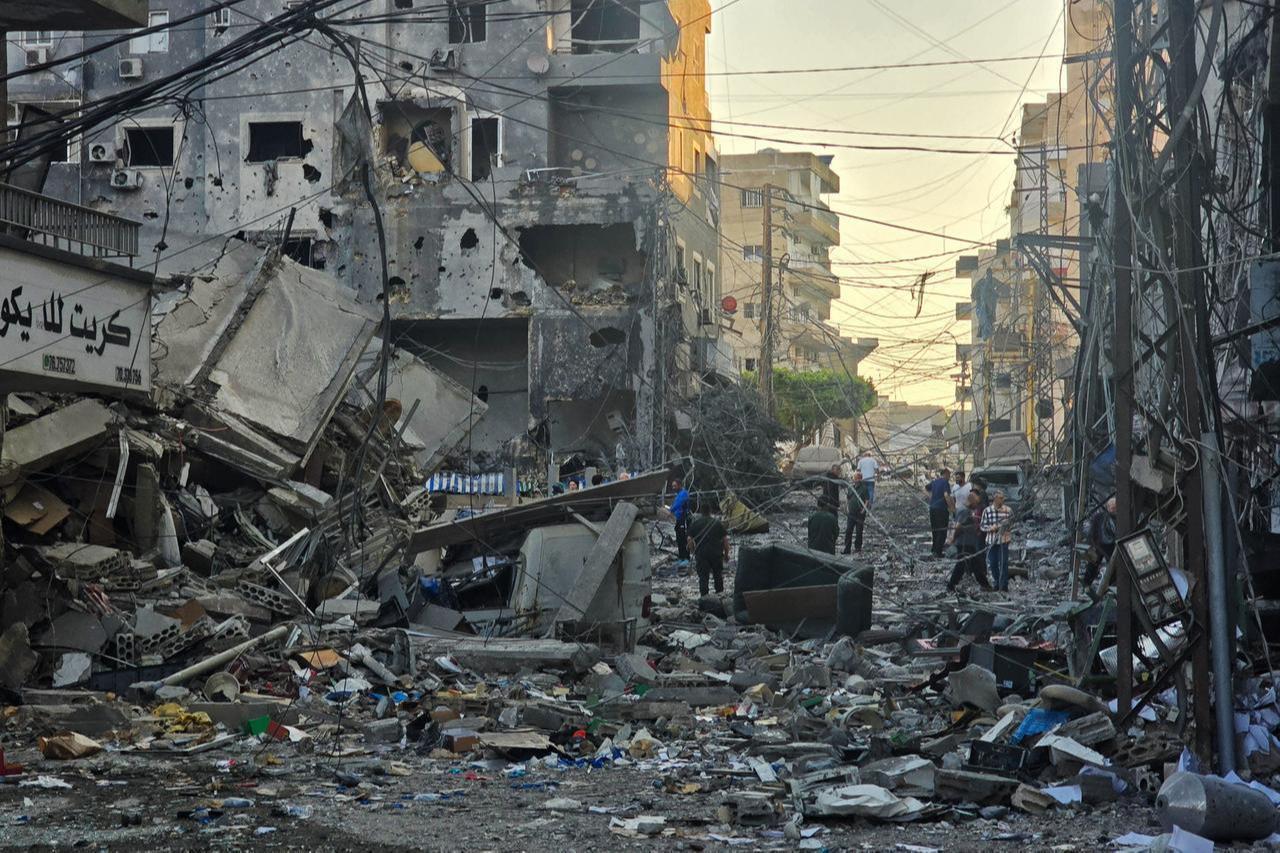
The draft MoU also makes clear that the war between Israel and Hezbollah in Lebanon would end.
"Netanyahu expressed concern about that condition during a phone call with Trump on Saturday," an Israeli official told Axios.
"He also raised concerns about other aspects of the deal, but did so in a respectful and deferential way," a U.S. official said.
The U.S. official said it would not be a "one-sided ceasefire" and that if Hezbollah tried to rearm or instigate attacks, Israel would be allowed to act.
"If Hezbollah behaves, Israel will behave," the official said.
"Bibi has his domestic considerations, but Trump has the interests of the U.S. and the global economy to think about," the U.S. official said.
Three senior Iranian officials speaking to the New York Times (NYT) separately said Iran had agreed to a memorandum of understanding that would stop the fighting and reopen the Strait of Hormuz, including lifting the U.S. naval blockade and allowing free commercial traffic without Iranian tolls.
They said the agreement would halt fighting on all fronts, including Lebanon and would release $25 billion in frozen Iranian assets.
Nuclear issues, which had been a major sticking point, would be negotiated within 30 to 60 days, the officials said. Pakistani and Qatari mediators had facilitated the draft, they added.
However, an Iranian Foreign Ministry spokesperson said there were still issues that needed to be discussed through mediators, leaving some ambiguity about whether what Iranian officials described as agreed upon matched what the U.S. side was working from.
"All the regional leaders Trump contacted on the conference call said they supported the deal," three sources familiar with the call told Axios, including the UAE's hawkish president, Mohammed bin Zayed, whose country had borne the brunt of Iranian attacks during the war.
Pakistan's Field Marshal Munir, the primary mediator, had been in Tehran on Friday and Saturday working to get the deal across the line, Axios reported.
"The White House hoped final differences would be resolved within hours and a deal announced Sunday," the U.S. official said.
The official cautioned it was possible the deal would not even last the full 60 days if the U.S. concluded Iran was not serious about nuclear negotiations.
"It will be interesting to see how far Iran will be truly willing to go," the official said, adding that "if they are capable of and want to change their trajectory, this next phase will force them to make some critical decisions on what they want to be as a country."


 Set as preferred source
 Set as preferred source


 1 min read
 1 min read