Newsletters




Iran’s army spokesman Brigadier General Mohammad Ekreminiya on Thursday said Tehran is approaching negotiations cautiously and is prepared for a prolonged war if talks fail.
Speaking on state television, Ekreminiya said the ceasefire was imposed on the opposing side due to Iran’s stance.
“Iran, with its determined stance, forced the enemy to accept the ceasefire. The basis and focus of the negotiations are shaped by Iran’s conditions,” he said.
Despite this, he stressed a cautious approach to the diplomatic process.
“We hope the talks will succeed, but if they fail, we are also ready for a long war,” he said.
Ekreminiya emphasized distrust toward the opposing side, referring to the 2015 nuclear deal process.
“The enemy has shown that it is not reliable during the nuclear deal process. It demonstrated the same attitude in the previous two rounds of negotiations,” he said.
He added that Iran’s military preparations remain ongoing.
“Our eyes are on the enemy, our finger is on the trigger,” he said.
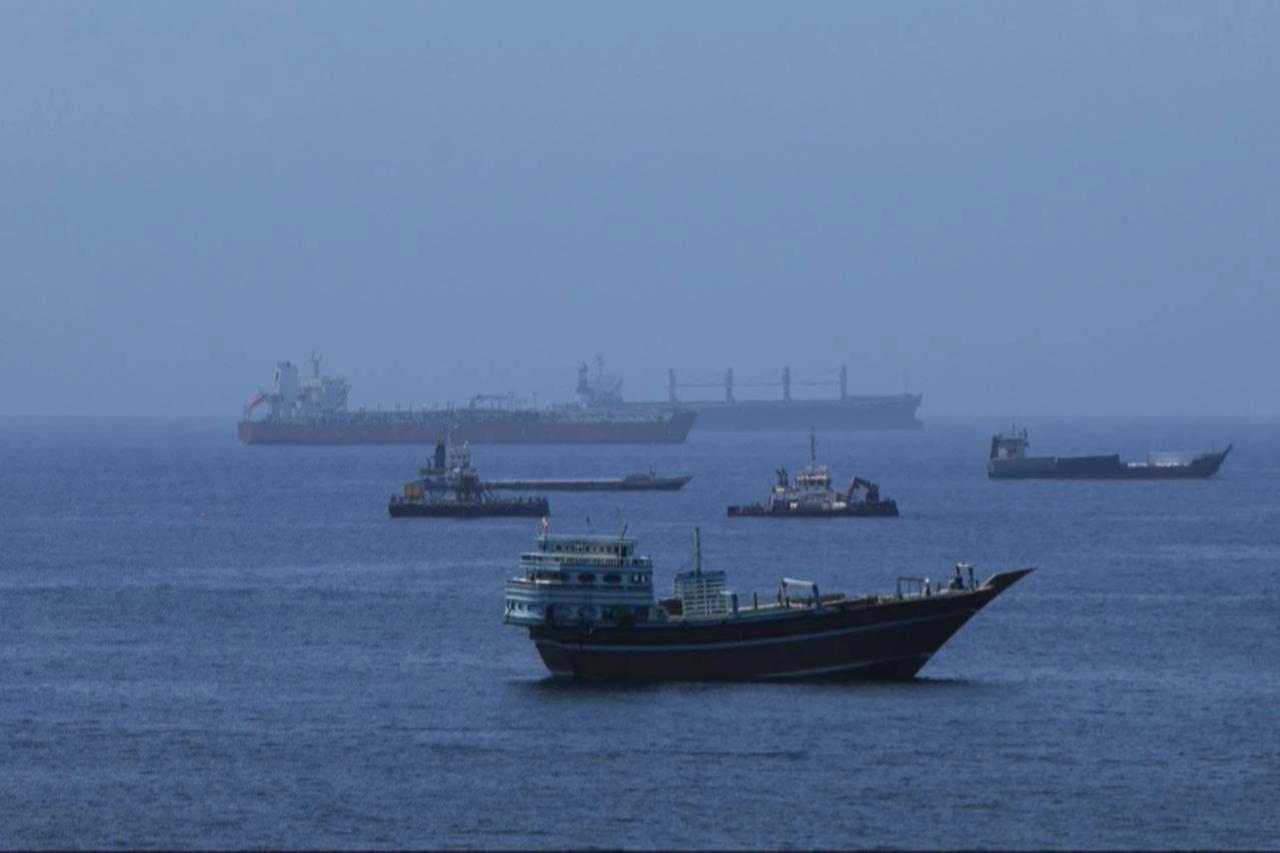
Referring to a draft law prepared by parliament to charge fees for passage through the Strait of Hormuz, Ekreminiya said the move would strengthen Iran’s economic position.
“With parliament’s decision, bringing the Strait of Hormuz under control will be an achievement that provides economic benefits to Iran in this war,” he said.
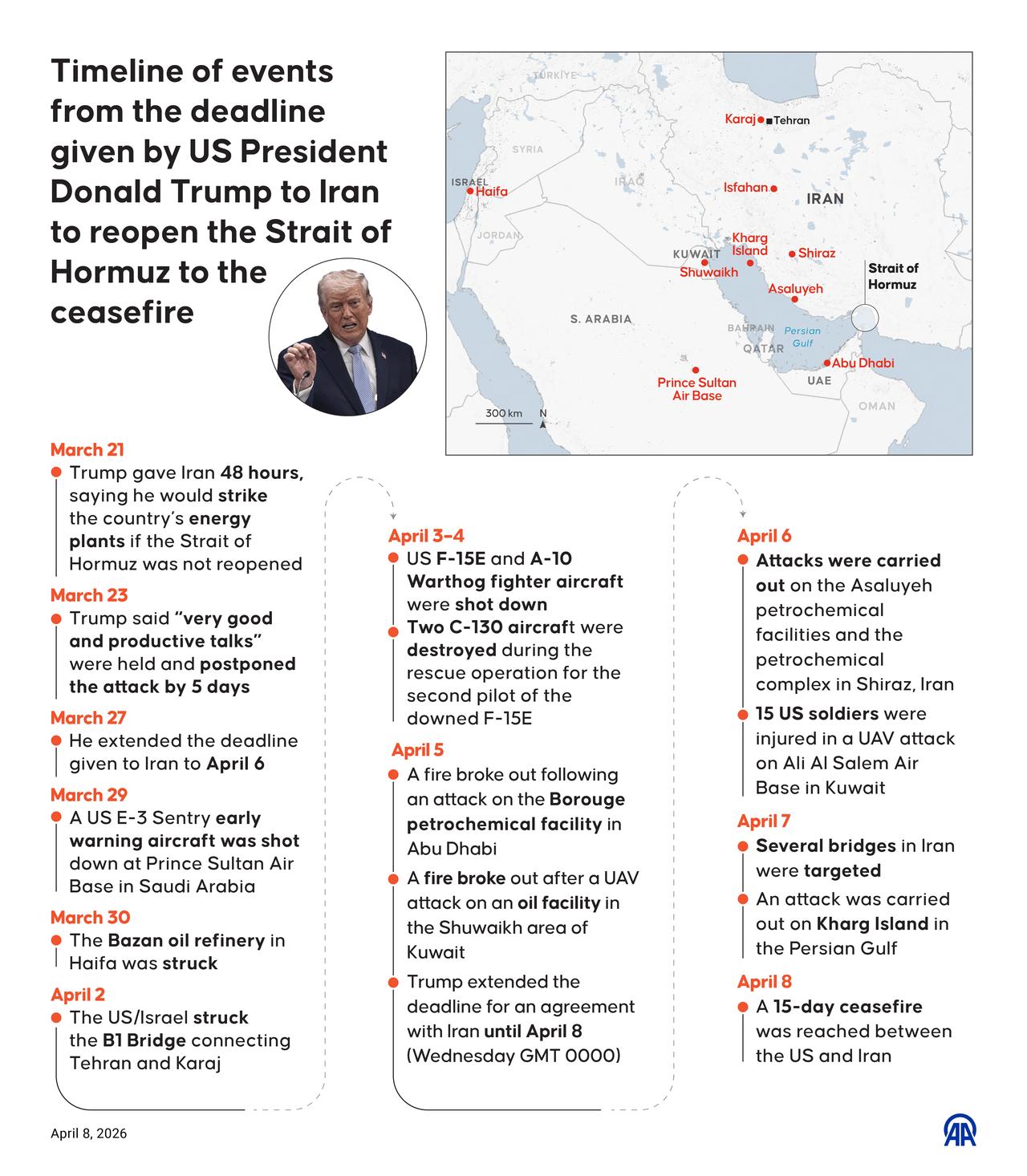

A high-level Iranian delegation is expected to arrive in Pakistan’s capital, Islamabad, for talks with the United States, despite skepticism over reported ceasefire violations by Israel, Iran’s ambassador in Islamabad said Thursday.
Islamabad is set to host talks between delegations from the United States and Iran after a two-week ceasefire was secured late Tuesday.
Iran’s ambassador Reza Amiri Moghadam said on the U.S. social media platform X that the delegation would arrive for “serious talks based on 10 points proposed by Iran.”
“Despite skepticism of Iranian public opinion due to repeated ceasefire violations by Israeli regime to sabotage the diplomatic initiative, invited by Hon. PM (Prime Minister) Shehbaz Sharif, the Iranian delegation arrives tonight in Islamabad for serious talks based on 10 points proposed by Iran,” he said.
The post was later deleted without explanation, although the ambassador did not retract his statement that the delegation was expected to arrive.
At the talks, the United States is expected to be represented by Vice President JD Vance, Special Envoy Steve Witkoff, and Jared Kushner, according to reports.
The format of the talks remains unclear.
Pakistani authorities have heightened security measures in Islamabad ahead of the meetings, closing major roads leading to the diplomatic enclave and key government buildings, including the Prime Minister’s Office, President’s House, and Foreign Ministry.
According to official statements, the talks are scheduled to take place on Friday.
Pakistan’s Interior Minister Mohsin Naqvi met with acting U.S. Ambassador to Islamabad Natalie Baker, where they discussed the situation in the Middle East and welcomed the ceasefire.
 1 min read
Baker praised Pakistan’s diplomatic role, while Naqvi said Vance, Witkoff, and Kushner would be special guests and that comprehensive security measures were in place.
Separately, Pakistani Foreign Minister Ishaq Dar held a phone call with Saudi Foreign Minister Faisal bin Farhan to discuss regional developments.
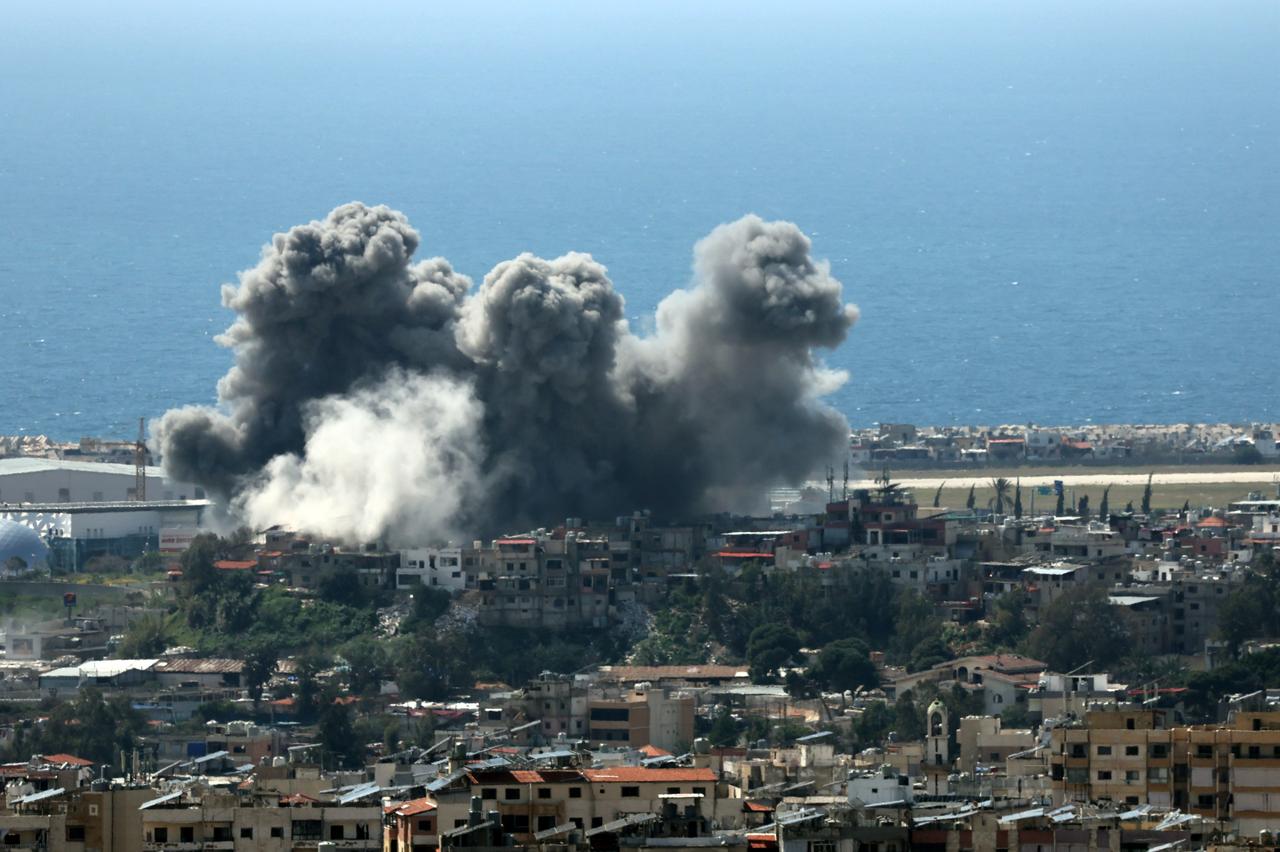
“Both expressed deep concern over ceasefire violations in Lebanon and stressed the urgent need for full respect for and implementation of the ceasefire to ensure lasting peace and stability,” Pakistan’s Foreign Ministry said.
Dar also praised Saudi Arabia’s continued support for Pakistan’s efforts to achieve lasting peace, and the two sides agreed to remain in close contact.


 Set as preferred source
 Set as preferred source


 1 min read