Newsletters


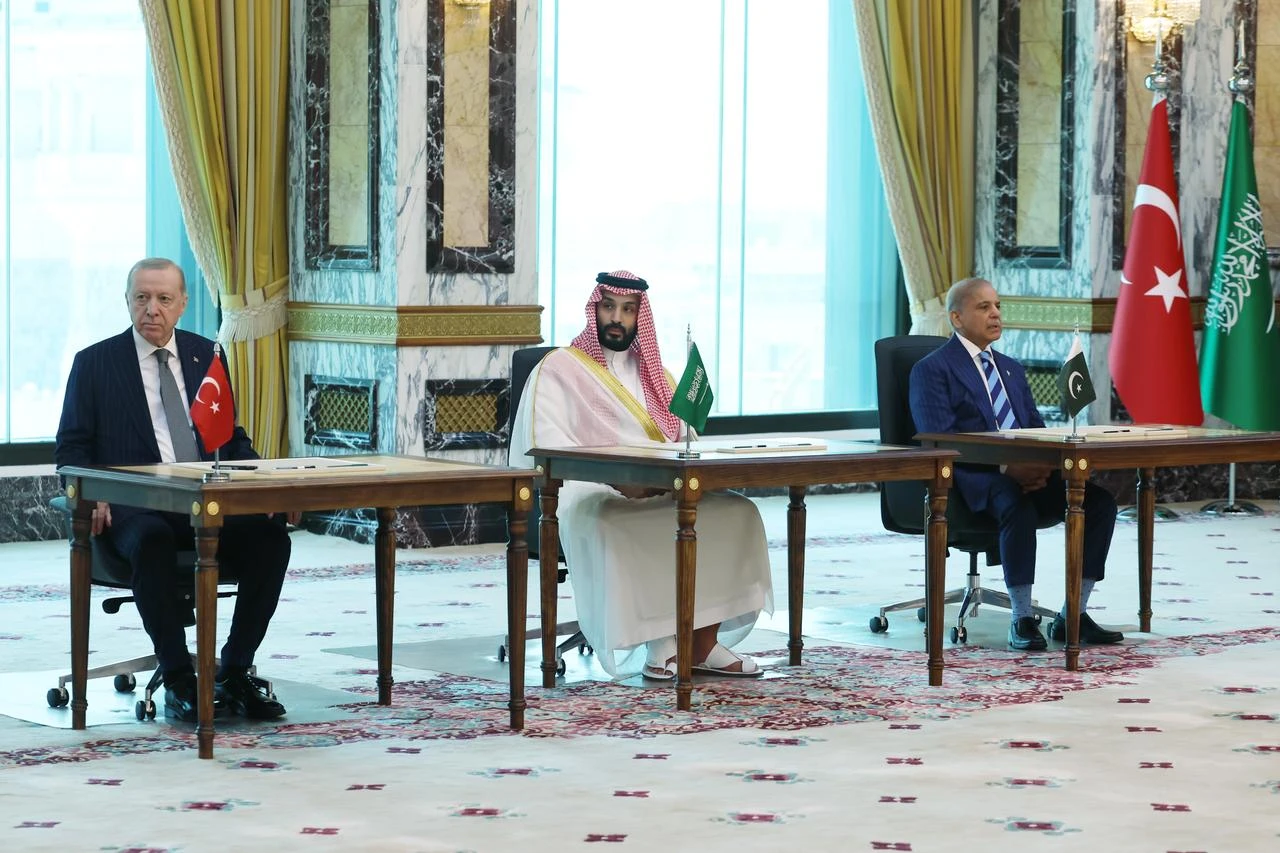


Iran's Foreign Ministry said Monday that the defense pact signed last week between Saudi Arabia, Türkiye and Pakistan reflects "a change in the perception" of countries in the region toward the United States.
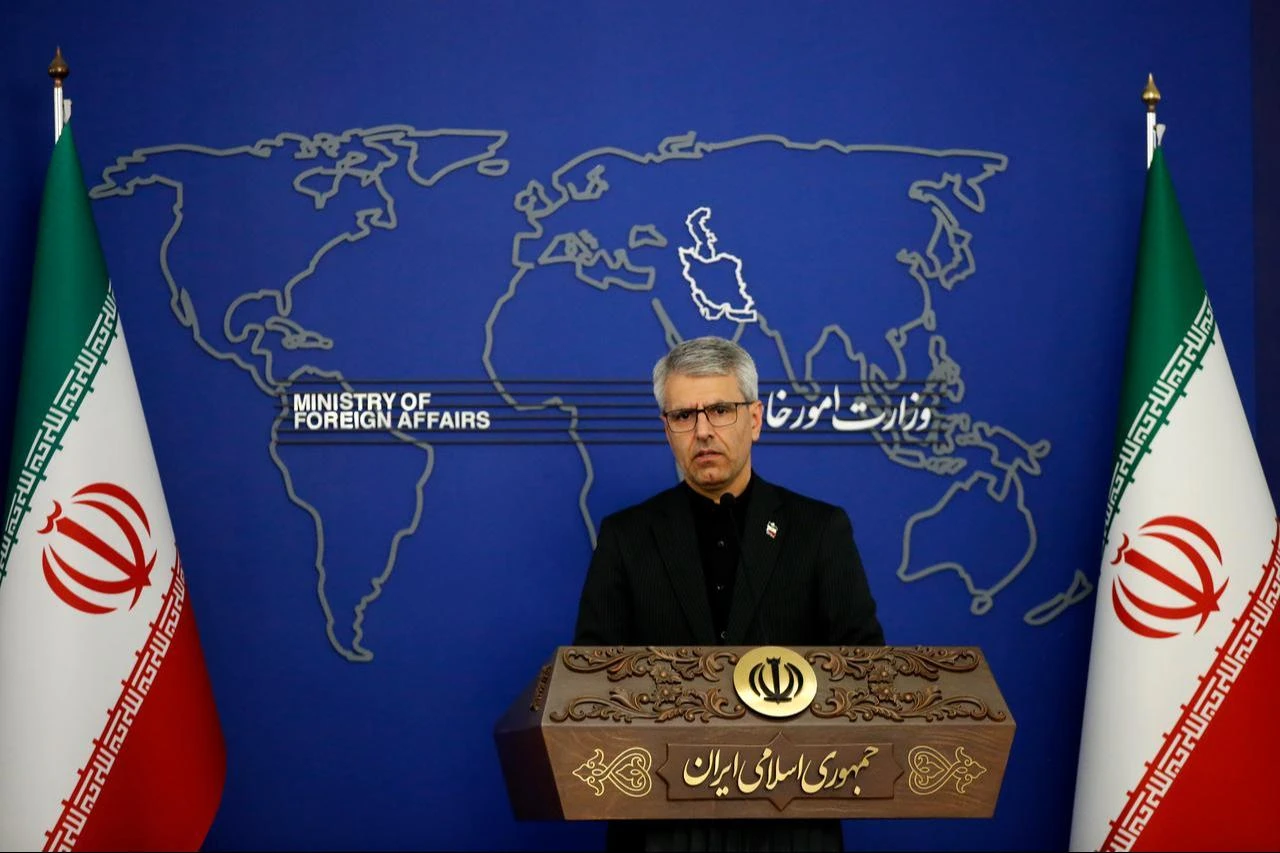
Ministry spokesman Esmail Baghaei addressed a wide-ranging weekly press conference covering the Mecca agreement, the Strait of Hormuz, talks with Oman, ties with Pakistan and Iraq, a dispute with Kuwait, and Iran's possible participation in the U.N. General Assembly.
"The countries of the region have realized that security is not a commodity that can be bought from false brokers," Baghaei said, referring to the United States, an ally of the three signatories to the Mecca Joint Defense Agreement.
Baghaei said Iran sees no reason to be concerned that the pact between Pakistan, Türkiye and Saudi Arabia is directed against Tehran, saying it instead reflects a shift in regional countries' approach to security toward greater reliance on their own capabilities rather than outside powers.
"Any plan that is based on the geopolitical and historical realities of the region, is comprehensive and inclusive, and correctly identifies the enemy and the threat, has a chance of helping to strengthen security and prevent instability and abuses by the Zionist enemy and its allies," he added, referring to Israel.
"This region doesn't need players from outside, and this development in itself must attract attention," Baghaei said.
"The region must not be left under the illusion of achieving security through America; America is part of the lack of security in the region," he added.
He said the U.S. creates the conditions for Israel to wage war with impunity.
"The Americans are supporting the Zionist entity politically and on the security level; without the Americans, the Zionist entity will never be able to do what they did and continue their crimes," he said, adding that no one can hold Israel accountable "or take them to court."
Asked whether the defense agreement amounted to an "Islamic NATO," Baghaei said: "We do not need any outside powers to intervene in our region."
He added: "The tension (in the region) is still there … but in cooperation with the countries of the region, we hope all countries learn the lesson to study the developments of the recent years well and to work hard to strengthen the collective security of our region."

Asked about Iran's own stance on such regional coalitions and whether Tehran might seek to join the Pakistan-Saudi-Türkiye pact, Baghaei said Iran has itself been a pioneer in advocating for security mechanisms built on cooperation among regional countries, free from outside interference.
"Those plans still exist and, given developments, can certainly be updated," he said.
"We are in close contact with neighboring and regional countries, and we hope all countries, learning from the developments of the past two to three years, will choose the best path to strengthen the region's collective security," the Iranian official said.
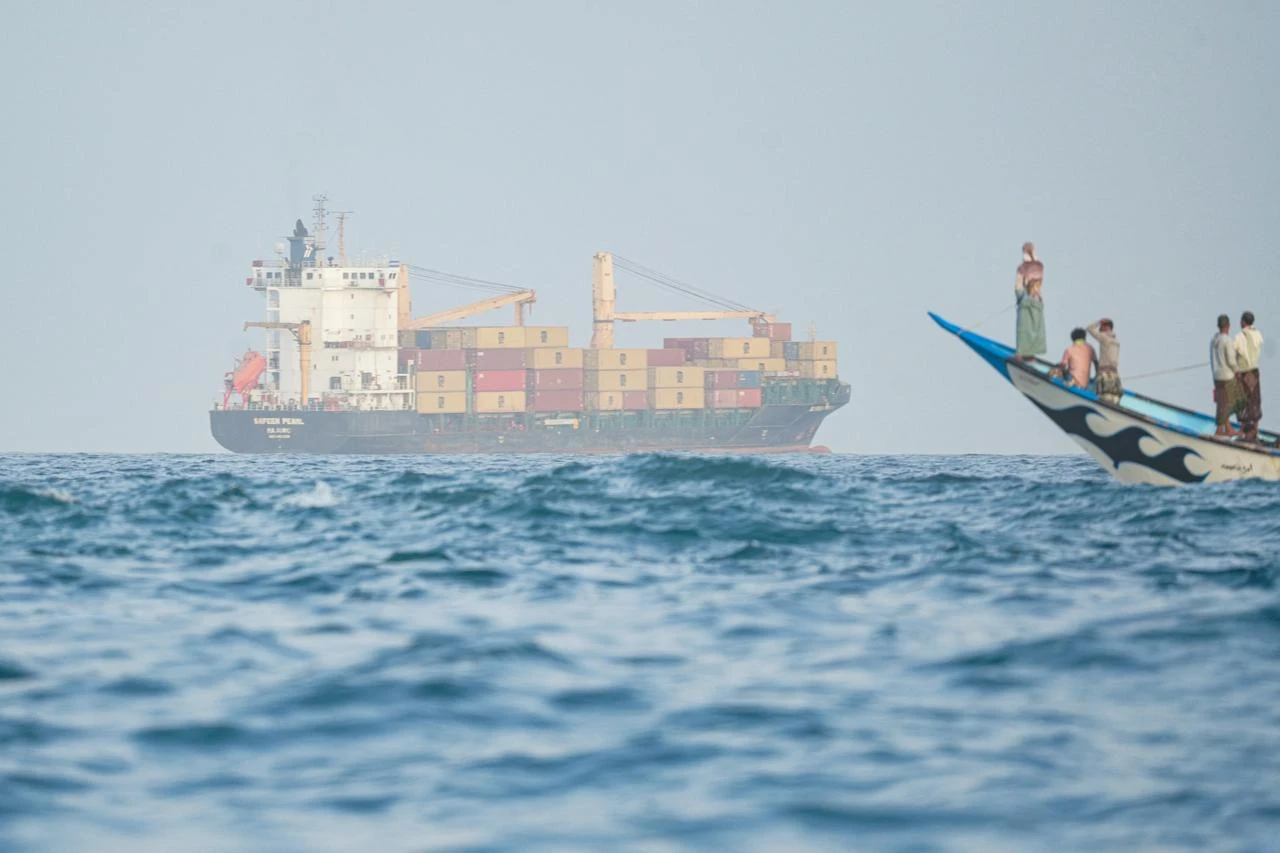
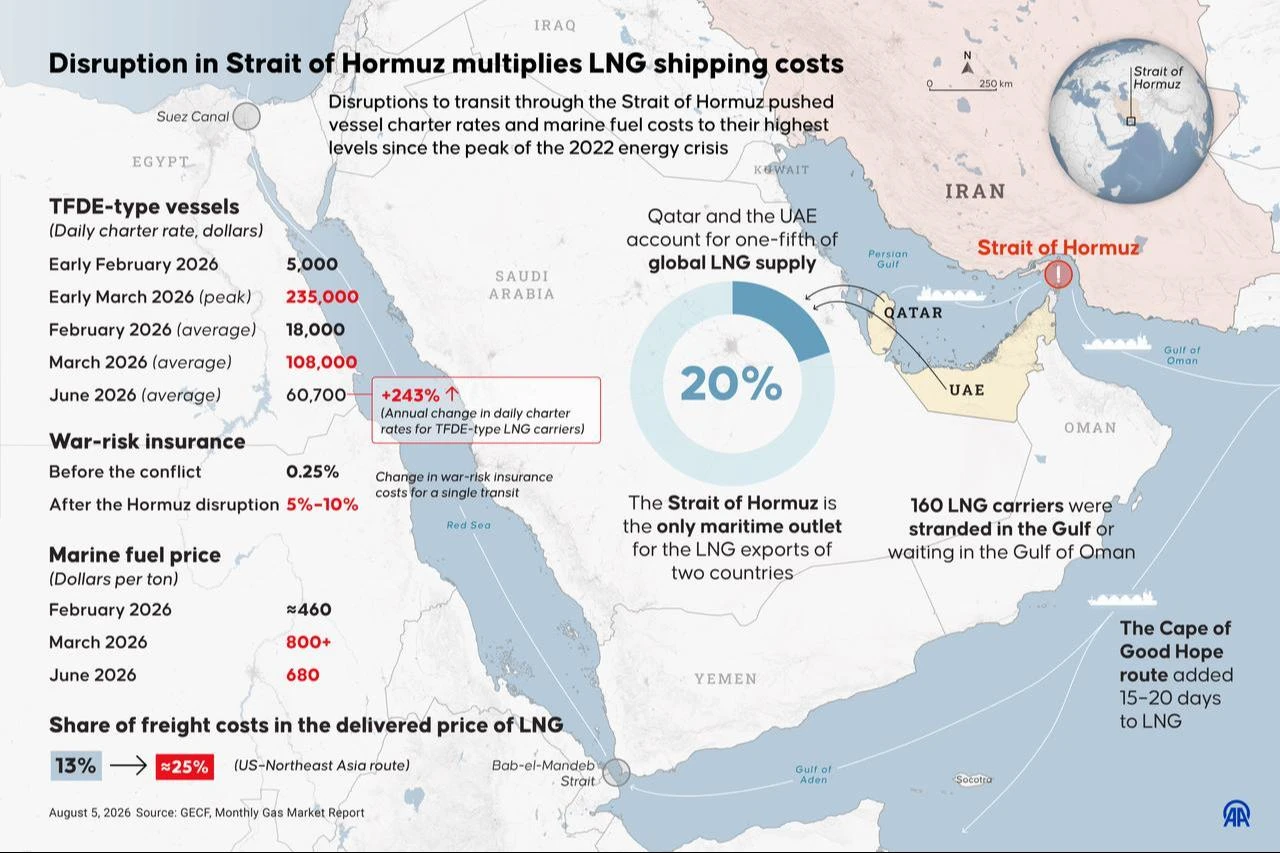
Responding to a question about a New York Times (NYT) report describing a list of Iranian demands tied to reopening the Strait of Hormuz, including compensation, lifting a blockade on Yemen, attacks and the withdrawal of U.S. forces, and updating the Islamabad memorandum, Baghaei said such media narratives were aimed at "whitewashing" the core issue.
"In any analysis of the current situation in the Strait of Hormuz, you must immediately look at the main cause of its occurrence," he said.
"The Strait of Hormuz was open from the time of the creation of Adam until early February 2026," Baghaei said.
"Despite the Islamic Republic of Iran facing unjust and cruel sanctions from Western parties for 47 years, and despite the fact that we were the guardian of ships' passage, with a significant share of the world's energy passing through this waterway, nothing happened to passing ships during that time," he added.
He said the Strait of Hormuz's closure stemmed from what he called U.S. and Israeli military aggression, which he said continues.
Baghaei said claims that Iran has set conditions should be directed at the U.S. government, which he said continues to openly announce it is blockading Iranian ports and confronting Iranian vessels.
"In this situation, America has no moral or legal standing to complain about the Strait of Hormuz not being open," he said, adding, "In short, one cannot seek remedy for a problem of one's own making."
He said the naval blockade constitutes a continuation of what he called an act of aggression against Iran, adding that international shipping would not risk transiting the route so long as the U.S. insists on maintaining it.
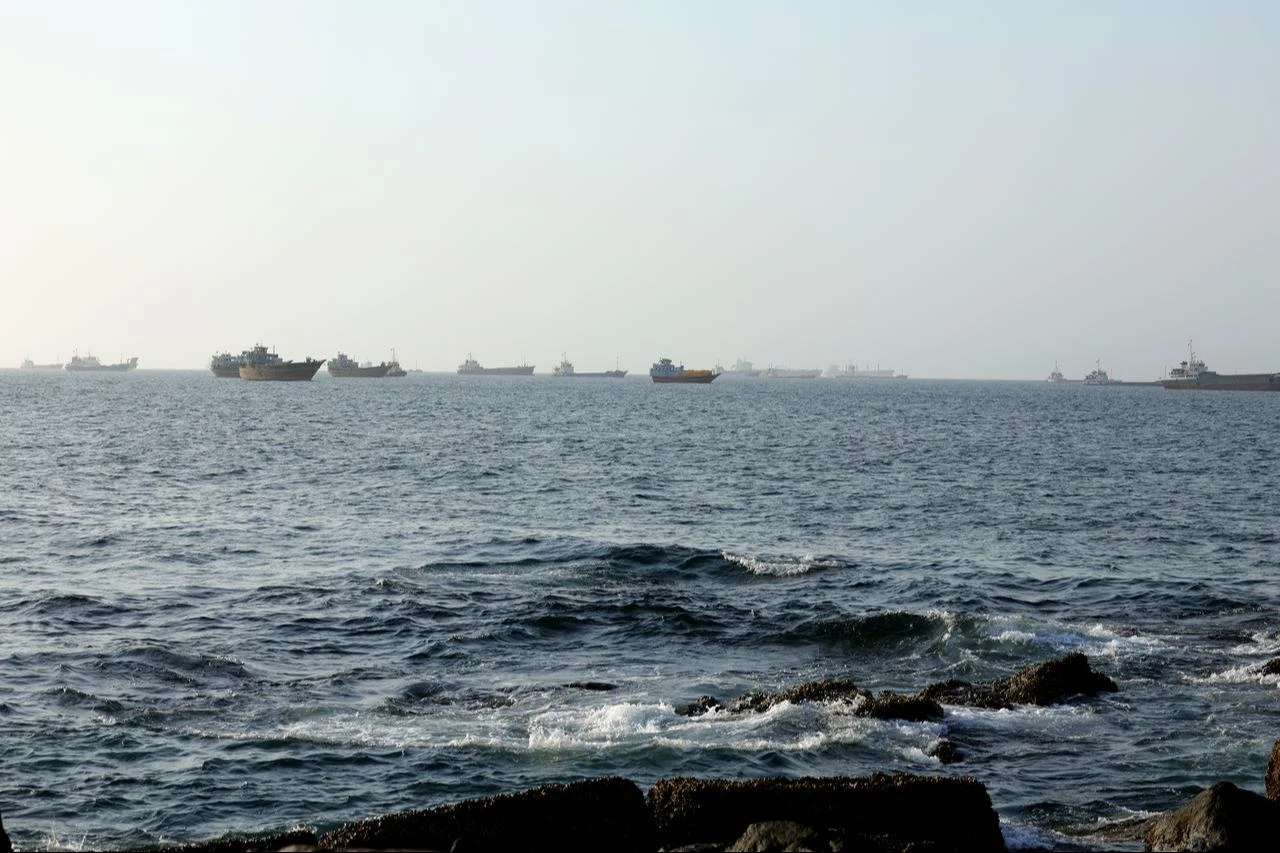
On the talks with Oman specifically, Baghaei said the Strait of Hormuz was not closed due to any disagreement between Iran and Oman, and that talks between the two countries are a purely bilateral matter focused on determining a safe shipping route, unrelated to political disputes.
He said Iran remains in a state of war so long as the U.S. naval blockade continues, which he said constitutes an act of aggression under U.N. General Assembly Resolution 3314, and that the strait cannot be considered a secure waterway until U.S. violations stop.
Baghaei said Iran retains responsibility for managing the strait's future security, including minesweeping and safety measures, under the terms of the memorandum of understanding he said the U.S. violated.
He said the previously used northern and southern shipping routes would give way to an agreed middle route between Iran and Oman, which he said would serve as a temporary arrangement until a new Traffic Separation Scheme (TSS) is agreed.
He reiterated that the southern route was never permitted or safe, and said the resumption of fighting on July 17 stemmed from the U.S. violating the agreement by insisting on routing commercial and some military vessels with transponders switched off through that route.
Asked whether transit fees for the Strait of Hormuz had come up in talks with Oman and how they might be divided, Baghaei said such details are not currently being discussed.
He said an understanding has been reached on the shipping route map, with some technical points regarding a joint statement still being worked out, describing the negotiations as proceeding smoothly and constructively.
He said mechanisms would be established covering safe shipping oversight, environmental issues, maritime services cooperation and crime prevention, adding that Iran would expect compensation for providing maritime services.
Baghaei said all negotiations conducted by the Foreign Ministry are supervised by Iran's Supreme National Security Council, with full reporting on all processes.
Asked whether Iran is currently negotiating with the United States, he said: "We have no negotiations with the United States," while noting that exchanging messages through intermediaries on current issues is a normal occurrence. He said Iran's current focus is on talks with Oman to determine the shipping route.
Baghaei also addressed a question about the literary language he has used in responding to the U.S. president, saying Iran draws on "all our resources, our rich literary, cultural and civilizational treasury" in confronting adversaries, and that this reflects a consistent approach.
"George Bernard Shaw says that when you wrestle with pigs, you shouldn't expect not to get muddy," he said, adding, "In any case, this getting muddy is sometimes part of a wrestling match imposed on you."
Responding to a question about alleged discord between parliament and the Foreign Ministry, or parliamentary opposition to the Iran-Oman talks on the Strait of Hormuz, Baghaei said no such discord exists and that Iran's governing institutions, including the Foreign Ministry, are fully coordinated with parliament.
He said a bill under review in parliamentary committees concerning management of traffic through the Strait of Hormuz is being examined with the Foreign Ministry's participation.
He said Araghchi held what he called a very useful and valuable meeting with the National Security and Foreign Policy Commission earlier that morning, discussing a range of topics including those raised at the press conference, and that close contact and consultation between the Foreign Ministry and parliament would help advance Iran's national interests in a coordinated manner.
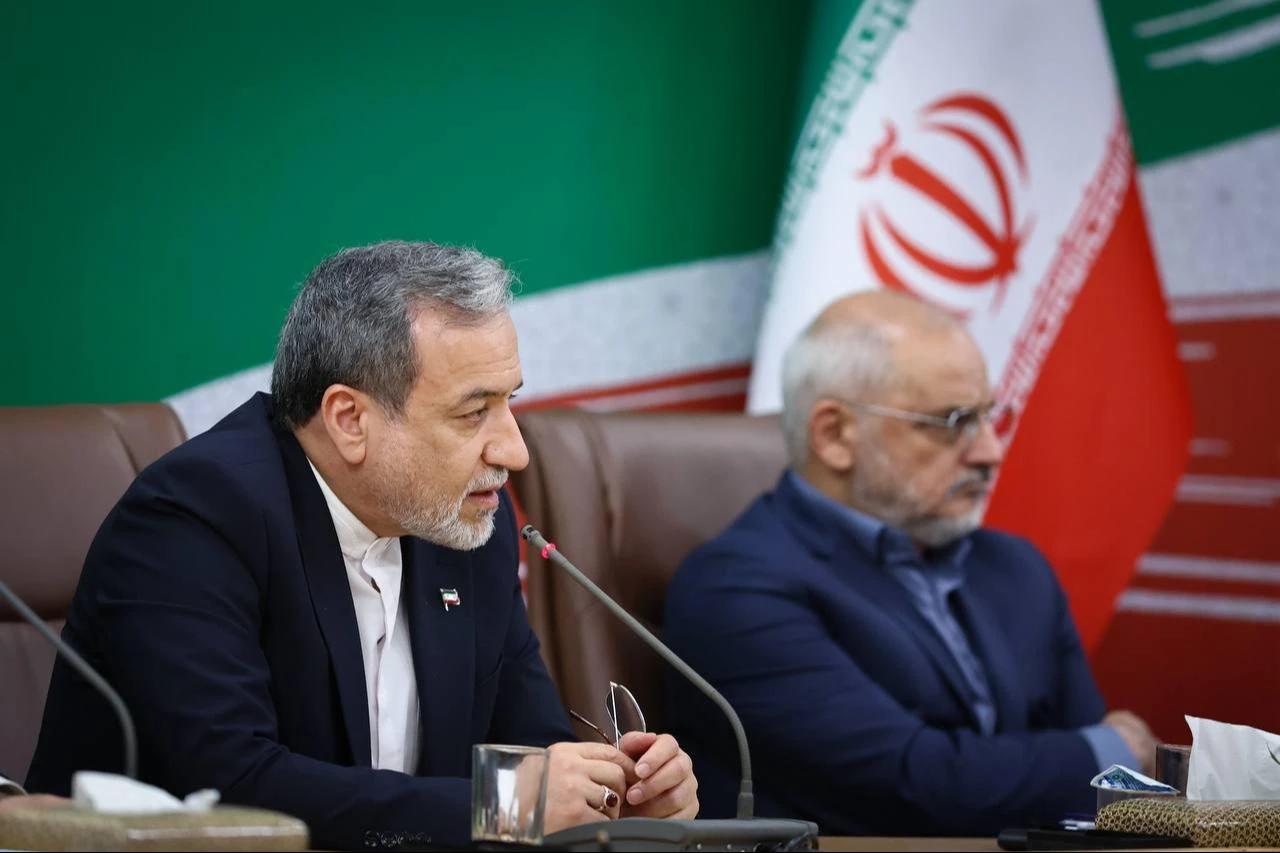
Asked whether Iran's president plans to travel to New York for the U.N. General Assembly, Baghaei said: "Let's get closer to the days of the General Assembly session to talk more about this. No final decision has been made yet."
He noted that Iran's delegation has typically been led by the president at the annual session in the past, calling it the most important annual U.N. event and a venue Iran has consistently used to explain its positions.
"This year too, we intend to make use of this opportunity," he said, adding that the matter depends on circumstances and that further information would be provided in the coming weeks.


 Set as preferred source
 Set as preferred source


 2 min read