Newsletters


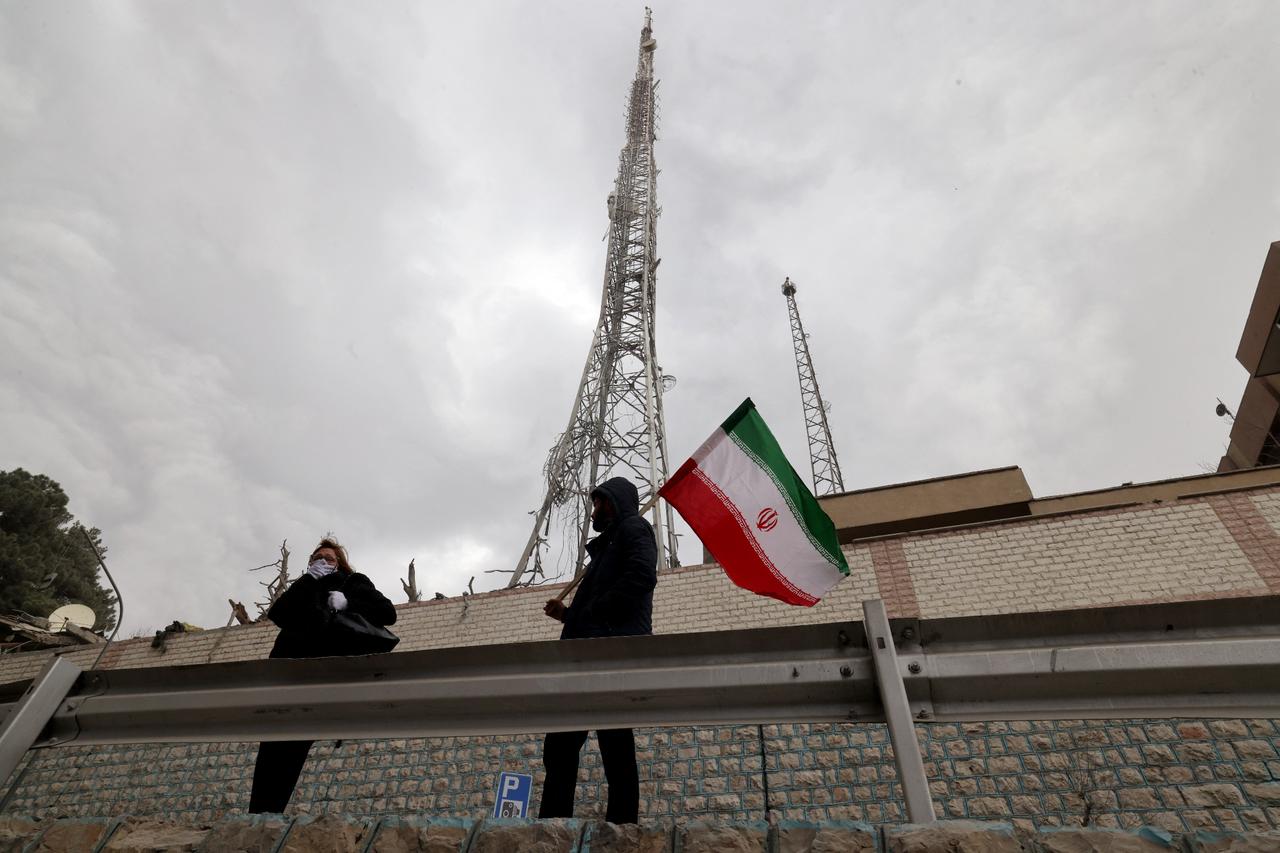


Iran's ruling structure has remained intact six days into the U.S.-Israeli air campaign despite the killing of Supreme Leader Ali Khamenei and the decimation of its top political and military ranks, with no significant defections or popular uprisings detected, European and Arab officials told the Washington Post.
 Breaking News, Direct to You.
 Follow Türkiye Today on WhatsApp
for real-time updates and key insights from Türkiye and beyond.
Follow Türkiye Today on WhatsApp
for real-time updates and key insights from Türkiye and beyond.
"There's not a single sign of anything in the system breaking or defecting. Nothing. Zero," a senior European official said, speaking on condition of anonymity.
"The control is complete," the official noted.
"Iran's military and political command proved durable because of a 'layered system' the regime built to withstand a crisis, decentralizing leadership by appointing multiple individuals to immediately replace any key figure killed," the report said.
Iranian retaliatory strikes against Israel, Qatar and Bahrain began within hours of the initial attacks, demonstrating the system's resilience.
After Defense Minister Aziz Nasirzadeh was killed in Feb. 28 strikes, Majid Ebnelreza was appointed as caretaker minister by President Masoud Pezeshkian.
"U.S. intelligence also found no early indicators of internal collapse," according to a person familiar with the situation.
The European official said he was aware of reports that regime security forces failed to show up for duty but believed this could be due to orders to no longer congregate in compounds and barracks for fear of being targeted, rather than indicating defections.
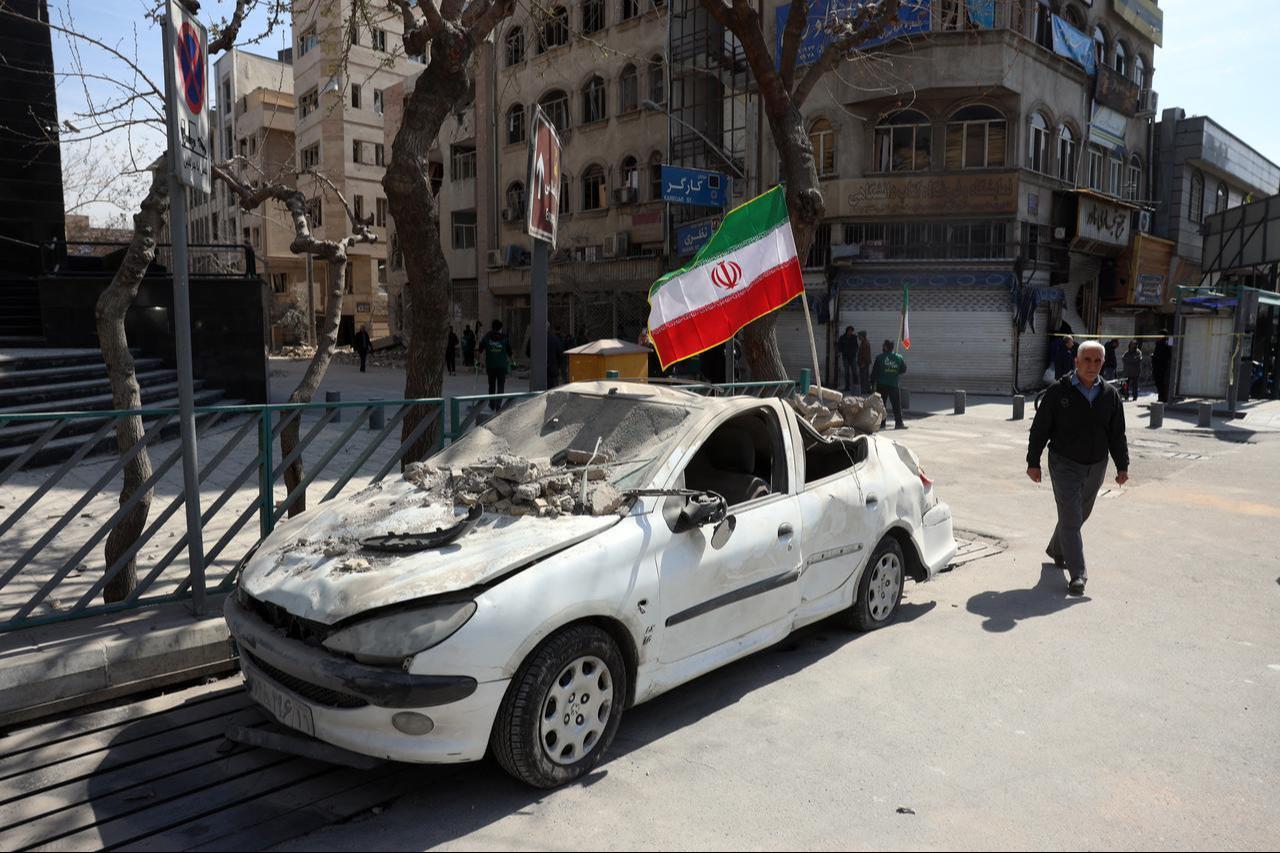

A senior Arab official told Post that Gulf nations had expected the killing of Khamenei to be an early turning point, triggering mass mobilization against the regime.
"We were looking for the demonstrations in the streets, but we were surprised by their unity," he said.
In Tehran, the escalating conflict appeared to complicate the succession process. Khamenei's funeral was postponed after the group charged with choosing his successor was targeted by Israeli strikes.
Following that attack, Iranian state media announced that voting for the next supreme leader would be conducted remotely.
Earlier in the week, the tempo of Iranian retaliation dropped, suggesting that Iran was running low on munitions or unable to access buried stockpiles. However, there were heavy bursts of retaliatory attacks against Bahrain, Qatar, and the United Arab Emirates.
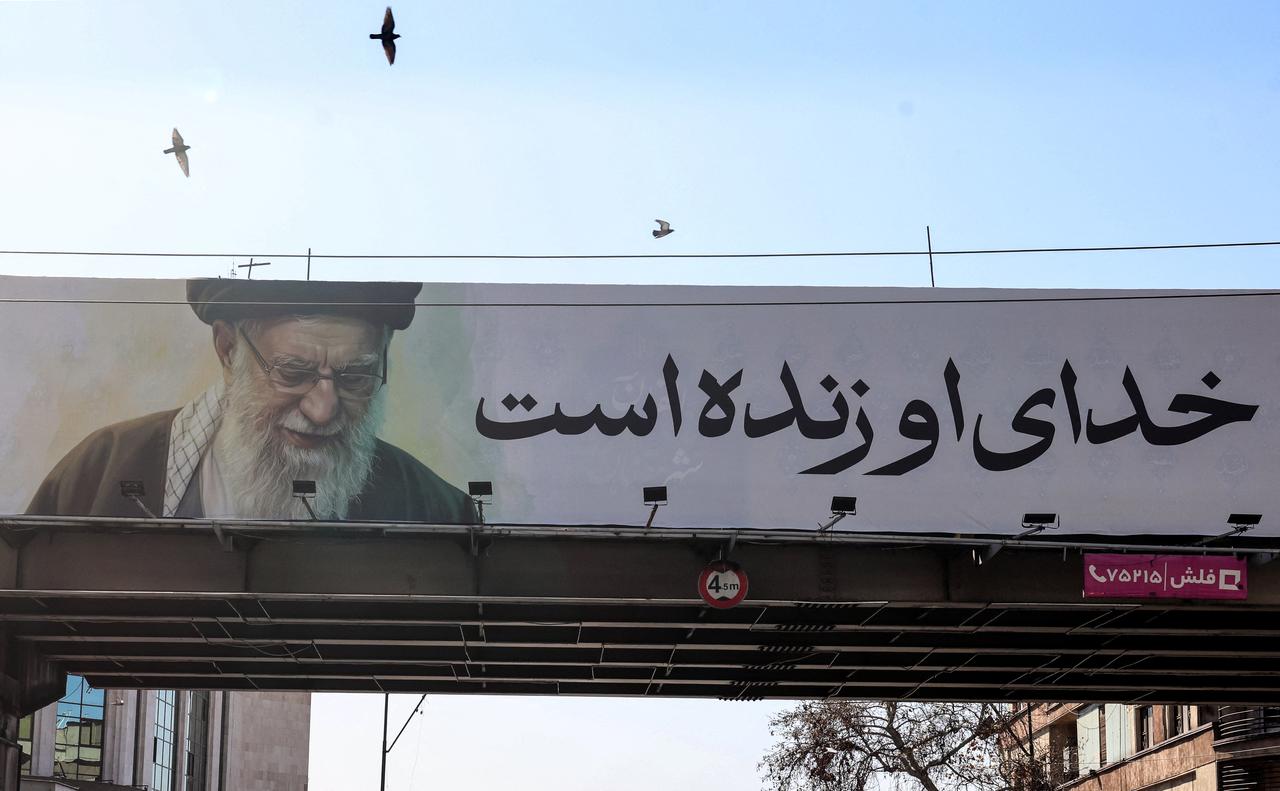
Iranian officials signaled they were prepared for a long fight against militarily superior adversaries.
"Tehran believes it can prevail only by outlasting the United States and Israel," according to a second European official briefed on assessments of Iranian regime strength.
"They understand that they will not be able to defeat the most powerful army in the world, but with asymmetric warfare they can try to inject as much damage as possible, to make the U.S. seek de-escalation," he said.
"This is why Iran has prioritized retaliation against Gulf nations and countries that could pressure the United States to seek an off-ramp," the official said.
Iran has wagered that its system and people are more capable of enduring prolonged hardship than those of the Gulf states and the United States.
"This regime is built to last, and they aren't going to go quietly," the official said, cautioning that the longer the conflict lasts, the more deadly it is likely to become on all sides.
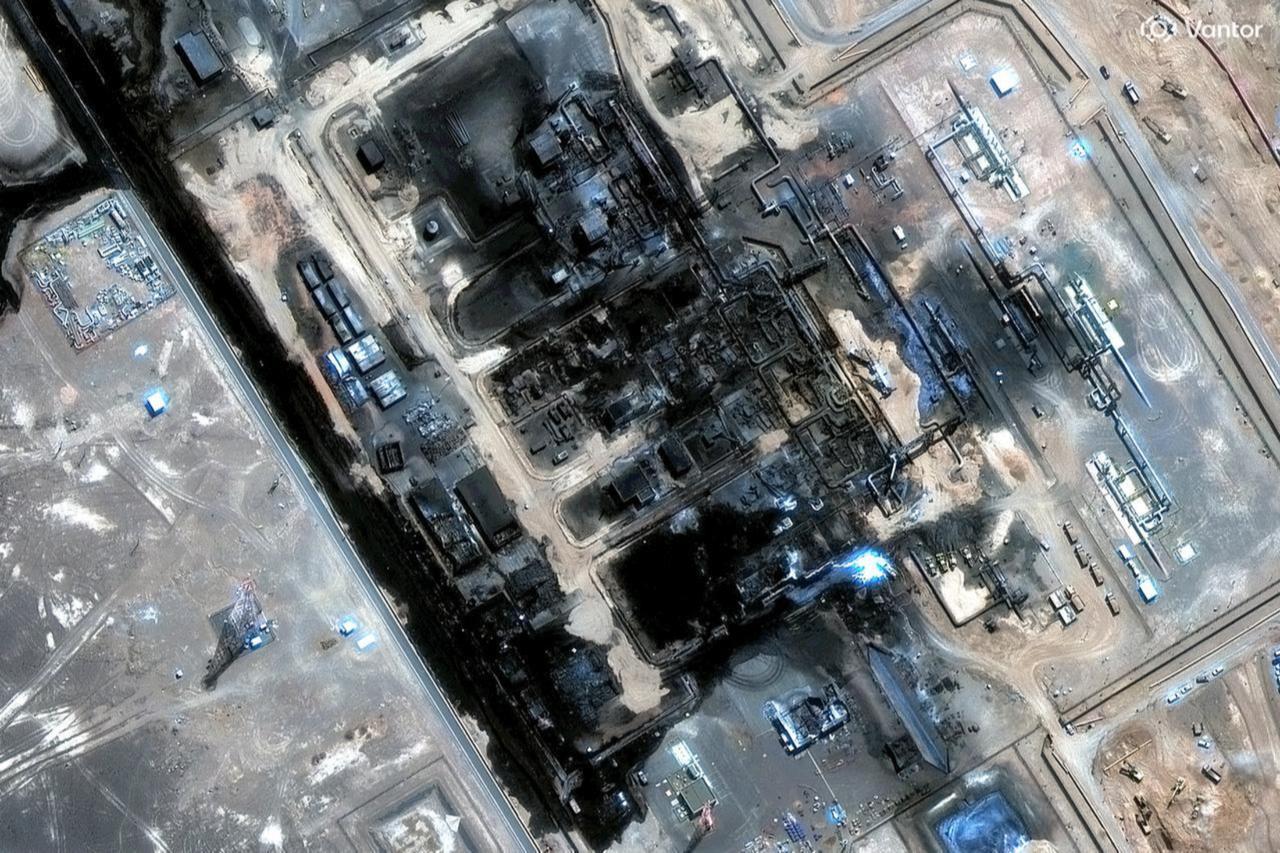
The U.S. and Israeli air campaign has struck more than 2,000 targets, destroyed over 30 Iranian naval vessels and killed more than 1,000 people, including Khamenei and over 165 elementary schoolgirls.


 Set as preferred source
 Set as preferred source


 4 min read