Newsletters


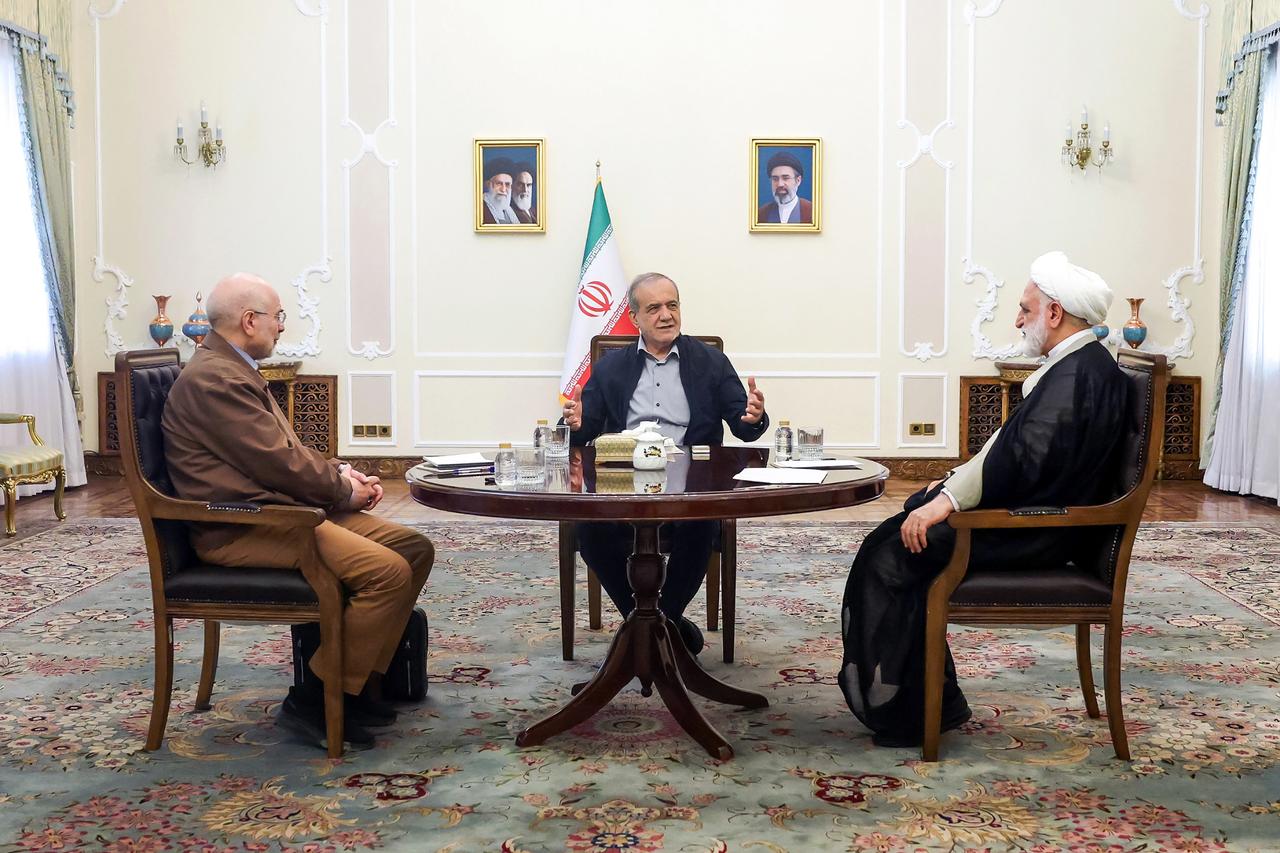


Iran is still reviewing a U.S. response to its proposal for reopening the Strait of Hormuz and will reply through mediators once the review is complete, Foreign Ministry spokesman Esmaeil Baghaei said Monday.
"The exchange of messages between Iran and the U.S. through mediators continues," Baghaei told his weekly news conference.
"Regarding the points they raised, we are reviewing, and as soon as our review is finished, we will relay it to the mediators," he added.
The remarks came a day after Iran’s security chief, Mohsen Rezaei, called the U.S. response "insufficient" and said Iran was "no longer in the process of responding," highlighting mixed signals from Tehran as talks to end the war stall.
The Iranian official said the seven conditions in Iran's so-called seven-day plan, presented on the sidelines of the U.N. General Assembly (UNGA), include lifting the U.S. naval blockade, stopping the war on all fronts and releasing Iran’s assets.
"Whatever we had agreed on in the memorandum of understanding are items that will be raised as Iran’s rights in any negotiation. Conditions have not changed for us to show flexibility on our rights," he said.
"In addition, the U.S. has imposed new sanctions during this period, which must all be lifted too," Baghaei added.
He said Washington’s main concern remains Iran’s nuclear program, noting what he called a contradiction because U.S. officials have said several times that they destroyed it.
A central disagreement is Washington’s insistence on addressing the nuclear issue first, while Tehran wants talks to focus initially on reopening the strait.
"Iran's preconditions must be observed for any negotiations," Baghaei noted.
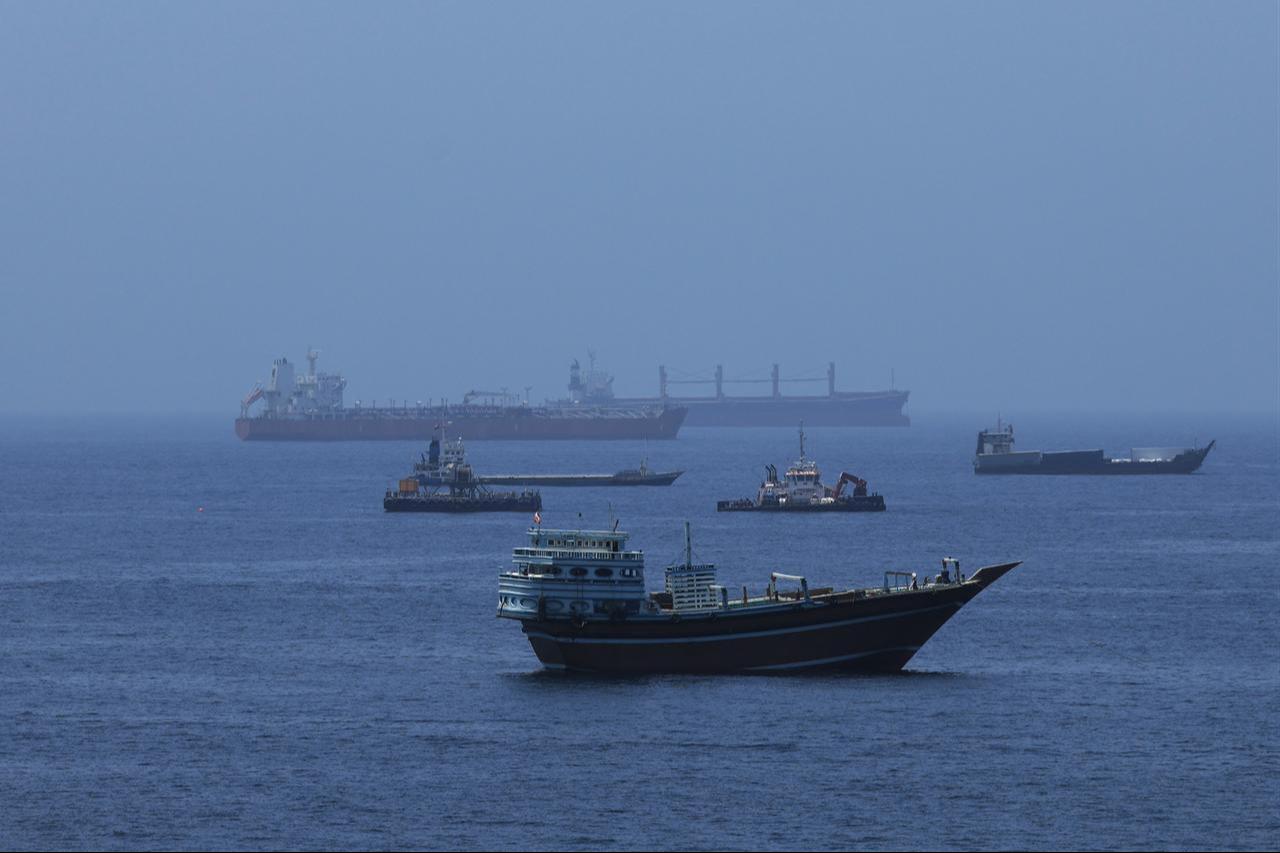

Baghaei rejected U.S. claims that Iran had lost its leverage in the strait.
"The Americans' claims do not match at all what we observe on the ground. They can continue to say that the Strait of Hormuz no longer has an effect and Iran has lost its leverage; we will do our own work," he said.
"What we have seen in the Strait of Hormuz since Feb. 28 was the direct result of the U.S. and the Israeli regime’s attack on Iran," he said, adding that the measures were "not for creating leverage."
"As long as the U.S. insists on making this waterway and the region insecure through a naval blockade and economic war, security will not return to this waterway," Baghaei said.
"We are not at all happy with this situation, because the security of the Strait of Hormuz is most essential for ourselves," he added.
On the conflict between Saudi Arabia and Yemen's Houthis, Baghaei said: "We are deeply concerned about the developments taking place in the Arabian Peninsula," adding Tehran was ready to help facilitate dialogue between the parties.
"We absolutely do not want hostilities and war to continue between two Islamic countries," he said.
"The issue of Yemen should have been resolved a long time ago with the (UN) roadmap and we had said we would support any agreement reached by Yemenis and Saudis. Our request is that this situation be resolved through dialogue," he added.
He said continued escalation would only benefit Israel in the region.
Baghaei said Russia played "a very positive and effective role" in the 2015 nuclear deal and remains interested in resolving the issue. President Masoud Pezeshkian outlined Iran’s positions and its seven-day plan to Russian President Vladimir Putin in Turkmenistan before Putin’s call with U.S. President Donald Trump, he said.
"Technically and in the precise sense of the word, Pakistan and Qatar still play the mediator role between Iran and the U.S.," Baghaei said, as Iran weighs its next move on the Hormuz talks.


 Set as preferred source
 Set as preferred source


 1 min read
 1 min read