Newsletters




Iran is increasingly shifting trade toward neighboring countries as a U.S. naval blockade on Iranian ports disrupts traditional maritime supply routes, prompting President Masoud Pezeshkian to order measures to keep food, medicine, and other critical imports flowing.
According to Iran's semi-official Mehr News Agency, Pezeshkian called for greater use of Iran's northern ports, the development of alternative trade corridors and increased reliance on neighboring countries, including Pakistan, Russia and Azerbaijan, to help secure essential imports.
He further instructed the Foreign Ministry to intensify economic diplomacy with neighboring states and indicated he was prepared to engage directly with regional leaders if necessary to safeguard trade flows.
Pezeshkian also instructed the Agriculture Ministry to take steps to limit the impact of import restrictions on the supply and prices of essential goods and medicines while preventing market volatility and price increases, the report noted.
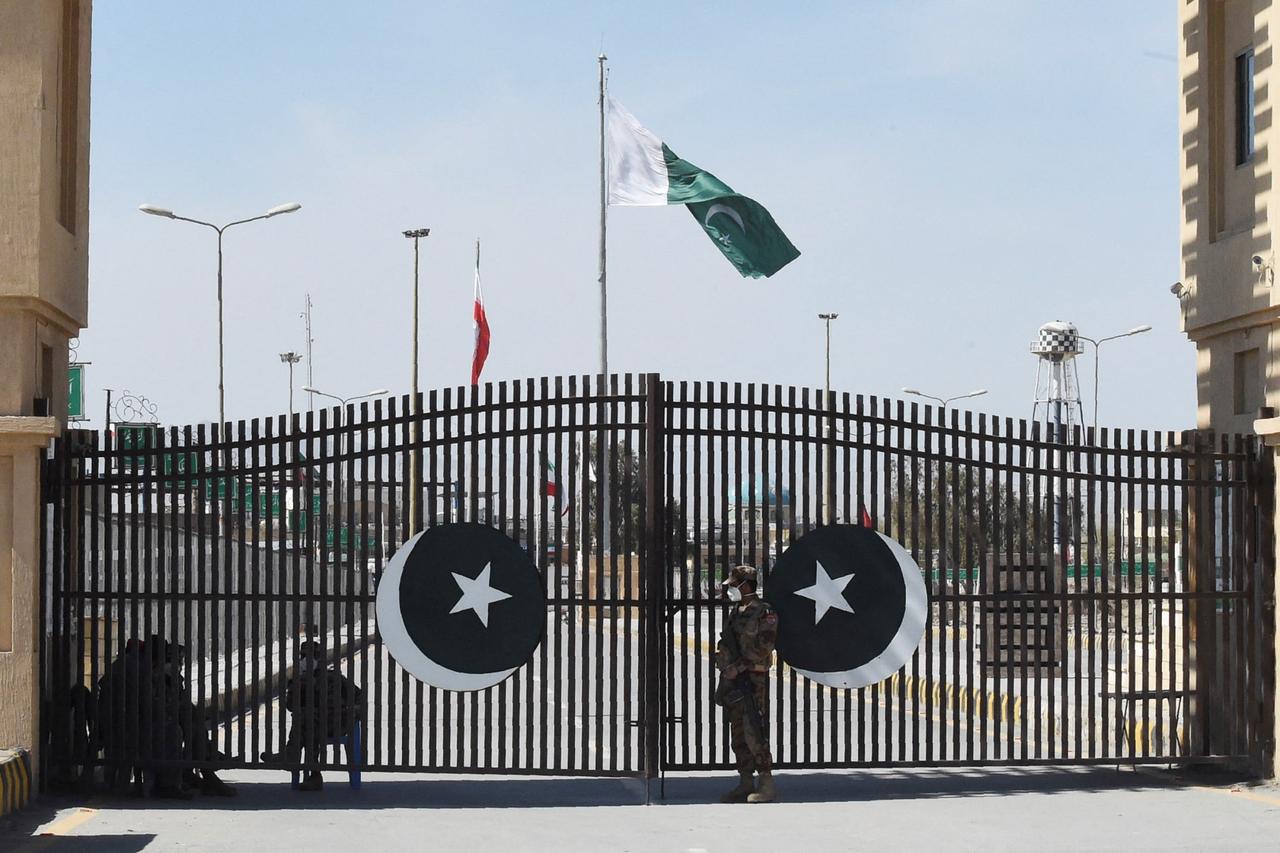
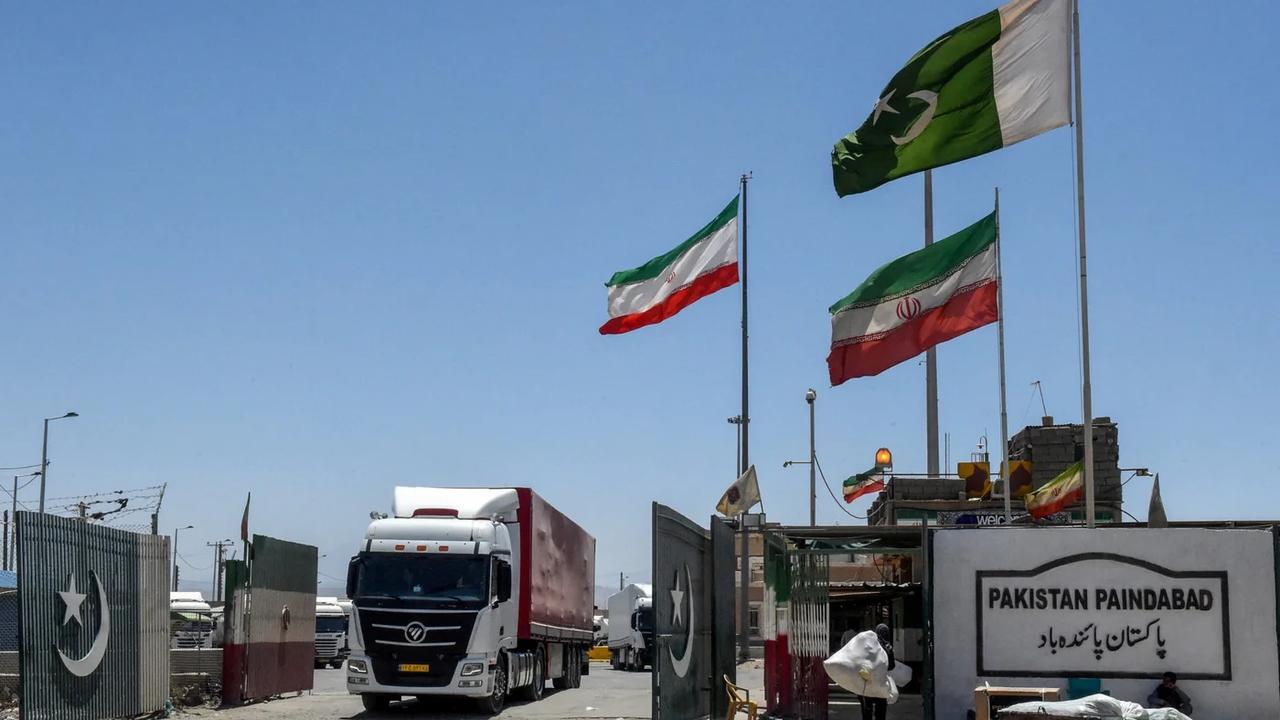
Large sections of Iran's land-border crossings and alternative transport routes have already been activated through coordination with neighboring countries, while Pakistan recently expanded land access for Iran-bound cargo.
In April, Islamabad opened six overland transit routes allowing third-country goods to be transported through Pakistani territory and delivered to Iran by road, creating an alternative corridor as maritime trade faces disruption.

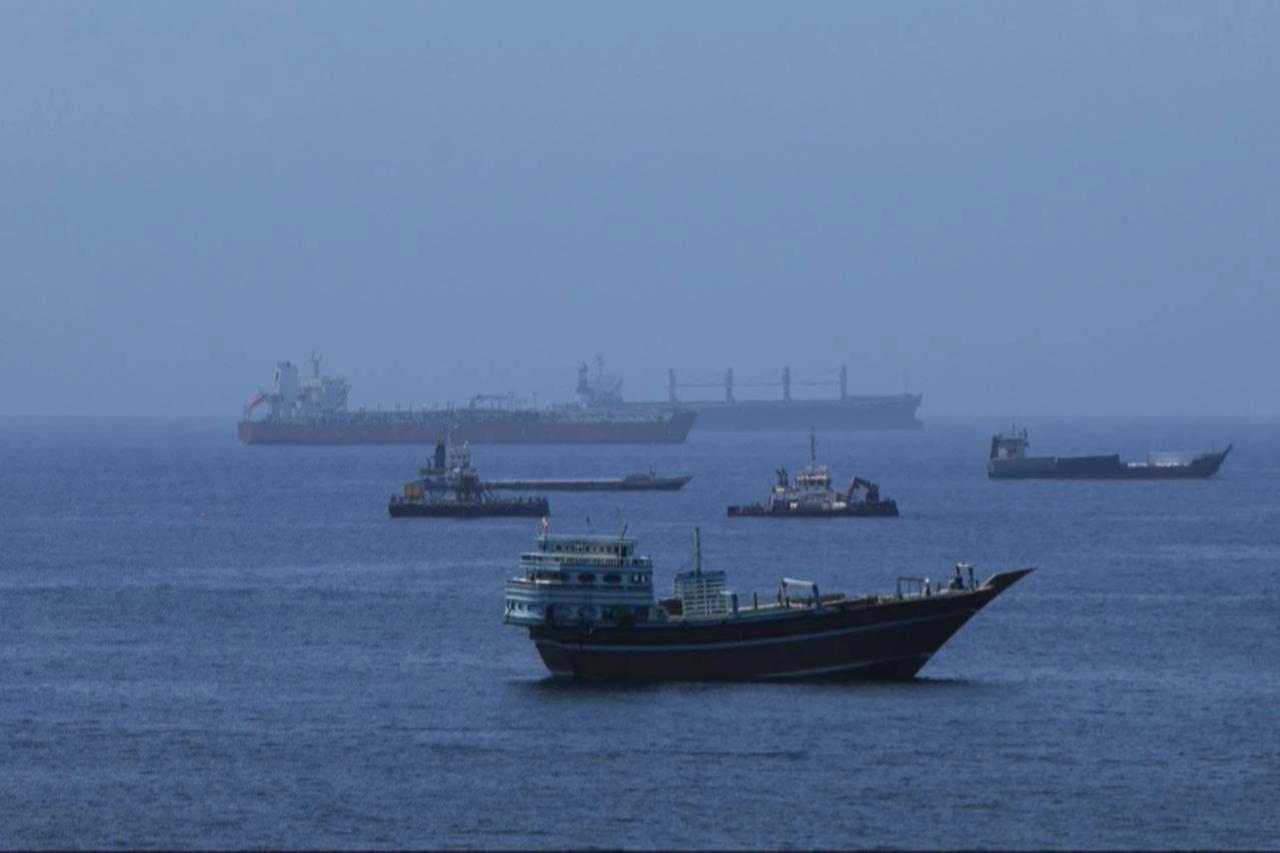
Shipping traffic through the Strait of Hormuz remains well below pre-war levels despite partial easing measures. Before the conflict erupted on Feb. 28, the strategic waterway handled roughly one-fifth of global oil and liquefied natural gas supplies.
Governments and businesses across the Gulf region continue to reroute imports through alternative corridors as trade disruptions persist.
The latest measures come after talks in Islamabad failed to yield a breakthrough following a ceasefire between the two sides.
The U.S. has since maintained a naval blockade targeting Iranian ports in an effort to curb Tehran's trade activity, particularly oil exports. U.S. President Donald Trump previously claimed the ongoing blockade is costing Iran approximately $500 million per day.
The strained trade is placing additional pressure on consumer prices, with official figures showing annual inflation at 53.7% and food inflation above 115%.
U.S. Central Command said the military has redirected 111 commercial vessels as part of the blockade as of May 28, with 17 ships blocked over the past week.


 Set as preferred source
 Set as preferred source


 1 min read
 1 min read