Newsletters


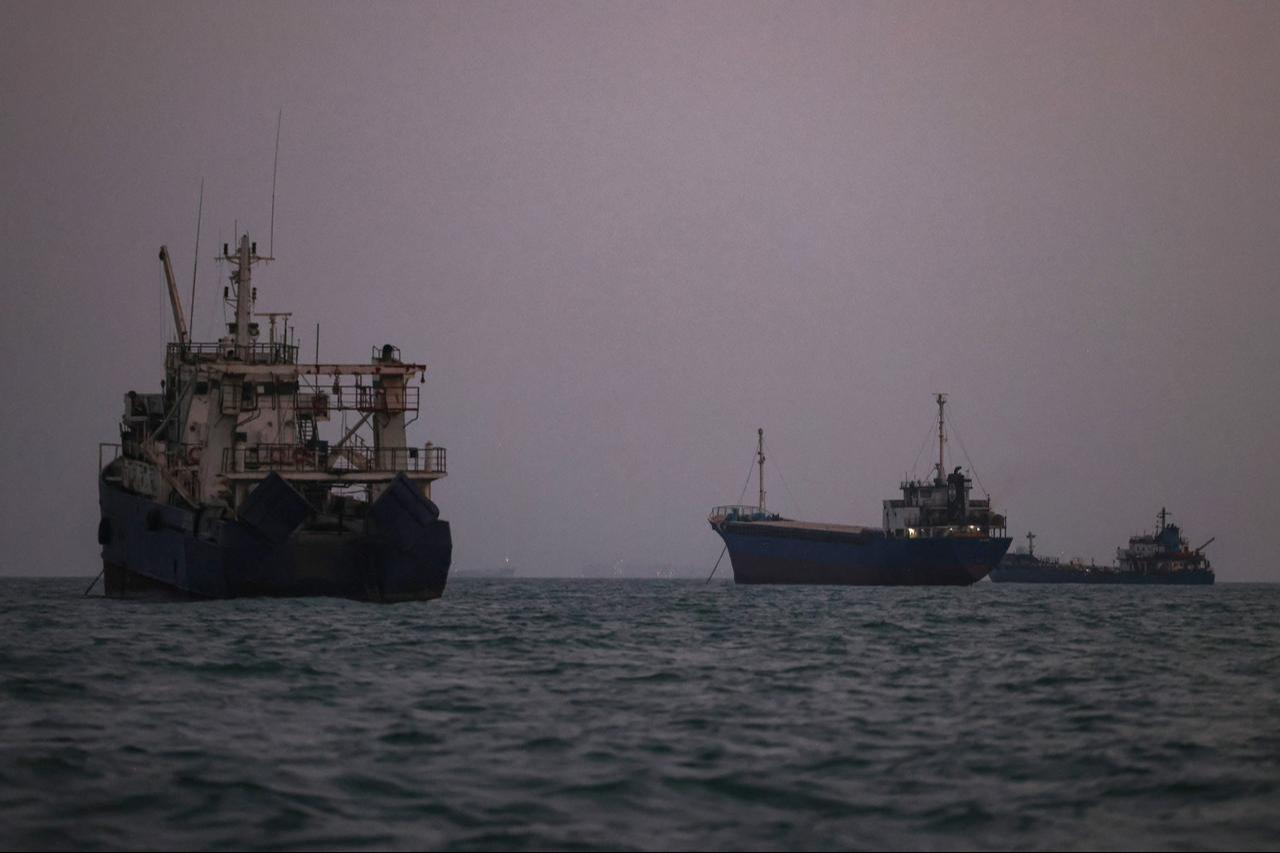
Iran will announce a new restricted zone in the Gulf in the coming days, along with maps of a new shipping corridor through the Strait of Hormuz, Mohsen Rezaei, secretary of Iran's Supreme National Security Council, said Sunday, as a weekend exchange of strikes on shipping pushed oil prices higher Monday.
"The Strait of Hormuz is completely closed. We have not yet decided to sink the oil tankers that pass through the southern part of the strait," Rezaei said in an interview with Iranian media.
Rezaei said only around 8 ships carrying food and essential goods currently cross the strait each day, all of them Iran-bound, compared with more than 100 ships and billions of dollars in goods passing through before the war.
"Violating ships that cross the southern part of the Strait of Hormuz do so at night with their radar systems turned off, and most of them sustain damage. However, we have not yet decided to strike them, because they are carrying petroleum products, and if pollution occurs, it would also harm us. At the same time, we have not yet decided to sink them," Rezaei said.
Rezaei said Iran would announce, in the coming days and weeks, a prohibited zone outside the Strait of Hormuz that would begin at the line of the U.S. Navy's blockade and extend through the strait into the Persian Gulf.
"Any ship that enters this area intending to pass through the strait will be placed on our sanctions list," Rezaei said.
He said ships moving on the western or eastern side of the strait that had not yet entered it, but planned to stop somewhere before passing through, would be told to stop at that location; if they violated this instruction, the vessel would be added to the sanctions list, and if it passed through and later tried to return, its entry would be at Iran's discretion.
"In the designated zone, which is supplementary to the Strait of Hormuz itself, we will not attack ships or fire missiles at them, but if they violate the rules, we will sanction and reprimand them. So we are making changes in the Strait of Hormuz and creating a sanctioned prohibited zone outside the strait's boundaries. Many people working in maritime transport say the effect of this measure is greater than that of Iran's missiles. This is a new form of leverage," Rezaei said.
He said the prohibited zone would remain in place as long as the U.S. naval blockade, pressure, or violations of commitments by Washington continue.

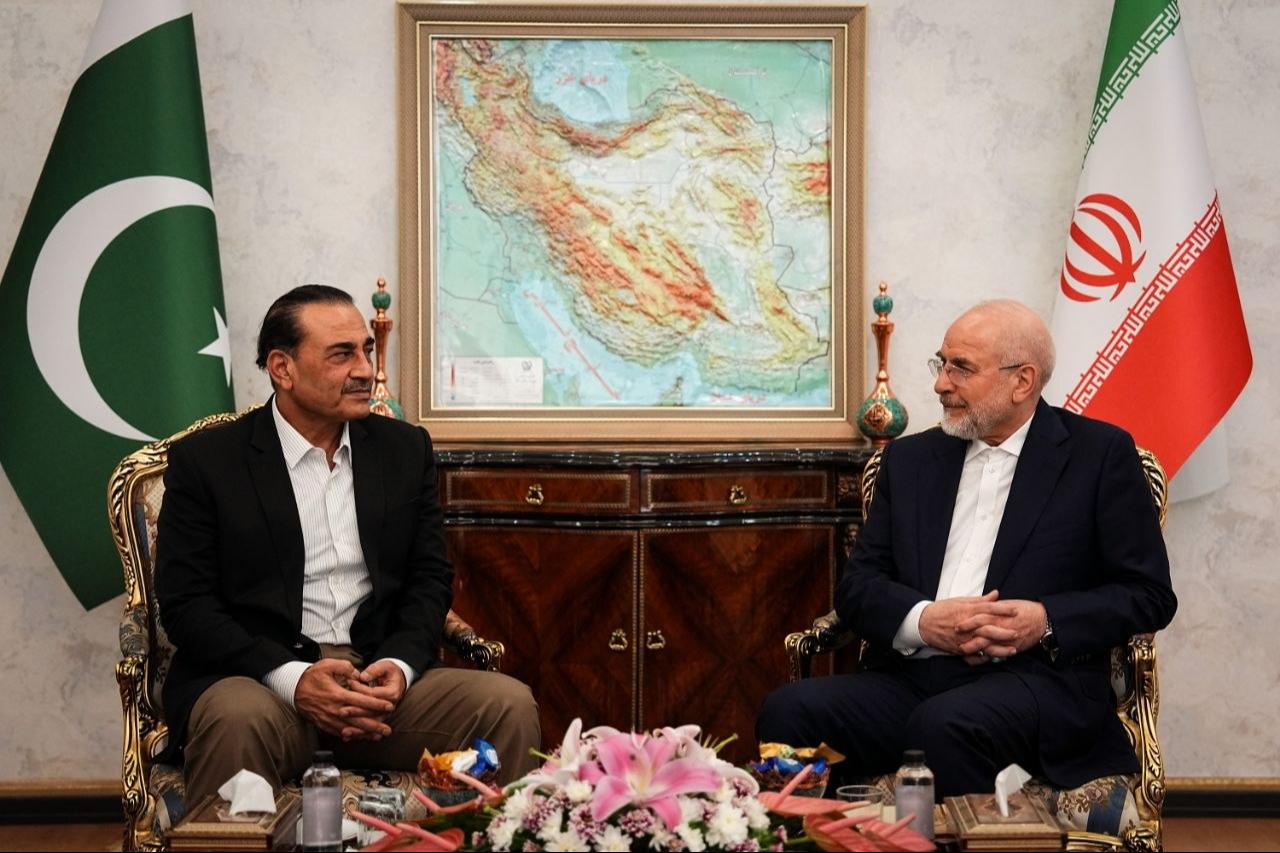
Rezaei reportedly said Iran had trusted mediators during earlier negotiations with the U.S., but found in practice that they could not provide guarantees.
"Trump repeatedly violated his commitments, but no one stopped him, and then he withdrew from the Memorandum of Understanding (MoU) altogether. There was even a dispute-resolution committee, if there was a complaint, it was supposed to go to Pakistan and Qatar, but he didn't do that. So there was no guarantee in that diplomacy," Rezaei said.
"But now we are pursuing diplomacy with guarantees, meaning the Americans must prove their trustworthiness to us, and until these initial conditions are met, we will not move to a second phase. So one of the guarantees is confidence-building," he added.
The comments came after the U.S. struck three Iranian oil tankers in response to Tehran launching ballistic missiles at U.S. warships.
U.S. Central Command (CENTCOM) said the strikes, including one off Kharg Island, Iran's key oil export hub, followed attacks by Iran's Islamic Revolutionary Guard Corps (IRGC) on U.S. Navy vessels in the region.
An average of 10 commodity ships transited the strait per day over the past 10 days, the lowest level since May, according to shipping data cited by Reuters.
Brent crude rose 0.8% to above $97 a barrel Monday, extending gains from the previous week.
Iranian Parliament Speaker Mohammad Bagher Ghalibaf separately warned Monday that U.S. energy assets in the Gulf and around the Strait of Hormuz remain exposed to Iranian retaliation should Washington strike Iranian oil and gas infrastructure.
"It's simple: the oil and gas production chain here is sprawling, accessible, and exposed. American oil and gas companies across these waters and facilities share that exposure. Strike our assets and you get struck. We've already proven it. Ask the bases that are no longer viable," Speaker of the Parliament of Iran Mohammad Bagher Ghalibaf said on the social media platform X.
Ghalibaf's warning came after CENTCOM Commander Adm. Brad Cooper said following the weekend strikes: "Let the message to the IRGC be clear: If you shoot at two of our ships, we will impose an even higher economic cost, taking out three of yours. We will not hesitate to defend American forces, and if necessary, destroy Iran's limited and exposed oil fleet."
U.S. Defense Secretary Pete Hegseth reposted CENTCOM's footage with his own warning, "It's simple: if Iran shoots at U.S. ships, we will destroy (and sink) their oil tankers. All they have to do is not shoot at U.S. Navy. Iran's oil tanker fleet is defenseless, Iran has no navy or air force. Our planes, ships & subs can strike them all."


 Set as preferred source
 Set as preferred source


 3 min read