Newsletters




Iran is preparing to unveil a weapon it calls the "father of bombs," a Revolutionary Guard Corps (IRGC) official said, as Tehran claims major advances in its missile capabilities amid reports that the United States is considering using its largest non-nuclear bomb in potential strikes against Iranian targets.
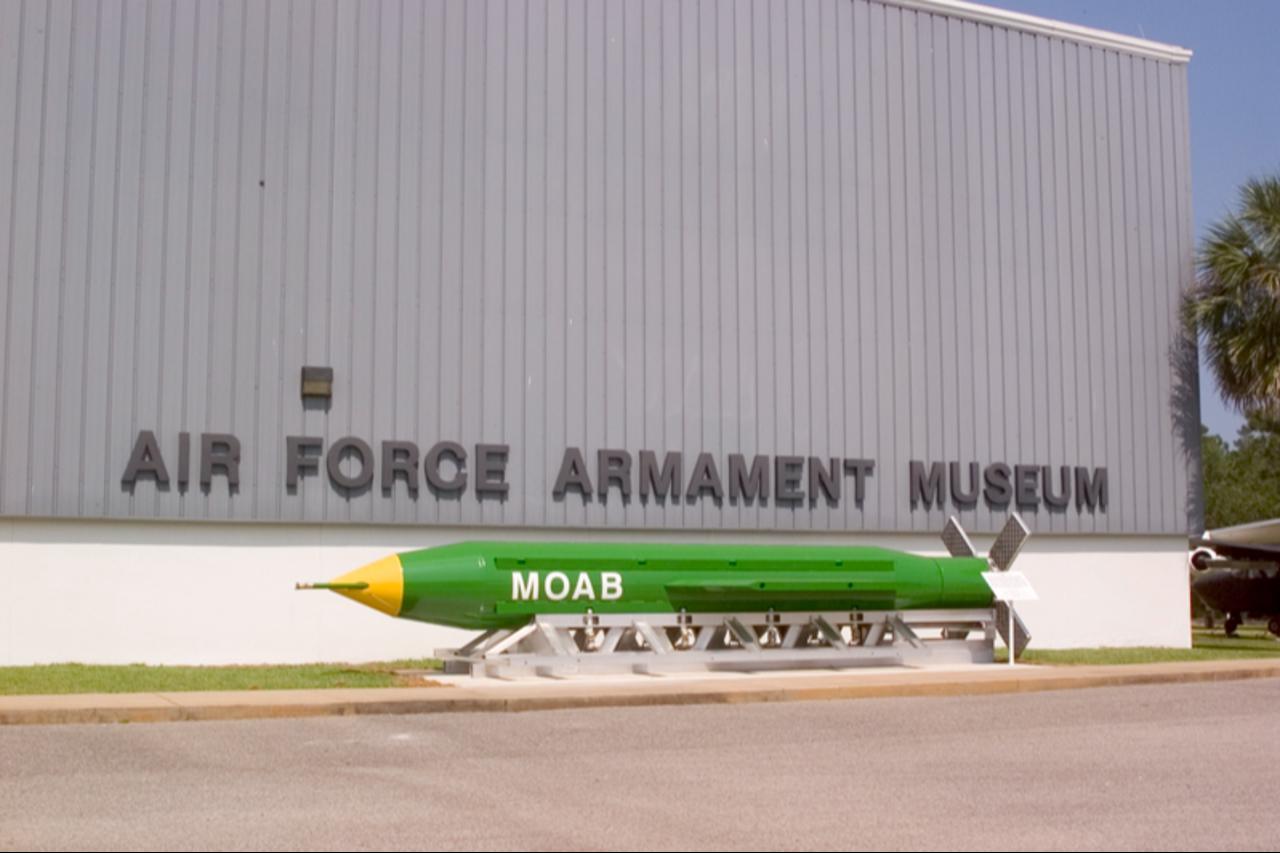
"We are at the stage of introducing the father of bombs. This is something new for the enemy," IRGC spokesman Hossein Mohebbi remarked, according to Iran’s Young Journalists Club news agency. Mohebbi contrasted the planned Iranian weapon with the U.S. military’s GBU-43/B Massive Ordnance Air Blast (MOAB), commonly known as the "mother of all bombs."
However, the spokesman did not disclose the proposed weapon’s technical specifications, explain whether it was a bomb or another type of munition, or provide a timeline for its unveiling.
The U.S. military is reportedly considering using the MOAB in potential future strikes against Iran, with targets including energy infrastructure and nuclear sites.
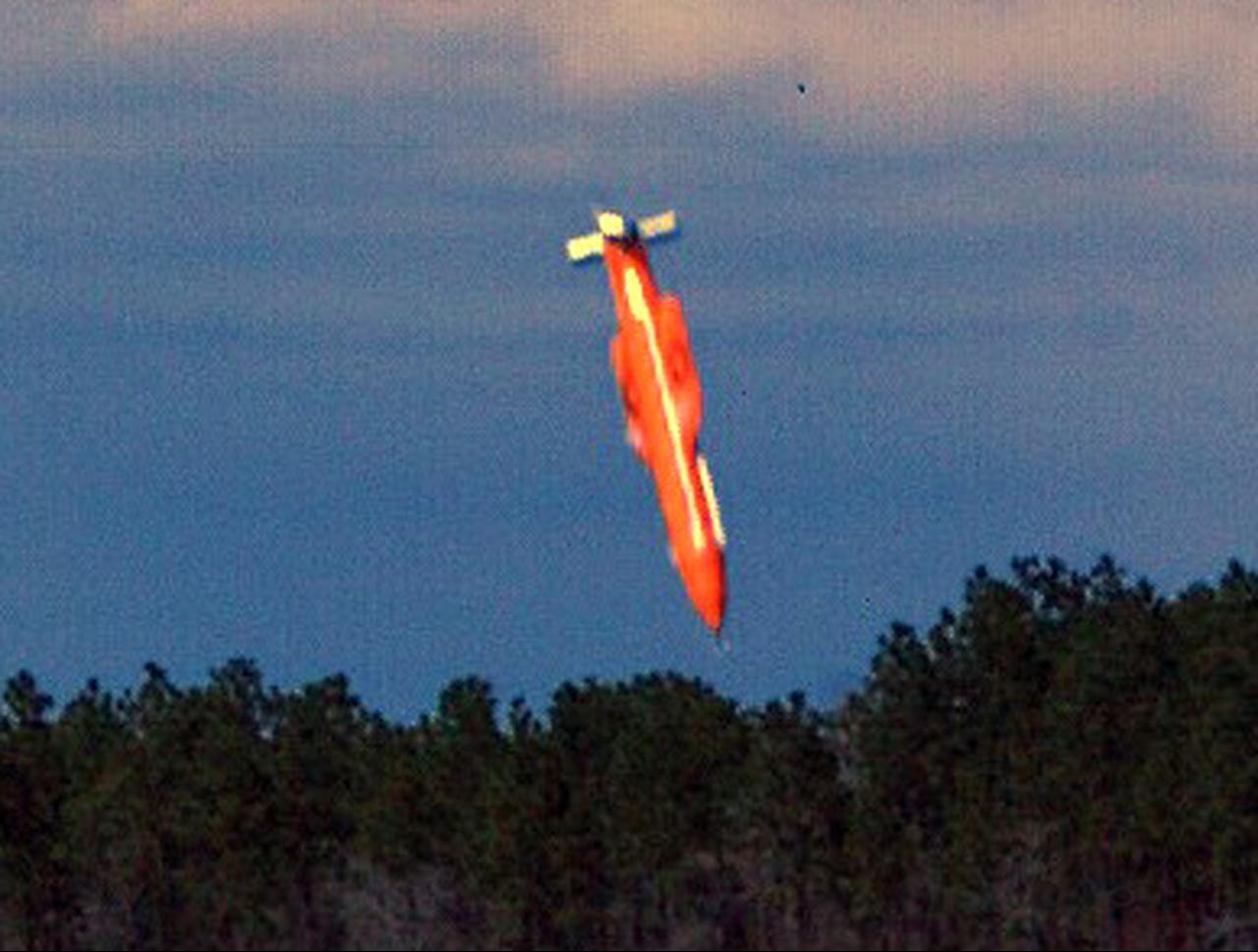
The GBU-43/B weighs approximately 21,600 pounds (9,797 kilograms) and contains a large conventional explosive payload. Designed to produce a powerful blast over a wide area, the GPS-guided weapon is among the largest non-nuclear bombs in the U.S. arsenal.
The United States first used the MOAB in combat on April 13, 2017, when it struck a Daesh Khorasan Province tunnel complex in Afghanistan.
The spokesman also claimed that Iran’s missile stockpile had grown by one and a half times since the 12-day conflict between Iran and Israel in June 2025. He added that the country had improved its missiles’ range, destructive power, accuracy and intelligence capabilities.

Mohebbi also rejected U.S. claims that oil tankers could pass through the Strait of Hormuz, insisting that the strategic waterway remained completely closed. "The Strait of Hormuz is 100% closed, and we do not allow any passage," he said.
He claimed the United States could move only 1 million to 2 million barrels of oil through covert routes, at a very high cost, arguing that such shipments did not mean the strait was open.
Mohebbi also asserted that Iranian forces had pushed U.S. warships away from the waterway. He claimed that 30 to 40 U.S. warships had been stationed in the Persian Gulf before the conflict but were now about 700 kilometers from the strait.
"No vessel can enter without permission," he added. The IRGC spokesman further claimed that Iran had tested its ability to strike U.S. aircraft carriers and other warships, saying its weapons could reach them and inflict significant damage.
"We can hit U.S. aircraft carriers and warships; we have that capability, and we have tested it," Mohebbi said, adding that Iran had not yet fired all its previously undisclosed weapons. He maintained that Iranian missiles had demonstrated the range and destructive power needed to reach enemy naval vessels.


 Set as preferred source
 Set as preferred source


 1 min read
 1 min read