Newsletters


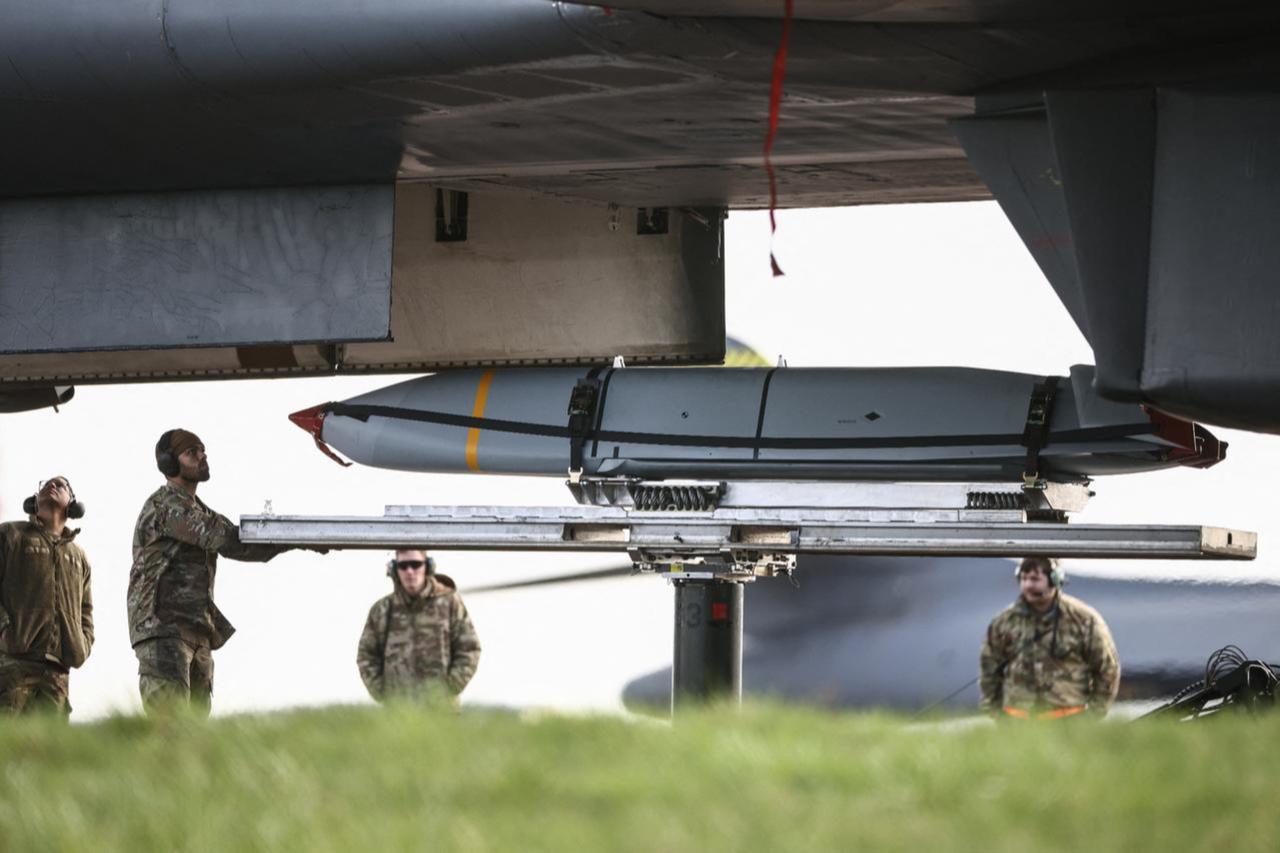


The U.S. military has developed new strike plans that include the potential use of the “mother of all bombs” against Iranian energy infrastructure and nuclear facilities if President Donald Trump orders a resumption of combat operations, CNN reported Thursday, citing multiple U.S. officials familiar with the plans.
The proposals include deploying the GBU-43/B Massive Ordnance Air Blast bomb, or MOAB, the largest non-nuclear bomb in the U.S. arsenal, in what would mark a significant escalation in the conflict with Iran.
However, officials have raised doubts about whether the weapon could achieve Washington’s military objectives, particularly against heavily fortified underground nuclear facilities, according to CNN.
Trump has directed the military to prepare additional strike options against Iranian targets, including energy infrastructure and facilities associated with Tehran’s nuclear program, the report said.
The plans could be activated before or after the upcoming U.S. midterm elections if Trump decides to resume major combat operations.

One source familiar with the planning told CNN that the proposed strikes could take place before a U.S. military withdrawal from the U.S. Central Command area of responsibility.
Such a scenario could allow the administration to conduct additional attacks before declaring victory and withdrawing American forces, the source said.
Another source said strike plans targeting Iranian nuclear facilities, including a suspected underground site at Pickaxe Mountain, explicitly included the potential use of the MOAB.
Trump has repeatedly threatened to target Pickaxe Mountain, where Washington and Israel believe Iran has stored components of its nuclear program.
The president has maintained that preventing Tehran from obtaining a nuclear weapon remains a central objective of the U.S. military campaign.
A U.S. official told CNN that military planners routinely develop a range of options for policymakers, from limited operations to more powerful attacks against heavily fortified targets.
Despite its destructive power, the MOAB may have limited effectiveness against deeply buried nuclear facilities.
The GPS-guided bomb can devastate a surface area equivalent to approximately nine city blocks, but it was not designed to penetrate deep underground.
Sources cited by CNN said the weapon would likely struggle to destroy facilities protected by thick layers of granite and other fortifications.
“The MOAB is a massive information operation type weapon that is great for huge area clearance but not much else,” a source familiar with the military planning discussions told CNN.
The source described the bomb as unsuitable for penetrating deeply buried targets.
If deployed, the weapon could cause extensive destruction at the point of impact, while its large blast radius could raise serious concerns about civilian casualties, particularly if strikes targeted energy infrastructure near populated areas or other civilian facilities.
Despite doubts about its effectiveness against underground targets, U.S. officials have reportedly considered the MOAB’s potential psychological impact as part of the administration’s broader military options.
One source told CNN that Trump could face pressure to take further action against Iran, even as questions remain over whether additional strikes would compel Tehran to accept Washington’s demands.
The source suggested that deploying the MOAB could serve as a means of exerting psychological pressure on Iran, particularly given the limitations of available U.S. munitions against deeply buried facilities.
The reported preparations remain contingency plans, with any resumption of major combat operations dependent on a decision by Trump.


 Set as preferred source
 Set as preferred source


 1 min read
 1 min read