Newsletters


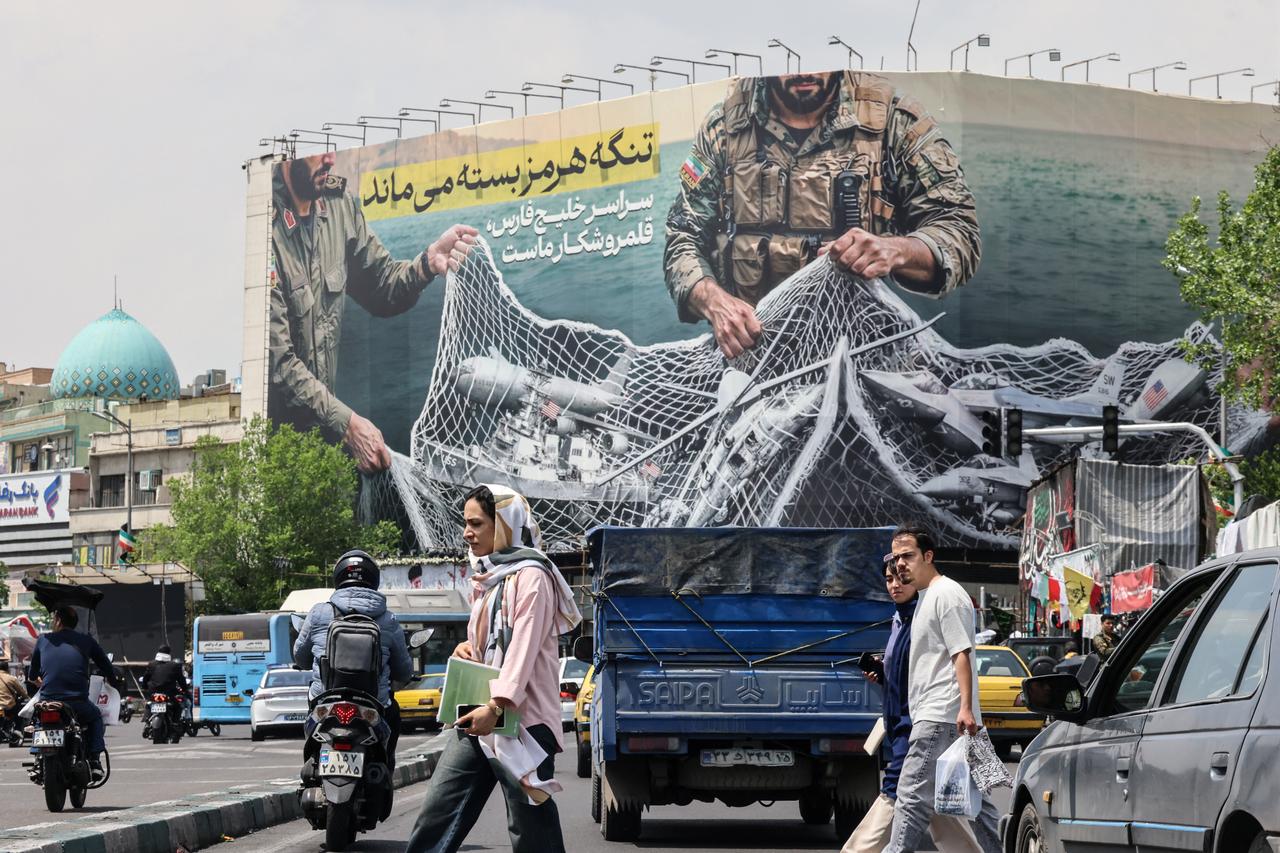


Several million Iranians have lost work and are being pushed into poverty as the U.S.-Israel war with Iran disrupts factories, shipping, aviation, internet-based businesses and everyday commerce, CNN reported.
Few sectors have been spared, with refinery and textile workers, truck drivers, flight attendants, journalists, freelancers and digital workers among those affected.
Iran’s economy was already under severe pressure before the conflict, with per capita income falling from about $8,000 in 2012 to $5,000 in 2024 amid inflation, corruption, and sanctions.
The United Nations Development Programme says up to 4.1 million more people could fall into poverty because of the conflict.
Thousands of airstrikes have caused widespread displacement, according to the UNDP. More than 23,000 factories and firms have been hit, EcoIran reported.
Iran’s Deputy Work and Social Security Minister Gholamhossein Mohammadi said the damage has directly cost 1 million jobs. Etemad Online estimated that spillover effects have pushed another 1 million people out of work.
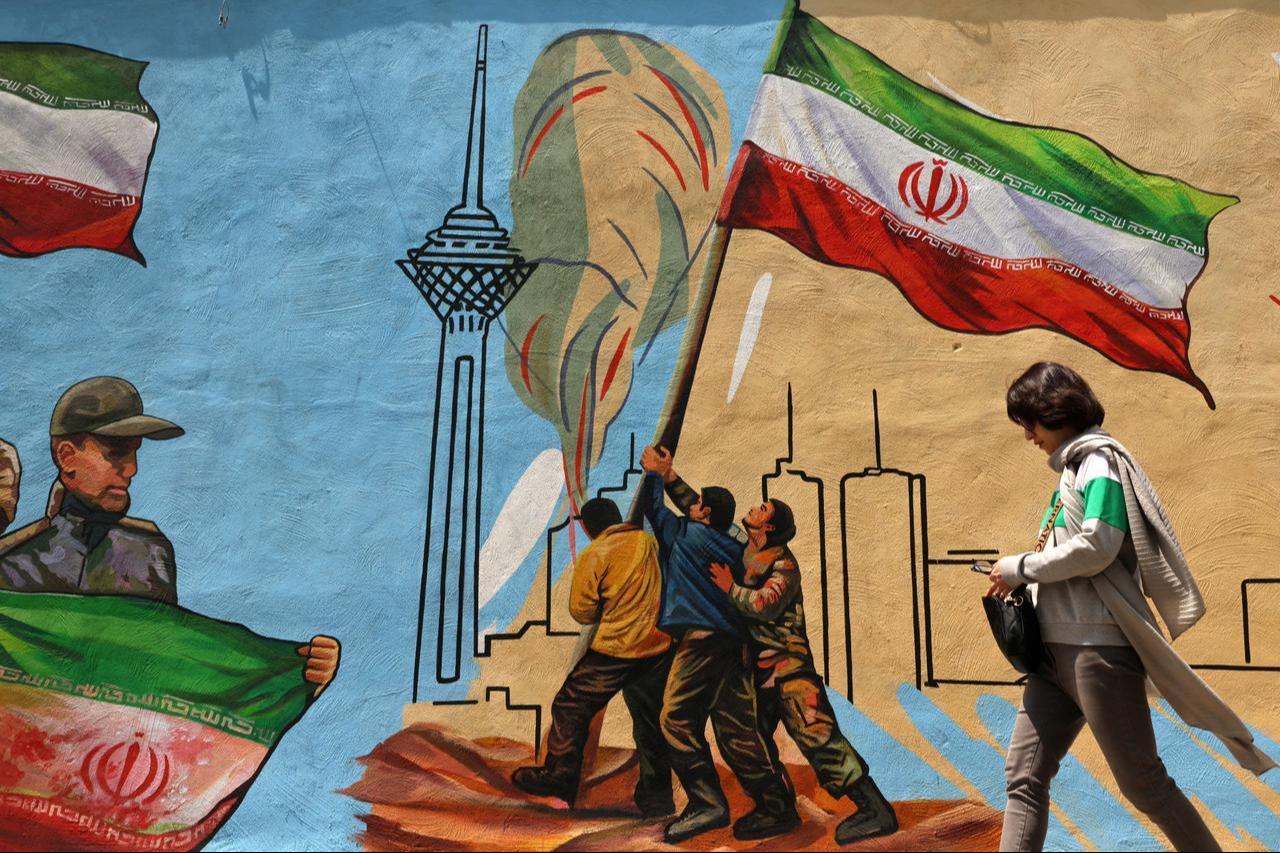

Disruption to shipping and imports has added pressure to the economy, placing 50% of Iranian jobs at risk and pushing another 5% of the population into poverty, according to Hadi Kahalzadeh at the Quincy Institute.
Kahalzadeh said many firms have suspended operations because of “war, inflation, recession, and collapsing demand.”
Israeli strikes on petrochemical complexes last month left thousands of workers on unpaid leave. Iran’s largest steelworks were also hit, though Mobarakeh Steel and Khuzestan Steel denied laying off employees.
The damage to heavy industry has spread through supply chains. Trailer-maker Maral Sanat laid off 1,500 workers due to a steel shortage, while textile firm Borujerd laid off 700 workers. Many dairy plants have suspended operations because of shortages of packaging materials.
A senior flight attendant, Soheila, told Fararu that flights were canceled on Feb. 28 and that workers whose contracts ended in March would not be paid until flights resumed.
 1 min read

Internet disruption has also hurt workers who depend on online income.
Asal, a freelance designer in Tehran, told CNN she had gone nearly two months without new projects or replies from clients abroad because of internet restrictions.
“No new projects, no replies. It’s like everything just stopped overnight,” she said.
Iranian media reported that Digikala, the country’s largest e-commerce firm, has started layoffs across several departments. State news agency ILNA said internet-based businesses that could have helped control unemployment after the war are themselves severely weakened.
Jafar, a data analyst, told Fararu his company shut down, leaving more than 50 people unemployed.
Women working from home have been especially affected. Somayeh, an online German teacher in Isfahan, said unreliable domestic apps had disrupted her classes.
“Nothing works properly anymore,” she said.
Women have filed one-third of unemployment insurance claims since the war began.
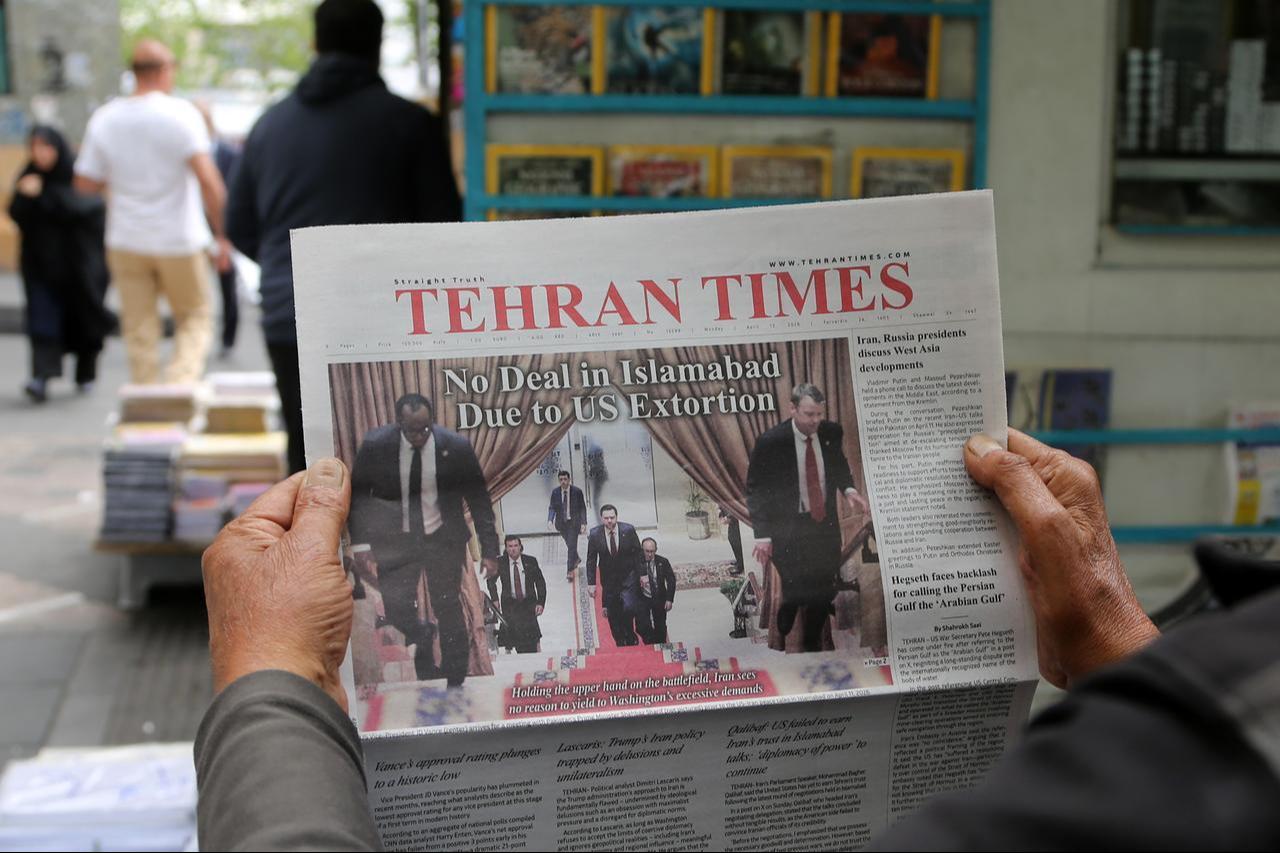
Official data show 147,000 people applied for unemployment insurance in the past two months, about three times higher than last year.
Annual inflation reached 72% in March, with higher rates for essentials, according to official data.
The rising jobless numbers have added pressure to Iran’s strained social security system as state revenues decline.
Etemad said a larger unemployment wave is likely without swift government support, including tax and insurance deferrals, low-interest loans and special aid for small firms.
The Tehran Chamber of Commerce said preserving jobs must be Iran’s top economic priority. Saeed Tajik, a member of the chamber, criticized the government for raising salaries for state employees while private firms struggle to pay workers.
The government says the hardship is the result of an unjust war imposed by the U.S. and Israel and is reportedly planning to expand monthly vouchers for the poorest households.
The conservative Ettelaat newspaper described inflation, unemployment and shortages as “a dire and complicated situation,” saying the government may soon need special programs for a wartime economy.


 Set as preferred source
 Set as preferred source




 1 min read