Newsletters


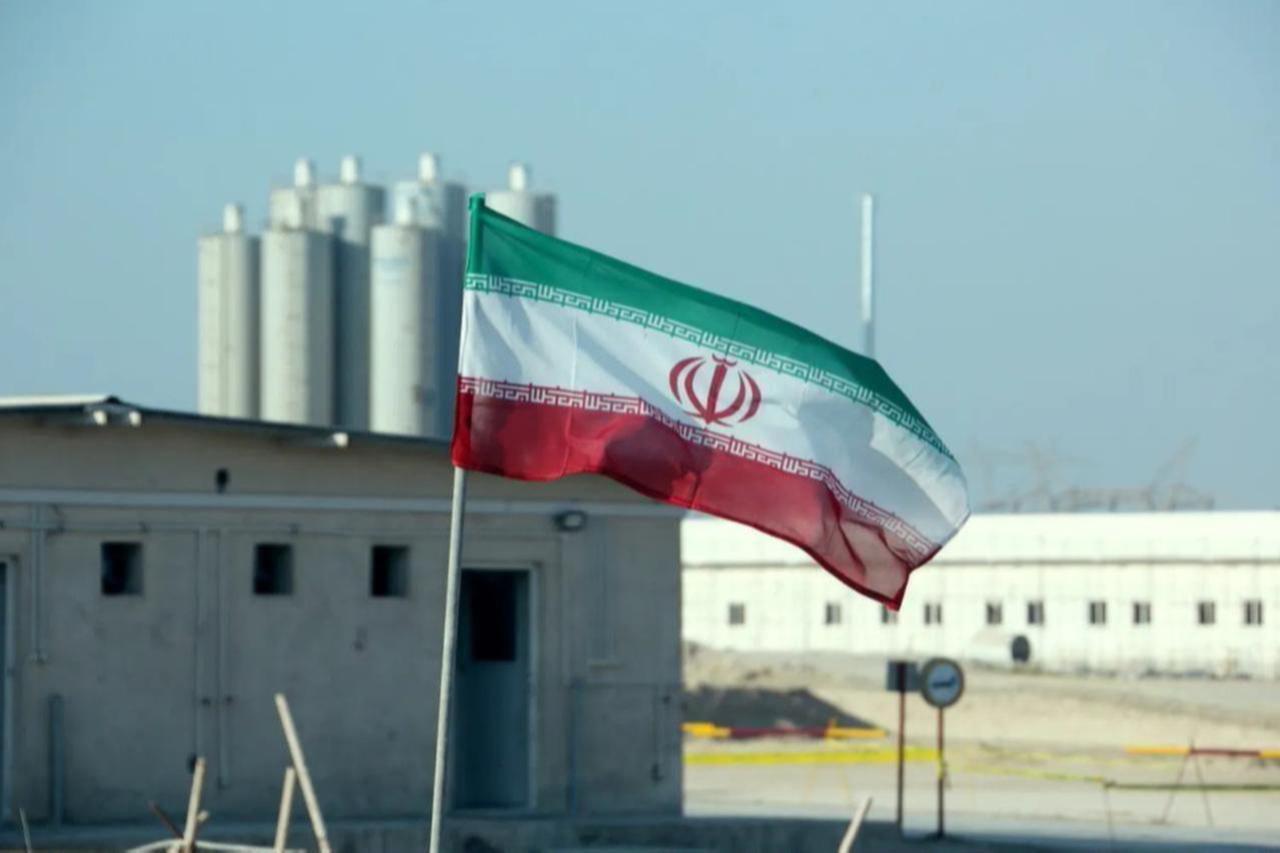


Iran and the United States made significant headway in their latest round of nuclear negotiations, with both sides moving into detailed discussions on the terms of a potential agreement covering Tehran's nuclear programme and the lifting of American sanctions, Iran's top diplomat said Thursday.
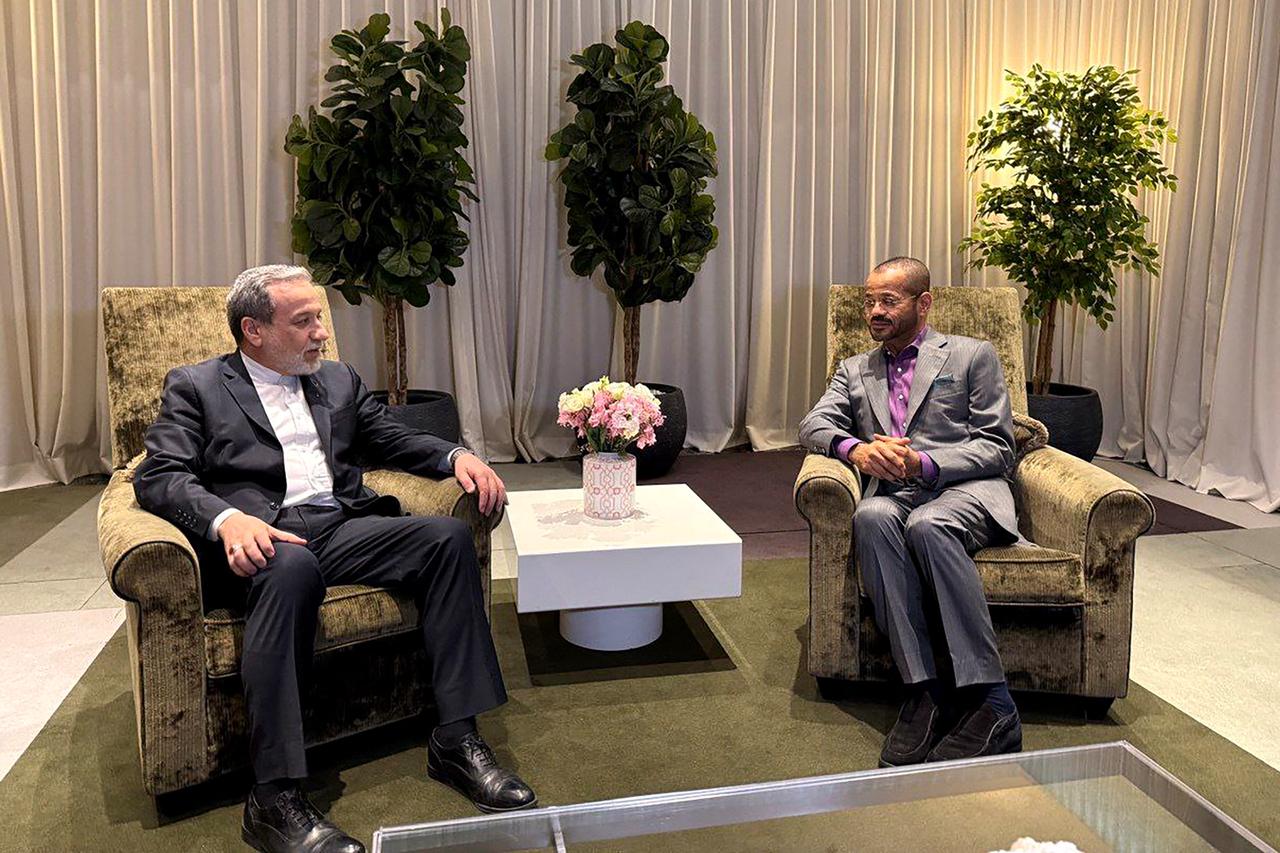
Foreign Minister Abbas Araghchi said negotiators engaged seriously with the substance of a deal across both tracks. "We made very good progress and entered into the elements of an agreement very seriously, both in the nuclear field and in the sanctions field," he told Iranian state television after the Geneva session concluded.
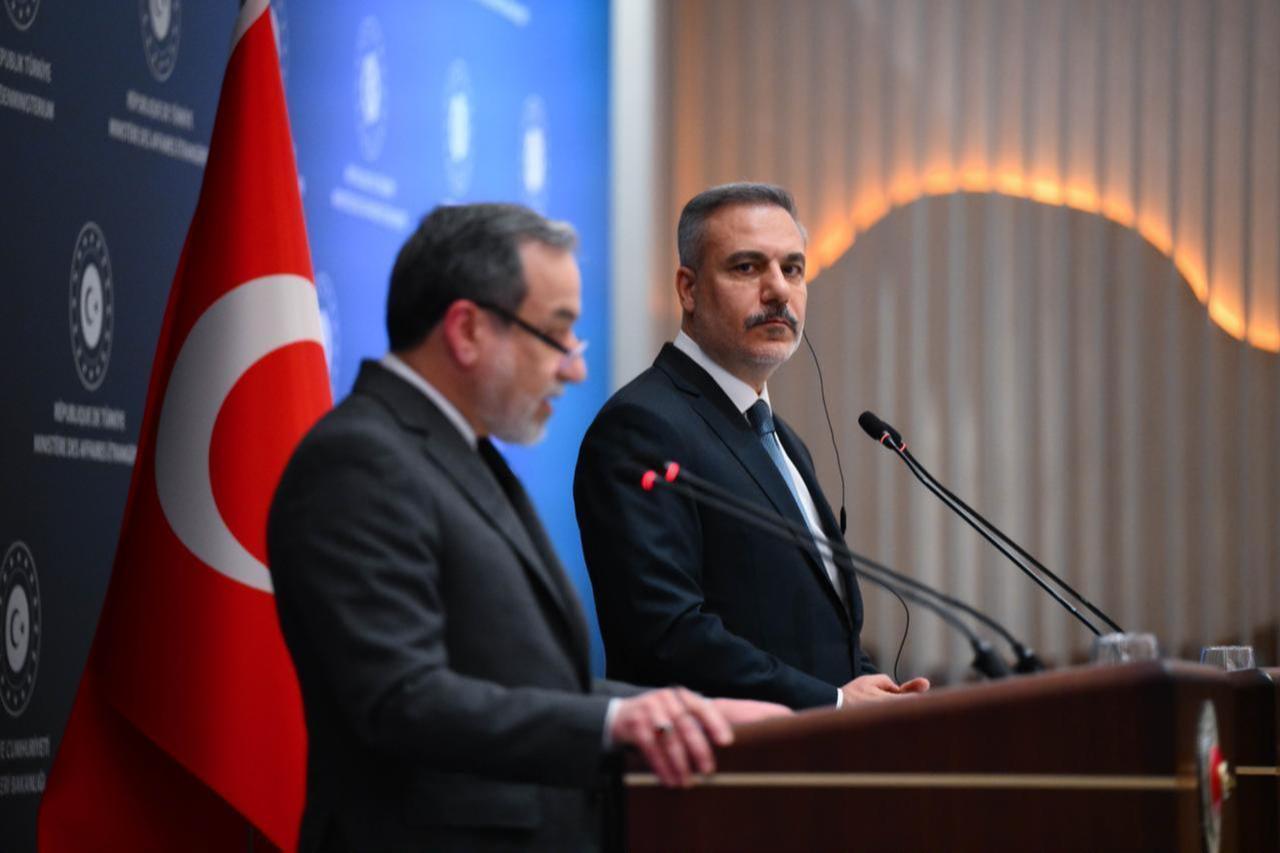

The diplomatic push is set to accelerate in the coming days. Araghchi said technical teams will convene at the International Atomic Energy Agency headquarters in Vienna on Monday to work alongside the agency's experts, while a broader political round between Tehran and Washington is expected in less than a week.
Before that next meeting takes place, he said, both sides must complete preparatory work. "There are a series of tasks that both sides must do, a number of documents that must be prepared and a number of consultations that must be held in the capitals," he said.
Araghchi added that the Iranian delegation had "very clearly stated our demands" during the session, though he did not elaborate on what those demands entailed.
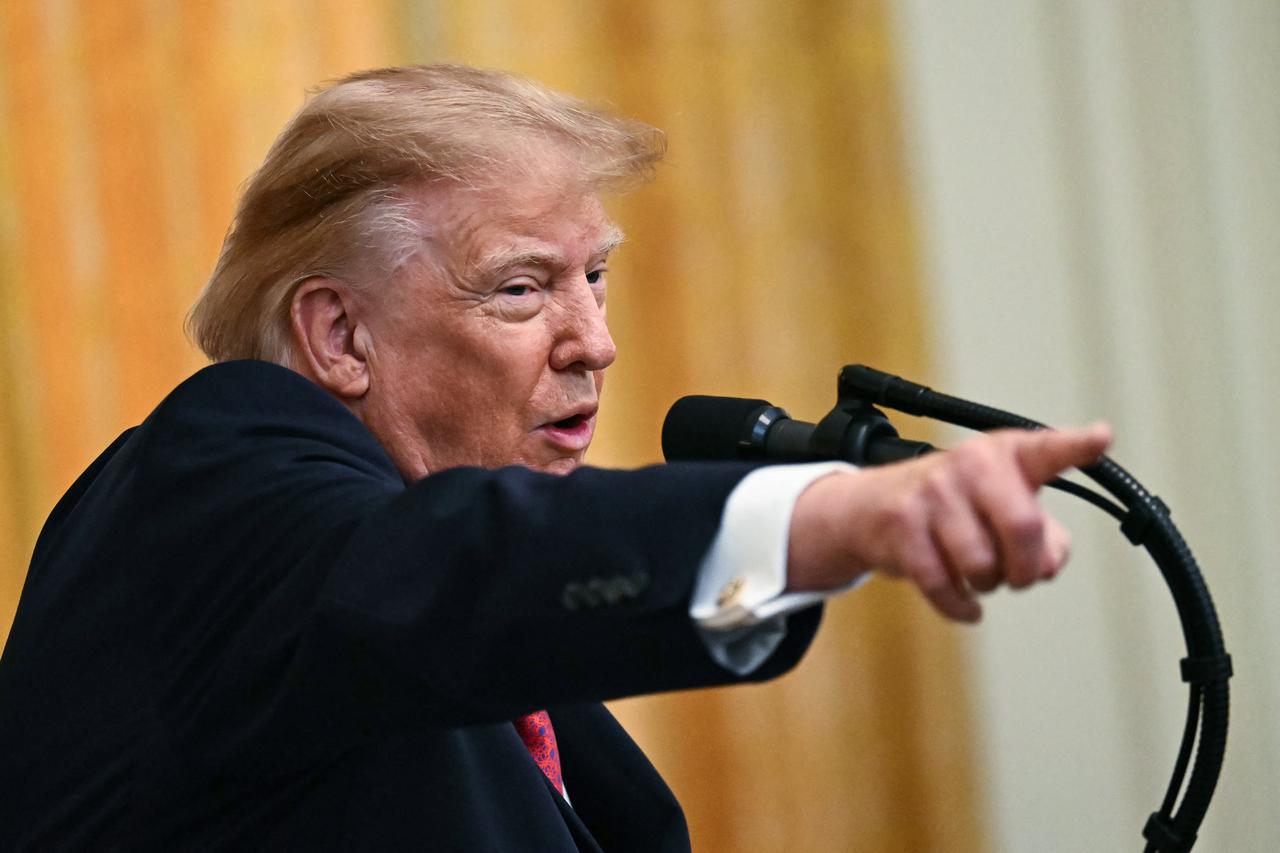
Thursday's meeting was the latest in a series that began earlier this month, conducted against an increasingly tense backdrop. The United States has undertaken a significant military build-up in the region, and President Donald Trump has repeatedly threatened strikes on Iran should the diplomatic track fail.
Despite those pressures, Araghchi struck an optimistic tone, saying there was "evident seriousness" on both sides to reach a negotiated solution.
The current round of diplomacy follows the failure of five previous rounds of nuclear talks held last year between Iran and Washington. Those negotiations collapsed after Israel launched an attack on Iran in June, which triggered a 12-day war. During that conflict, the United States briefly joined Israel in carrying out strikes on key Iranian nuclear sites.
The resumption of talks represents an effort by both sides to return to diplomacy after that significant escalation.
The IAEA, based in Vienna, serves as the global nuclear watchdog and has long played a central role in monitoring Iran's nuclear activities and verifying compliance with international agreements. Its involvement in next week's technical discussions signals that any emerging framework would likely include enhanced inspection and verification mechanisms.


 Set as preferred source
 Set as preferred source


 1 min read
 1 min read