Newsletters


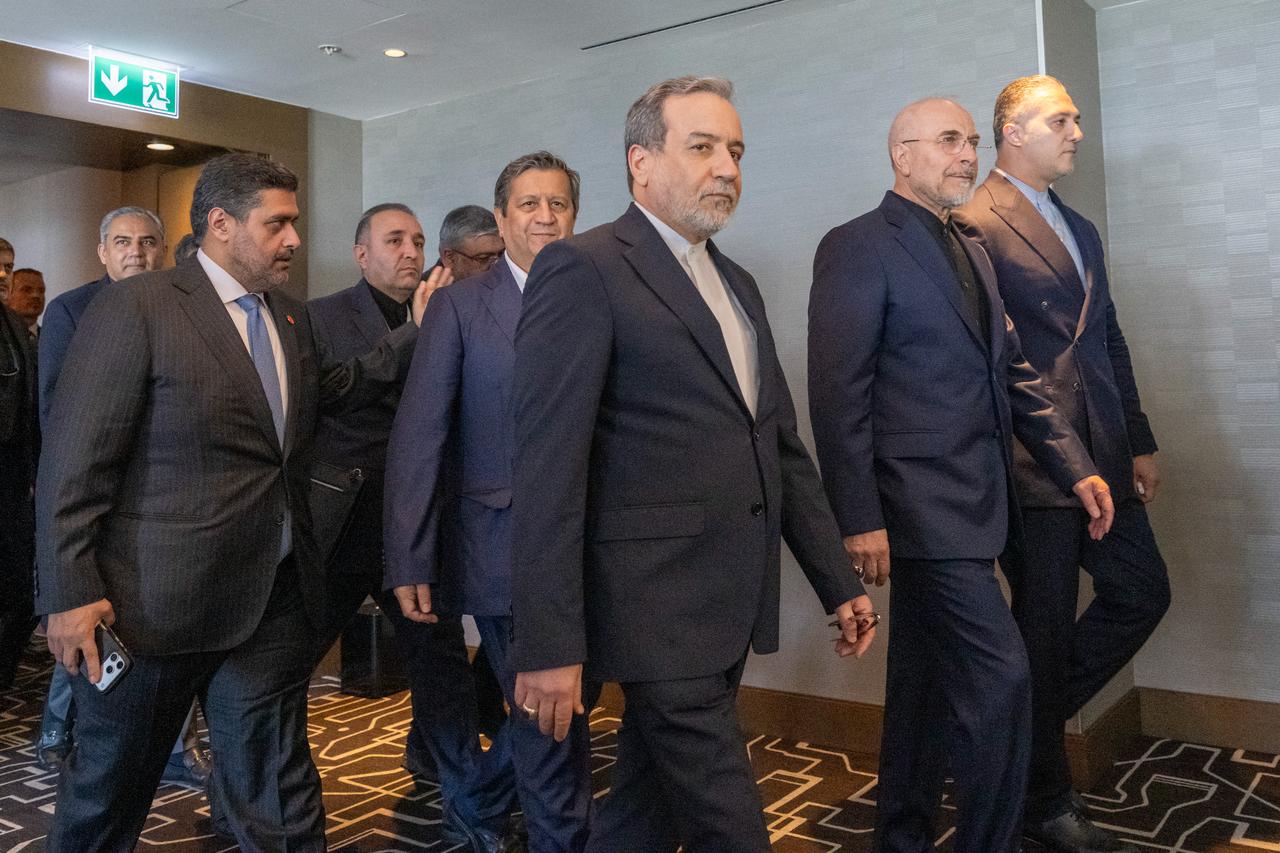


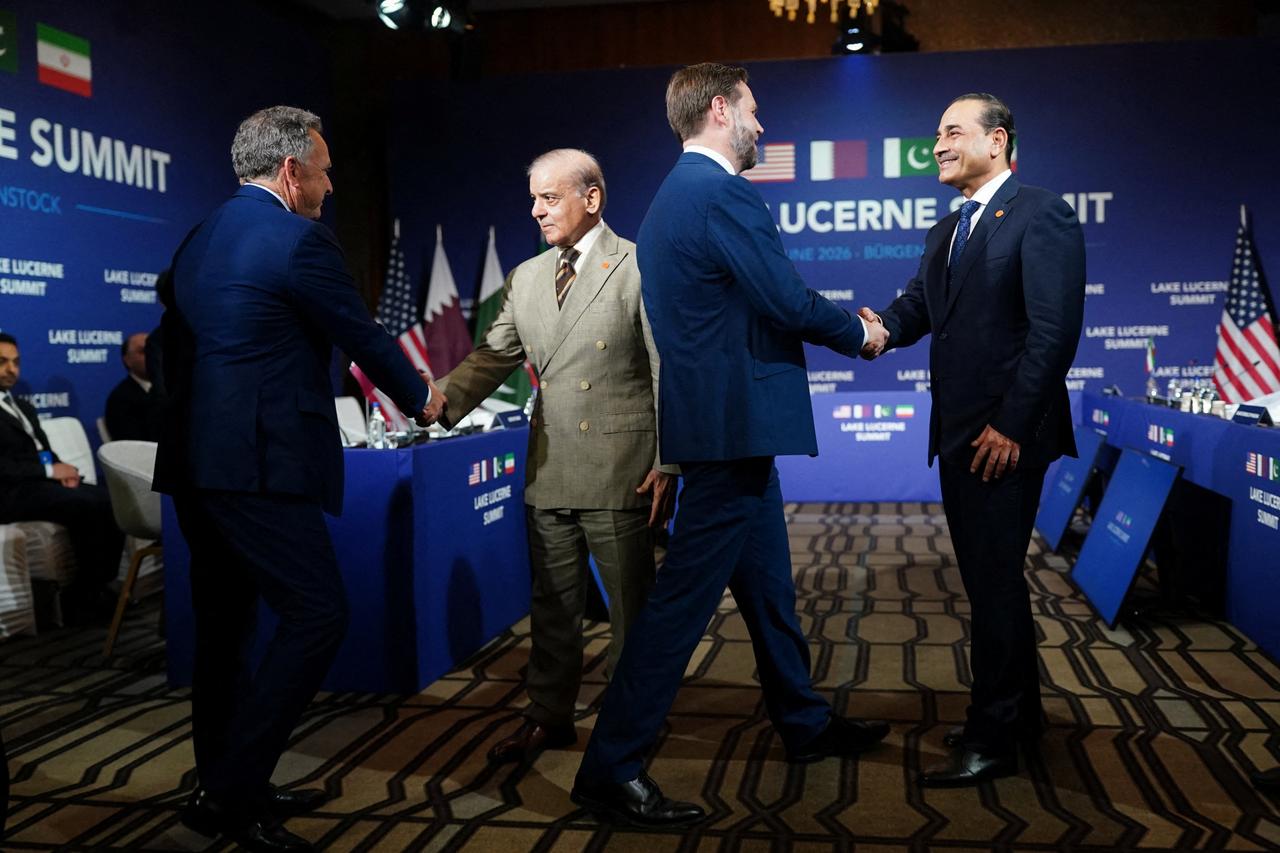
Technical talks between Iran and the United States concluded in Switzerland on Tuesday, with the two sides agreeing to establish four working groups to advance negotiations on nuclear issues, sanctions and economic cooperation, according to Iranian state media.
The groups will focus on sanctions termination, nuclear affairs, reconstruction and economic development, as well as monitoring and implementation, Iran's IRNA news agency reported, citing Deputy Foreign Minister Kazem Gharibabadi.
The move marks the clearest outcome of the latest round of negotiations, which seek to build on an interim agreement reached last week and pave the way for a broader settlement within 60 days.
Providing further details on the agreements reached in Switzerland, Gharibabadi said technical discussions followed a high-level committee meeting held Sunday under the Islamabad Memorandum framework.
According to the deputy foreign minister, future negotiations will take place under the supervision of a senior committee comprising Iran's parliamentary speaker and foreign minister, U.S. Vice President JD Vance, and the prime ministers of Pakistan and Qatar.
In addition to the four working groups, the parties agreed to establish a contact point among the memorandum's member states to facilitate the safe passage of commercial vessels through the Strait of Hormuz.
A separate de-confliction unit will also be created involving the participating countries, Pakistan and Qatar to help prevent clashes in Lebanon, he added.
Gharibabadi said the heads of the technical delegations from the four countries will oversee the work of the groups and the newly established units before reporting back to the senior committee.
The Iranian official also said technical discussions addressed the issuance of a general license for the sale of Iranian oil, petrochemical products, petroleum products and related services.
He added that agreements concerning the release of $12 billion in previously frozen Iranian assets, consisting of two separate $6 billion tranches, are expected to move immediately into the implementation stage.
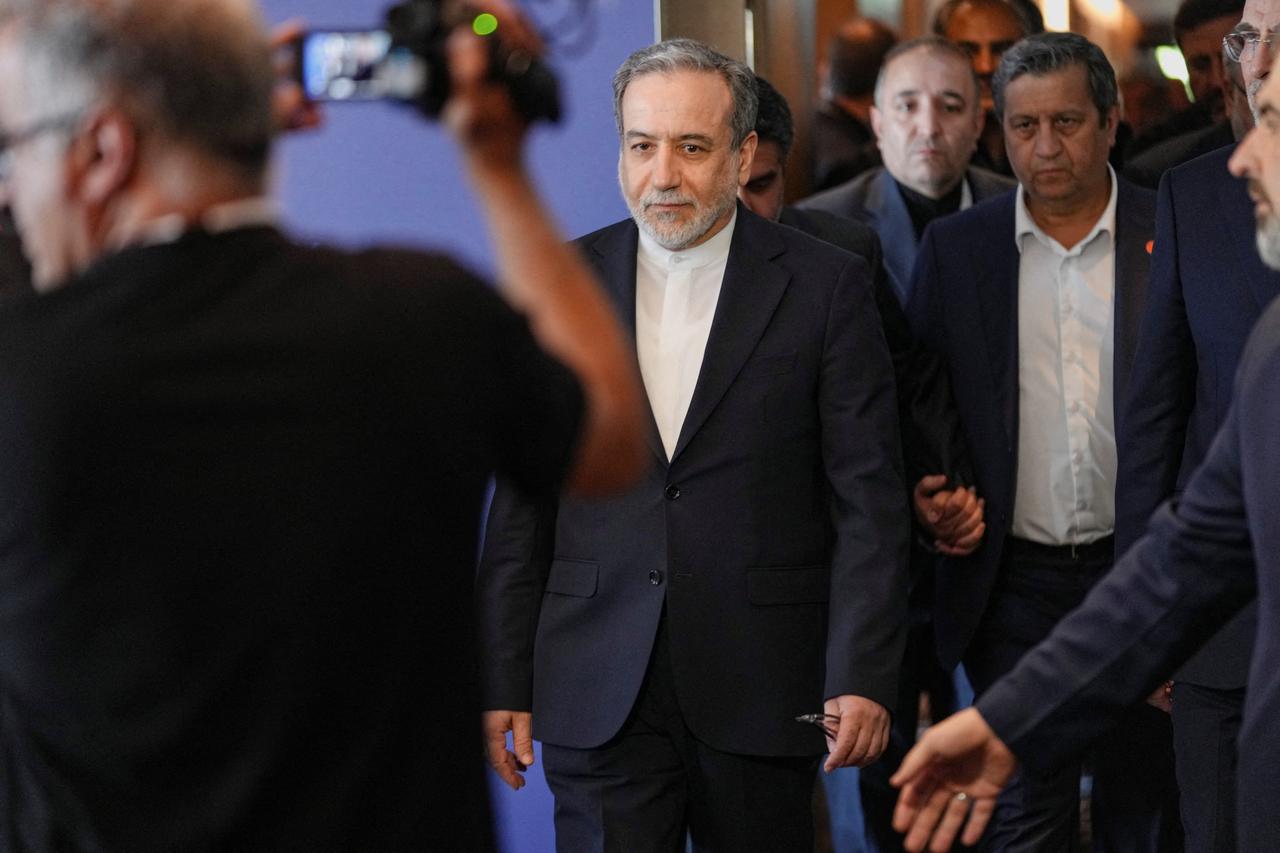

Despite progress in setting up the negotiating framework, Tehran and Washington continue to offer conflicting accounts of what was agreed regarding international nuclear inspections.
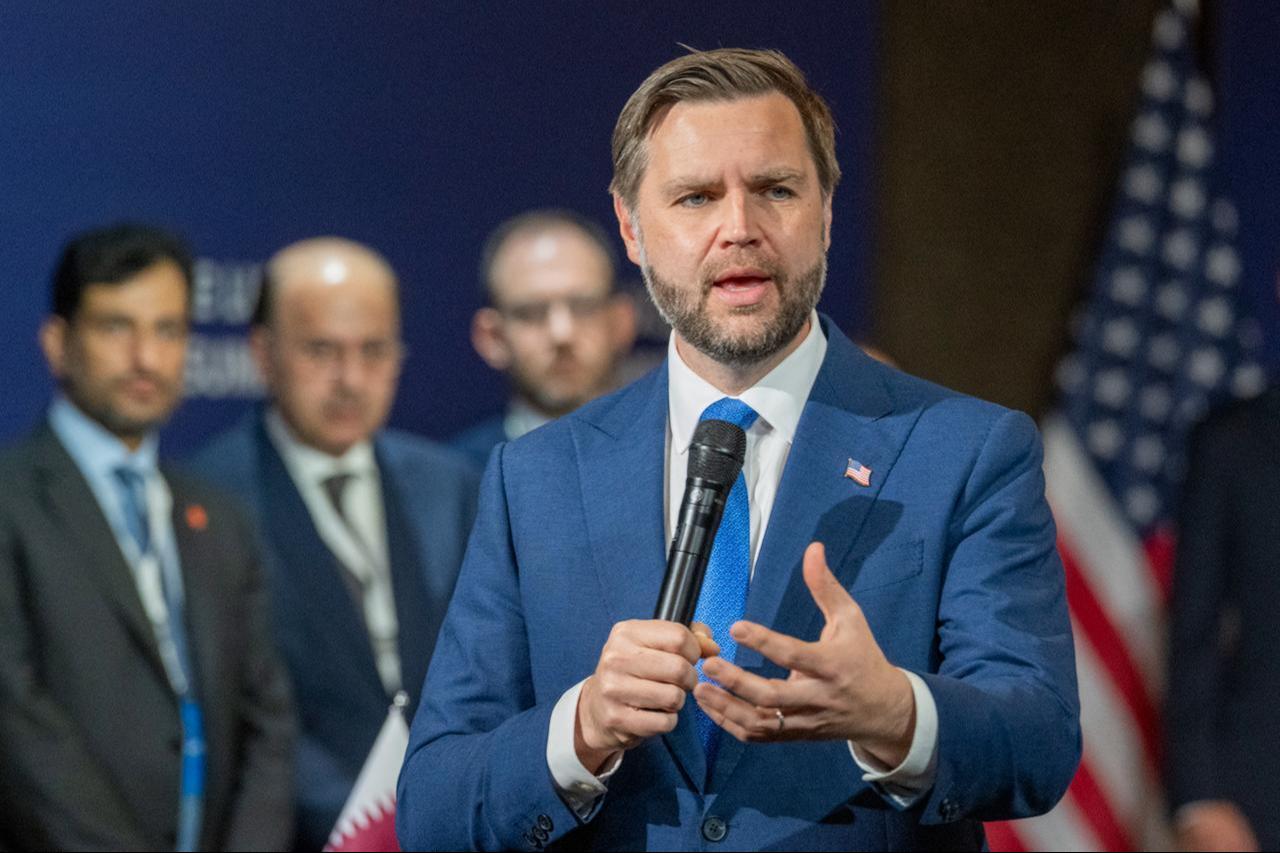
U.S. Vice President JD Vance said on Monday that Iran had agreed to allow nuclear inspectors back into the country, describing the latest discussions as a step toward a broader regional agreement.
"We have the Iranians allowing weapons inspectors, nuclear inspectors into their country for the first time in a long time. We're obviously going to bolster that inspection regime to make sure they can never have a nuclear weapon," Vance told reporters before departing Switzerland.
He added that the talks had laid "a foundation for what could be a truly transformed Middle East," while emphasizing that a final agreement has yet to be reached.
However, Iran's semi-official Fars news agency, citing a source familiar with the negotiations, described Vance's remarks as "false" and reported that no discussions took place during the Switzerland talks about the return of inspectors from the International Atomic Energy Agency (IAEA).
Iranian Foreign Ministry spokesperson Esmaeil Baghaei earlier stressed that cooperation with the IAEA would continue under existing safeguards and domestic legal frameworks, while rejecting claims that new commitments had been made during the latest round of talks.
The negotiations are part of a wider diplomatic effort launched after an interim peace agreement was reached last week. Mediators from Pakistan and Qatar said the latest talks produced a roadmap aimed at securing a permanent agreement within 60 days.
The framework also includes a mechanism intended to help end fighting between Israel and Hezbollah in Lebanon and a communications channel designed to support the safe passage of commercial vessels through the Strait of Hormuz.
In a further sign of progress, the U.S. Treasury announced a 60-day sanctions waiver beginning Monday, allowing Iran to sell oil and related products and receive payments for those exports until Aug. 21.
Vance expressed optimism about the direction of the negotiations despite the unresolved disputes. "We continue to make progress on these technical negotiations. We left a lot of our team, the Iranians left a lot of their team at the resort there to keep on working at," he said.
"I feel great about the progress that we made over the last couple of days."


 Set as preferred source
 Set as preferred source


 2 min read
 1 min read