Newsletters




U.S. Treasury Secretary Scott Bessent said Iran has committed to free and open transit through the Strait of Hormuz and to allow International Atomic Energy Agency (IAEA) inspectors into the country, as Washington issued a temporary 60-day general license authorizing the production, delivery and sale of Iranian oil.
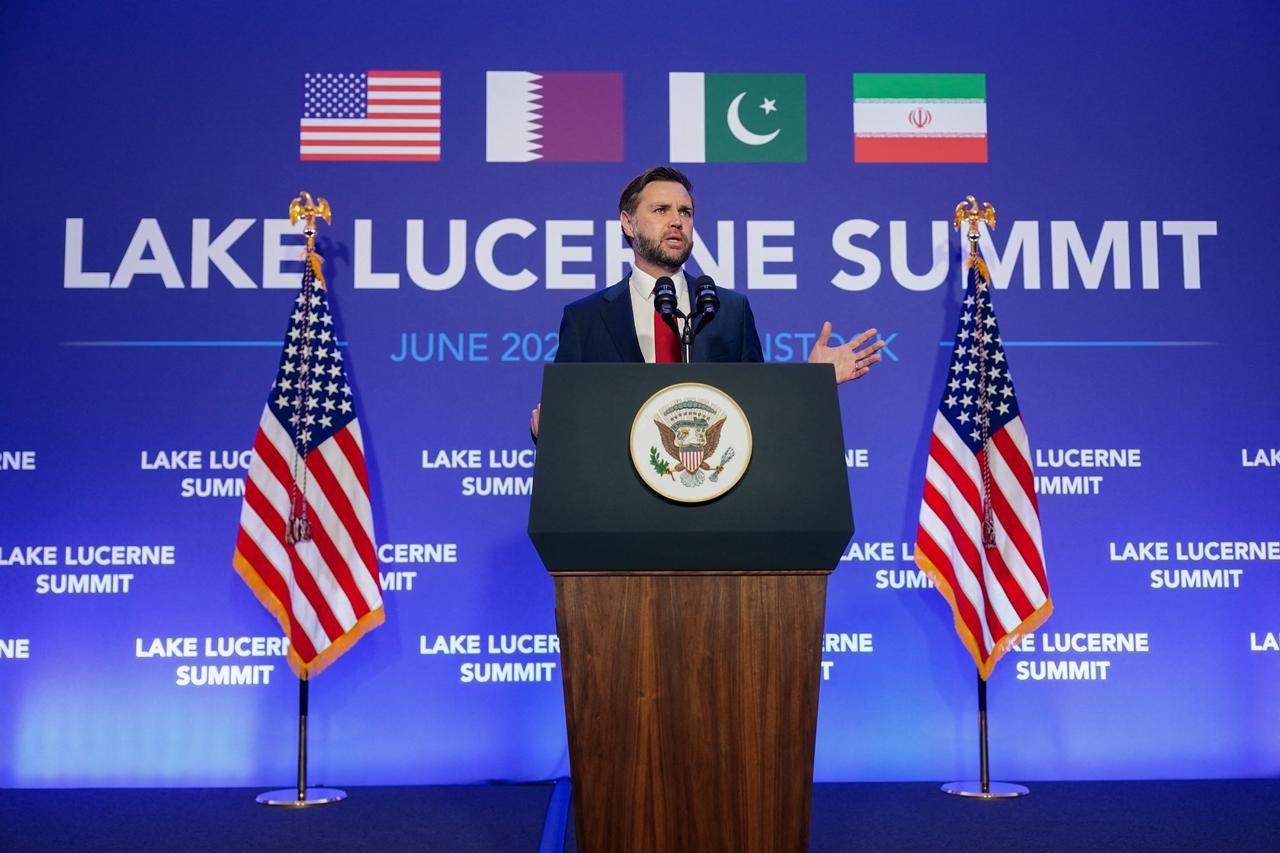
Bessent said in a post on X that the step came "in line with the ongoing productive talks in Switzerland."
"Under President Donald Trump and VP Vance, we continue to make the world safer and more prosperous," Bessent said.
He said Iran had committed to permit free and open transit in the Strait of Hormuz and to allow IAEA inspectors into the country.
"As part of the framework, Treasury has issued a temporary 60-day general license authorizing the production, delivery, and sale of Iranian oil," Bessent said.
The announcement came after the full text of an agreement between the U.S. and Iran to end the war was released by the U.S.
A senior U.S. official read the deal, known as a memorandum of understanding, or MoU, to media outlets, including the BBC.
The agreement includes a commitment from both sides to hold further talks to reach a final agreement over the next 60 days.
It also refers to reopening the Strait of Hormuz and the U.S. lifting sanctions on Iran.
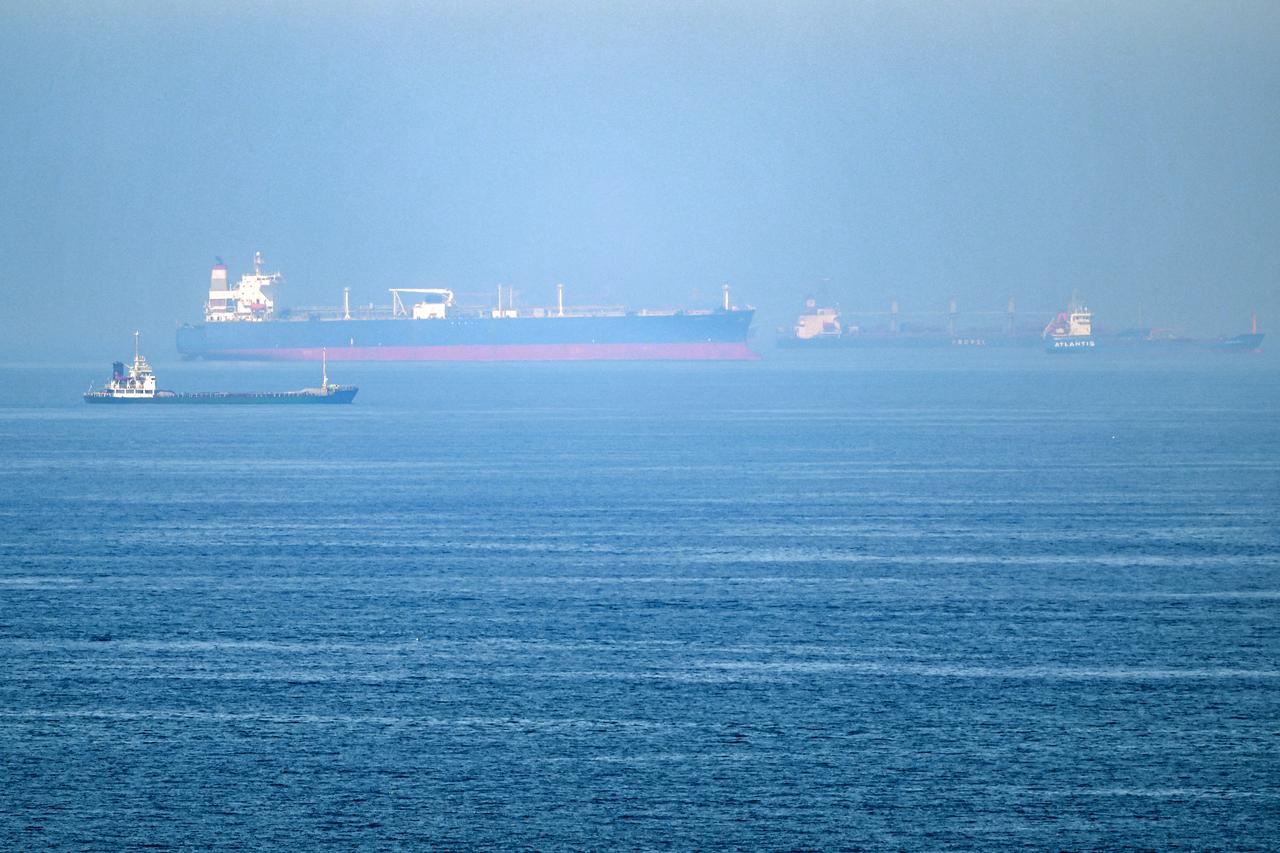
Under Point 5 of the MoU, Iran will make arrangements using its best efforts for the safe passage of commercial vessels at no charge for 60 days.
The provision applies to commercial traffic between the Persian Gulf and the Sea of Oman.
The MoU says commercial vessel traffic will start immediately.
It also says that, given the need for Iran to remove tactical and military obstacles and carry out de-mining, the arrangements will be in place within 30 days.
Under the same provision, Iran will hold dialogue with the Sultanate of Oman to define the future administration and maritime services in the Strait of Hormuz.
Those discussions will take place with other Persian Gulf littoral states and in line with applicable international law and the sovereign rights of coastal states of the Strait of Hormuz.
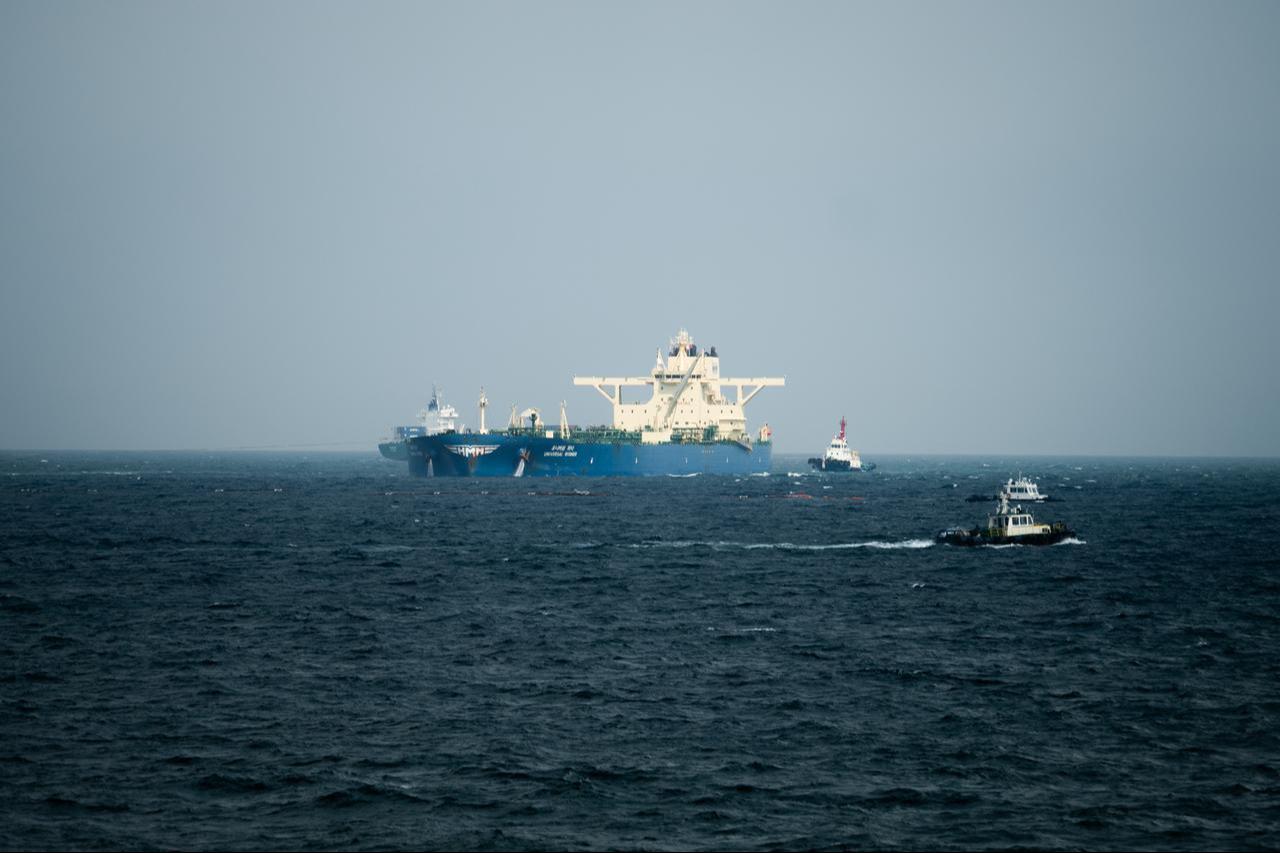

Point 10 of the MoU says the U.S. will act immediately upon the signing of the agreement and until the termination of sanctions.
Under that provision, the U.S. Department of the Treasury will issue waivers for the export of Iranian crude oil, petroleum products and derivatives.
The waivers also cover associated services, including banking, transactions, insurance and transportation.
Bessent said the Treasury's temporary 60-day general license authorizes the production, delivery and sale of Iranian oil as part of the framework.
The MoU also includes Iran's commitment to allow IAEA inspectors into the country, according to Bessent's statement.


 Set as preferred source
 Set as preferred source


 2 min read
 1 min read