Newsletters


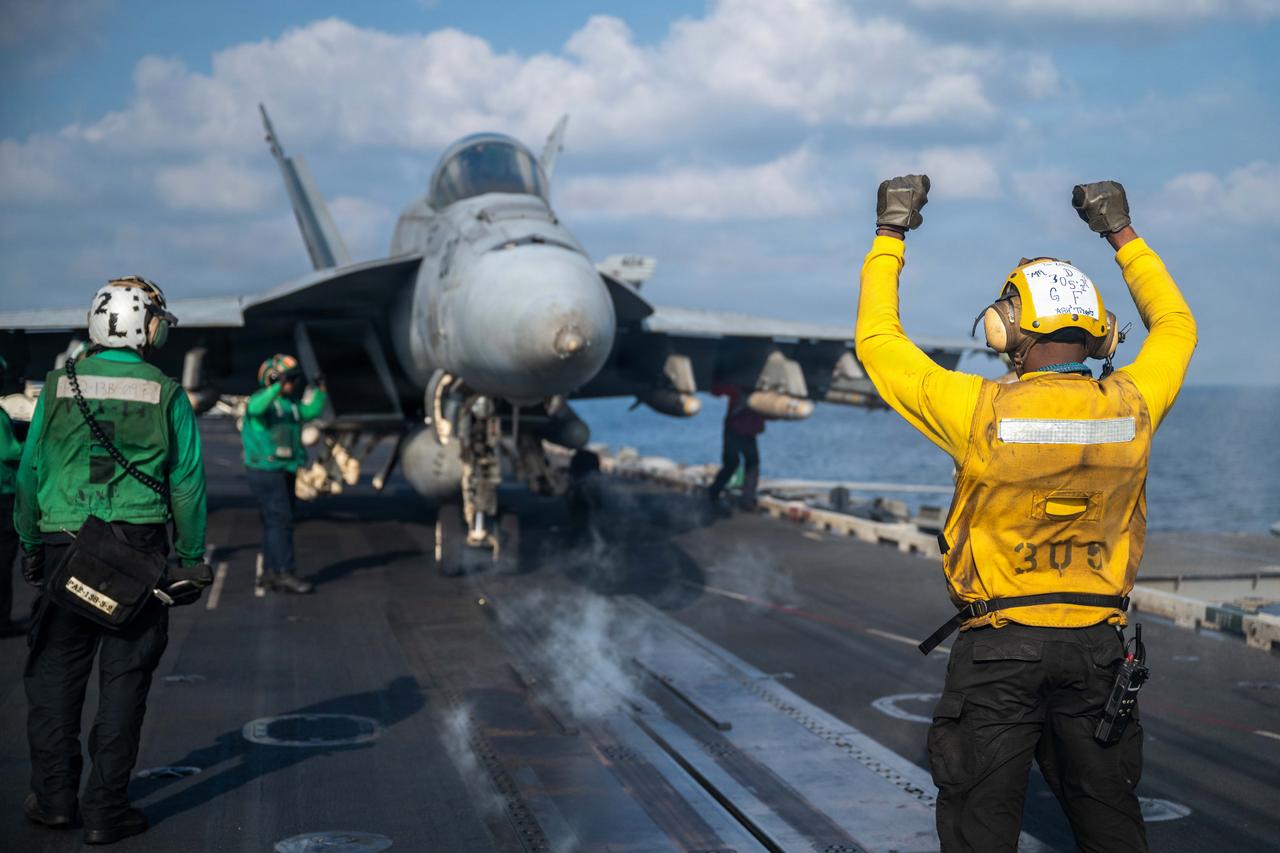


The cost of the Iran war exceeded $11.3 billion in its first six days, Pentagon officials told lawmakers in a closed-door Capitol Hill briefing.
The estimate was described to Congress as the most comprehensive assessment lawmakers had received so far, but it did not include many costs associated with the buildup of military hardware and personnel before the first strikes.
Because those costs were excluded, lawmakers expect the total to rise as the Pentagon continues calculating expenses from the first week of the war, according to people familiar with the briefing who spoke to The New York Times.
Administration officials also told lawmakers that the U.S. military used $5.6 billion in munitions in the first two days of the war. The New York Times and The Washington Post previously reported that figure from earlier congressional briefings.

The New York Times first reported the $11.3 billion estimate on Wednesday. One source familiar with the matter stated that officials from U.S. President Donald Trump’s administration presented the number during Tuesday's Senate briefing.
Congressional aides said they expect the White House to submit a request for additional war funding soon. Some officials said the request could reach $50 billion, while others said even that estimate appeared low.
The administration has not released a public assessment of the war’s total cost or its expected duration.
Trump said during a trip to Kentucky on Wednesday that "we won" the war but that the United States would remain in the fight "to finish the job."
The Pentagon’s estimate omitted several aspects of the operation, especially the military buildup before the opening strikes. Lawmakers, therefore, expect the overall cost of the first week to grow considerably as additional calculations are completed.
The spending pace appeared far higher than previously disclosed. The Center for Strategic and International Studies had estimated that the first 100 hours of the operation cost $3.7 billion, or $891.4 million per day.
Members of Congress have raised concerns that the war could drain U.S. stockpiles at a time when the defense industry was already struggling to keep up with demand.
Trump met with executives from seven defense contractors last week as the Pentagon worked to replenish supplies.
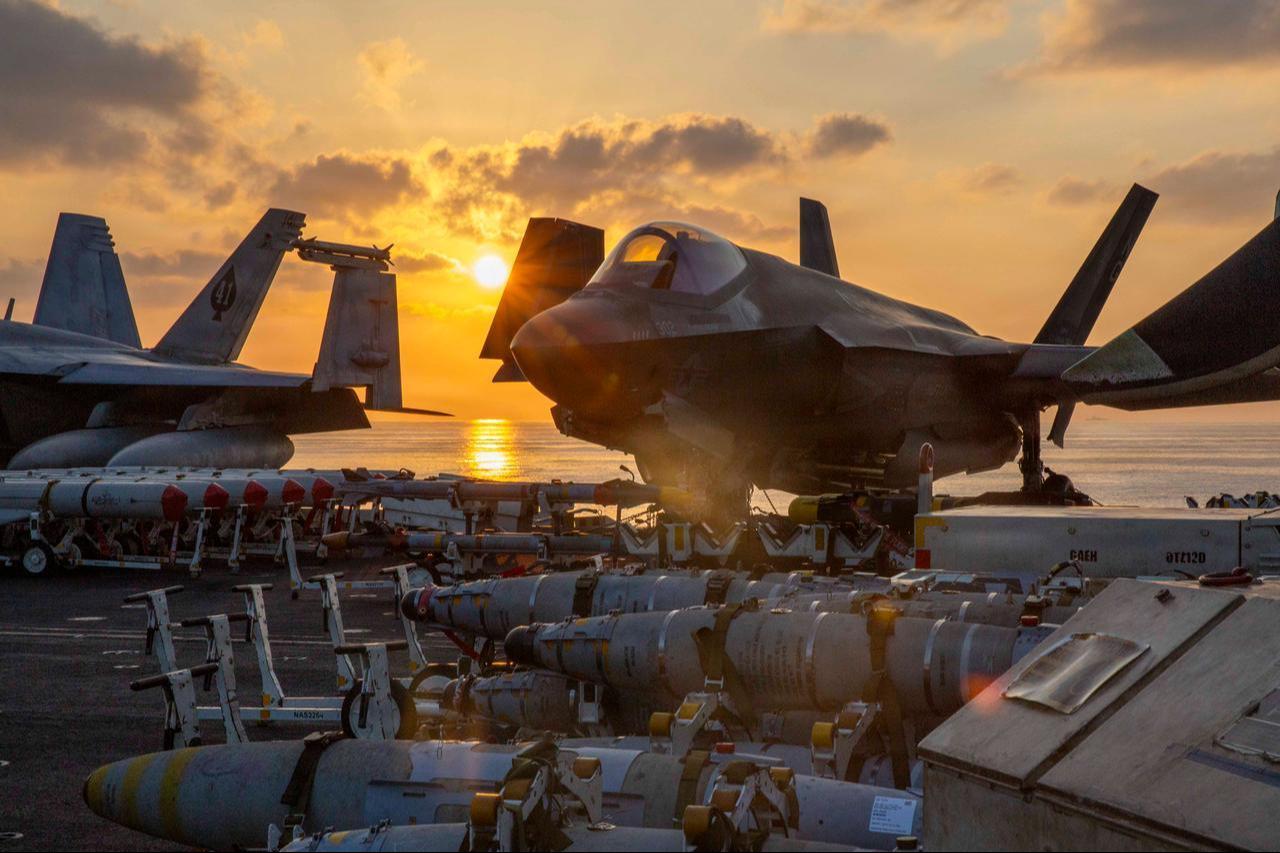
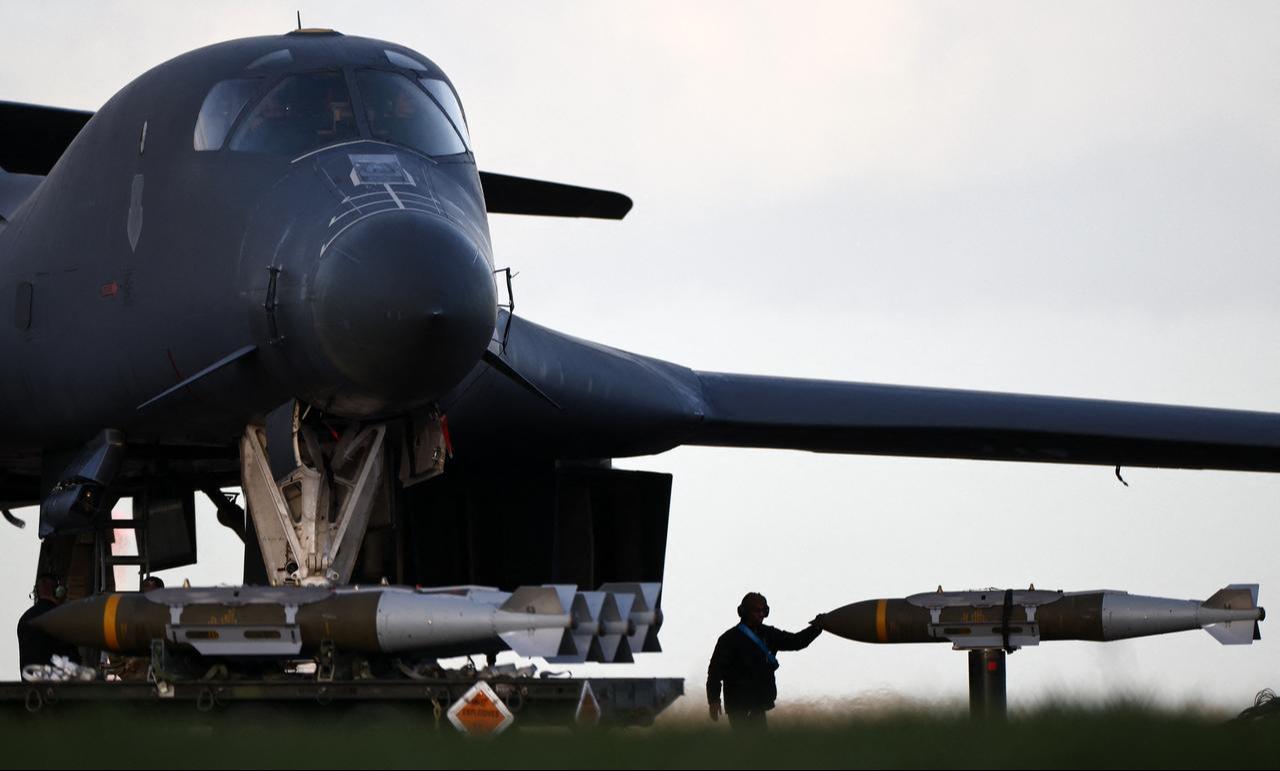
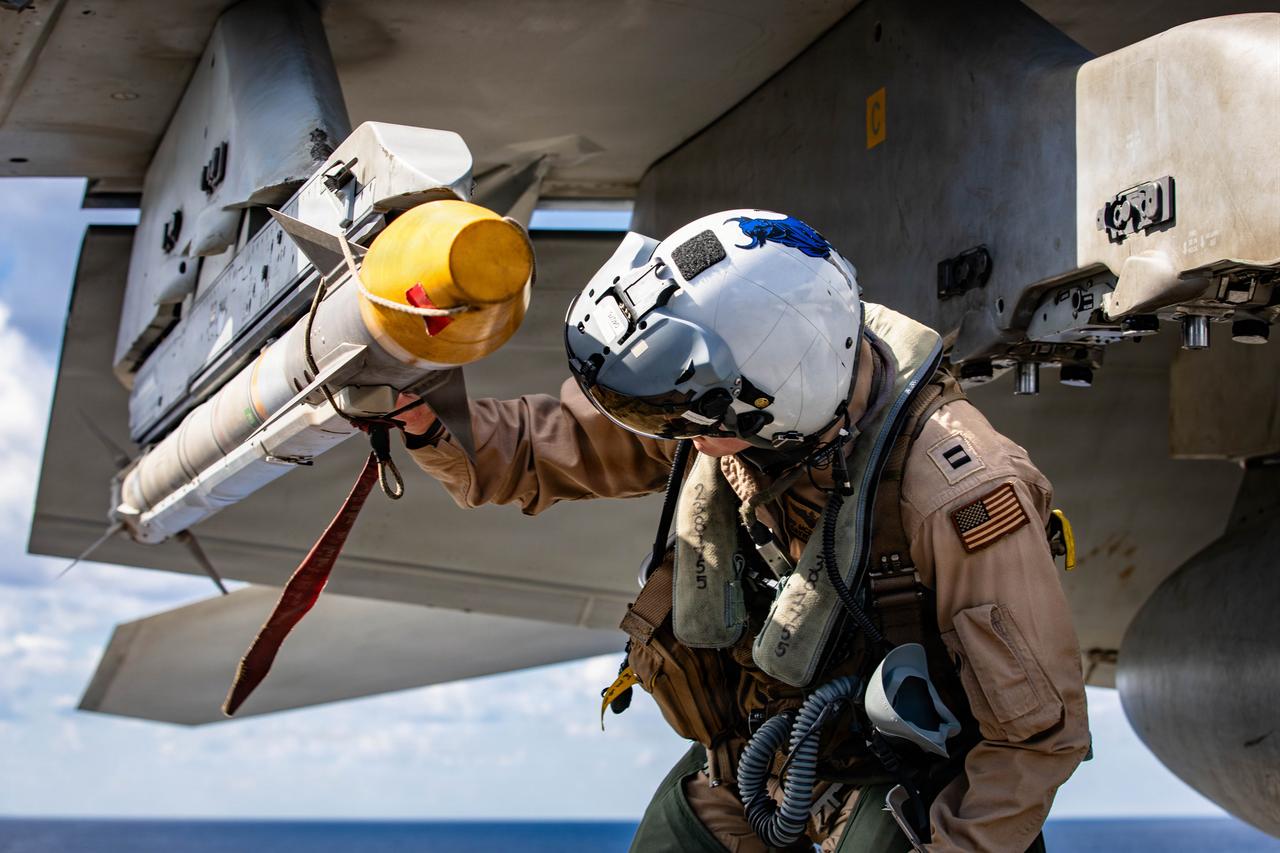
The first wave of bombardment used weapons including the AGM-154 glide bomb, which can cost from $578,000 to $836,000. The Navy bought 3,000 of those bombs nearly two decades ago.
Since then, the U.S. military has said it would switch to less expensive bombs, including the Joint Direct Attack Munition. The smallest warhead costs about $1,000, and the guidance kit costs about $38,000.
Some Republicans, including Sen. Mitch McConnell of Kentucky, the chairman of the subcommittee that funds the Pentagon, have pushed for more spending on munitions production across multiple administrations.
Other Republicans have resisted broader increases in military spending and questioned whether Congress should approve a costly supplemental package for a conflict they fear could become open-ended.
Democrats have also expressed doubts about backing an emergency funding measure until senior administration officials provide more detail on U.S. strategy, the war’s endgame, and how long the conflict could last. Democratic lawmakers have demanded public testimony under oath from administration officials on those issues.
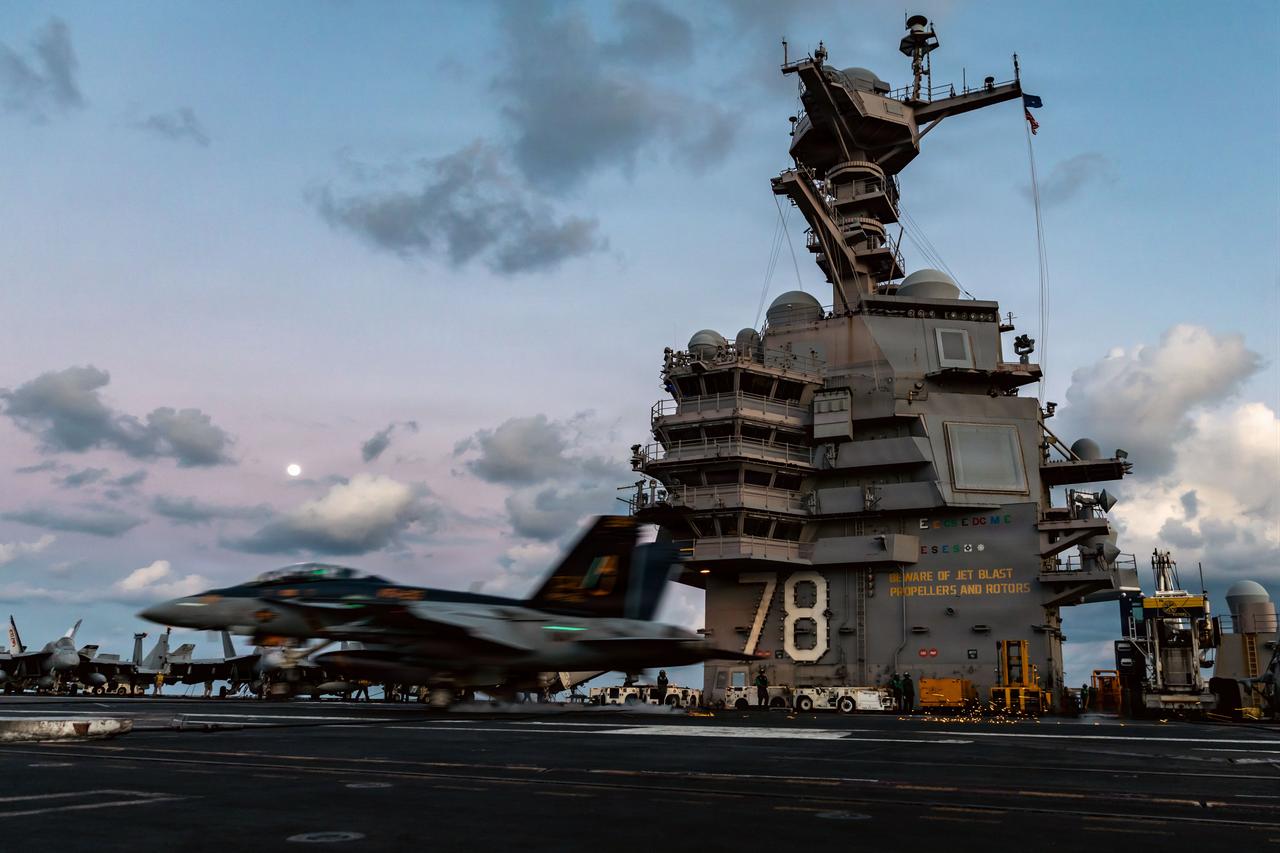
The campaign against Iran began Feb. 28 with U.S. and Israeli airstrikes. The conflict has since spread into Lebanon and killed around 2,000 people, mostly Iranians and Lebanese.
Airstrikes were shaking Beirut and Tehran, and oil prices surged past $100 a barrel as the conflict disrupted global energy markets and transport.
As Congress weighs possible emergency funding, the cost of the Iran war is emerging as a central issue in the debate over the scale, duration and objectives of the operation.


 Set as preferred source
 Set as preferred source


 1 min read