

 Newsletters


Iran expects the U.S. and Israel to resume the Iran war soon, possibly before Israel’s elections Tuesday, senior Iranian officials told Drop Site News, as a U.S. official said American military assets are moving into place.
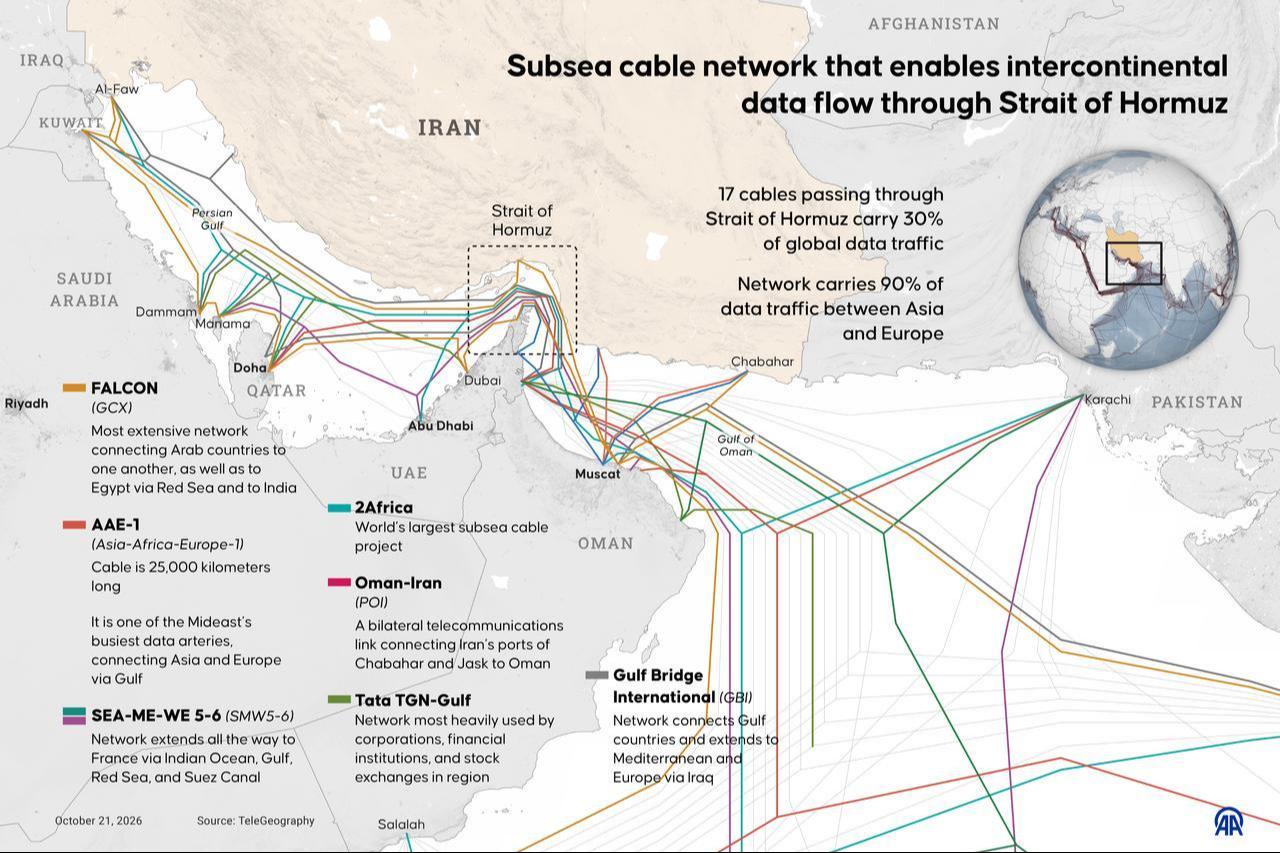
The White House denied any plan to strike before the Nov. 3 midterm elections, while Iran’s top security official warned that cables, data centers and artificial intelligence (AI) facilities could come within range.
"The United States has valuable assets in the region. In the event of war, cables, data centers and artificial intelligence facilities could also come within range," Gen. Mohsen Rezaei, secretary of Iran’s Supreme National Security Council and personal representative of Supreme Leader Mojtaba Khamenei said in a written interview with Drop Site.
"If the conflict begins again, we will have a broader plan," he noted.

A senior Iranian official told Drop Site that Tehran's internal intelligence assessment indicates a high likelihood that large-scale bombing may begin before Tuesday's, Oct. 27, Israeli elections.
"Trump has sat on Iran’s proposed package for ending the war, and negotiations have stalled," said the official, who is not authorized to speak publicly. "Contrary to the show he is putting on, Trump has no clear or actionable plan for ending the war with Iran. This has been the cause of a diplomatic deadlock."
The official warned Iran should not be underestimated, saying, "Should another war against Iran begin, given our knowledge of the patterns of American force deployment in the countries of the region, their casualty figures will be ten times higher."
Tehran believes Israel would fire the first shots, aimed at "destroying Iran’s newly deployed air defense systems, in order to open the path for American bombers," the official said.
The U.S. would likely focus on Iran’s southern defense systems along the Strait of Hormuz and might try to seize one of the islands off the Iranian mainland after heavy bombing, he said. Iran believes Trump may seek a "token" attack on an underground nuclear site, such as Pickaxe Mountain, and portray it as a definitive blow, the official added.
"Trump is flat-out lying about Iran’s nuclear program," the official said.
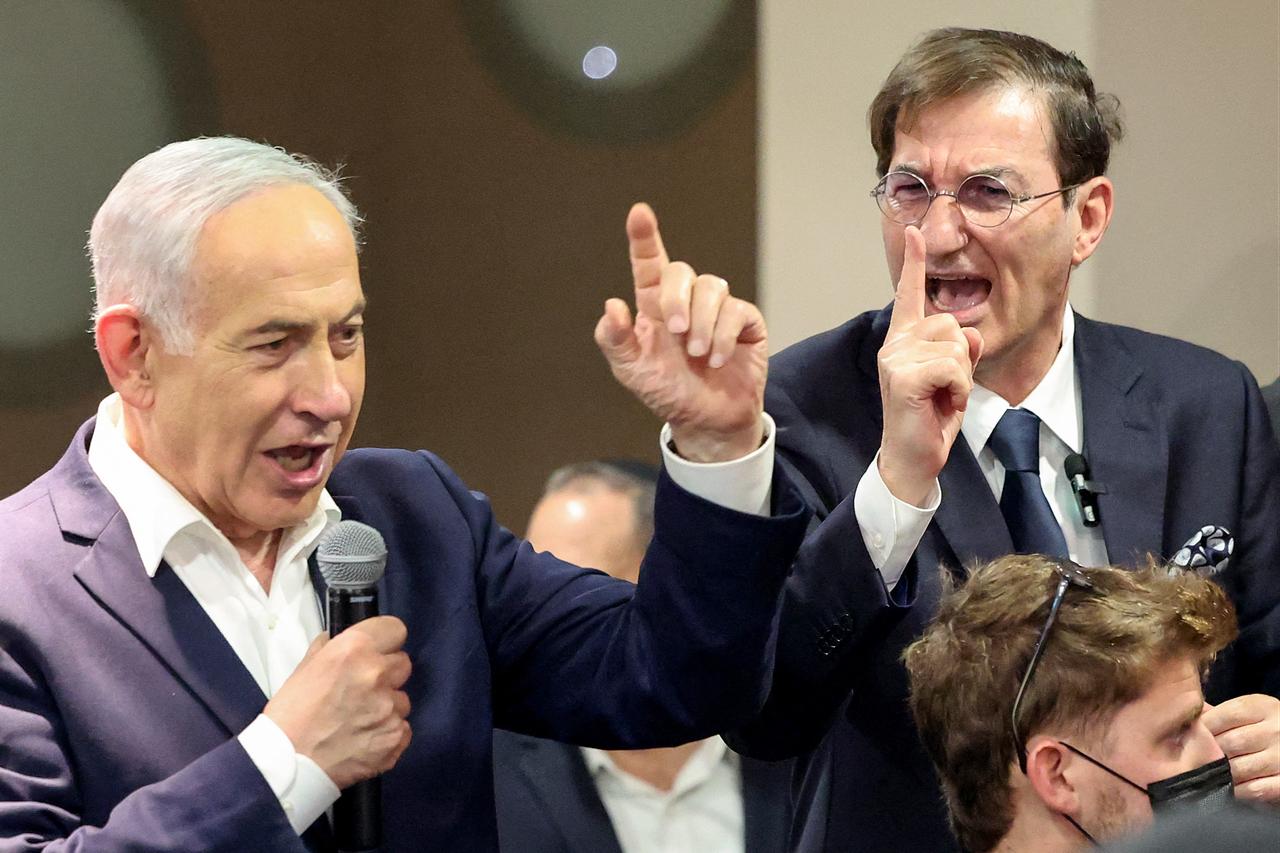
"The United States will not be attacking Iran at any time prior to the midterm elections," White House Principal Deputy Press Secretary Anna Kelly said in a statement to Drop Site.
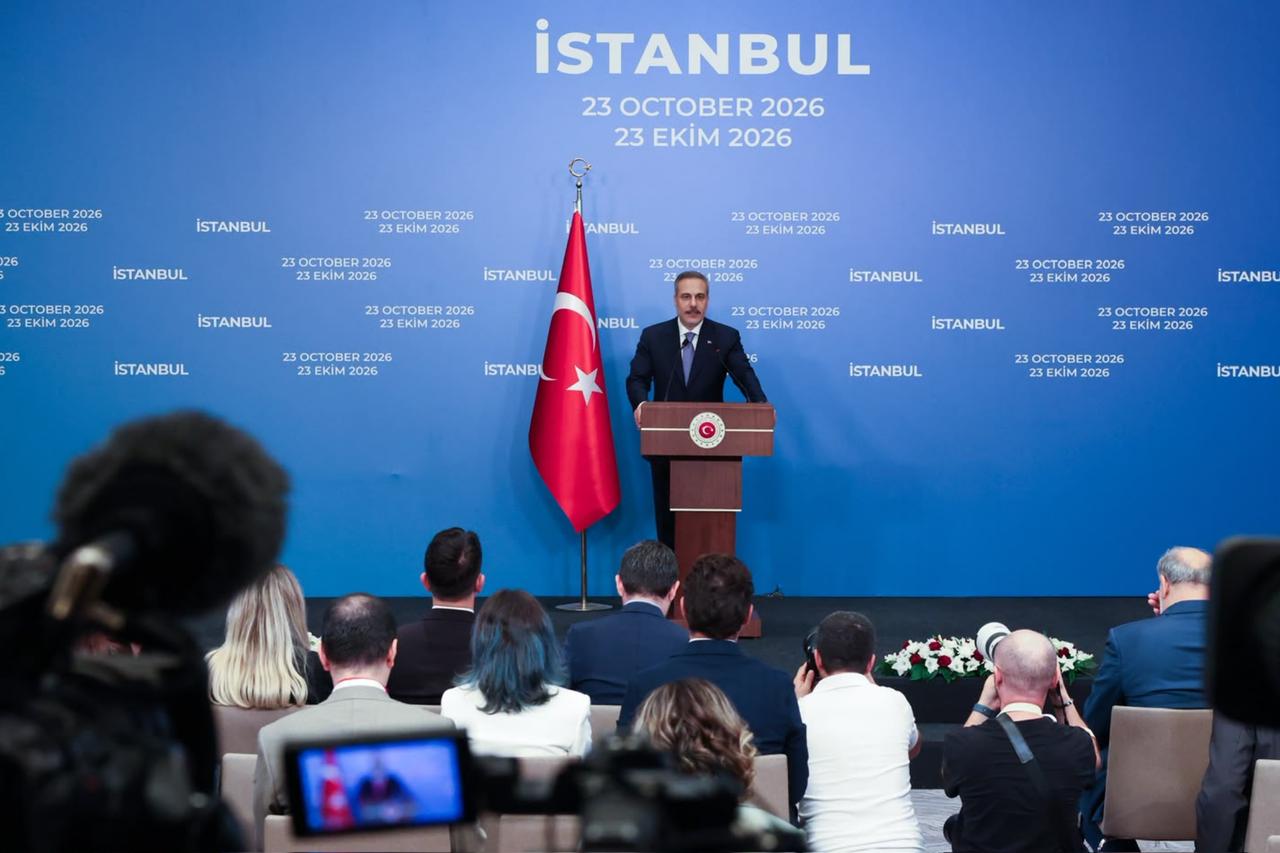
U.S. Ambassador to Türkiye Tom Barrack, who also serves as U.S. special presidential envoy for Syria and Iraq, suggested otherwise in an interview with Mario Nawfal, whose clips circulated online Friday.
"Could there be a strike this weekend? Absolutely," Barrack said.
Asked by reporters about Barrack’s remarks, Trump appeared surprised. "That was my ambassador?" Trump asked. "He’s a pretty powerful man, I guess. Well, if that’s the case, I don’t know anything about it."
Barrack said the goal was not regime change.
"The consequence won’t be regime change. The president is interested in rebalancing so that there’s no hostages, no threats, and the world can calm down," he said.
Trump is "open and available and accessible to a deal, but he’s also been very clear about what he wants," Barrack added.
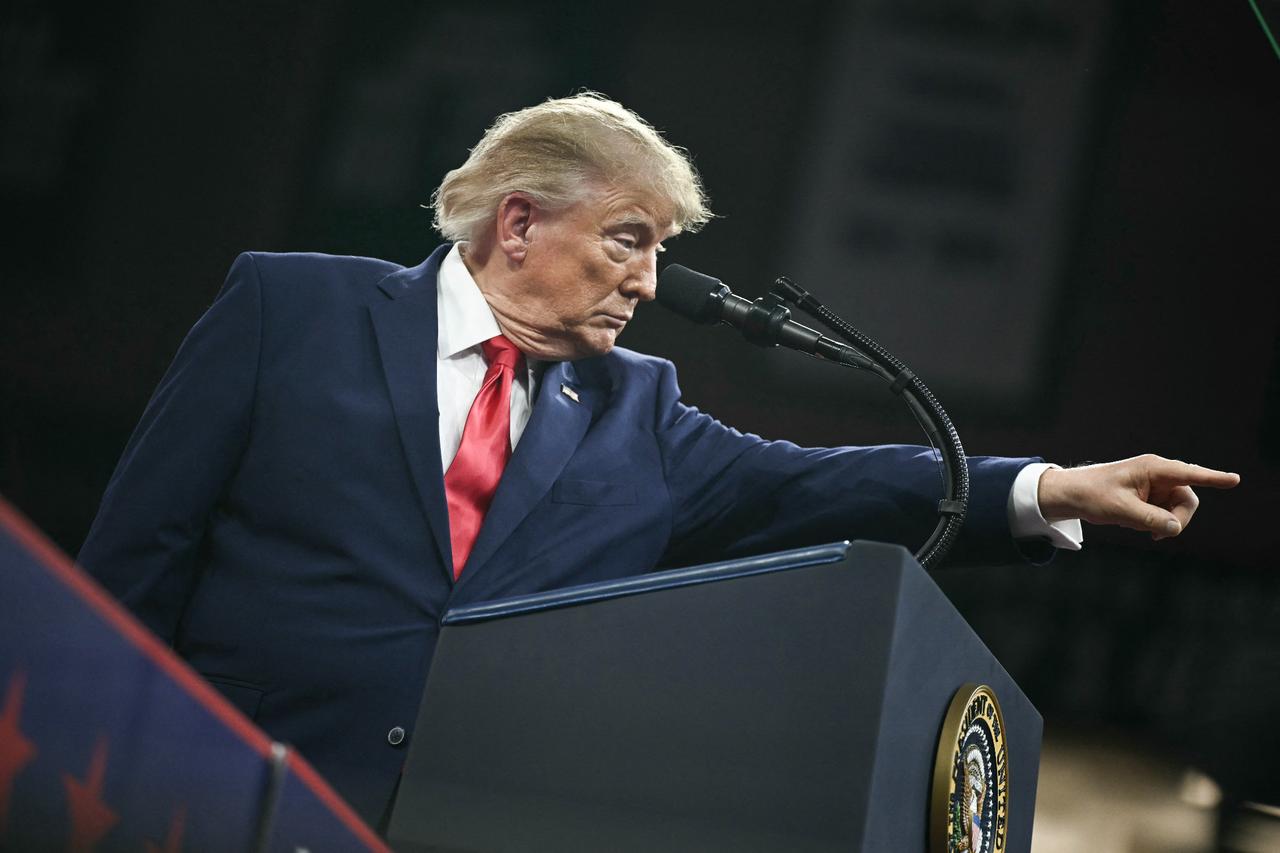
At a rally in Florida on Friday, Trump said, "We obliterated Iran’s nuclear enrichment capacity with Operation Midnight Hammer."
"You remember that late at night, one of them, and then did the rest with Operation Epic Fury, which it was," he added.
"We may do another little Epic Fury, or they’ll agree," Trump said, noting, "If they’re smart, they’ll just say, ‘Let’s get down to business,’" he added, saying he doubted Iran would take that approach.
The Iran war that began in late February has yet to be settled despite a ceasefire and a memorandum of understanding to finalize a peace deal.
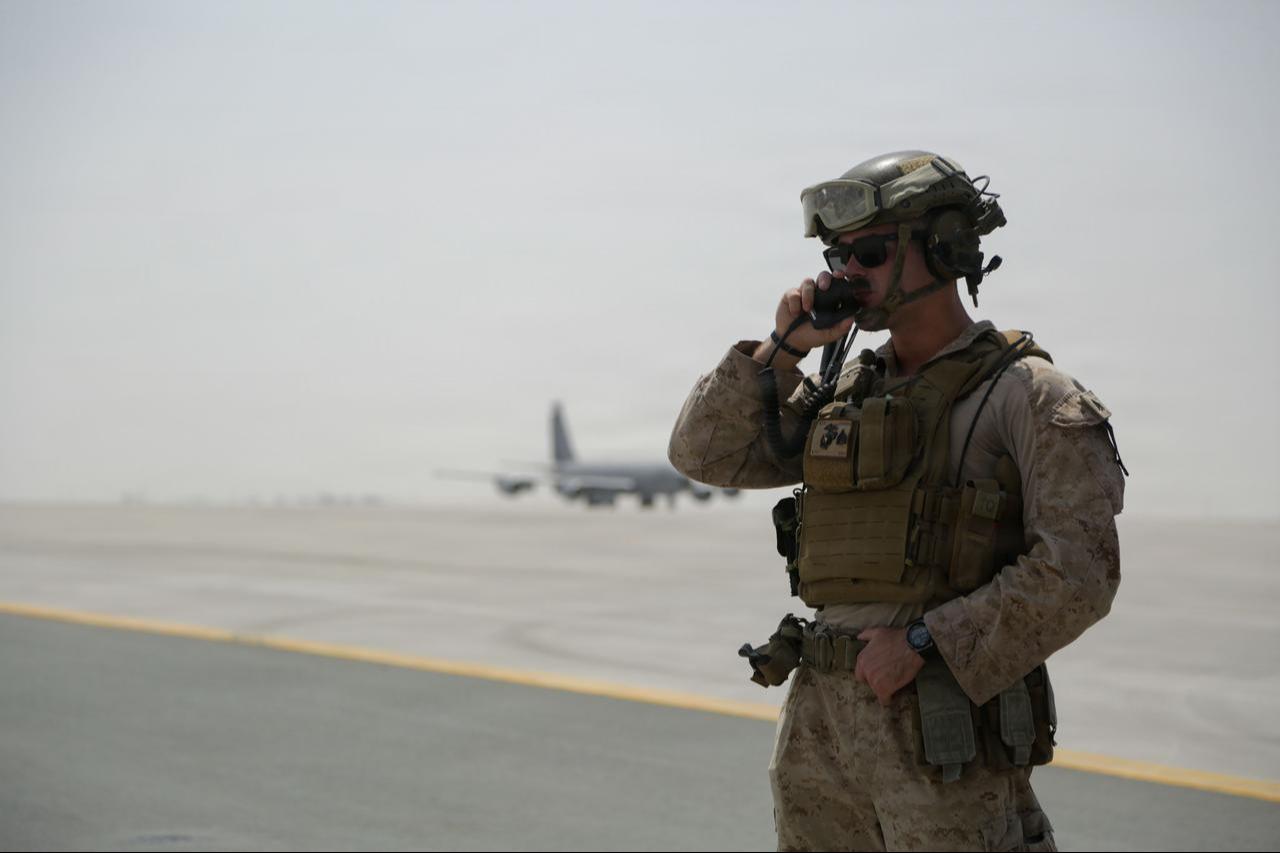
A U.S. official confirmed to Drop Site that military assets are moving rapidly into place ahead of an expected green light from Trump. U.S. Central Command (CENTCOM) chief Gen. Bradley Cooper is among those pushing for renewed attacks, the official said.
"CENTCOM is putting all the pieces into place to renew major combat operations," said the official, who is not authorized to discuss war plans. He was skeptical the war would resume before the Israeli elections but conceded, "We did start Epic Fury without all our assets in place."
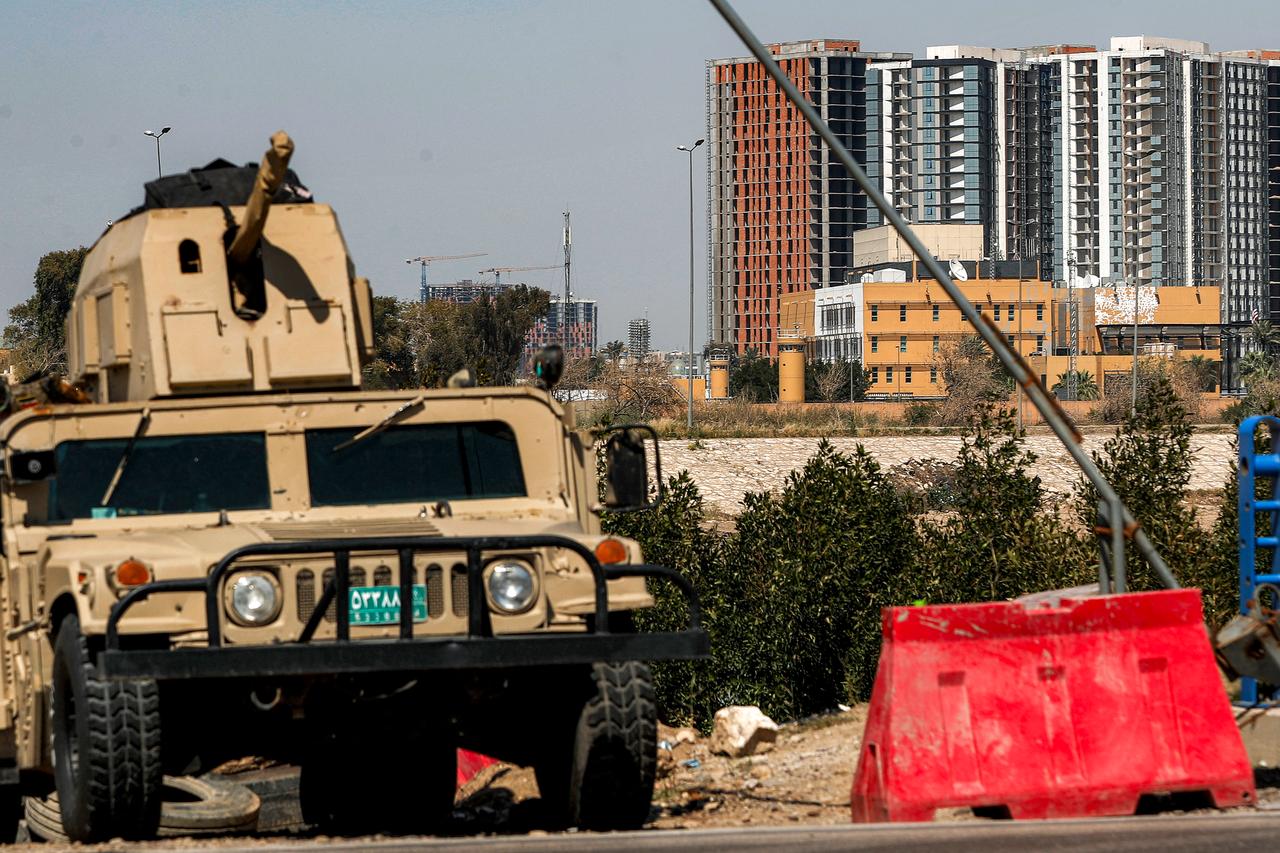
The USS Theodore Roosevelt carrier and the 13th Marine Expeditionary Unit are heading to the region with about 10,000 additional sailors and Marines. The Roosevelt left Japan on Monday and could arrive by the end of next week, joining the USS George H.W. Bush and USS George Washington in the Arabian Sea.
The official also said Trump has repeatedly pulled back. "Trump has backed off major combat operations against Iran or the Houthis seven times since July," he said, adding, "At the last minute, he calls it off."
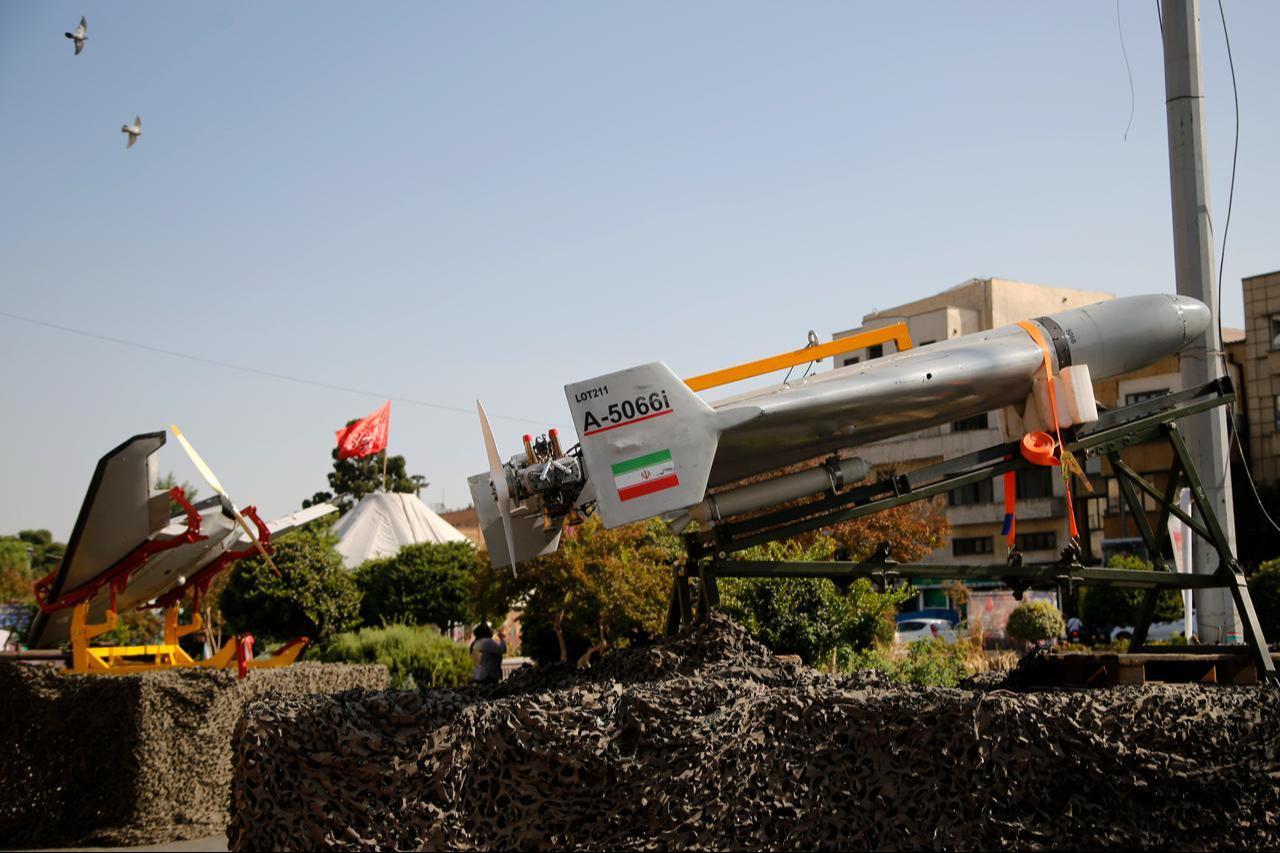
"If the question is whether Iran still has the ability to continue missile and drone operations, the answer is yes," Rezaei said, adding, "One of the assumptions behind the campaign against Iran was that sustained attacks would eventually wear down our ability to respond. That assumption has not been borne out."
Rezaei said Iran built redundancy through "dispersed production, underground facilities, different launch systems, and the ability to repair damage and replace losses."
"Deterrence is not a competition over the number of launches," he said.
"Everyone must understand that action against Iran carries a cost. If diplomacy can bring about that understanding, we prefer diplomacy. But if the war continues, Iran has the tools it needs to keep responding," the Iranian official added.
On the Islamic Revolutionary Guard Corps' (IRGC) warning of new capabilities, Rezaei said, "We did not deploy all our capabilities in the previous stages."
Asked how Iran can claim control of the Strait of Hormuz if oil flows have returned to prewar levels, Rezaei accused Trump of "working with a number of these smugglers in the rocky, coastal waters of Oman."
"Over the past two or three months, we have struck an average of five vessels belonging to these smugglers every night," he said, noting, "If this is what an open Strait of Hormuz looks like, smuggling and piracy exist everywhere in the world as well."
Responding to Saudi objections, Rezaei said, "The management of Hormuz is a national asset for us, and this is not simply about collecting tolls. The main issue is security."
He said the June memorandum of understanding (MoU) between the U.S. and Iran failed "because the commitments were implemented in the wrong order."
"We have presented seven new conditions through intermediaries. Until those conditions are fulfilled, Iran will neither reopen the strait nor return to negotiations," Rezaei said.
He said Iran reached an understanding with Oman on a new maritime corridor, much of it through Iranian-controlled waters, that would operate only after the U.S. meets Iran’s conditions. "We are no longer interested in agreements whose only guarantee is political goodwill," he said.
On talks with Gulf Cooperation Council (GCC) states, Rezaei said, "Our position is that security in the Persian Gulf cannot be outsourced forever." He acknowledged "the level of mistrust that exists" and said some GCC countries are more ready than others for new arrangements.
"Iran does not have a policy of attacking civilian energy infrastructure to harm the regional economy," Rezaei said. But if such infrastructure is used directly to sustain the war against Iran, "the nature of that infrastructure changes in our strategic calculations."
Neighboring governments "should not assume they can participate in economic warfare against Iran without putting themselves at risk," he said, calling for an arrangement in which energy facilities and shipping routes "are mutually kept out of the war."
Asked about statements within the Trump administration, including from Vice President JD Vance and Secretary of State Marco Rubio, that the war could last until 2029, Rezaei said Iran "will suffer from a prolonged blockade."
"But economic pain and strategic collapse are not the same thing," he said, adding, "Our goal is not to make it to 2029. Our goal is to end the war on terms that reduce the likelihood of another war."


 Set as preferred source
 Set as preferred source


 2 min read
 1 min read


