Newsletters


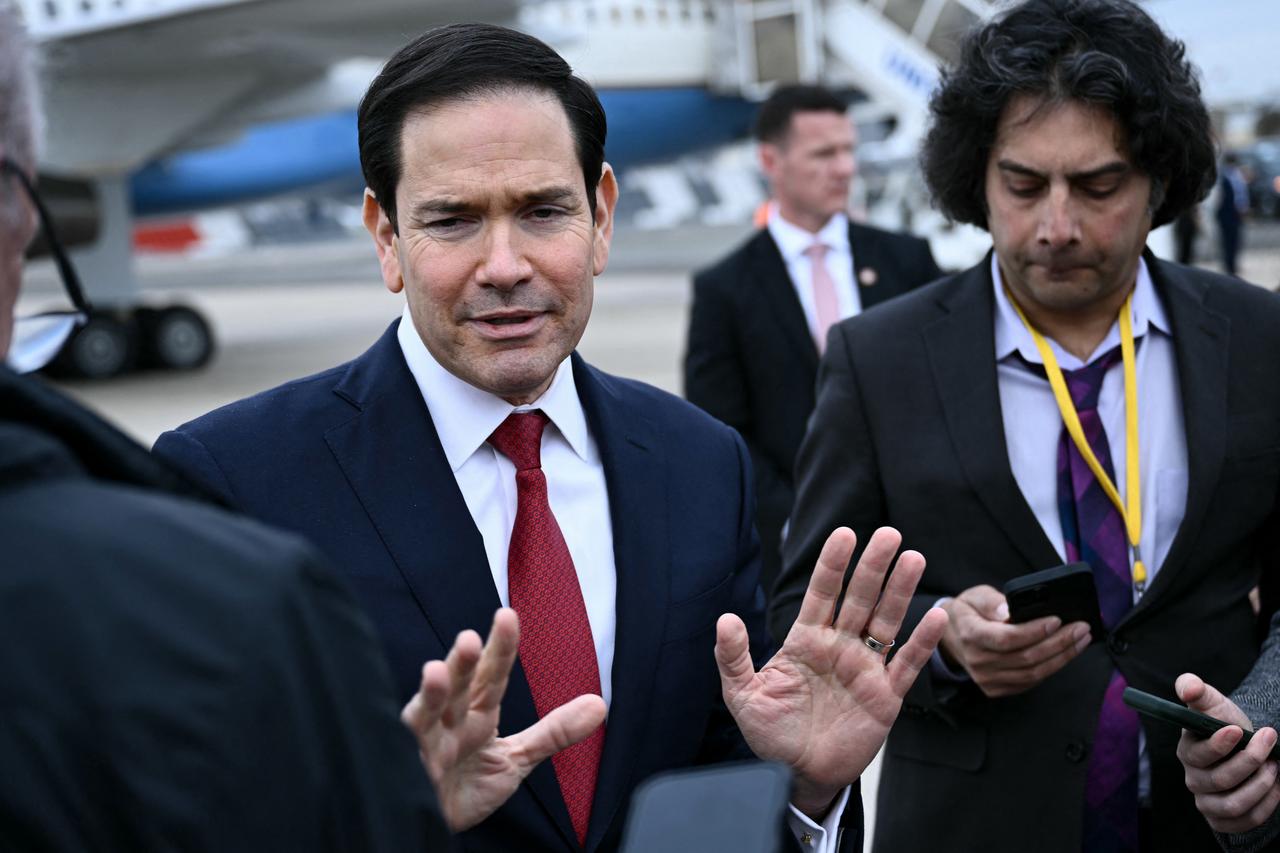


U.S. Secretary of State Marco Rubio said on Friday that the ongoing operation against Iran is expected to last weeks rather than months, while also urging countries dependent on the Strait of Hormuz to take responsibility for keeping the route open.
Speaking as he attended the G7 Foreign Ministers’ Meeting in France, Rubio provided a timeframe for the operation, saying it would "conclude at the appropriate time, we are talking weeks, not months."
Rubio said the U.S. was close to achieving its stated objectives, which include weakening Iran’s missile and drone capabilities as well as limiting its ability to produce such systems.
He added that operations targeting Iran’s naval and air assets were also advancing as planned, with most goals already met or nearing completion.
"We are ahead of schedule on most of them, and we can achieve them without any ground troops," Rubio said.
Despite the recent deployment of additional U.S. forces to the region, he indicated these moves were intended to provide flexibility rather than signal an expansion of the conflict. The deployments, he said, were designed to ensure the United States can respond to different scenarios if needed.
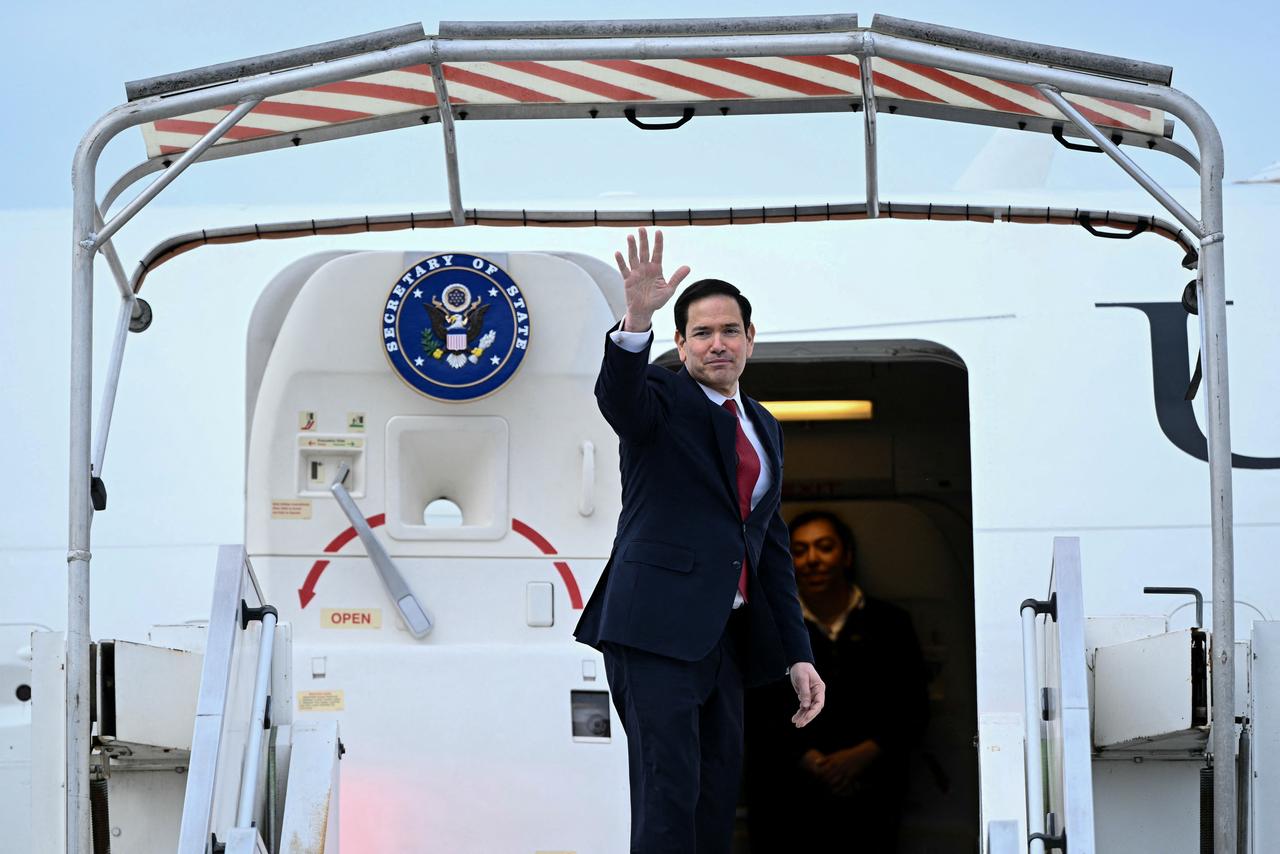
Rubio also pointed to potential risks following the operation, particularly involving the Strait of Hormuz, a vital corridor for global energy shipments.
He warned that Iran could attempt to introduce a toll system for ships passing through the strait, describing such a move as unlawful and a threat to global trade.
"It’s dangerous for the world, and it’s important that the world have a plan to confront it," he said.
Rubio urged countries that benefit from the route—especially in Europe and Asia—to take a more active role in maintaining secure and uninterrupted access.


 Set as preferred source
 Set as preferred source


 1 min read
 1 min read