Newsletters




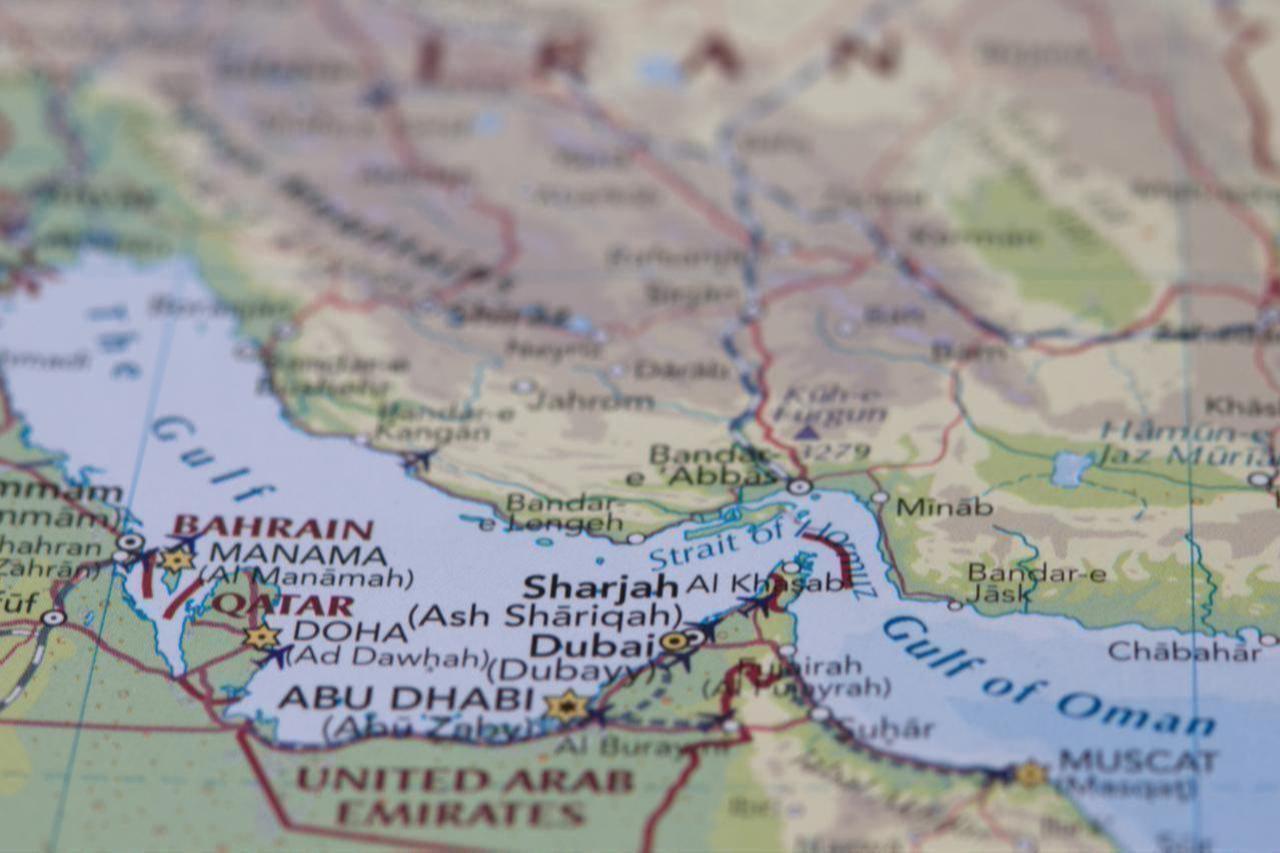
G7 foreign ministers on Friday urged Iran to immediately reopen the Strait of Hormuz and restore unrestricted maritime traffic, as disruptions in the key shipping route continue to affect global energy markets.
Meeting in France, the ministers issued a joint statement stressing the need for "safe and toll-free freedom of navigation" through the strategic waterway, which handles a significant share of global oil shipments.
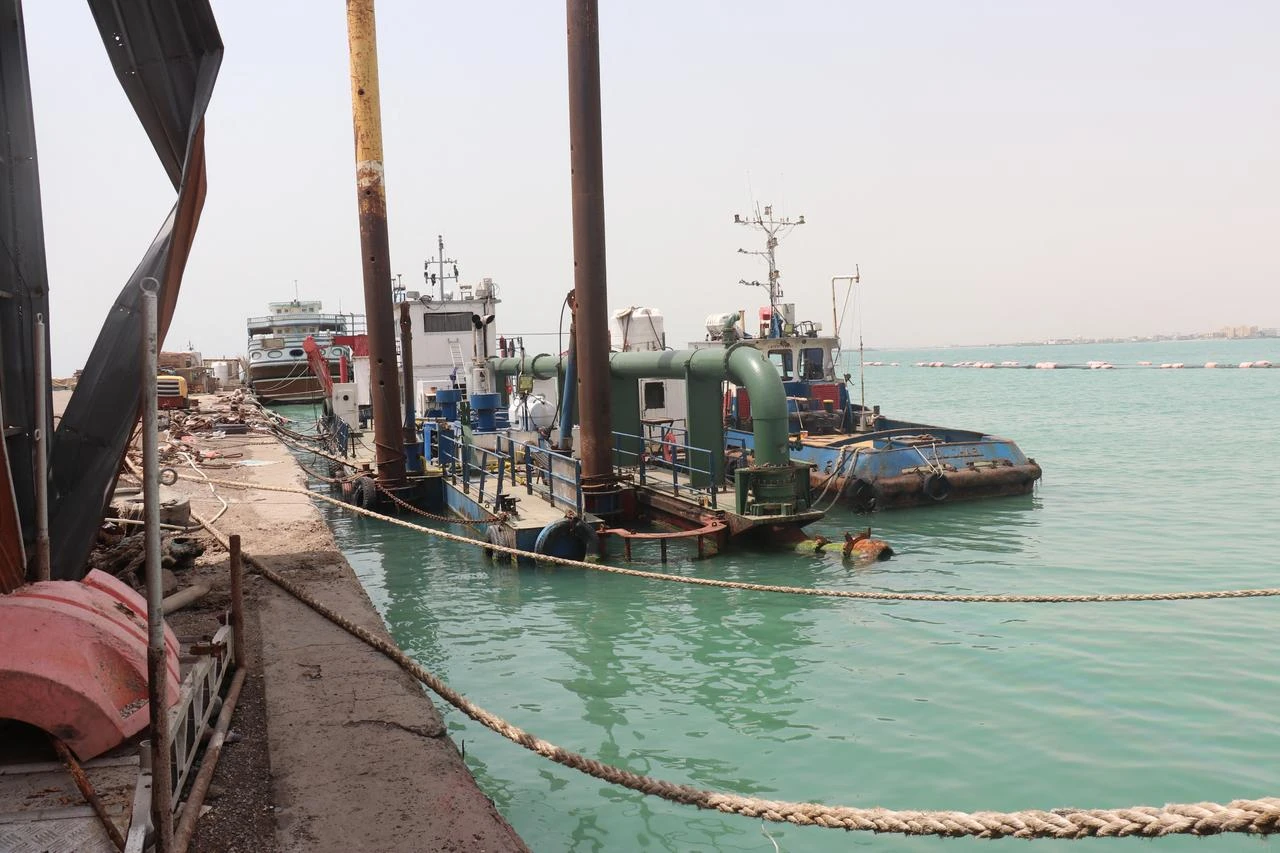
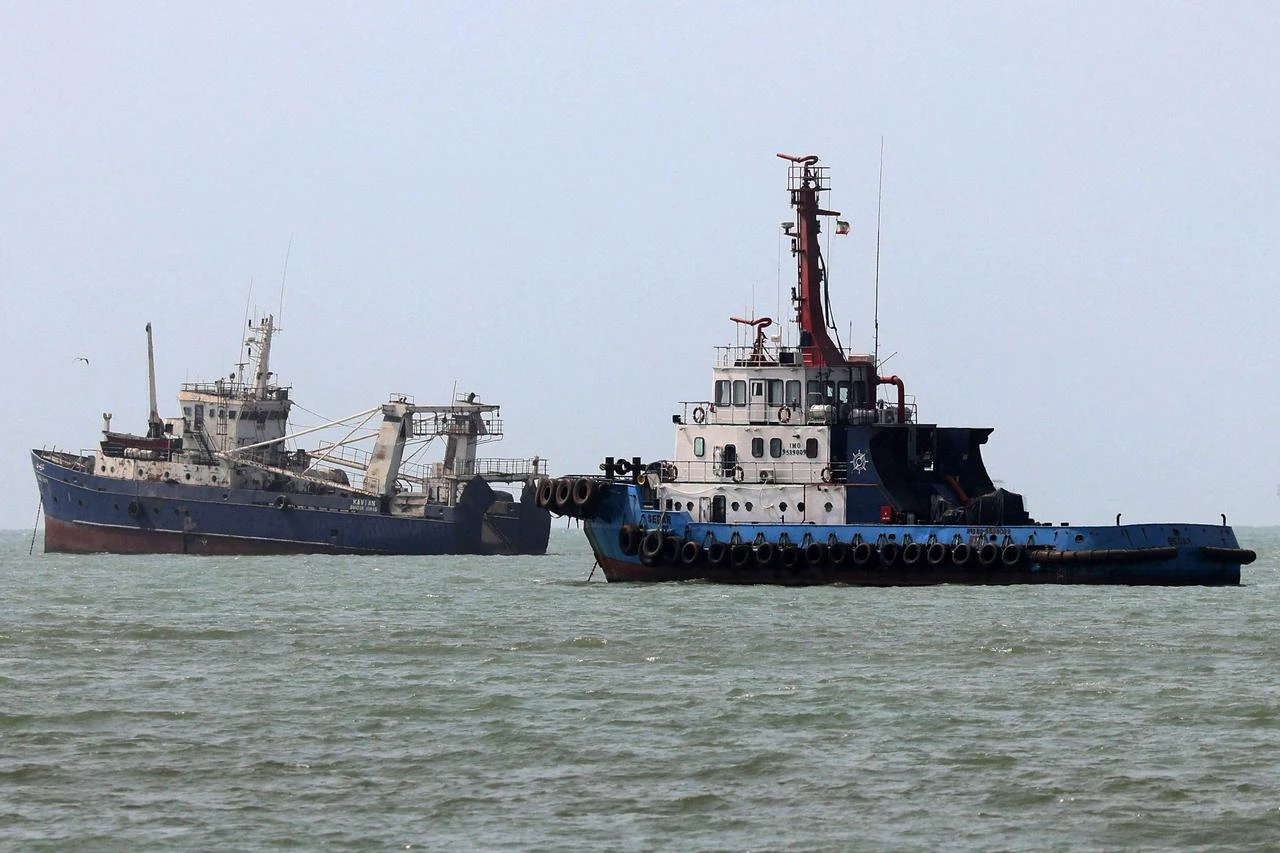
The Strait of Hormuz has become a focal point of the crisis, with Iran’s actions effectively limiting access to one of the world’s most critical energy corridors. The disruption has contributed to rising oil prices and broader strain on global supply chains, including energy, fertilizer and commercial goods.
Earlier reports suggested that Iran allows passage through the waterway for vessels from non-hostile countries, while Iranian media also indicated plans to introduce legislation to formalize a toll system.

G7 countries said they are working to limit the economic fallout and coordinate responses to protect their domestic markets from further shocks.
Alongside calls on maritime access, the G7 pressed for an end to attacks targeting civilians and infrastructure in the ongoing conflict.
The ministers said there was no justification for deliberately striking civilian areas or diplomatic facilities, highlighting growing humanitarian concerns as the war continues.
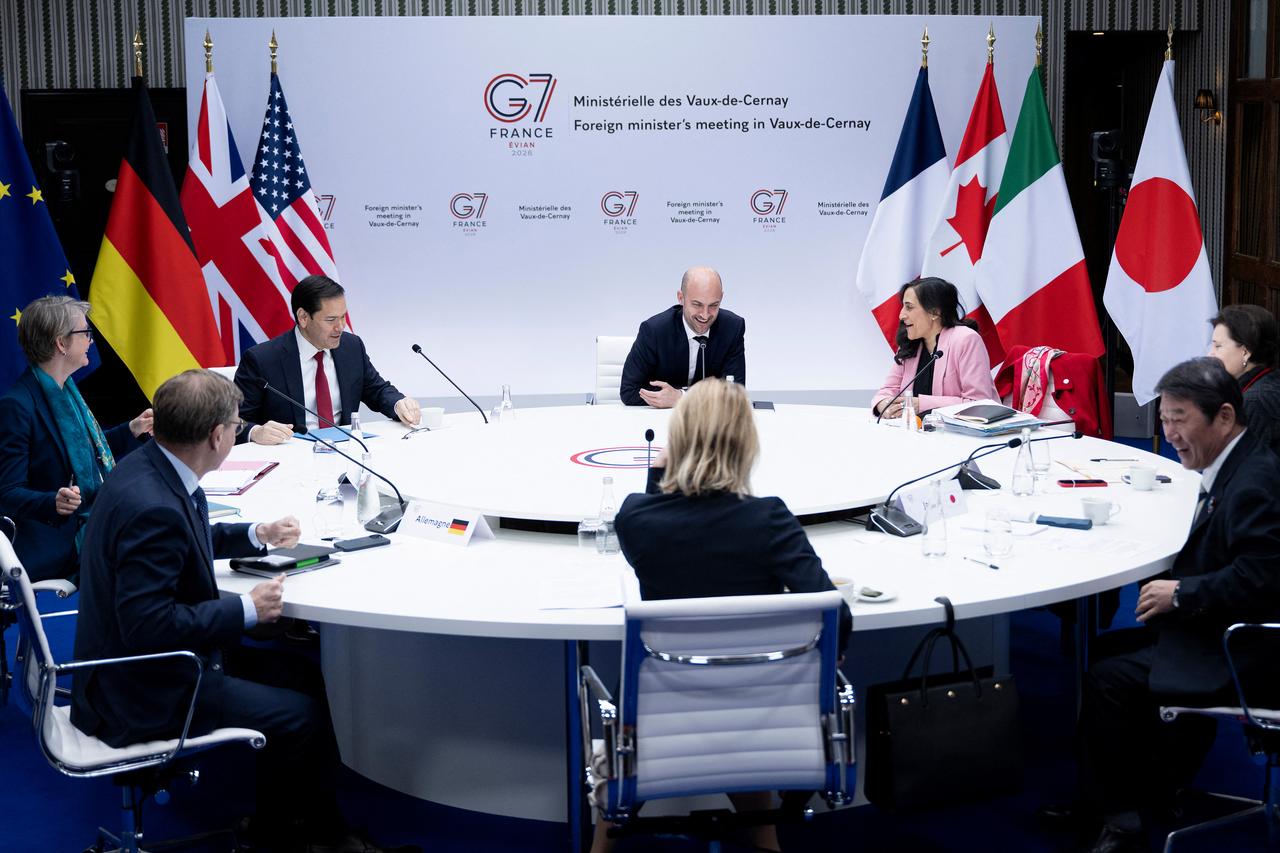
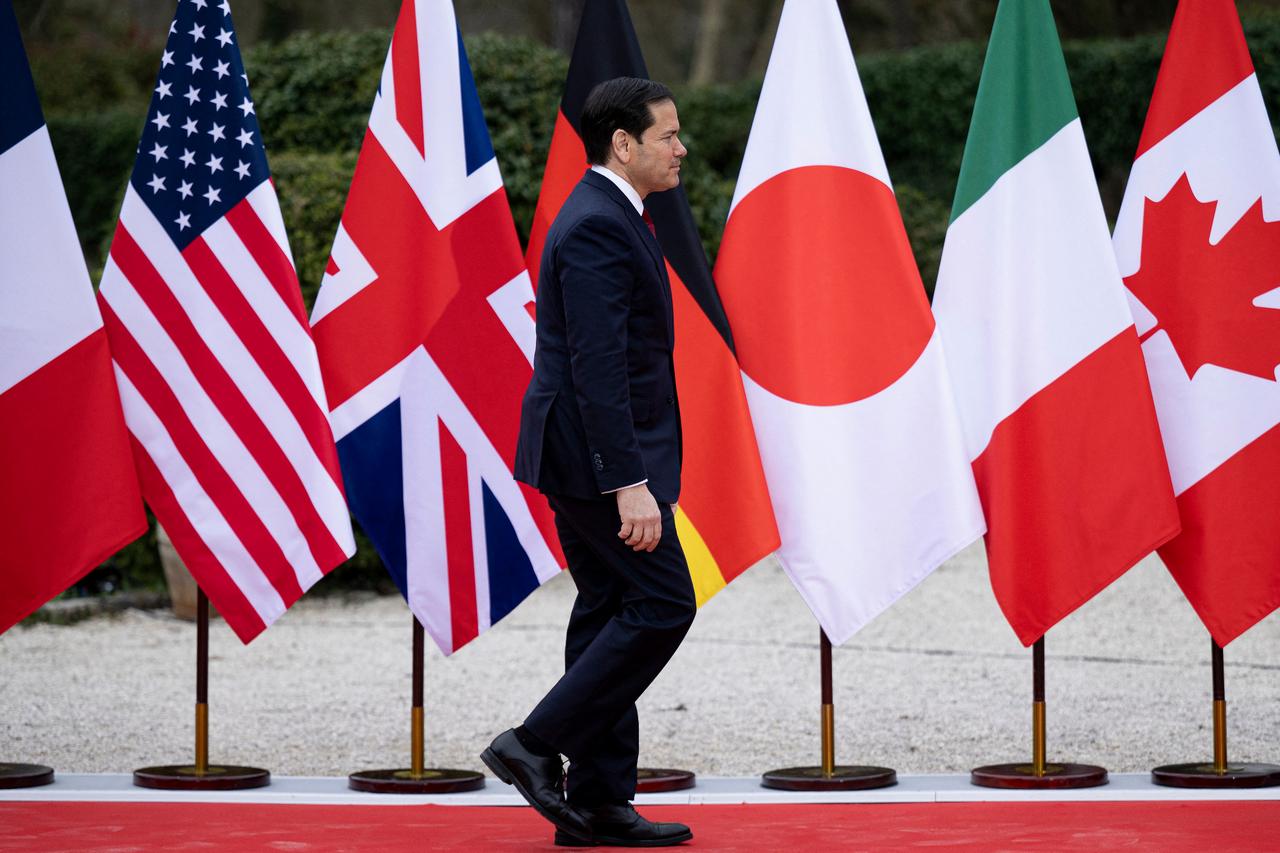
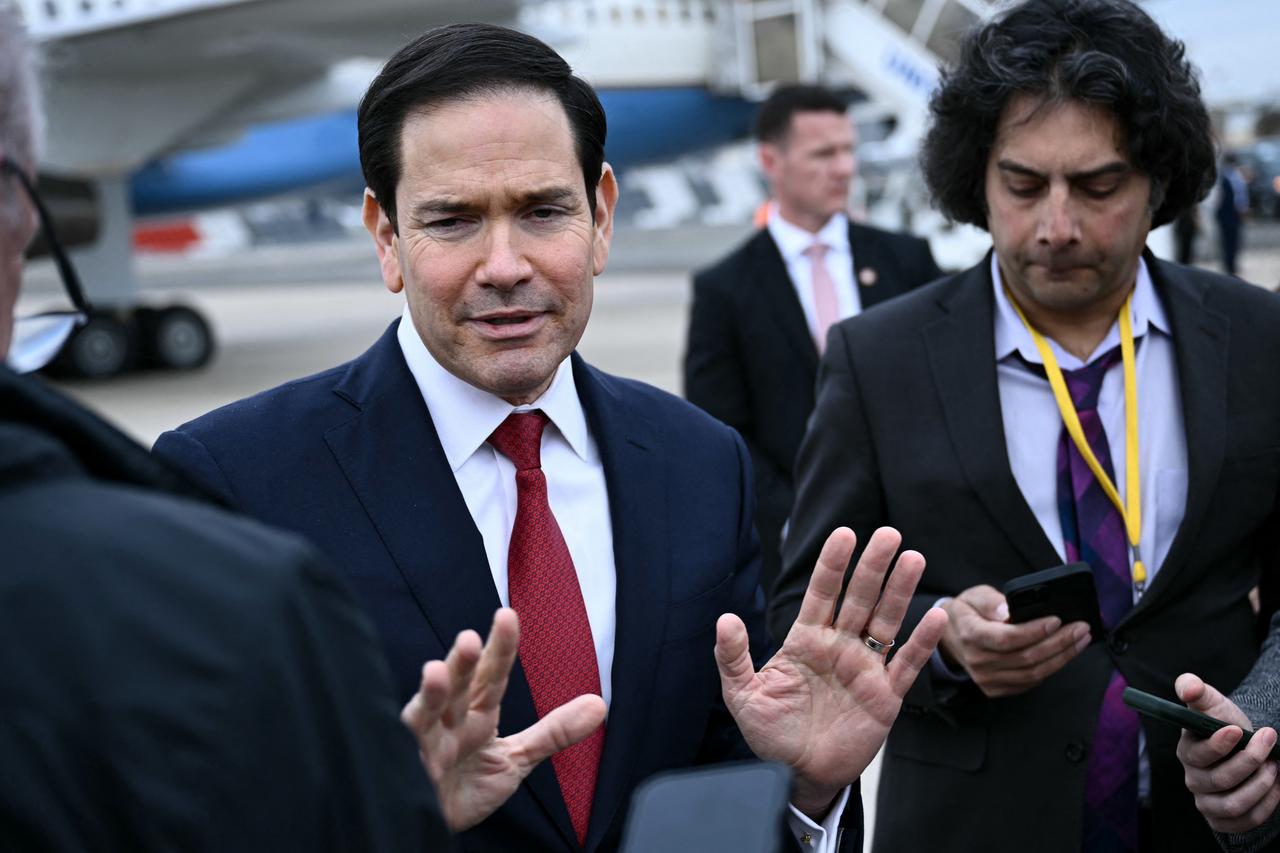
The meeting also reflected unease among U.S. allies over Washington’s strategy in the conflict. Secretary of State Marco Rubio attended talks as partners pushed for clearer guidance on U.S. policy nearly a month after hostilities escalated.
Rubio said reopening the Strait of Hormuz aligned with the interests of all G7 members, framing ongoing actions as part of a broader effort to safeguard global stability.
European officials warned that the Middle East escalation risks overlapping with other global conflicts, particularly Russia’s war in Ukraine. German Foreign Minister Johann Wadephul said closer coordination between Iran and Russia required a unified response from Western allies, cautioning against shifting attention away from Ukraine.
Although the ministers agreed on key points, the meeting did not conclude with a traditional joint communique, signaling underlying differences between the United States and its partners.
France, holding the G7 presidency, instead released a statement summarizing the discussions.
The talks also included outreach to non-G7 countries such as Brazil, India, Saudi Arabia and South Korea, as part of broader diplomatic engagement ahead of a leaders’ summit scheduled for June.


 Set as preferred source
 Set as preferred source


 1 min read
 1 min read