Newsletters


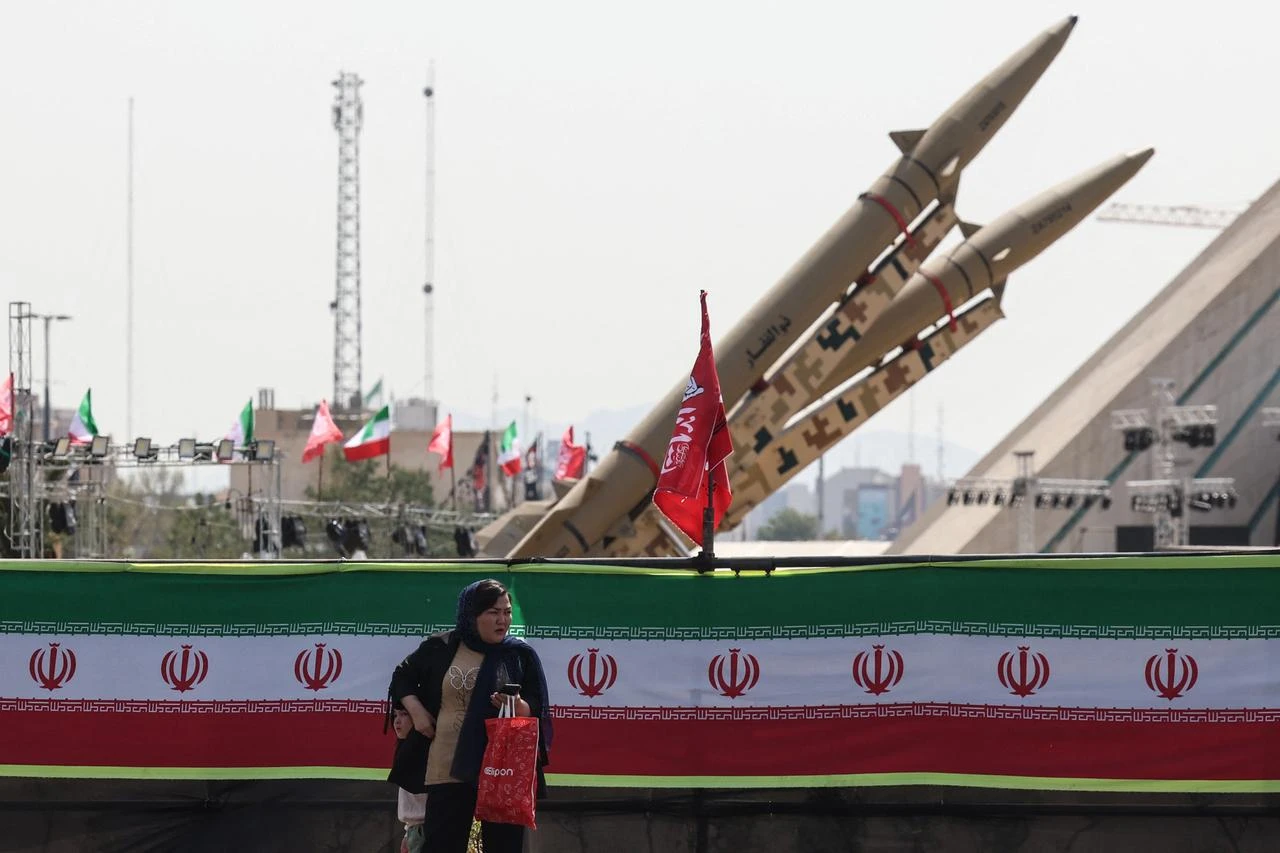


Iran's army warned Sunday that the war in the Middle East could widen if the United States presses ahead with attacks on Iran, ahead of Israeli Prime Minister Benjamin Netanyahu's visit to Washington.
"I believe that if the Americans once again fall for the Zionists' deception, or move in line with them, and insist on continuing the war, particularly through airstrikes, geographically this will expand further," army spokesman Mohammad Akraminia told state television.
He said the war had already expanded to the Bab al-Mandab Strait at the entrance of the Red Sea, referencing the recent military flare-up between Yemen's Iran-backed Houthi rebels and Saudi Arabia.
"The scope of our operations now encompasses the entire region, from US bases in Jordan to the countries along the Persian Gulf," he said.
Akraminia said the situation in the Middle East for the United States is "difficult and unsettled," predicting that Washington was now looking "for a new strategy."
"We are prepared for each of the options and scenarios that appear likely," he added.
Iran said Saturday that it had not recorded any U.S. attacks after nearly two weeks of strikes.
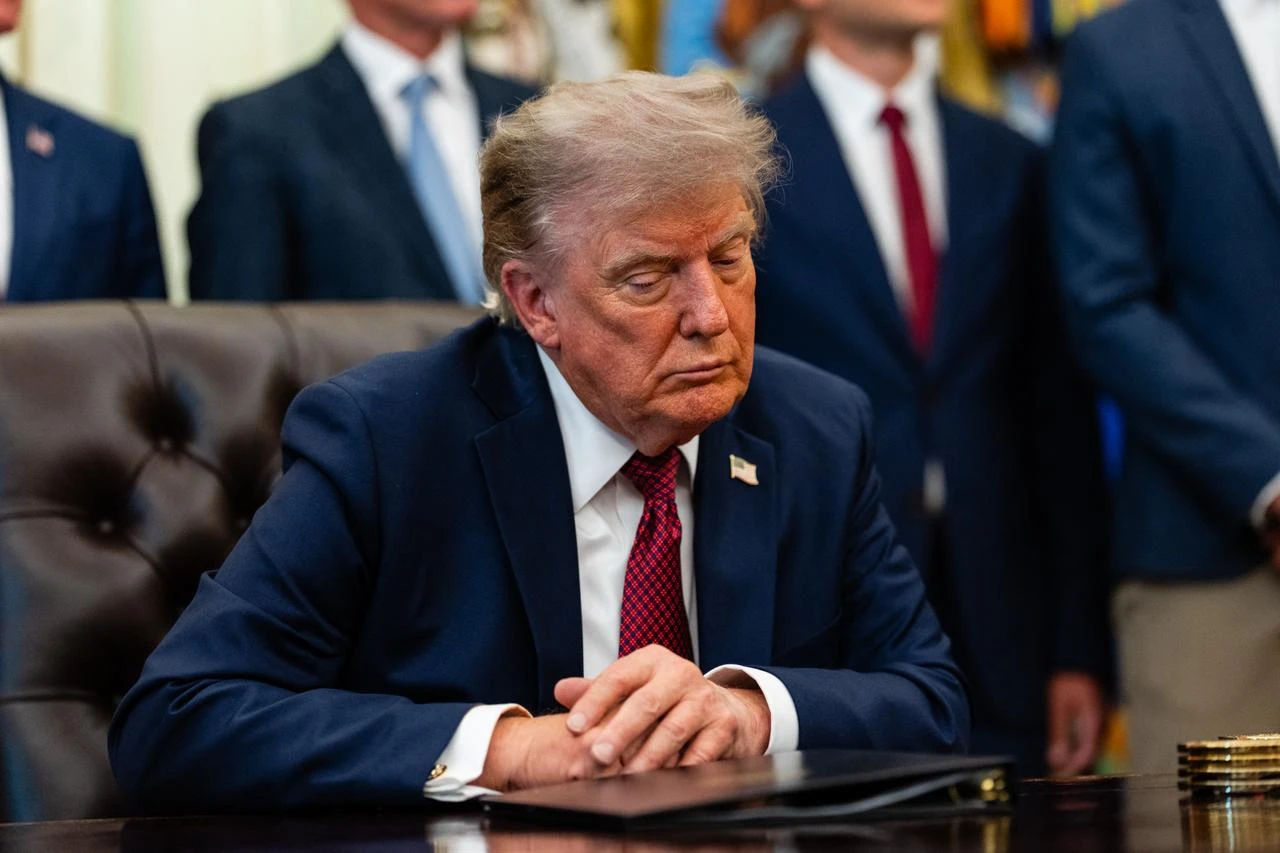
Axios reported that the Pentagon had presented U.S. President Donald Trump with a plan for a 14th consecutive night of strikes, but he declined to authorize it in favor of renewed talks.
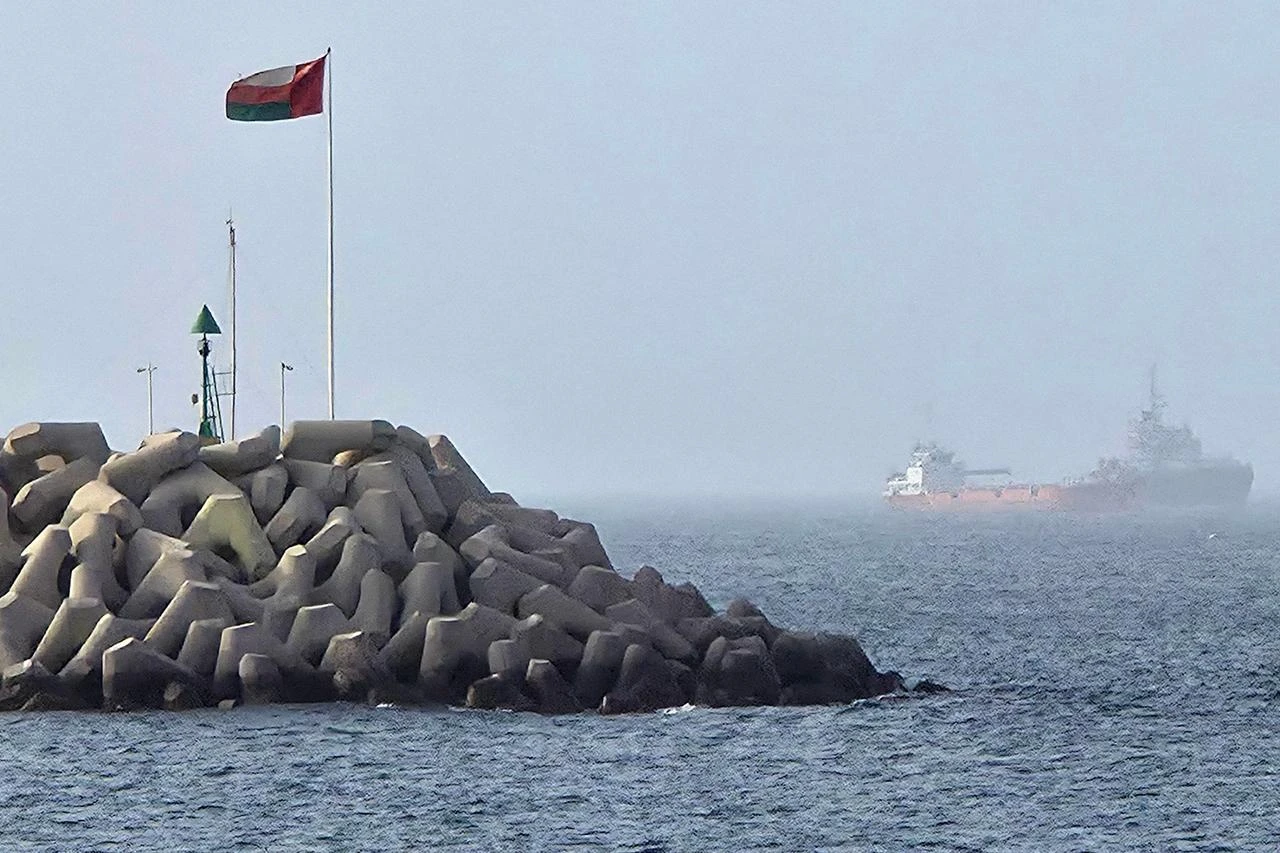
The report said Trump ordered a pause after an Omani delegation arrived in Tehran "for talks on a new arrangement to reopen the Strait of Hormuz."
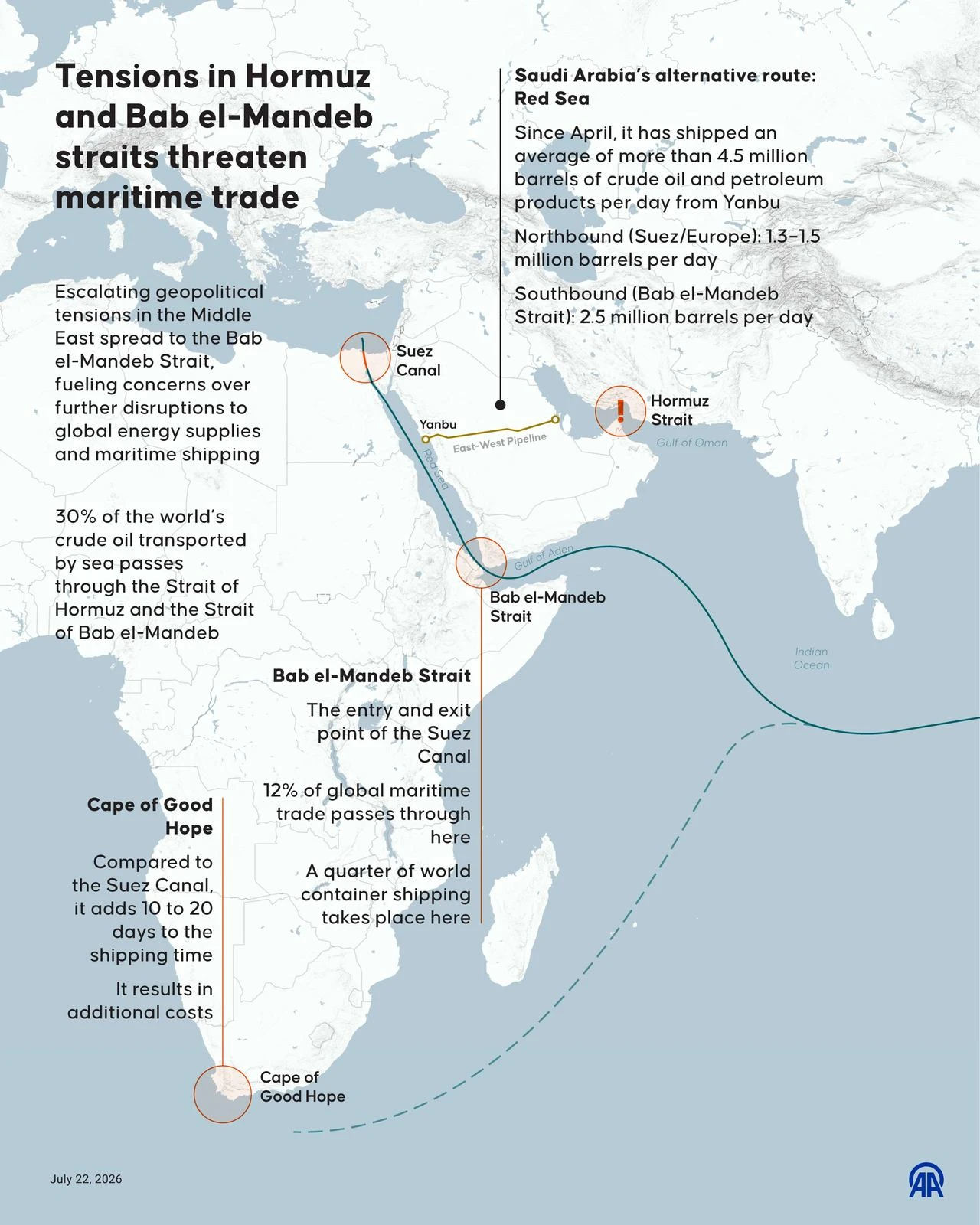

Iran said Sunday that it had made progress in talks with Oman on operational mechanisms to ensure the safe passage of ships through the Strait of Hormuz.
Foreign Ministry spokesman Esmaeil Baqaei said several rounds of talks were held in Tehran on Friday and Saturday between Iranian and Omani deputy foreign ministers.
"The two sides exchanged views on common principles and operational mechanisms for the safe passage of ships in the Strait of Hormuz," Baqaei said, according to the semi-official Fars news agency.
He described the talks as "productive," saying progress had been made during the discussions.
Baqaei said the Omani delegation left Tehran on Saturday evening and that technical and political consultations between the two countries were continuing.
Responding to a separate question, Baqaei said there had been "no change" in the status of shipping traffic through the Strait of Hormuz.
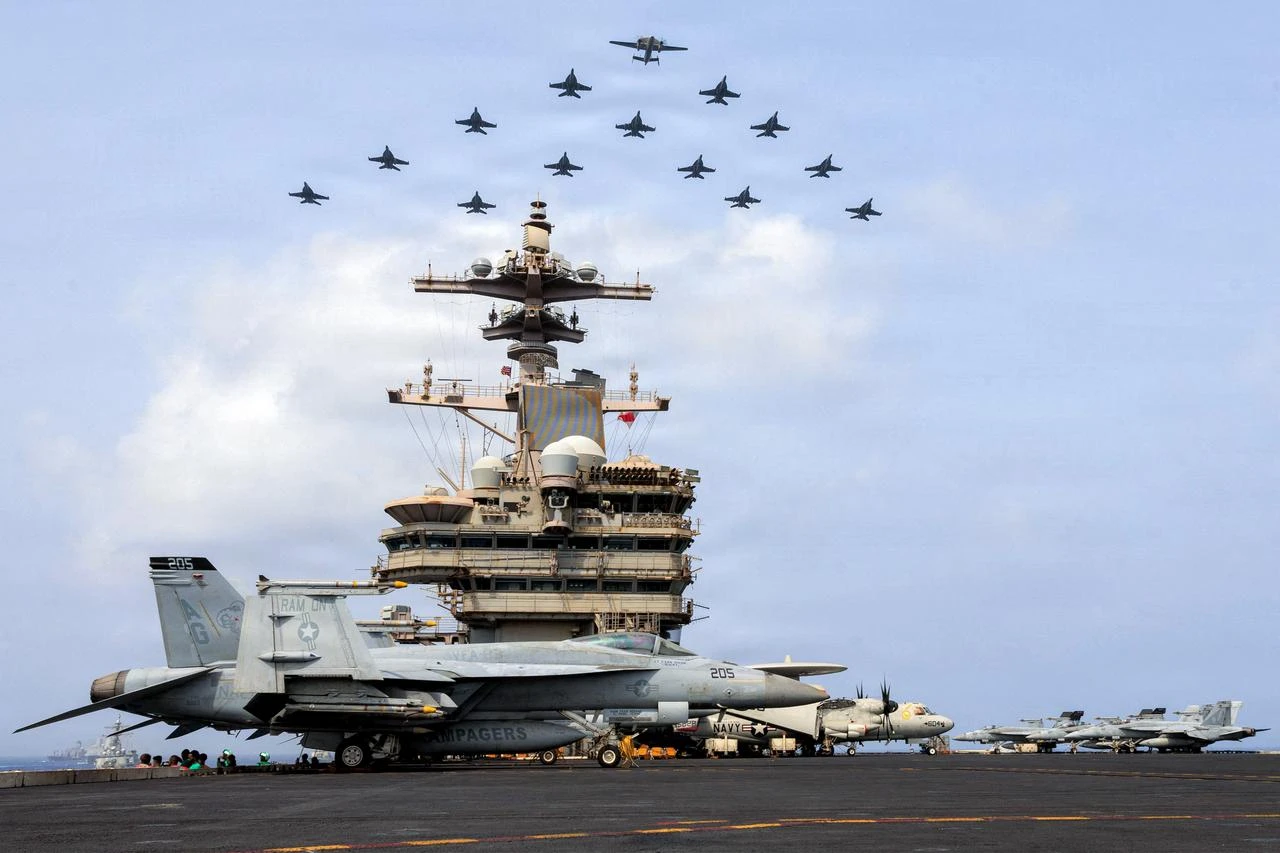
The Strait of Hormuz has been at the center of heightened security tensions since the United States and Israel launched a military campaign against Iran on Feb. 28, 2026.
In June, Washington and Tehran signed a memorandum of understanding that included a cease-fire following Qatari and Pakistani mediation, paving the way for negotiations on a final agreement to end the conflict.
However, Trump declared the cease-fire over July 8 after renewed military escalation.
In June, Oman and Iran said they would discuss imposing service fees, a move Washington opposes.
Muscat also said ships could transit Hormuz through Omani waters, angering Tehran, which responded with a pattern of escalation.
Iranian state television reported Sunday that the country's armed forces had stopped six vessels attempting to transit the Strait of Hormuz after warnings over the previous 24 hours.
Washington has demanded that Tehran halt attacks on commercial shipping and guarantee freedom of navigation through the Strait of Hormuz.
Iran has insisted that vessel transits be governed by a mechanism it administers through the strategic waterway along its coastline.
Trump has directed the U.S. military not to launch new strikes on Iran, ending nearly two weeks of daily attacks, Axios reported Saturday, citing sources familiar with the decision.


 Set as preferred source
 Set as preferred source


 1 min read
 1 min read