Newsletters


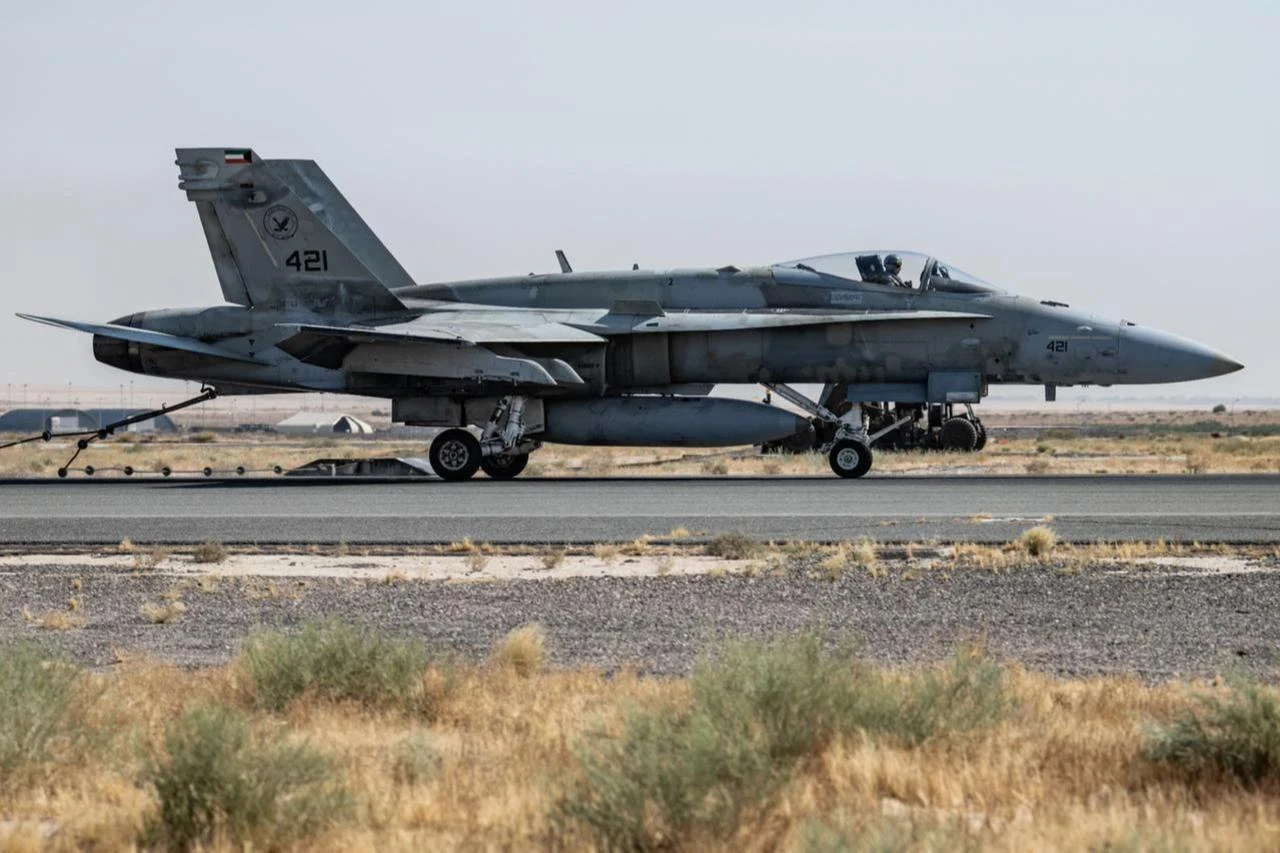


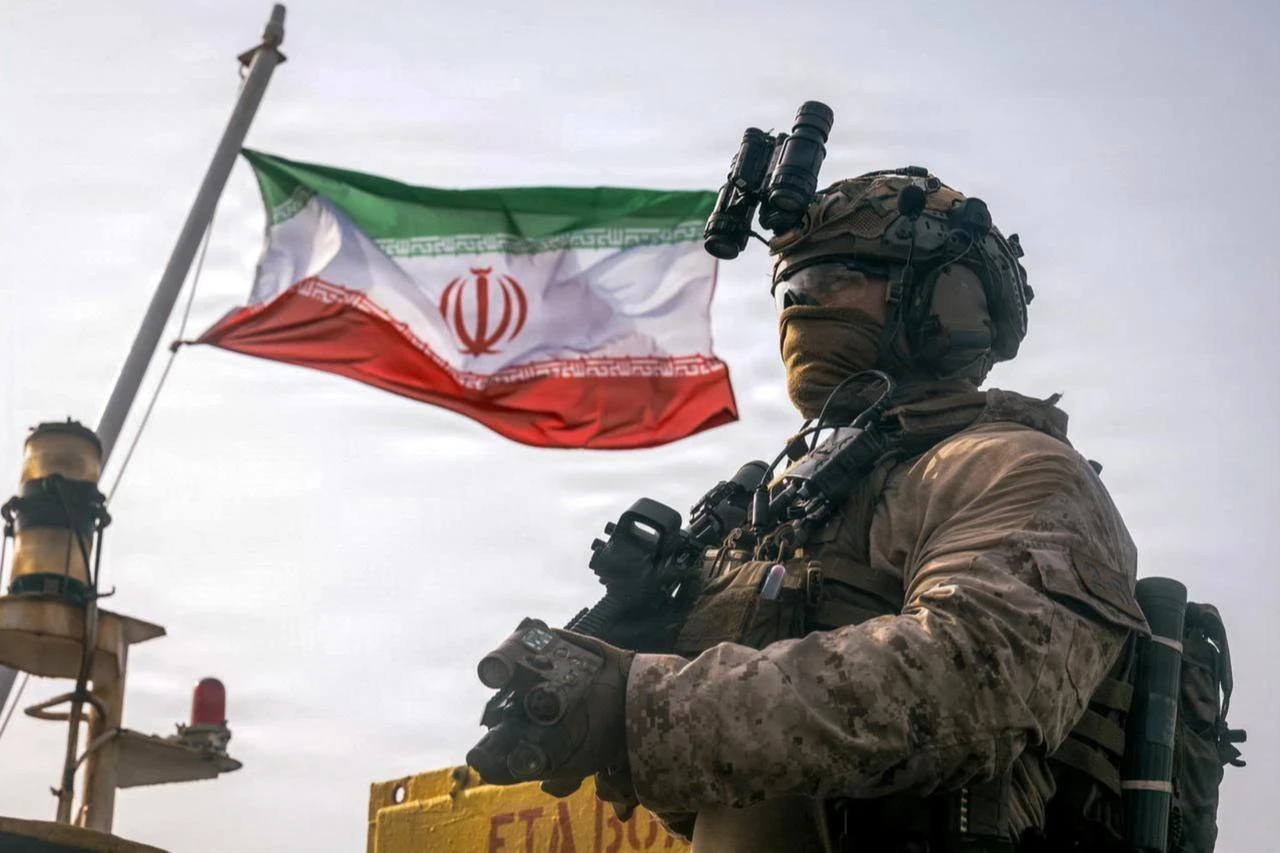
Iran claimed Saturday that its forces destroyed 11 American warplanes and helicopters on the ground during the recent 15-day conflict with the United States, while Tehran's top diplomat accused Washington of undermining a post-war maritime agreement by opening an unauthorized shipping corridor through the Strait of Hormuz.
Revolutionary Guard Corps spokesman Brig. Gen. Hossein Mohebbi told the semi-official Tasnim News Agency that the strikes were carried out between July 8 and July 22 and targeted aircraft stationed at U.S. military bases in the region, without specifying their locations.
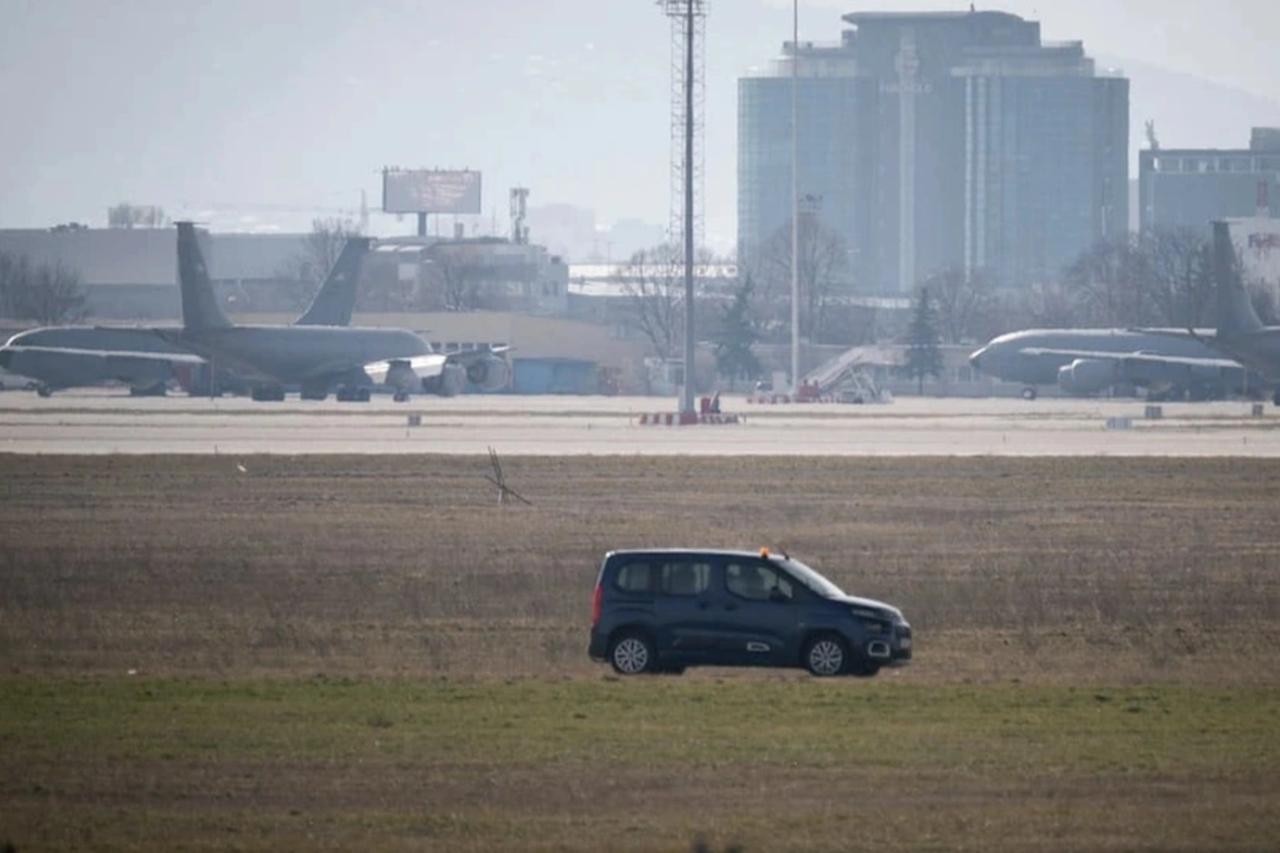
He said the destroyed equipment included 17 reconnaissance and operational drones, among them eight described as brand-new, along with one F-15 fighter jet inside a hardened shelter, one P-8 maritime patrol aircraft, one C-17 military transport plane and eight aerial refueling aircraft.
The claims could not be independently verified.

Iranian Foreign Minister Abbas Araghchi, in an interview published Saturday by the state-run Iran newspaper, said Article 5 of the post-war memorandum of understanding gives Tehran clear authority over the strait's reopening, including the authority to designate shipping routes and oversee mine-clearing operations.
Under the agreement, he said, Iran and Oman are to negotiate a long-term management framework for the waterway after an initial 60-day period during which navigation services would be provided free of charge.
"The article is completely clear from our perspective," Araghchi said.
The Strait of Hormuz, the narrow passage between the Persian Gulf and the Gulf of Oman, is one of the world's most strategically critical maritime chokepoints.
Roughly a fifth of global oil supplies transits the waterway, making any disruption there a matter of immediate international economic concern.
Araghchi accused the United States of breaching the memorandum by opening a separate southern shipping corridor approximately 10 days after the strait reopened, with around two weeks still remaining before Tehran's one-month implementation deadline had elapsed.
"When Article 5 says Iran will make the arrangements, it means Iran determines the route and the necessary mechanism," he said.
"If the Americans believed another corridor should be added or removed, they should have consulted Iran."
He said Tehran repeatedly raised objections through a direct communication line established after talks in Switzerland, as well as through Qatari and Pakistani intermediaries, but received no meaningful response.
Araghchi also alleged that maritime communications showed ships were actively steered toward the U.S.-sanctioned southern corridor and away from Iran's designated route, which Tehran said was chosen on the basis of security and navigational safety given ongoing mine-clearing operations.
"We saw no goodwill in America's behavior," Araghchi said, adding that Washington appeared intent on either provoking further tensions or eroding Iranian sovereignty over the strait.
"In the end, regardless of their intentions, it was the United States that violated the agreement and set developments on the course we are witnessing today," he said.
The current military confrontation was reignited on July 8, when U.S. President Donald Trump declared the ceasefire outlined in the Islamabad memorandum no longer in effect.
Since then, the two sides have exchanged strikes, with Washington targeting sites inside Iran while Tehran says it has hit U.S. military facilities and equipment in several countries across the region.
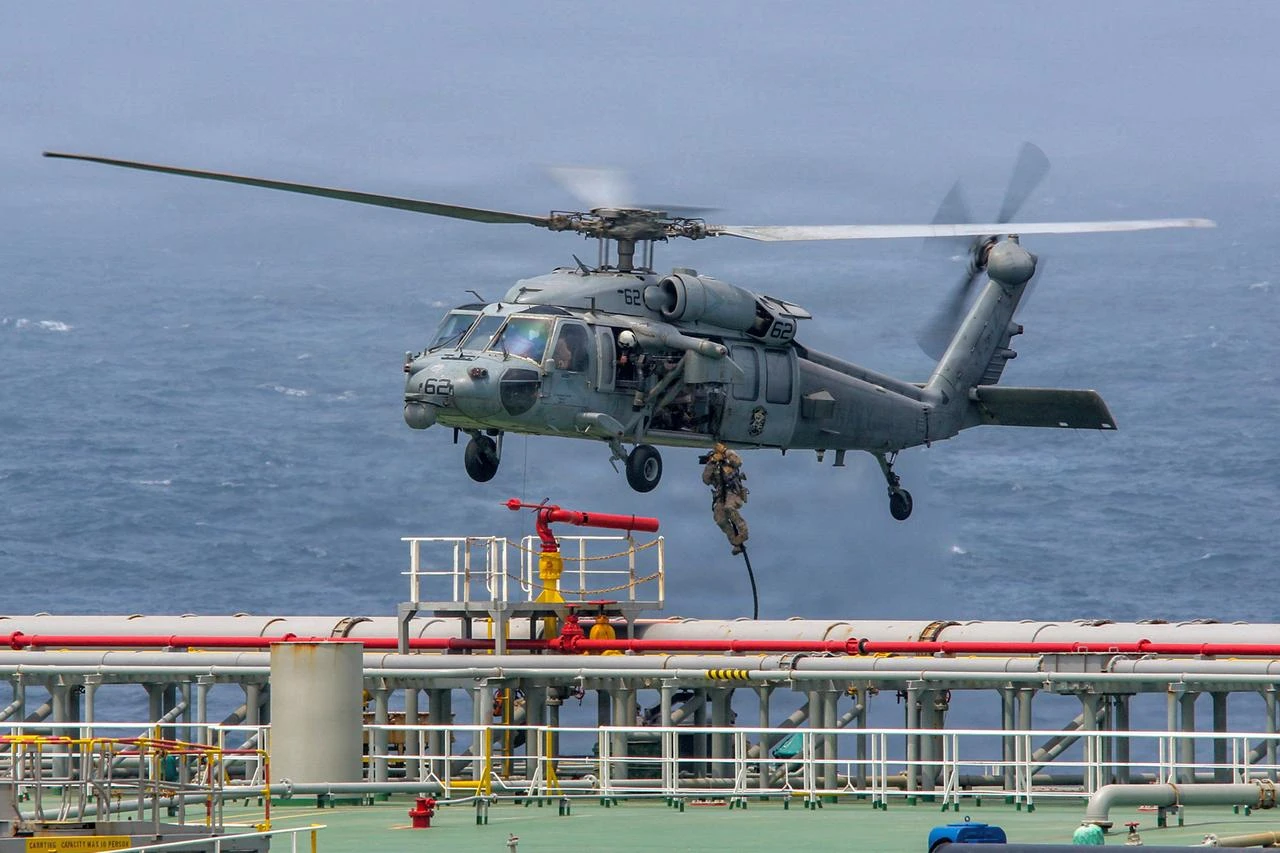
Separately, the IRGC said Saturday that its naval forces fired warning shots and turned back four ships attempting to transit the strait via what it described as an illegal and unsafe southern route over the preceding 24 hours.
The vessels altered course after the warning shots, according to a statement carried by Iranian state television.
Iran has in recent weeks targeted tankers using the Omani coast-hugging route sanctioned by Washington, in an effort to compel commercial shipping to pass through Iranian waters and pay for safe passage, a posture that has drawn sharp international criticism.
On the broader regional picture, Araghchi said Iran had maintained contact with neighboring governments throughout the conflict to make clear that its military actions were responses to attacks rather than aggression against Gulf states.
He acknowledged that some regional countries had, in Tehran's view, allowed U.S. forces to use their facilities during the fighting, either with their knowledge or through misuse of their territory, but said he believed there was growing appetite in the region to move past such grievances.
"I see the will to rebuild trust," Araghchi said. "We are neighbors and will remain neighbors. We must live together in peace."
He argued that the conflict had exposed the limits of hosting foreign military bases as a security guarantee, and in some cases demonstrated that such arrangements could themselves become sources of instability.
On Yemen, Araghchi rejected a military framing of the Bab al-Mandab crisis and called for direct negotiations between Sanaa and Riyadh.
"The Yemen issue can be resolved through diplomacy and dialogue," he said. "There is no need for further military confrontation." He said Iran was prepared to play a facilitating role if talks between Yemen and Saudi Arabia were to begin.


 Set as preferred source
 Set as preferred source


 1 min read
 1 min read