Newsletters


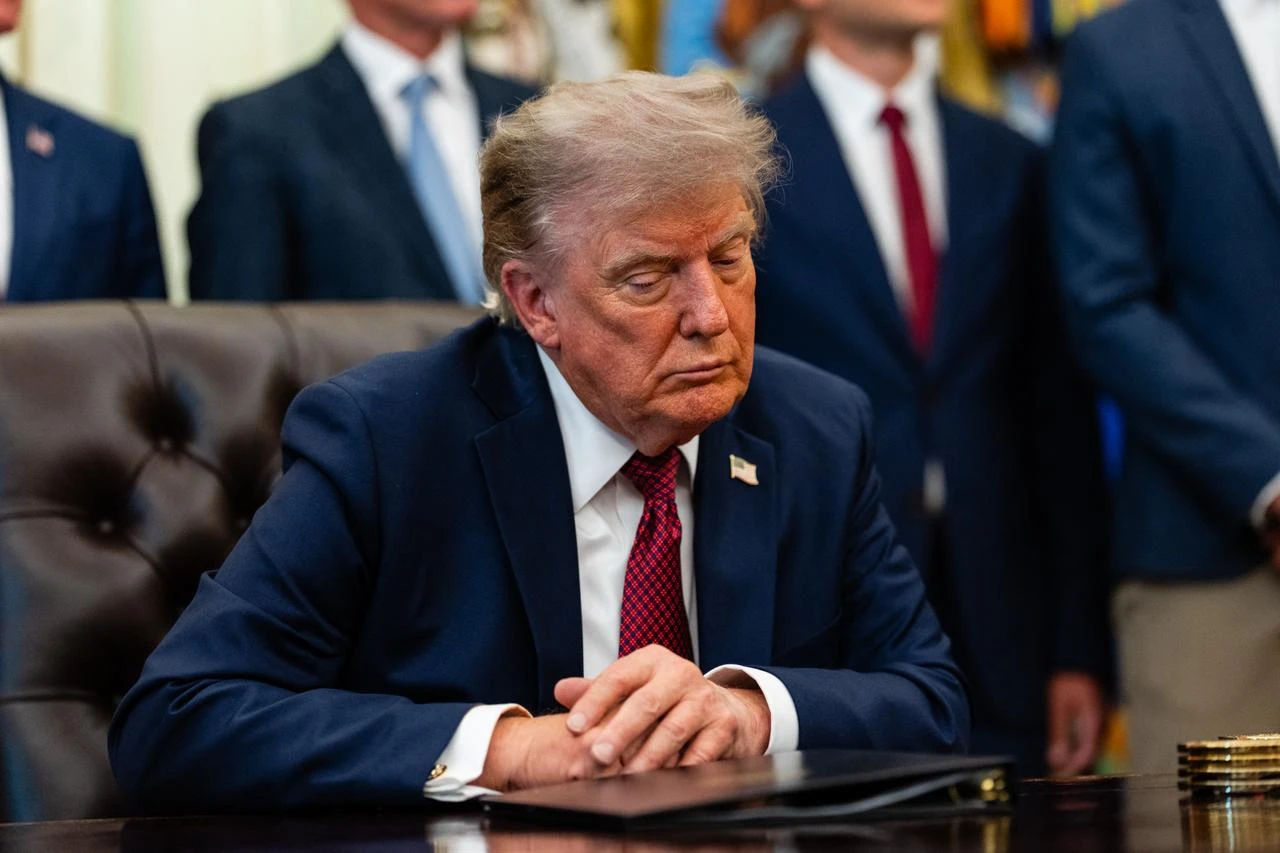


United States President Donald Trump has paused plans to sharply escalate military operations against Iran amid concerns about dwindling American air defense missile stocks, The New York Times reported Saturday.
The decision followed a meeting Friday with senior advisers and Cabinet officials, the newspaper said.
Iran passed another night without U.S. airstrikes on Sunday as Washington paused a war nearing its fifth month and reports emerged that concerns over dwindling munitions were restraining plans for further escalation.
The lull has revived hopes of a return to negotiations after nearly two weeks of consecutive nightly U.S. bombardments. However, U.S. media reported that the pause could also reflect pressure on stockpiles of Patriot interceptors and other defensive weapons.
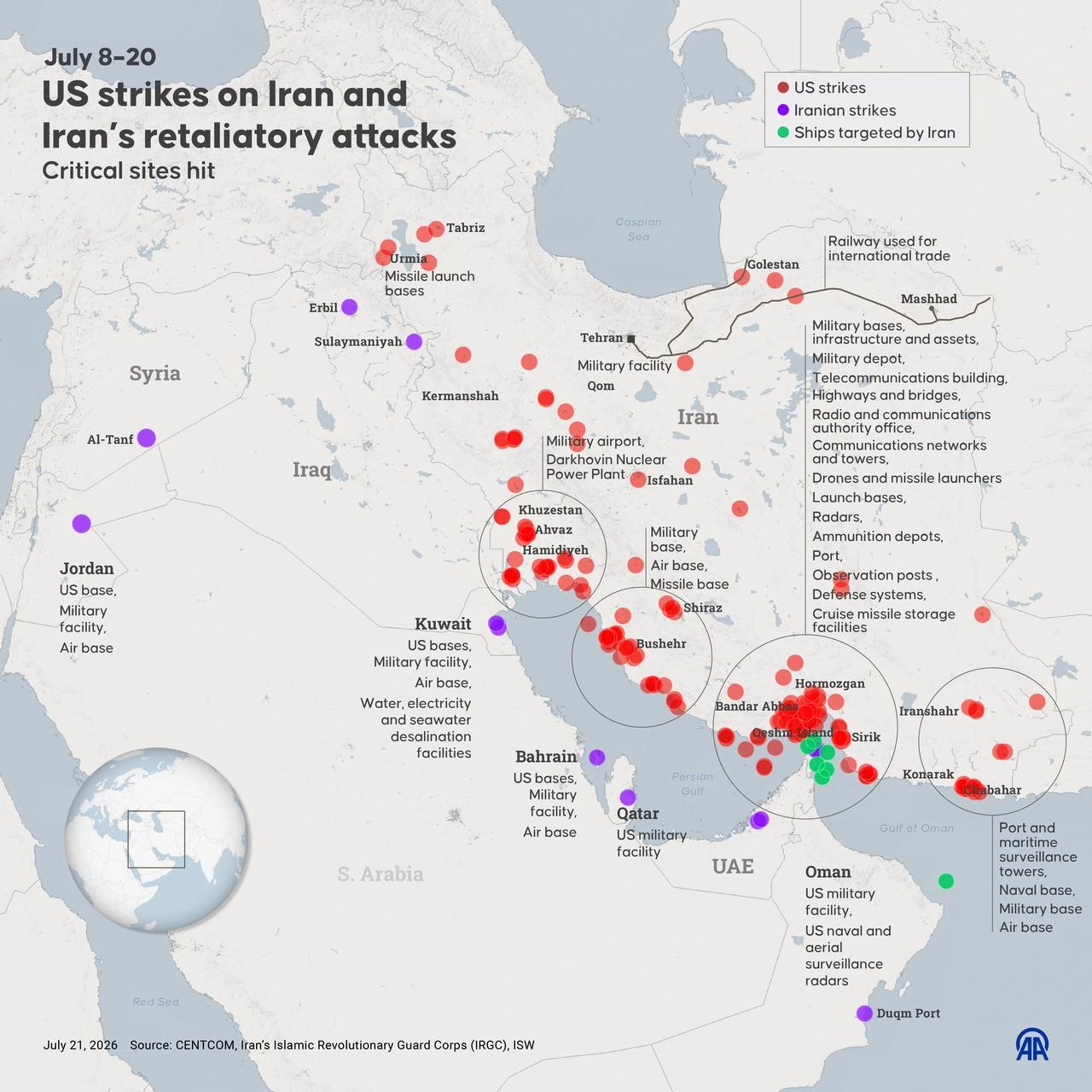
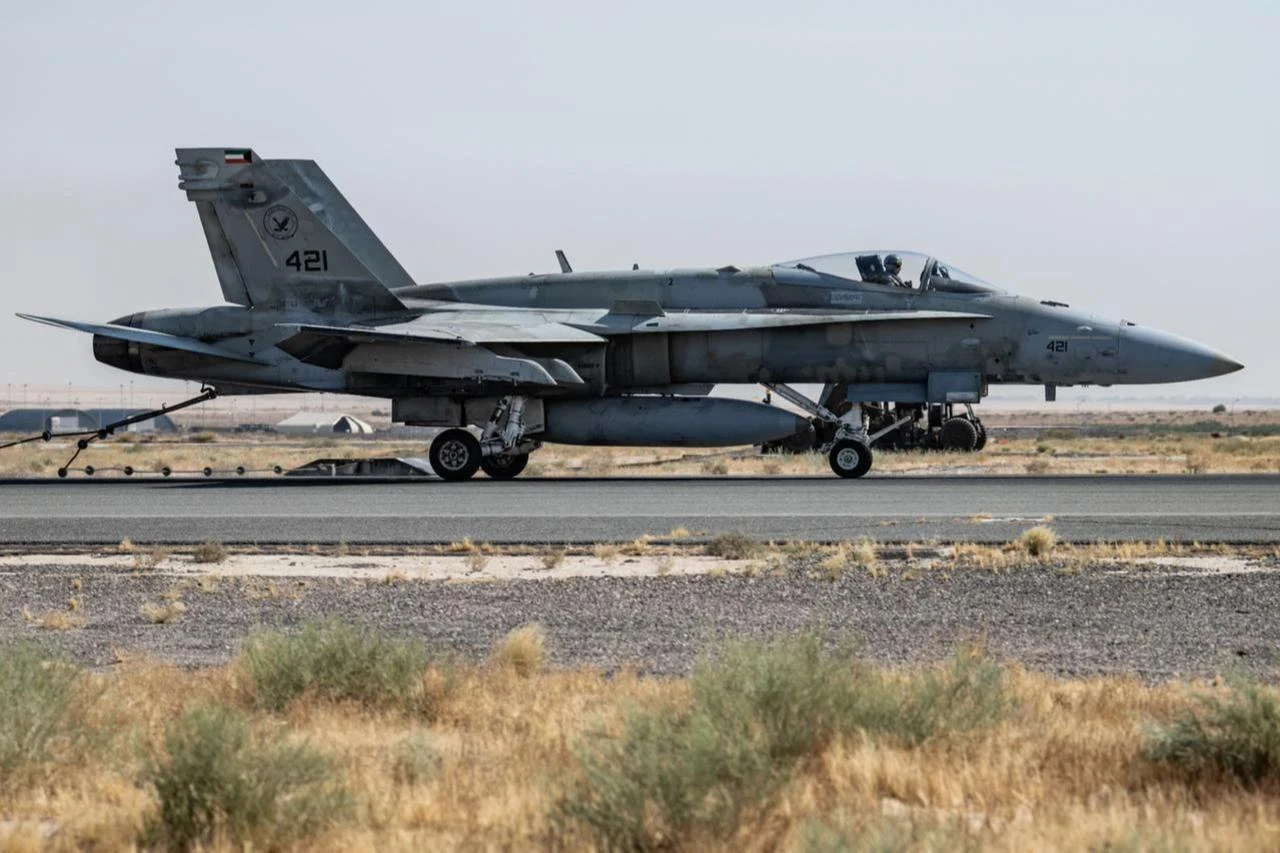
Military officials warned that renewed major combat operations could dangerously deplete Patriot interceptors and other munitions needed to protect U.S. troops and bases in Jordan, Kuwait, Bahrain and the United Arab Emirates, The New York Times reported.
The Trump administration is also concerned that further escalation could trigger heavier Iranian retaliation, alienate Gulf allies and worsen global energy and refugee crises, according to the newspaper.
Gen. Dan Caine, chairman of the Joint Chiefs of Staff, reportedly told officials that a major operation was feasible but would sharply reduce the air defense munitions available to U.S. Central Command (CENTCOM).
The concerns intensified after three U.S. soldiers in Jordan were killed when an Iranian ballistic missile penetrated American defenses during a missile and drone barrage.
The Pentagon has already used more than 1,200 Patriot interceptor missiles during the conflict, leaving inventories at concerning levels, The New York Times said, citing internal estimates and congressional officials.

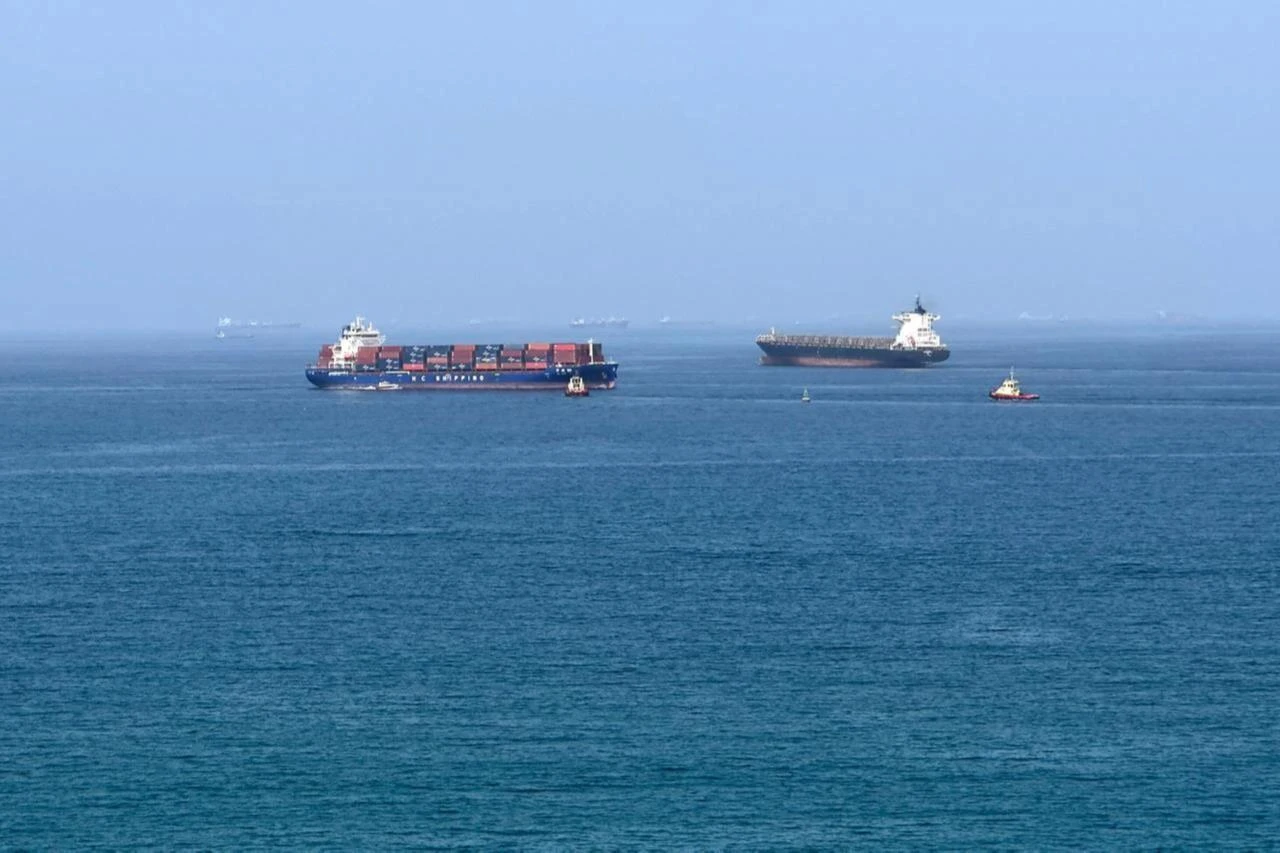
Fighting over the strategic Strait of Hormuz derailed diplomatic efforts between Washington and Tehran, but the conflict later expanded beyond the vital energy corridor to include attacks on U.S. bases, regional shipping and Gulf allies.
U.S. operations against Iran were "on a hold," CNN reported, citing an unidentified Pentagon source, even as Trump threatened a "much higher level" of strikes Friday.
Plans to escalate the campaign have been shelved in part because of shrinking supplies, The New York Times reported, citing two people briefed on the matter.
Vice President JD Vance and Caine both raised concerns about escalation at a White House meeting Friday, CNN reported.
Caine told Trump the military could carry out the options available to him successfully but warned of the possible implications, according to the network.
Trump had been considering a multistage bombing campaign targeting Iranian coastal radars, anti-ship missile launchers, attack boats and other sites linked to attacks on commercial vessels in the Strait of Hormuz.
Additional strikes on energy facilities, railway bridges used to move military supplies and Iranian nuclear sites were also under consideration.
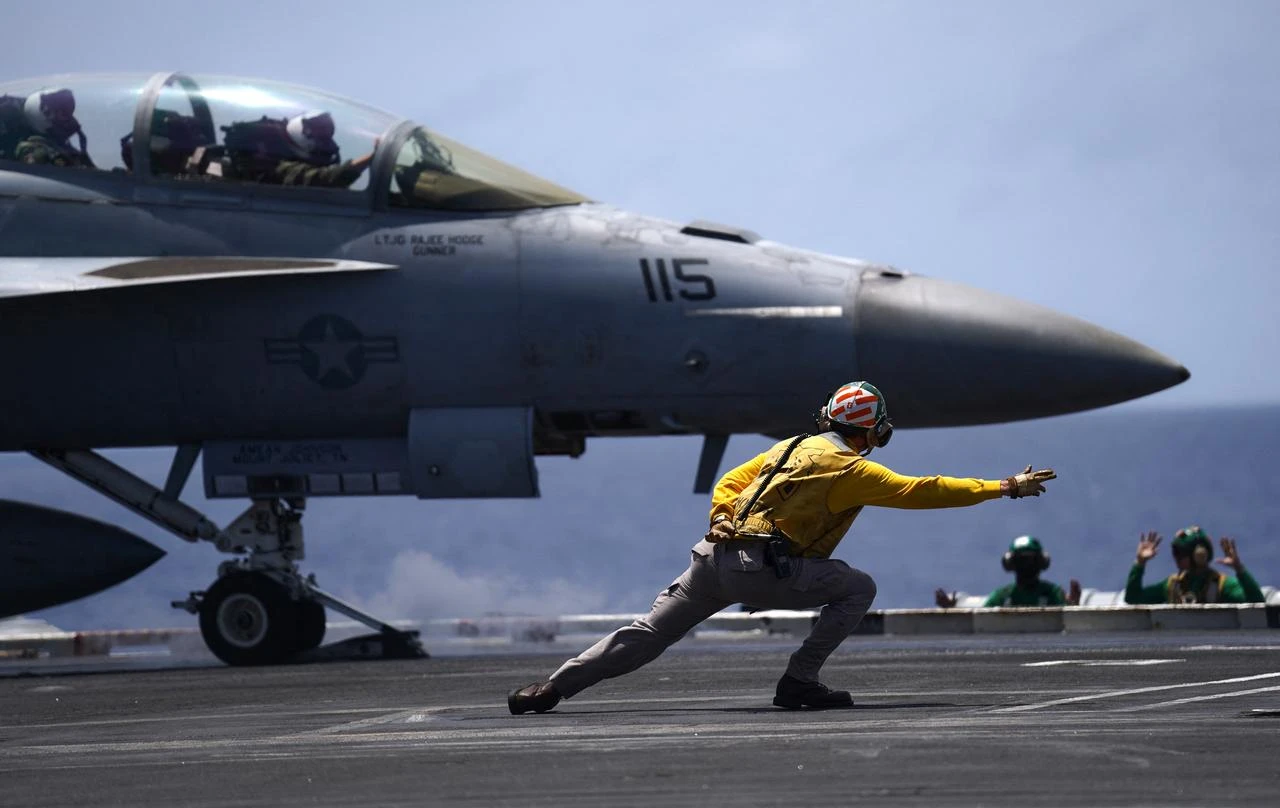
The Pentagon had moved more forces, weapons and supplies to the Middle East in recent days in preparation for possible escalation.
Some officials also reportedly questioned whether a broader bombing campaign would push Tehran back to negotiations, warning that further strikes could instead strengthen internal cohesion in Iran.
Trump's advisers have instead urged him to continue negotiations, maintain a naval blockade and increase economic pressure on Tehran for a longer period, The New York Times reported.
Trump said Friday that he had not decided whether to return to an all-out operation.
"We're talking to them right now. I think they're getting more and more serious," he told reporters.
Trump said Iran faced a choice between a deal and strikes at a "much higher level."
The war, which Trump once predicted would last four or five weeks, is now nearing its fifth month and weighing on the Republican president's approval ratings ahead of crucial U.S. midterm elections in November.
The Pentagon had presented Trump with a plan for a 14th night of strikes, but he declined to authorize it in favor of a push for talks, Axios reported.
Fighting has meanwhile spread to a new front.
Yemen's Iran-backed Houthi rebels said they struck Saudi Aramco sites in Jizan and Yanbu on Saturday, a day after Riyadh bombed Houthi targets.
A surface-to-air battery operated by Greek personnel in Saudi Arabia downed two ballistic missiles and a drone over Yanbu, the Greek air force media office said.
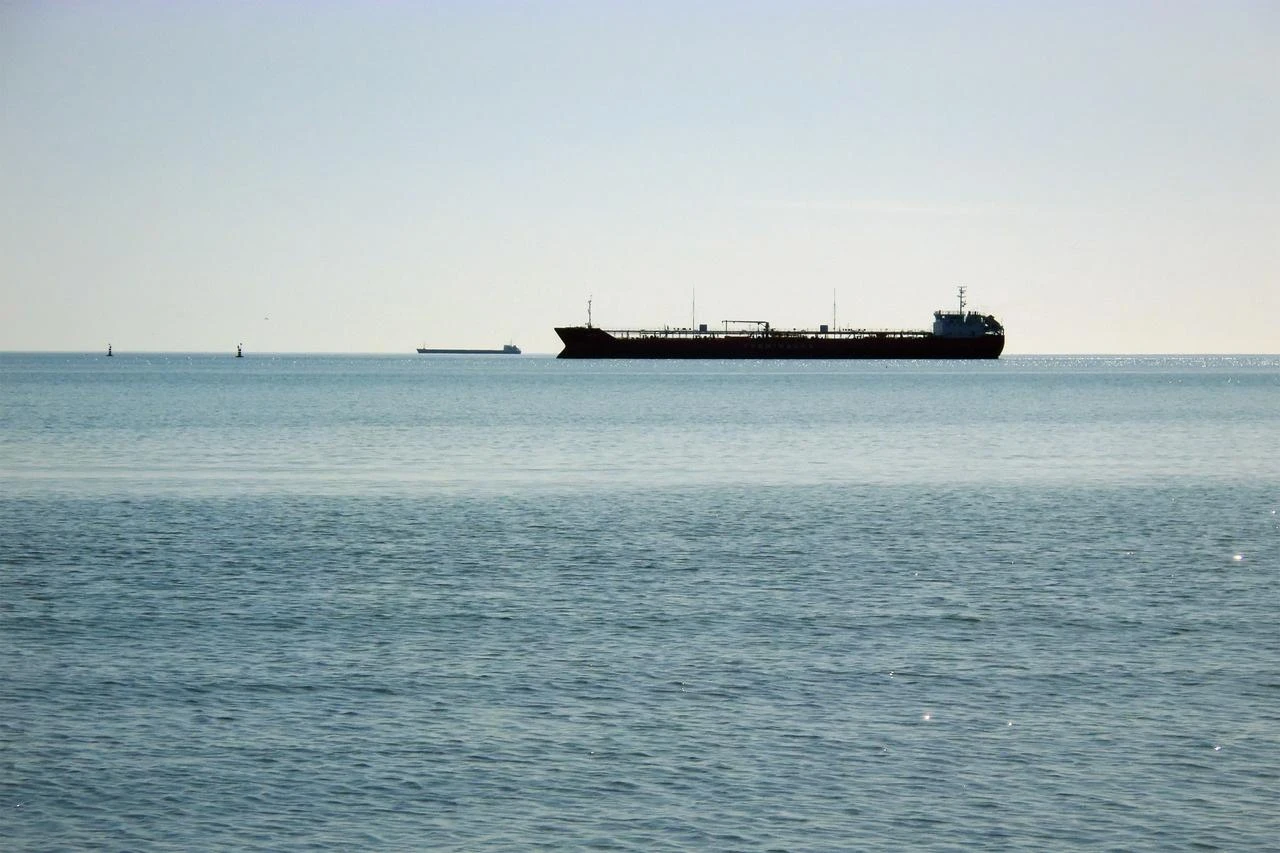
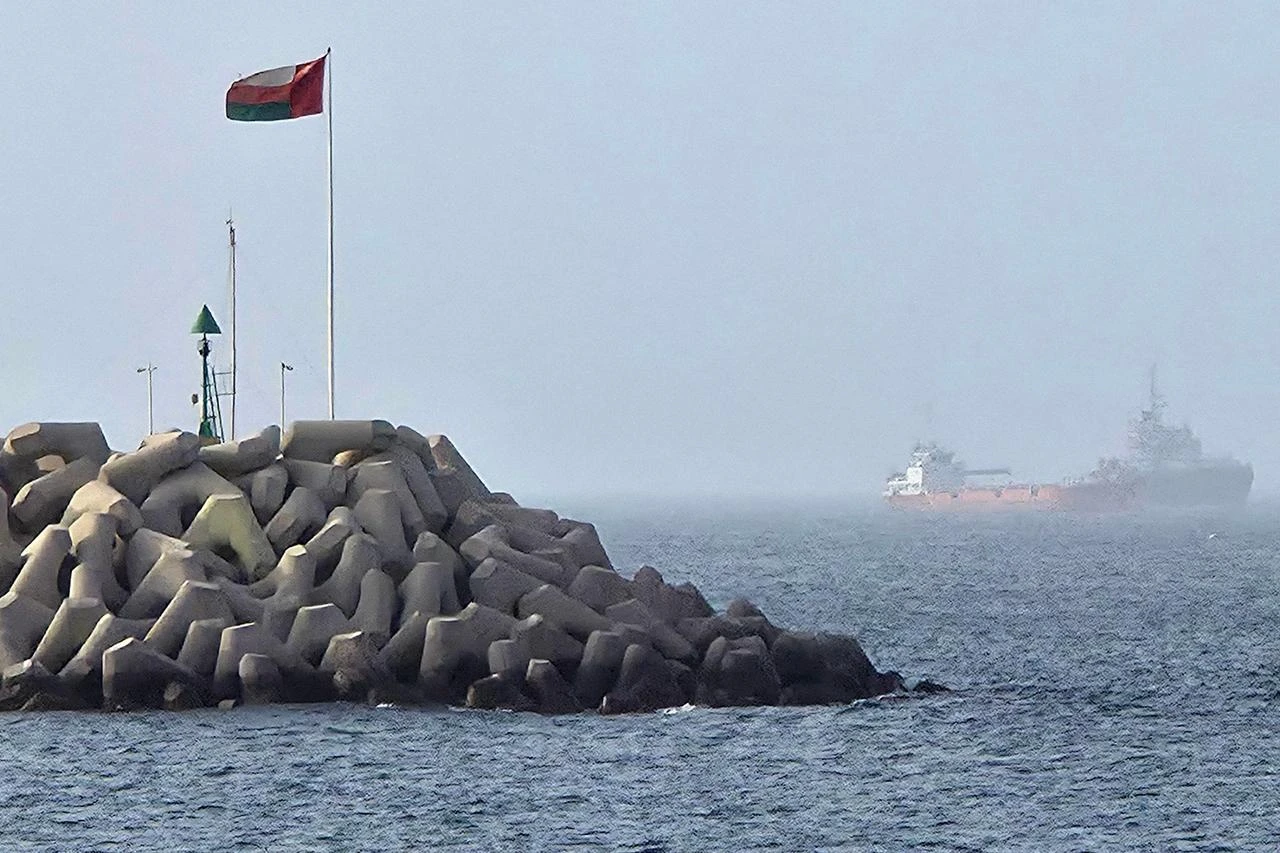
Iran's Islamic Revolutionary Guard Corps (IRGC) said it had stopped four ships attempting to transit the Strait of Hormuz in 24 hours.
Tehran's effective blockade of the waterway remains the central flashpoint with Washington.
Iranian Foreign Minister Abbas Araghchi said Iran could not be blamed for the escalation and offered to broker talks between the Houthis and Riyadh, saying "there is no military solution."


 Set as preferred source
 Set as preferred source


 1 min read
 1 min read