Newsletters


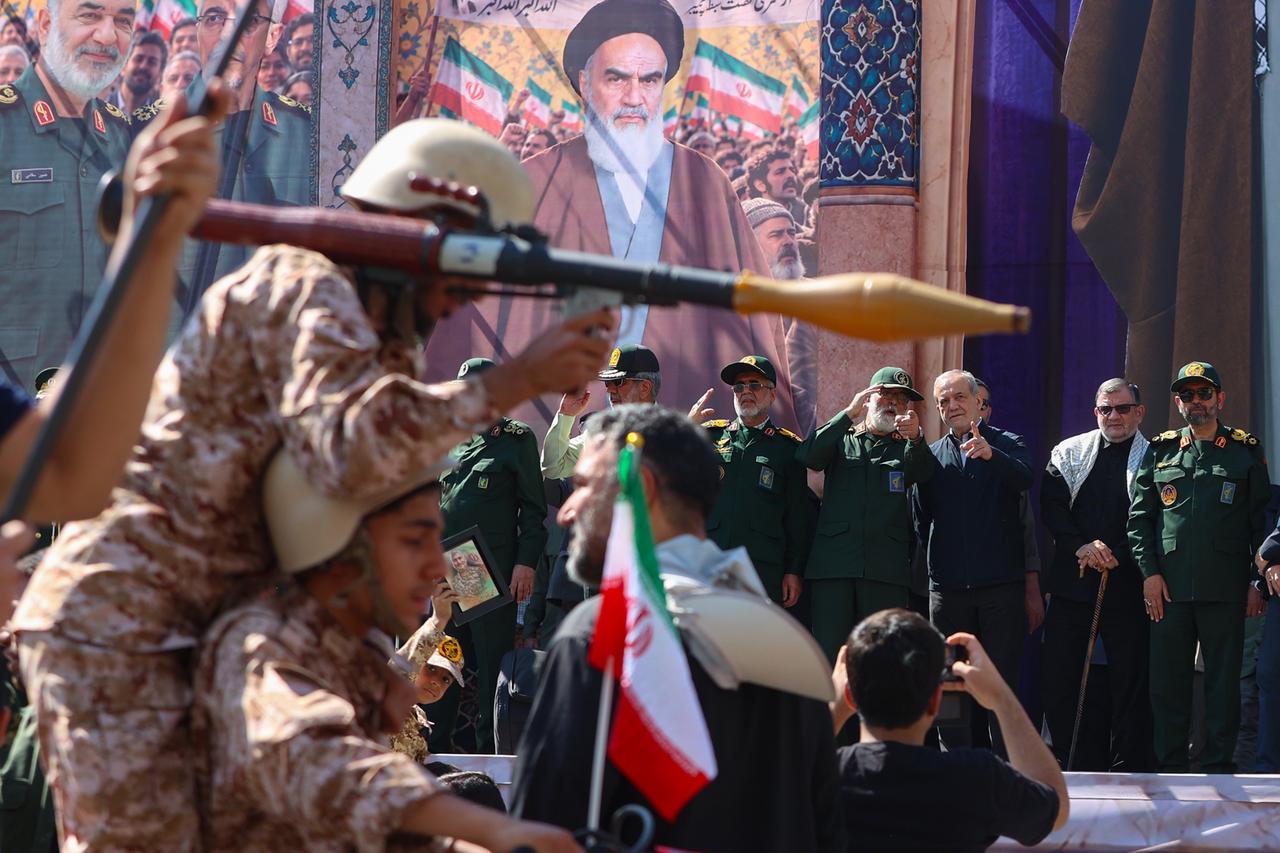


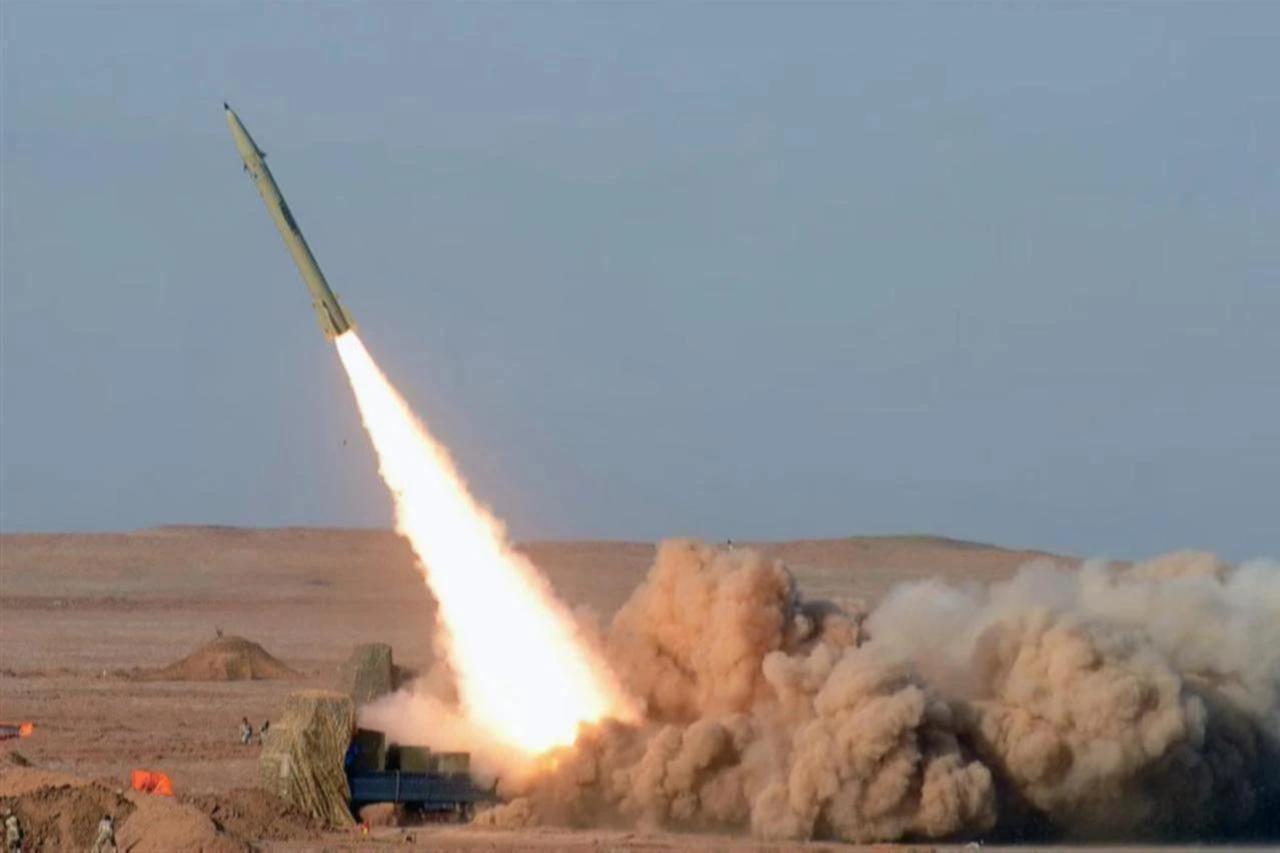
Iranian Revolutionary Guard Corps (IRGC) spokesperson Hossein Mohibbi warned that any new U.S. or Israeli attack on Iran would trigger a major shift in Tehran’s military response, saying Iran had identified new targets that had not yet been struck.
“If there is a new attack, our defense and attacks will change seriously,” Mohibbi said during a television program. “If there is a new attack, we will change the geography of weapons and war.”
Assessing the possibility of a new U.S. and Israeli attack on Iran, Mohibbi said Tehran was prepared to deploy new weapons with advanced capabilities.
“New weapons equipped with new capabilities will be deployed on the field, and the world will be stunned,” he said. “Our targets are not our old targets. We have identified new targets that have not yet been attacked.”
Mohibbi said Iran was prepared for a long-term war.
“In our view, war has various stages. War does not end and continues,” he said. “The Revolutionary Guards were already ready for war, and now they are even more prepared.”
Mohibbi said the Revolutionary Guard Corps had not contacted the U.S. so far and that Iran’s armed forces were not involved in diplomacy, adding that the military’s main duty was to defend the country.
He claimed that U.S. hegemony in the region had ended and that Iran, not the U.S., was determining the new regional order.
Mohibbi argued that the U.S. had established military bases in countries across the region for years under the assumption that it had high defense capacity, but said those bases had been struck by Iran and rendered unusable.
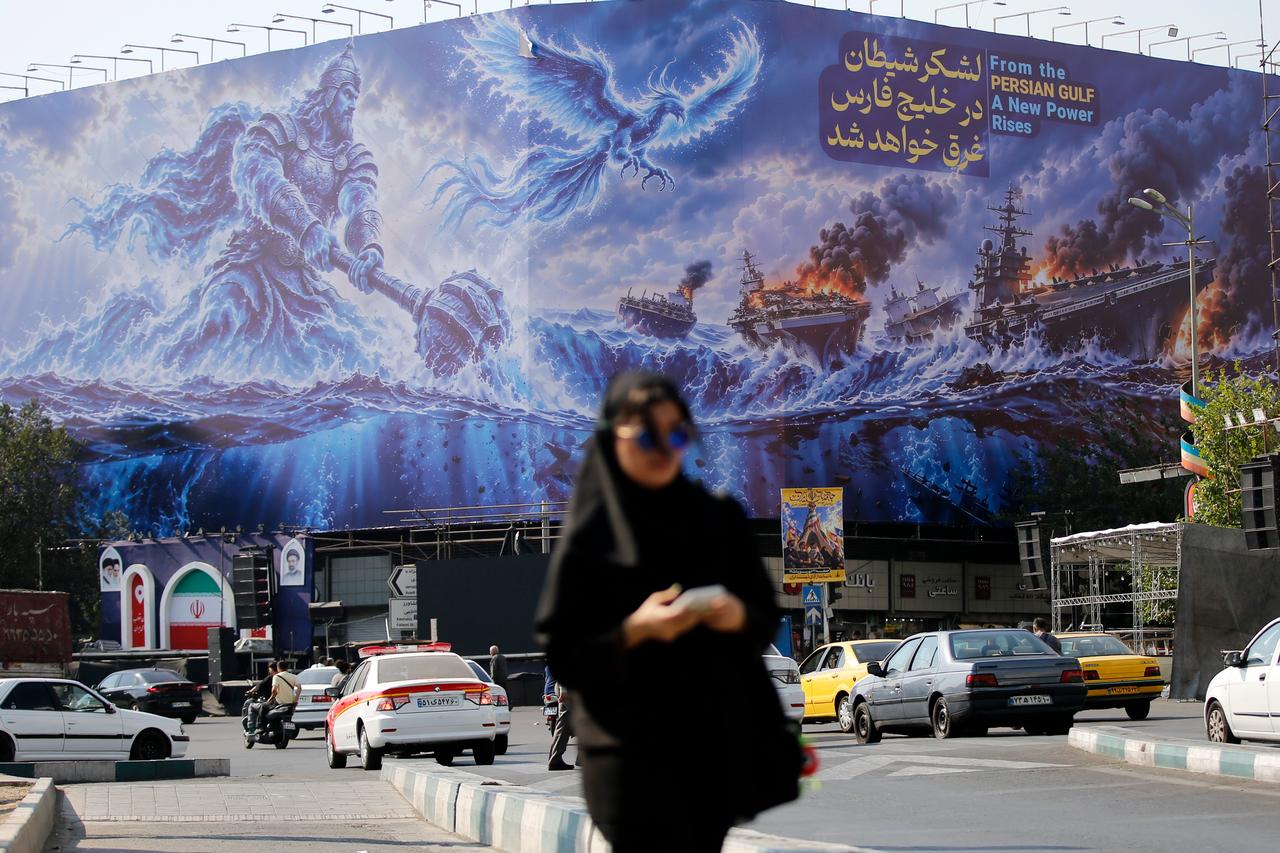

Meanwhile, U.S. Ambassador to the U.N. Mike Waltz said Sunday that the “door is open” for Iran to return to negotiations aimed at ending the conflict in the Middle East.
Speaking at an Al-Monitor Live event in New York on the sidelines of the U.N. General Assembly, Waltz said the Trump administration believes time is on its side in the conflict with Iran, which began Feb. 28.
“I do believe that to be the case,” Waltz said when asked by Al-Monitor senior adviser Andrew Parasiliti whether Washington believes time is on its side.
He added that the “door is open for Iran to come back to the negotiating table,” while dismissing as “fantastical” reports that Tehran had demanded an end to U.S. sanctions and reparations as conditions for renewed talks.
“The Iranian regime is at its weakest point since 1979 and it’s getting weaker,” Waltz said, citing economic pressure and the collapse of Iran’s currency. “They’re going to come back (to talks), I hope peacefully and diplomatically.”
The U.S. has recently carried out military attacks on sites in Iran amid a deadlock in negotiations over navigation in the Strait of Hormuz, one of the world’s most important routes for energy supplies and global trade, despite a memorandum of understanding signed by the two sides in mid-June.
Iran responded with attacks on what it said were U.S. military facilities and equipment in Arab countries, including Saudi Arabia.
Some of the attacks caused civilian casualties and damage to civilian infrastructure, drawing condemnation from affected countries and calls for them to stop.
The U.S. and Israel launched a war against Iran on Feb. 28, leaving more than 3,000 people dead, according to Tehran. Iran responded with attacks that it said killed Americans and Israelis.
The remarks came after the U.S. State Department issued a security alert Sunday saying that “due to tensions in the Middle East, the security environment remains complex, with the potential for unforeseen escalation.”
It urged U.S. citizens in the region to exercise caution and those outside it to reconsider travel to or through the area.
Several U.S. embassies in the region, including those in the United Arab Emirates, Iraq and Jordan, issued similar warnings Sunday.


 Set as preferred source
 Set as preferred source


 1 min read
 1 min read