Newsletters




Iran's foreign minister warned his British counterpart that allowing the United States to use U.K. military bases constitutes "participation in aggression" that will be "recorded in the history of bilateral relations," while demanding that any end to the war must include guarantees against future attacks.
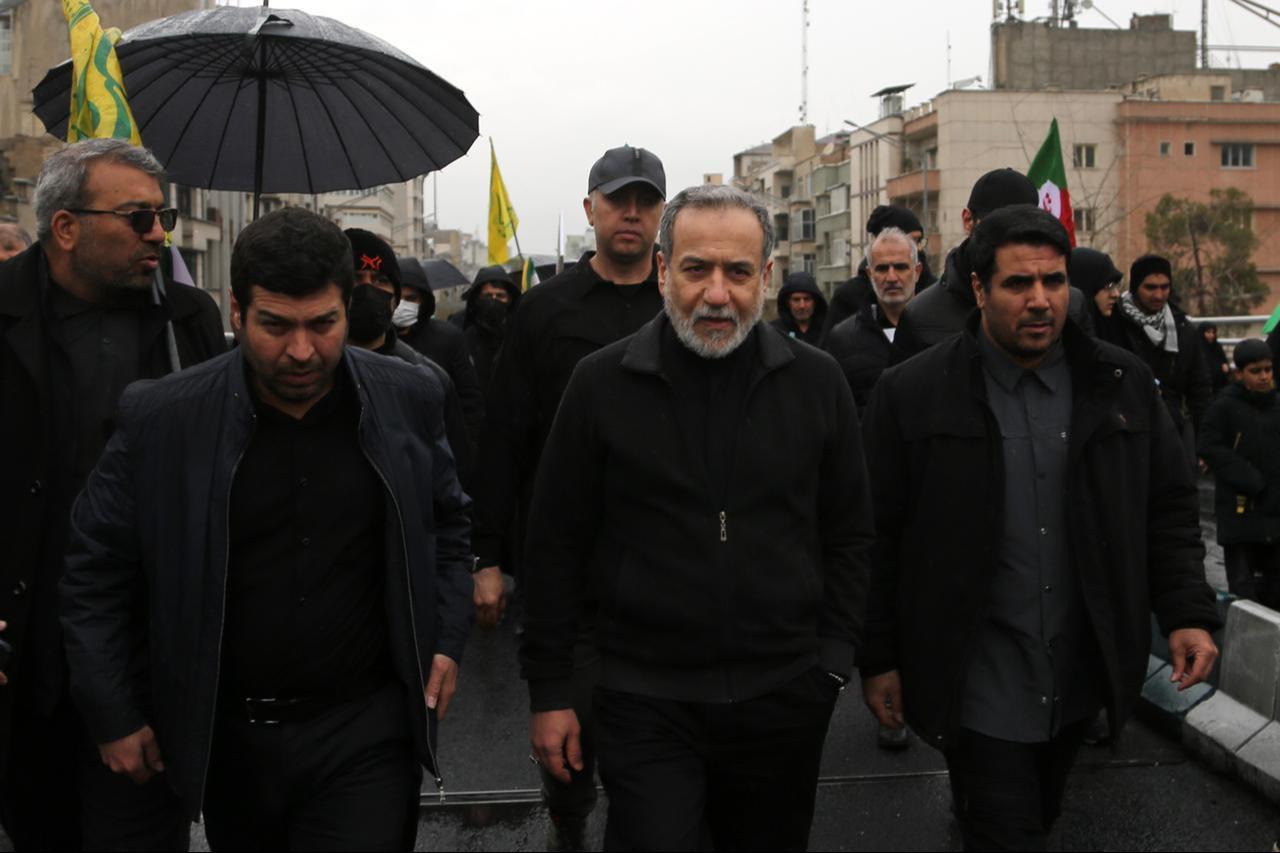

Iran's Foreign Minister Abbas Araghchi delivered the warning during a phone call with UK Foreign Secretary Yvette Cooper, according to Iran's official news agency IRNA.
"These actions will certainly be considered participation in the aggression and will be recorded in the history of bilateral relations," Araghchi said, referring to Britain's decision to allow U.S. military operations from its bases.
"At the same time, we reserve our inherent right to defend the sovereignty and independence of our country," he added.
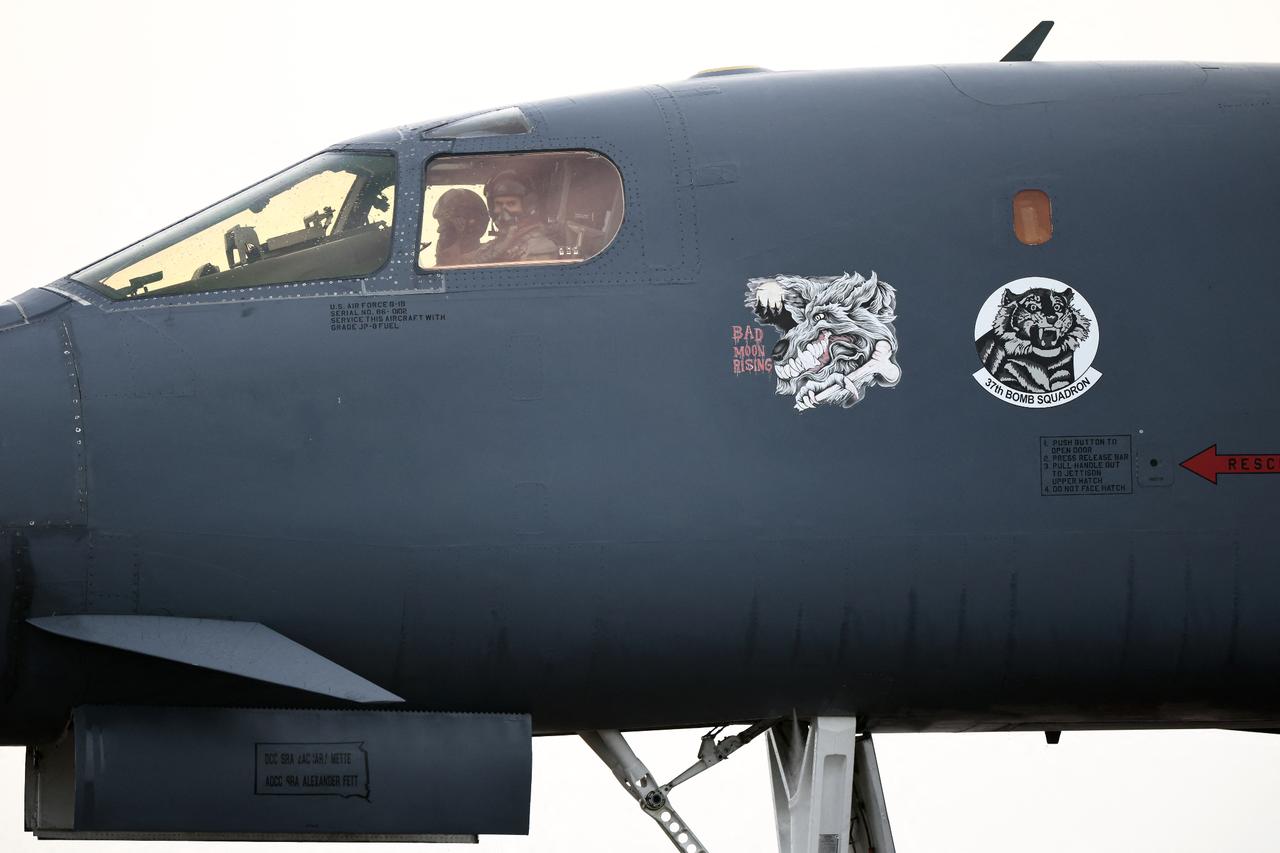
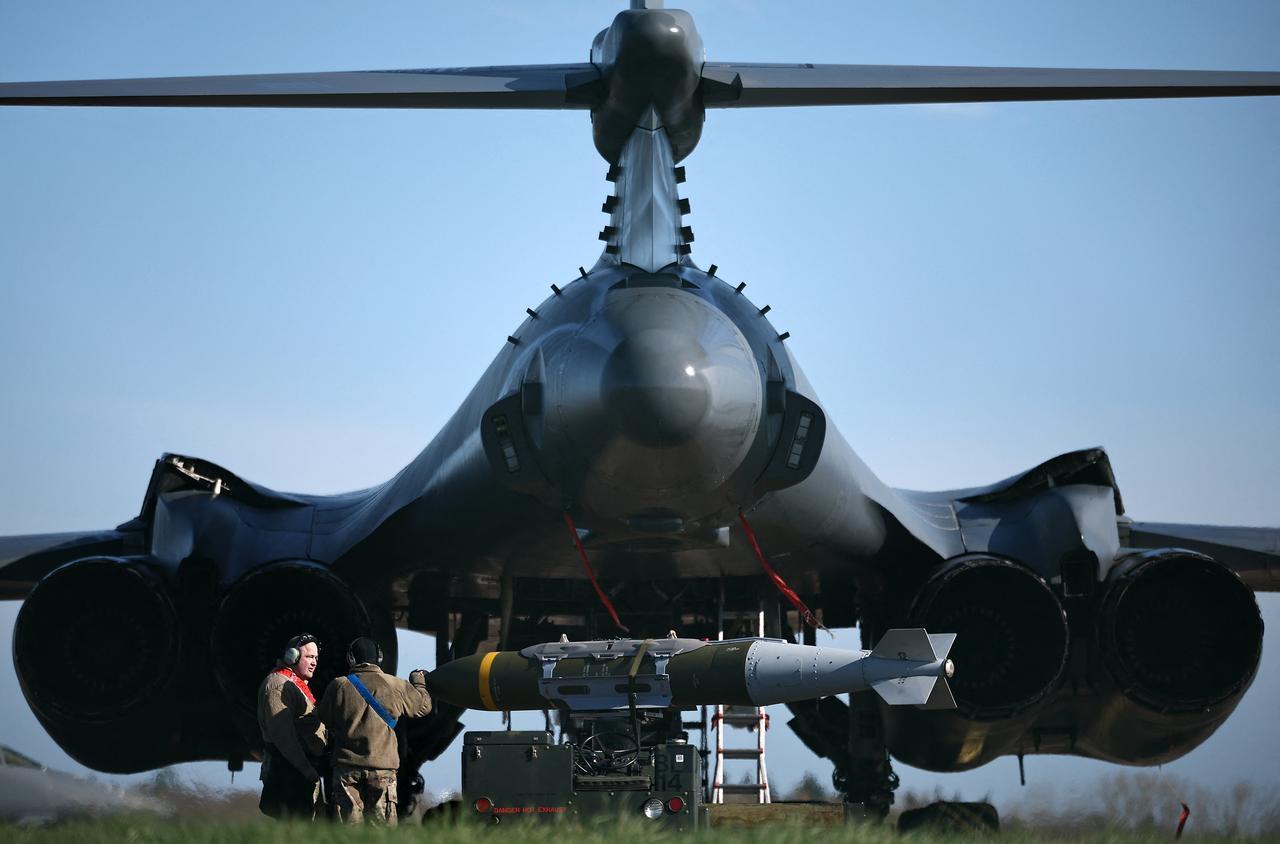
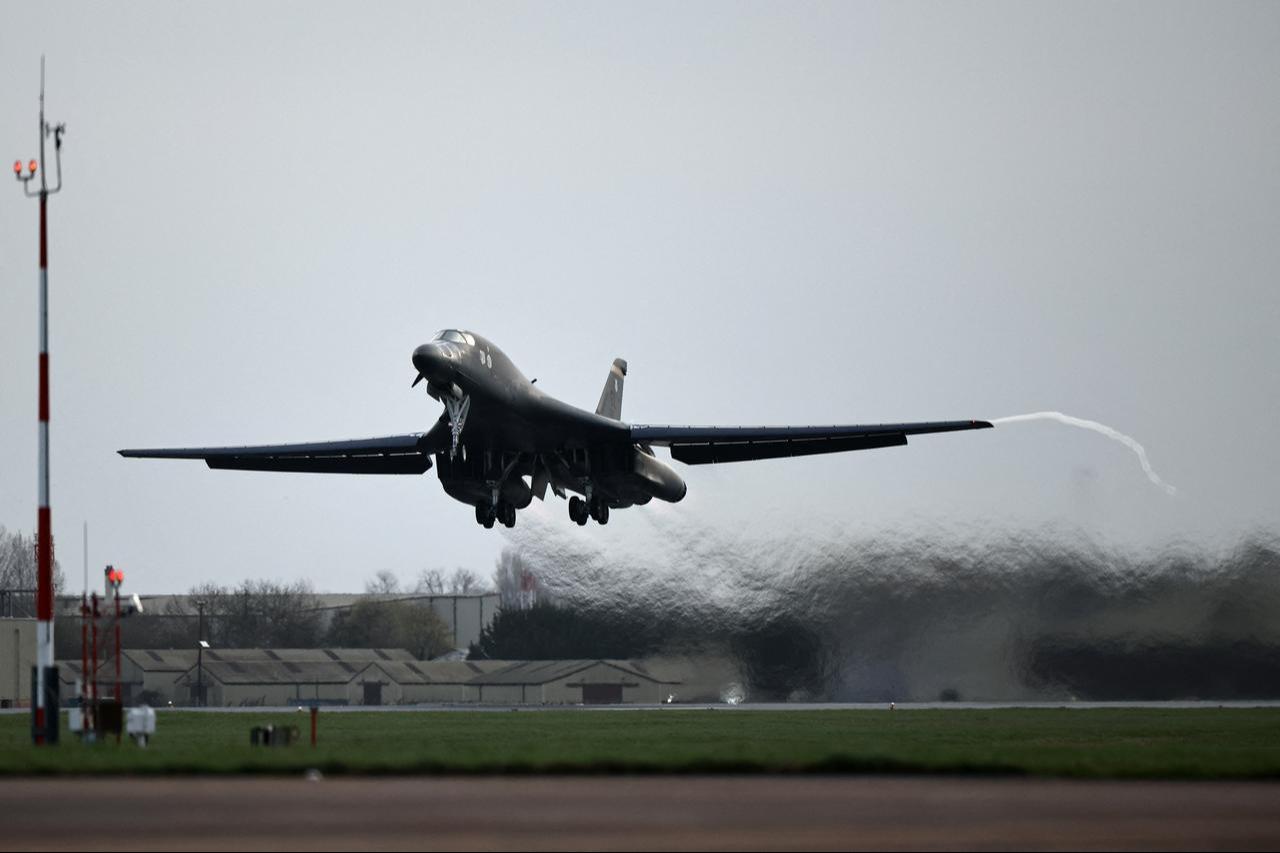
Earlier this month, Prime Minister Keir Starmer granted permission for "defensive" U.S. action against Iranian missile sites from RAF Fairford in Gloucestershire and Diego Garcia in the Indian Ocean.
U.S. military aircraft have been seen regularly landing and departing from Fairford over the past two weeks.
Araghchi criticized the "negative and biased" approach of Britain and some European countries toward the U.S.-Israeli military campaign. He called on the U.K. to refrain from cooperation with Washington and Tel Aviv "in military or media arenas, including facilitating platforms for terrorist networks."
He said Iran was attacked "for the second time while we were in the middle of diplomacy," noting that the strikes killed "more than 170 elementary school students."
"We respect the sovereignty of neighboring countries and have no intention to attack them. Unfortunately, however, U.S. bases in these countries are used to strike us, and these countries have failed to fulfill their international responsibility to prevent the use of their territories for attacks against Iran," Araghchi said, citing Iran's right to self-defense under Article 51 of the U.N. Charter.
Araghchi stated that any cessation of hostilities must be accompanied by security assurances.
"The path to normalizing conditions is the cessation of these attacks. The cessation of war must be accompanied by guarantees to prevent the recurrence of such aggressions," he said.
Cooper called for an end to the war and a reduction in regional tensions.
She expressed concern about the political and economic consequences of the conflict on a regional and global scale, including tensions in the Strait of Hormuz.
French President Emmanuel Macron separately called for a truce. "I hope everyone comes to their senses," Macron told reporters in Brussels.
"This escalation is reckless." He called for fighting to stop "for a few days to try to give negotiations another chance" and warned of "long-lasting" damage if energy production facilities were destroyed.
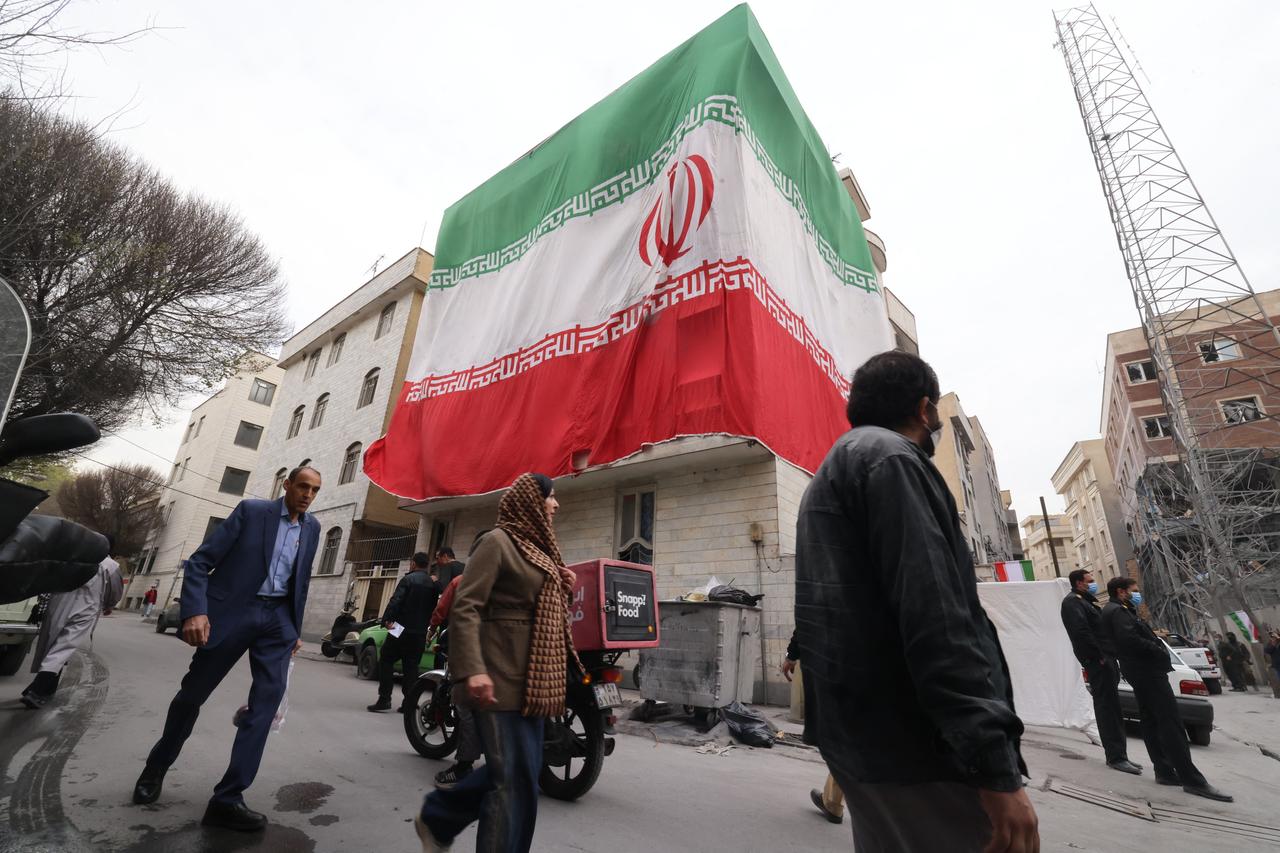
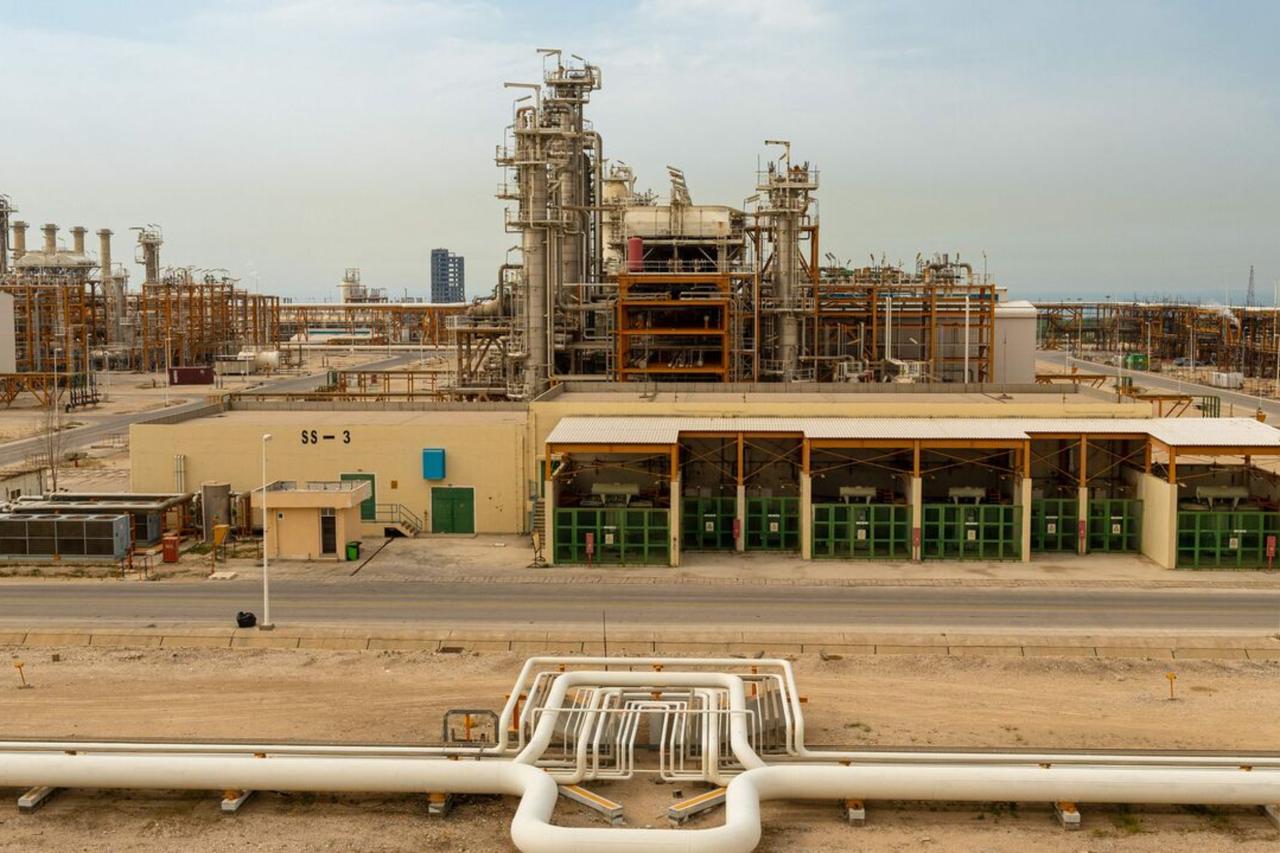
Araghchi also condemned an attack on Iran's South Pars gas facilities and criticized the lack of international condemnation.
Israel struck the Iranian side of the South Pars gas field, halting production at two major refineries.
 2 min read
In a separate post on X, Araghchi warned that Iran would show "zero restraint" if its infrastructure were targeted again.
"The ONLY reason for restraint was respect for requested de-escalation," he wrote, noting, "ZERO restraint if our infrastructures are struck again."
He also accused Macron of double standards, saying the French president had not "uttered one word of condemnation" of the U.S.-Israeli war with Iran.
"He did not condemn Israel when it blew up fuel storage in Tehran, exposing millions to toxins. His current 'concern' didn't follow Israel's attack on our gas facilities. It follows our retaliation," Araghchi wrote on X.
Iranian President Masoud Pezeshkian said the killing of Supreme Leader Khamenei would "destroy global legal norms." He wrote on X: "If the world fails to stand firm, its flames will burn many."
The United States and Israel launched strikes against Iran on Feb. 28, killing around 1,300 people, including Ali Khamenei.
Iran has retaliated with drone and missile strikes targeting Israel, Jordan, Iraq and Gulf countries hosting U.S. military assets.


 Set as preferred source
 Set as preferred source


 1 min read