Newsletters


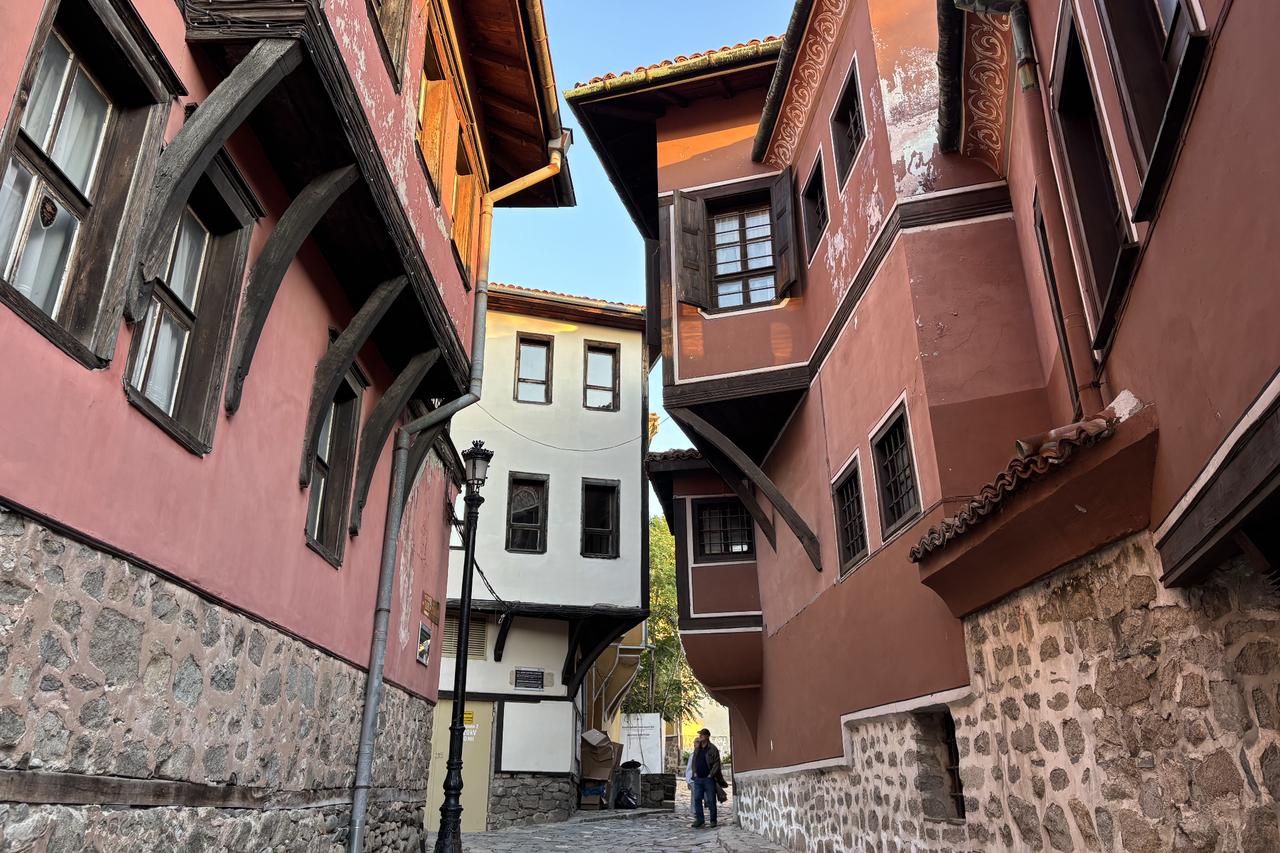


The Bulgarian city of Plovdiv preserves the legacy of civilizations that have shaped its identity over thousands of years, with Thracian, Roman, Byzantine and Ottoman influences still visible in its architecture, archaeological sites and cultural heritage.
Situated along both banks of the Maritsa River in central Bulgaria, Plovdiv is widely recognized for its historic character and vibrant cultural scene.
Its landmarks bring together different periods of history, offering a glimpse into how successive civilizations left their mark on one of Europe's oldest continuously inhabited cities.
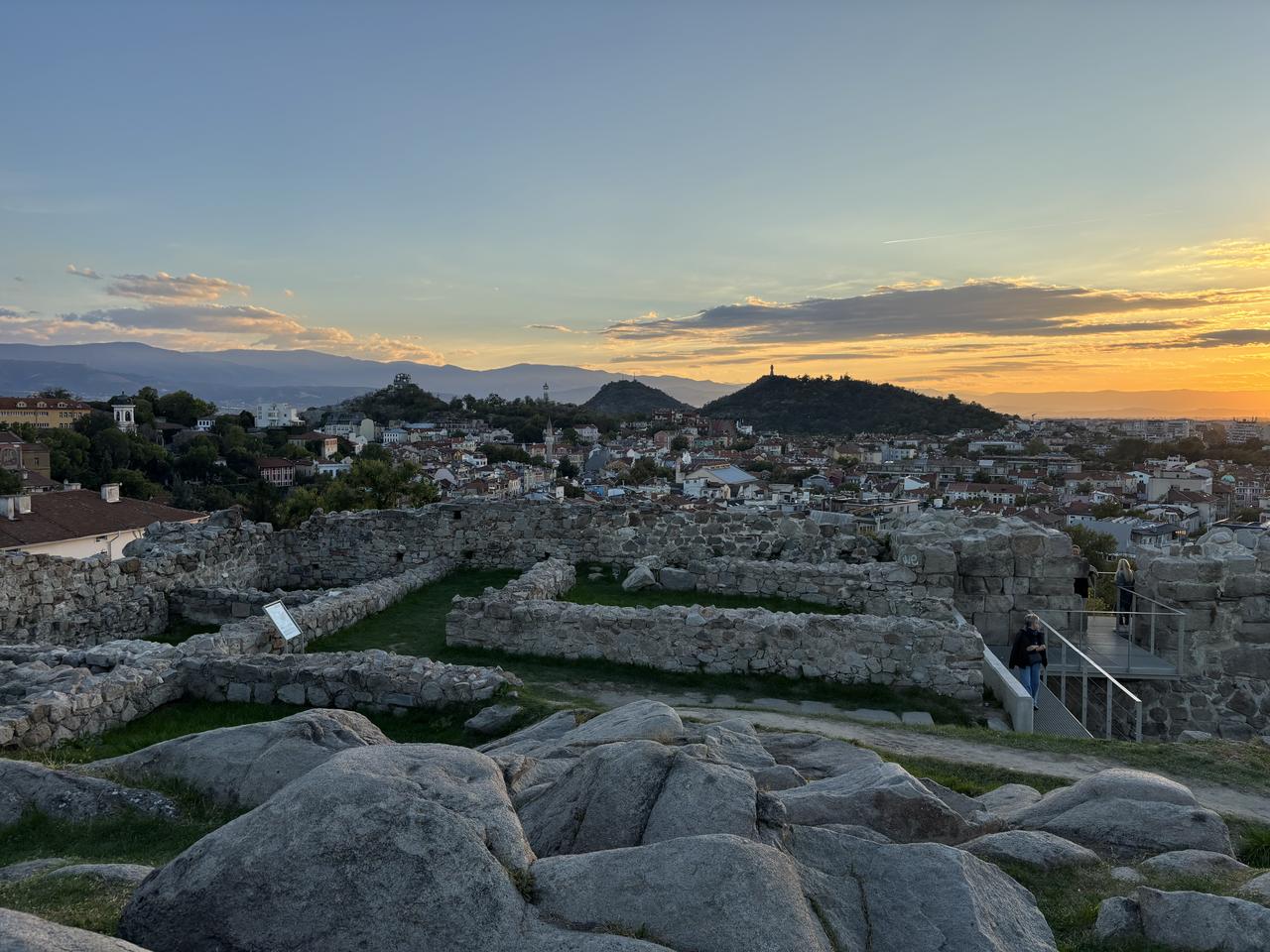

Nebet Tepe, one of Plovdiv's oldest settlement areas, offers sweeping views of the city alongside archaeological remains dating back thousands of years.
The site contains traces of ancient fortification walls and defensive structures, while the earliest evidence of settlement on the hill dates to the fourth millennium B.C.
Its name combines the Turkish words for "watch" and "hill," and the site is believed to have once housed a garrison that helped defend the ancient settlement.
Visitors can explore the archaeological area free of charge, making it an accessible starting point for understanding Plovdiv's early history.
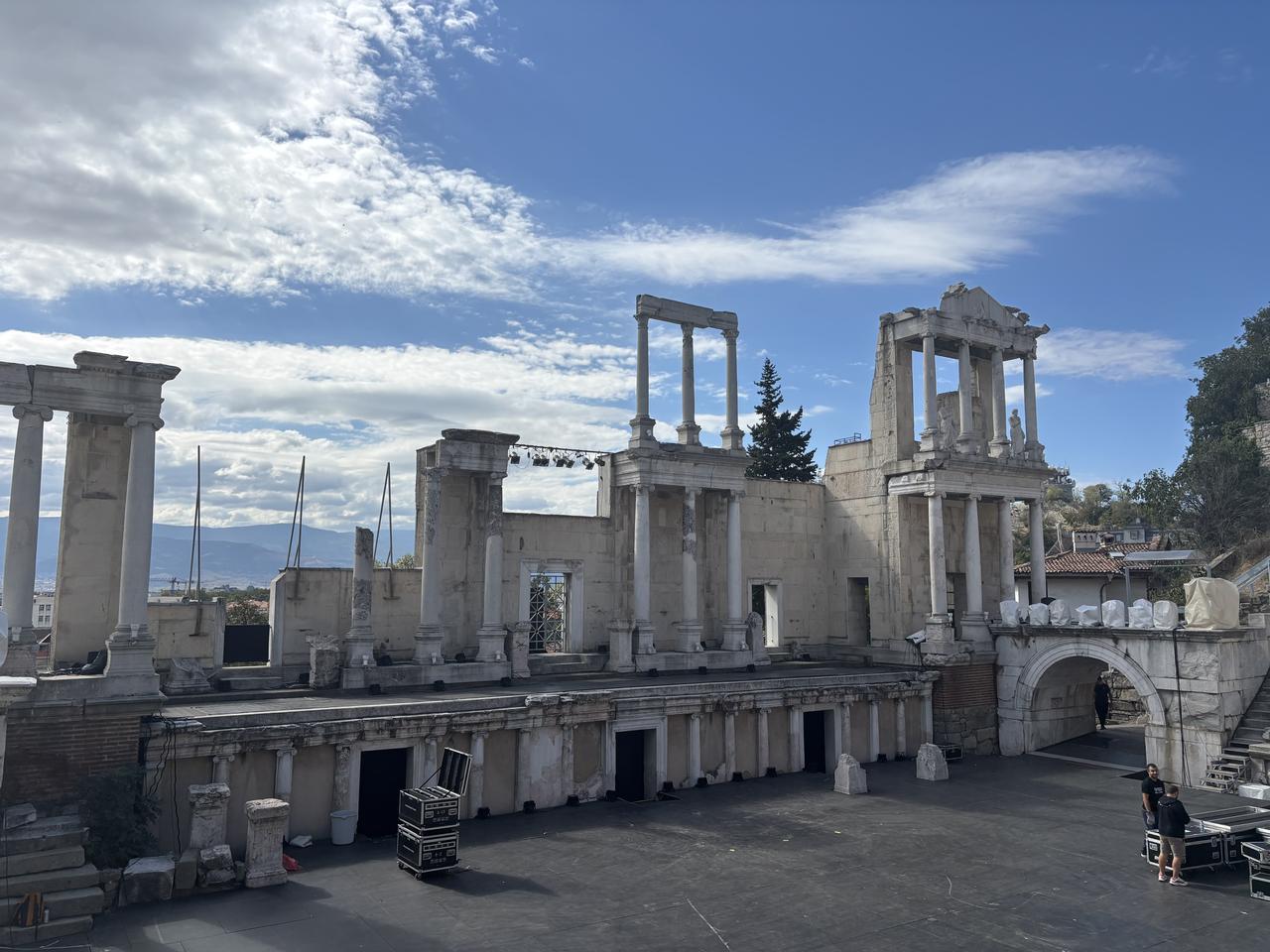
Plovdiv's Ancient Theater, located between Dzhambaz Tepe and Taksim Tepe, is one of the city's most prominent Roman-era monuments. Dating to the first century A.D., it was uncovered during excavations carried out by the Plovdiv Archaeological Museum between 1968 and 1979.
With seating for approximately 3,500 spectators, the theater is considered one of the best-preserved ancient theaters in the world. It continues to host performances and cultural events, connecting its historical function with the city's contemporary arts scene.
Another important landmark is the Roman Stadium, built in the second century A.D. beside the city's Dzhumaya Mosque. It is believed to have accommodated around 30,000 spectators for sporting competitions in antiquity.
Much of the stadium remains buried beneath modern buildings, although its curved northern section, 13 rows of seating, northern entrance and part of the track can still be seen.
Standing in the city center, Dzhumaya Mosque is one of the most significant Ottoman-era buildings to have survived in Plovdiv. Its history dates back to the reign of Ottoman Sultan Murad I, and it is also known as the Hudavendigar Mosque.
With its multiple domes, the mosque represents an important example of early Ottoman congregational mosque architecture in the Balkans. It remains open for worship and continues to serve the local Muslim community while attracting visitors interested in the city's religious and architectural heritage.
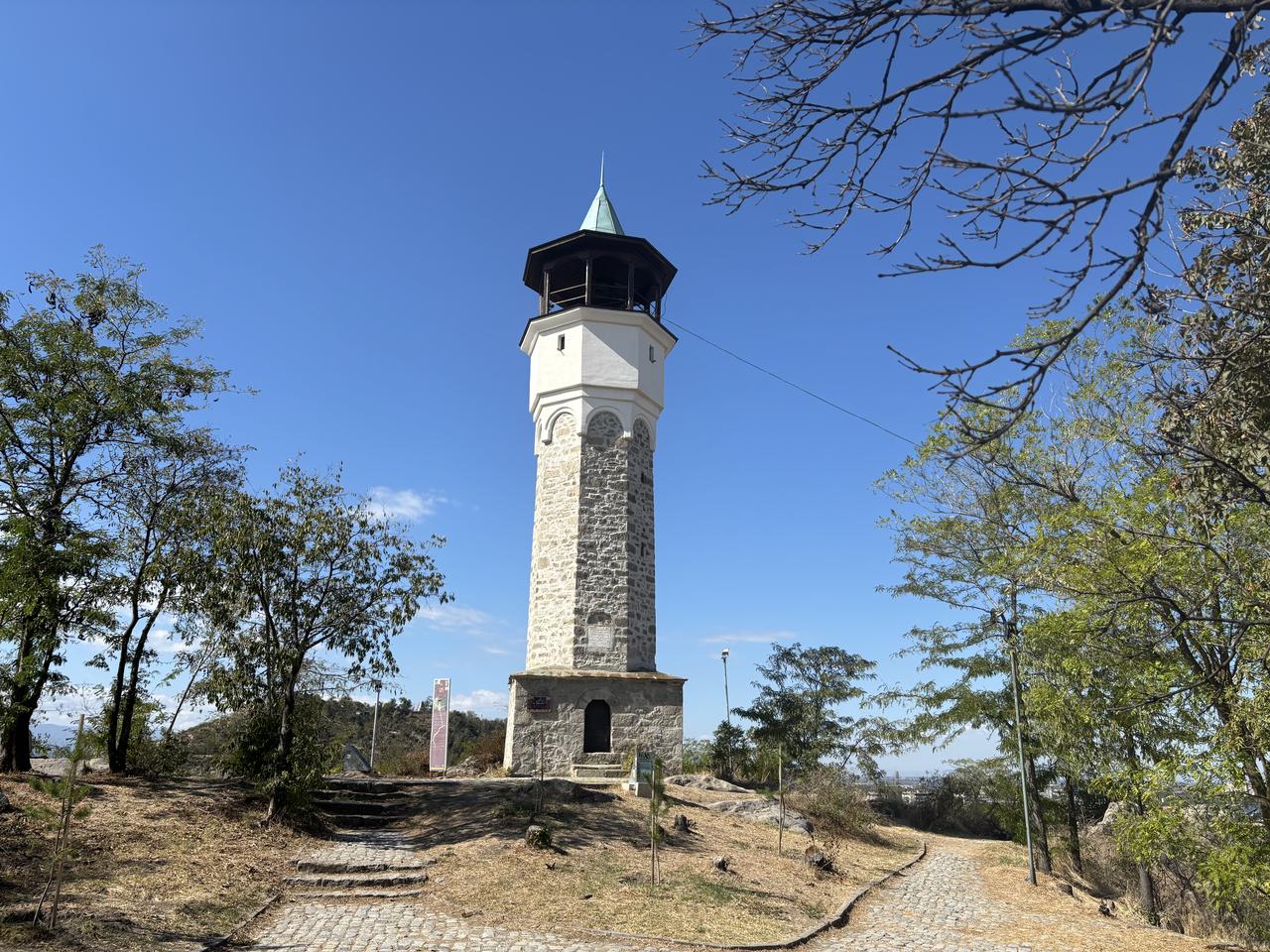
The Clock Tower on Sahat Tepe, another historic landmark, is believed to have been built between 1578 and 1611. Considered among Europe's oldest clock towers, it has no clock face, and the time is announced by the sound of its bell.
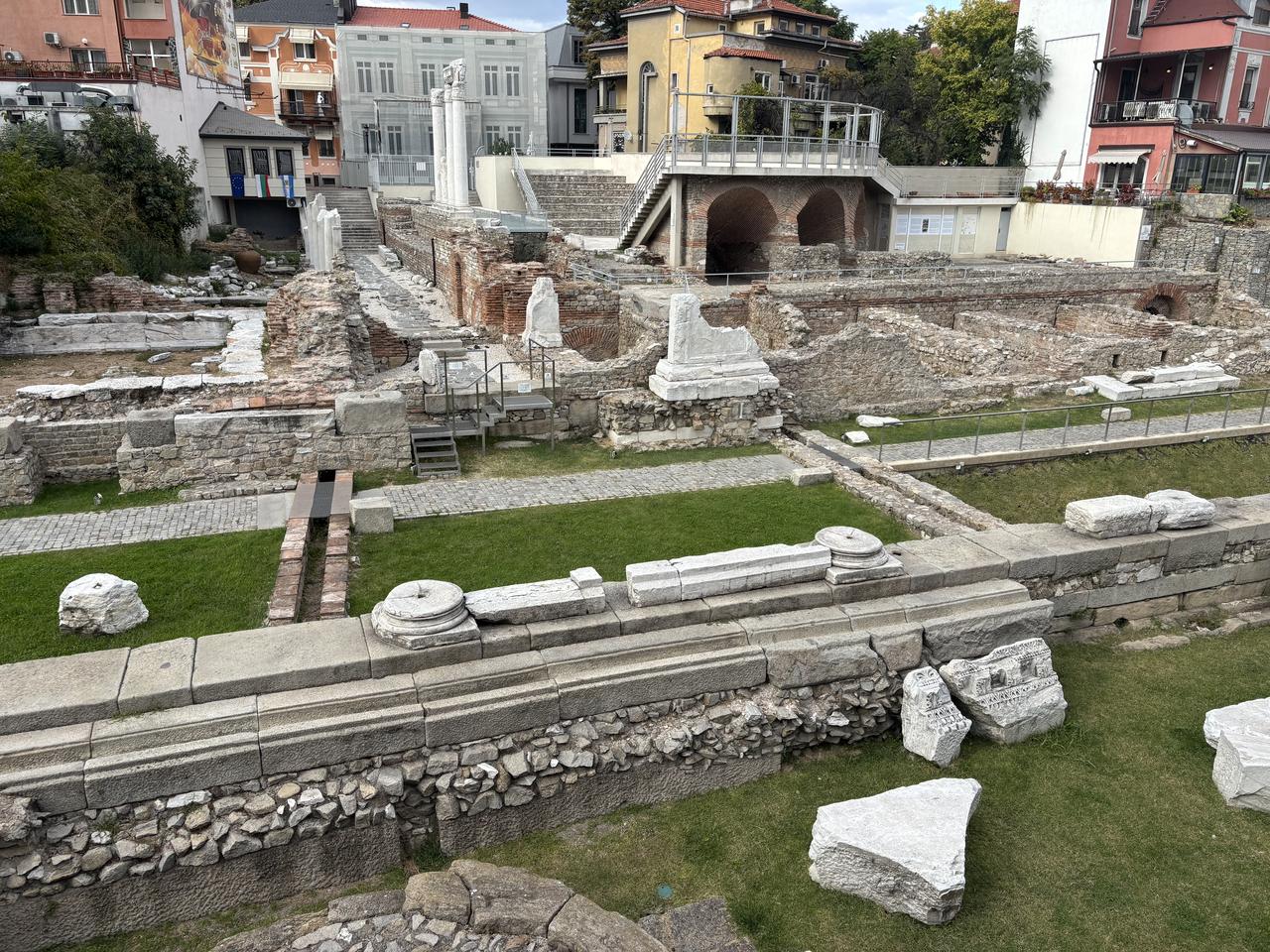
Vangel Iliev, chief guide at the Old Plovdiv State Institute, told Anadolu that the city's significance lies not only in its age but also in the many religions, ethnic groups and civilizations that have contributed to its identity.
"Plovdiv is the oldest living city in Europe. All the religions, ethnic groups, civilizations and cultures that have passed through the history of our city and country have left something behind," Iliev said, explaining that these influences can be found in architecture, buildings, crafts and cuisine.
He said Plovdiv's earliest settlement dates back to around 6000 B.C., while it developed into a more clearly defined urban settlement with a designated area and defensive structures around 4000 B.C.
The city has carried different names throughout its history. It was known as Eumolpia during the Thracian period, Philippopolis under the Greeks and Trimontium during Roman rule. The name Filibe was used during the Ottoman period, while the present-day name Plovdiv evolved from earlier historical forms.
Iliev emphasized that the city maintained its urban character through successive periods, including Greek, Roman, Byzantine, First Bulgarian Empire and Ottoman rule.
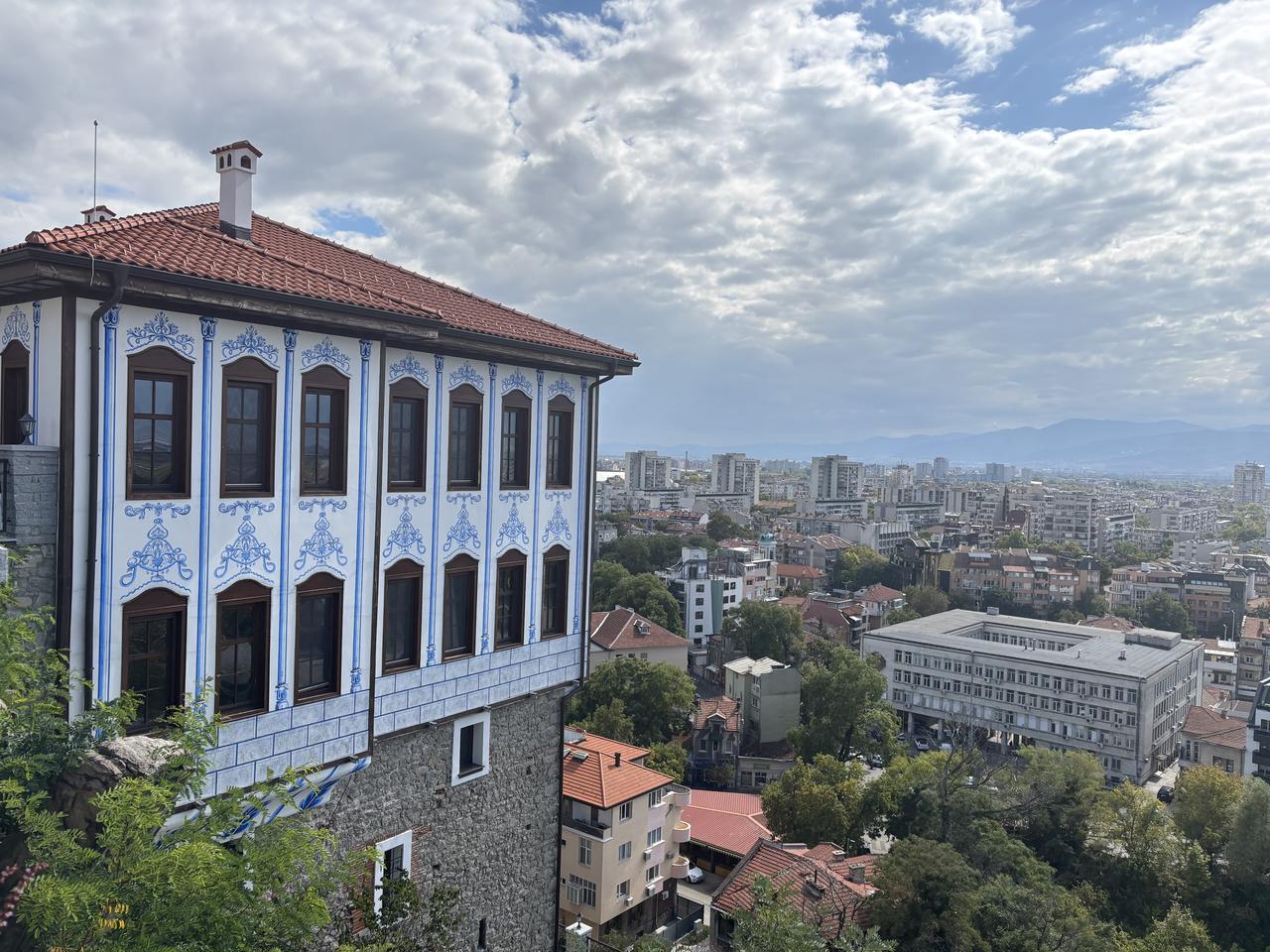
Beyond its ancient monuments, Old Plovdiv's historic houses provide insight into the city's multicultural society during the Ottoman period. According to Iliev, buildings dating from the second half of the 19th century help visitors understand how wealthy merchants from different ethnic backgrounds lived.
The Hippocrates Pharmacy Museum is another notable stop. The building operated as a pharmacy from 1872 to 1947 and is Bulgaria's only museum dedicated to the history of pharmacy, Iliev said.
Its collection includes original bottles, containers and pharmaceutical instruments gathered over approximately seven years from old pharmacies and antique dealers.
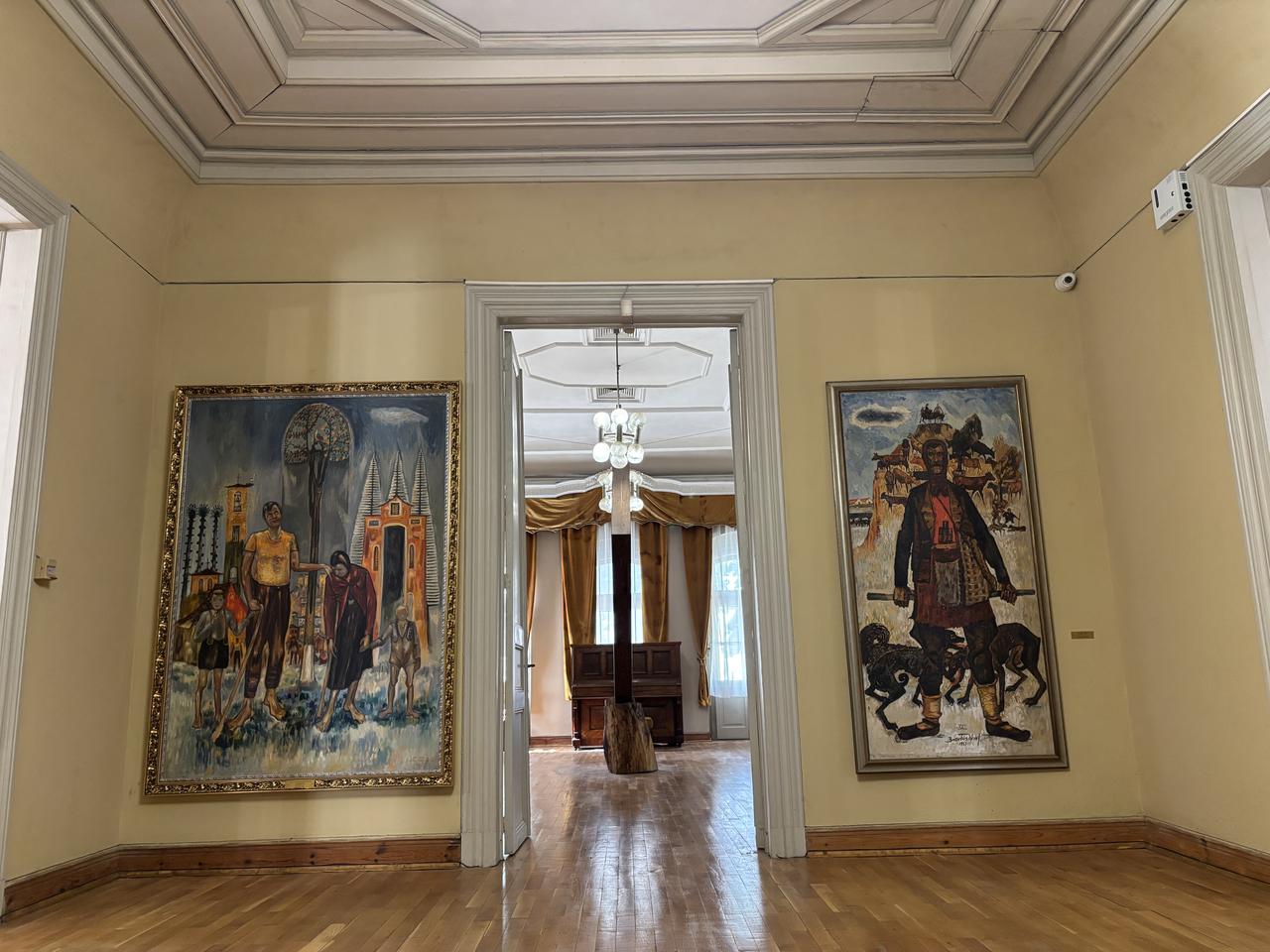
Plovdiv's cultural heritage also extends to the visual arts, including a permanent exhibition featuring 73 works by Bulgarian painter Zlatyu Boyadzhiev, whom Iliev described as one of the country's most important artists.
Boyadzhiev's paintings explore village life, family relationships, women's roles in society and other aspects of everyday Bulgarian life, offering a broad view of the country's social experience.
In 1951, at the age of 48, the artist suffered a stroke that left the right side of his body paralyzed. Despite the setback, he learned to paint with his left hand within approximately two years.
The exhibition presents works from both periods, allowing visitors to see how his artistic practice continued after the stroke.
Iliev recommended that visitors explore a range of landmarks rather than focusing on a single historical period, noting that Plovdiv's appeal comes from the coexistence of its many cultural influences.
He also highlighted the Ancient Theater as one of the oldest surviving performance venues in Bulgaria that remains in use, while the city's historic houses, religious monuments and art collections offer further insight into the civilizations that have shaped Plovdiv over the centuries.


 Set as preferred source
 Set as preferred source


 1 min read

 1 min read